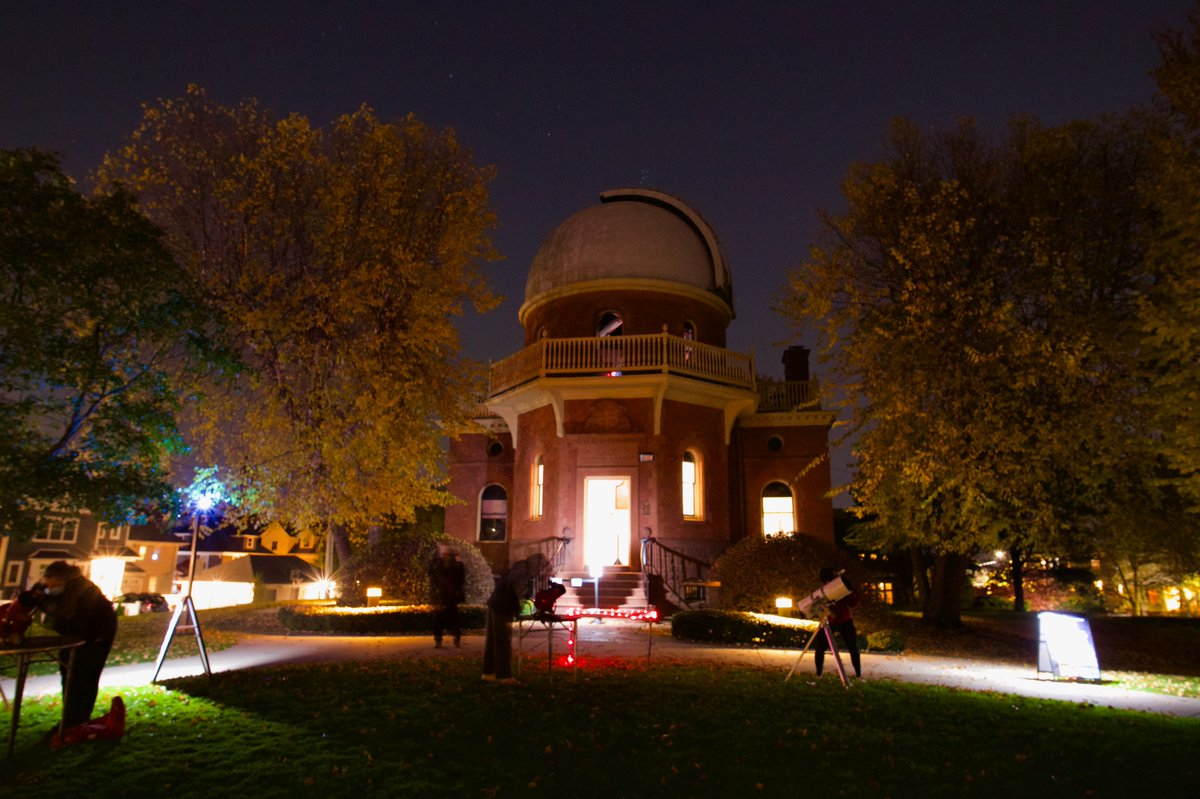
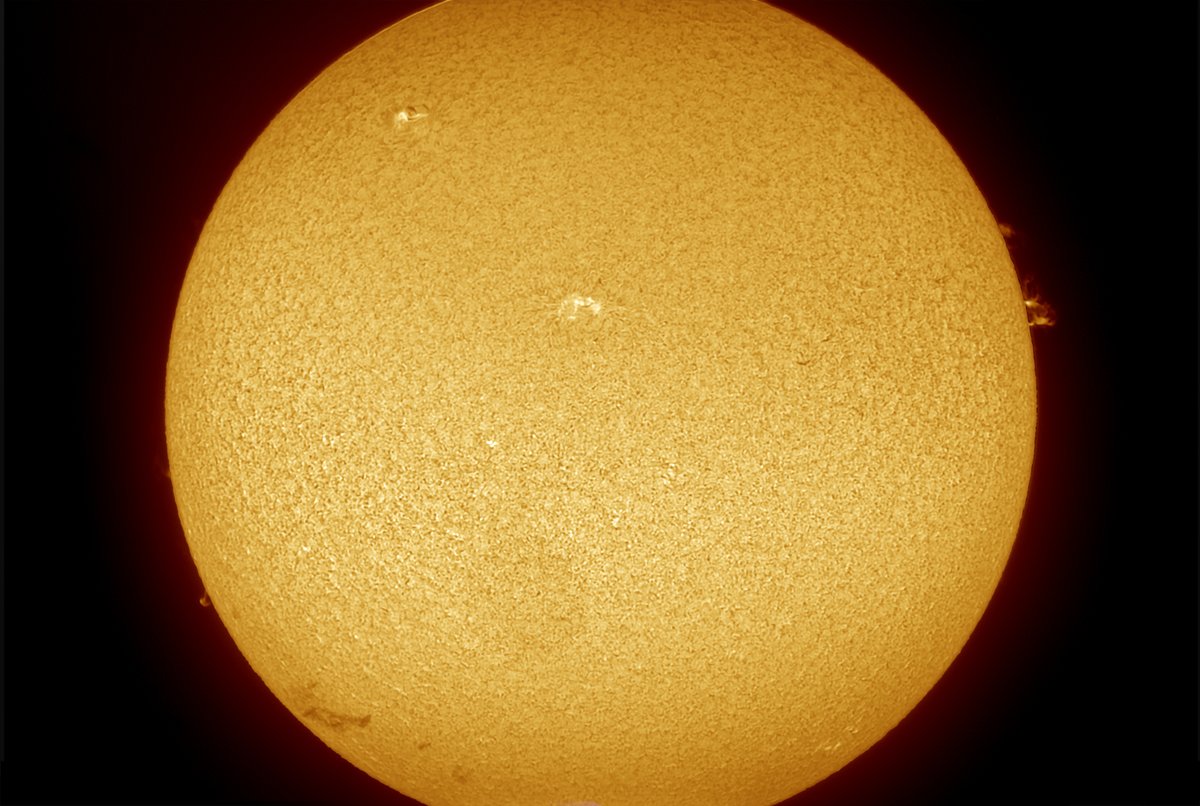
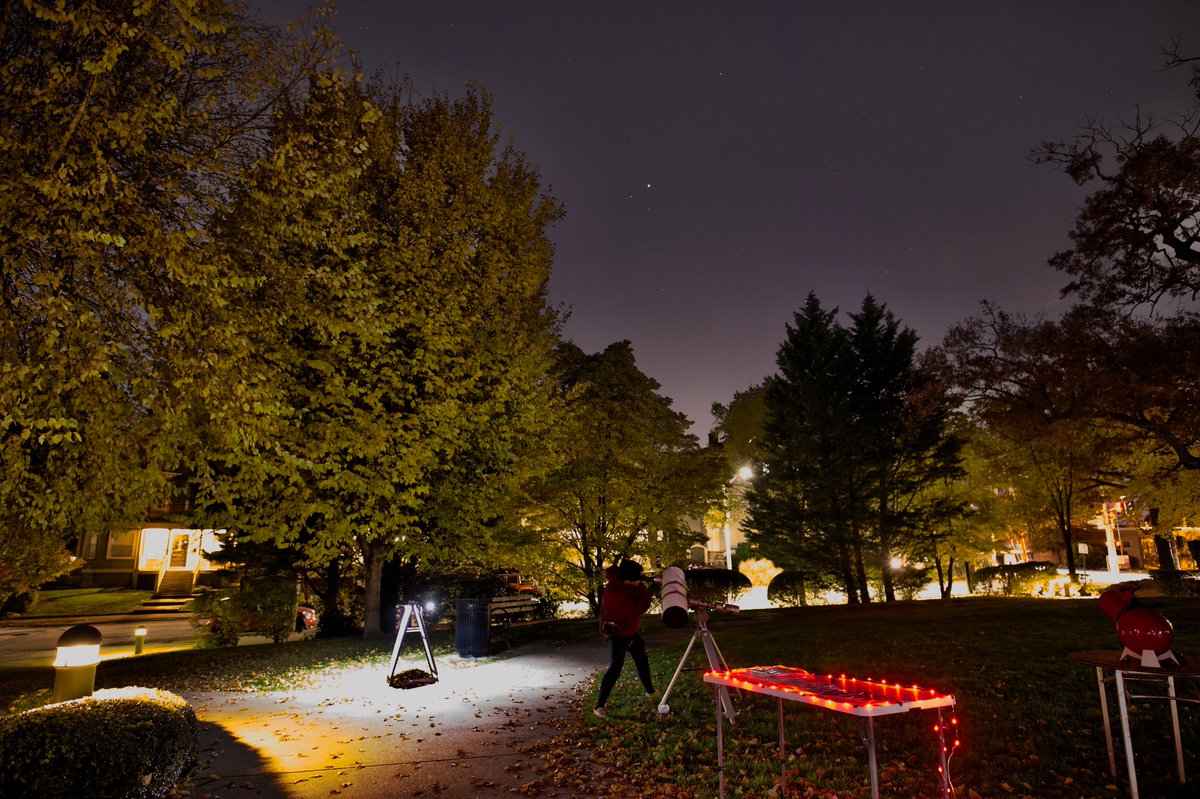
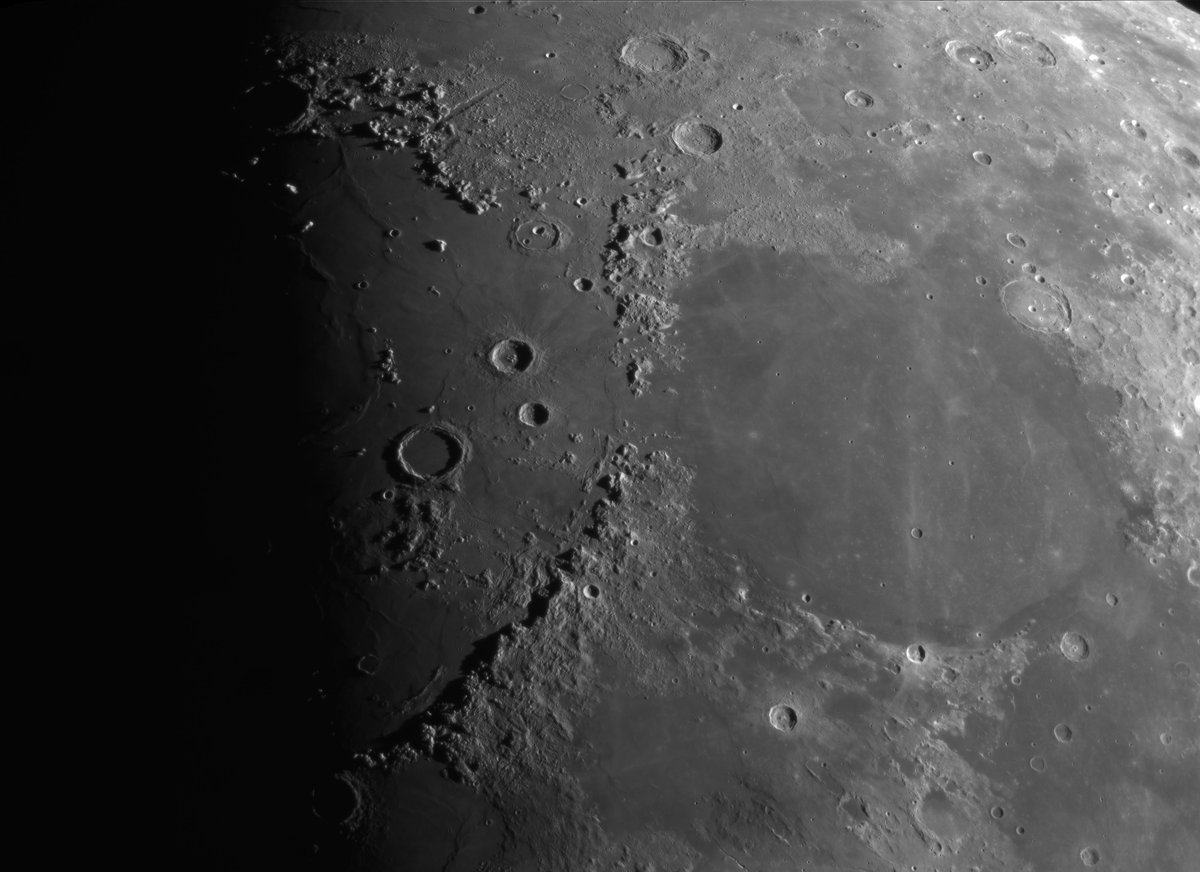
Students in @brown_physics 220 intro to astronomy are remotely controlling the cameras on our telescopes to capture images of the Sun and Moon. Our astronomers @scottiemacneill and @W9GYR engage them in #remotelearning.
Last week we held a lunar observing lab for the PHYS 220 intro to astronomy class. Students were able to remote control our camera to take this image. Image processing by @scottiemacneill. This week we'll be using our solar telescope to look for sunspot activity.
A @BrownCubeSat satellite has been operating in low Earth orbit for nearly two and a half years. The radio ground station on the roof of Ladd Observatory has been receiving the transmissions from space. https://t.co/DlyDGDoYVD
According to calculations from @BrownUniversity@LaddObs, EQUiSAT satellite built by Brown students disintegrated in earth's atmosphere today. Expected to stay in orbit for 6 months, it lasted nearly 2.5 years on its research mission since 7/13/18 deployment from @Space_Station.
A small satellite built by @BrownCubeSat students has been operating in orbit since July 2018. At 3:40 am local time two amateur radio operators received the last confirmed transmissions before it burned up reentering the atmosphere.
The satellite ground station on our rooftop just received a data packet from @BrownCubeSat EQUiSat this morning. It has be transmitting for 2 years 5 months. We estimate that it will reenter the atmosphere in two weeks.
The small satellite built by @BrownCubeSat students continues to send messages home after 2 and 1/2 years and nearly 14 thousand orbits around the planet. Each green/yellow stripe is a packet of data describing the health of the spacecraft's systems.
A very hot signal from @BrownCubeSat's EQUiSat recorded at 4pm EST by Corey Shields KB9JHU - a @SatNOGS station in Indiana. The cube is getting an extra large dose of sunlight and is woke from low power mode. https://t.co/9btMwbOiDY
The satellite built by @BrownUniversity students is still on orbit after more than 2 years. Our calculations indicate that @BrownCubeSat's EQUiSat will "de-orbit" (burn up in the atmosphere) sometime around New Year's eve. (give or take a week depending on solar activity)