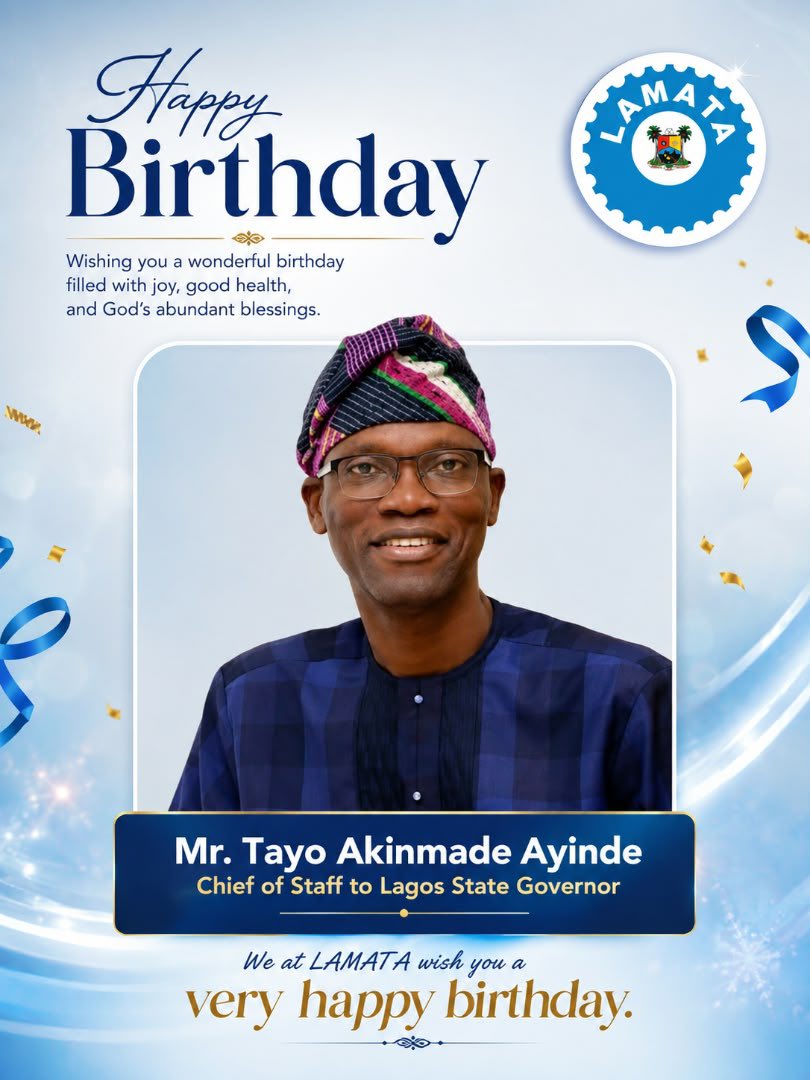
Happy Birthday to the Chief of Staff to the Lagos State Governor, Mr. Tayo Akinmade Ayinde!
Today, we join well-wishers across Lagos State to honor your exemplary service, vision, and dedication to the growth of our state.
Wishing you joy, divine strength, and continued success in all your endeavors. Have a wonderful celebration!
NEC Delegation Inspects Lagos Red Line, Commends Lagos’ Integrated Transport Development
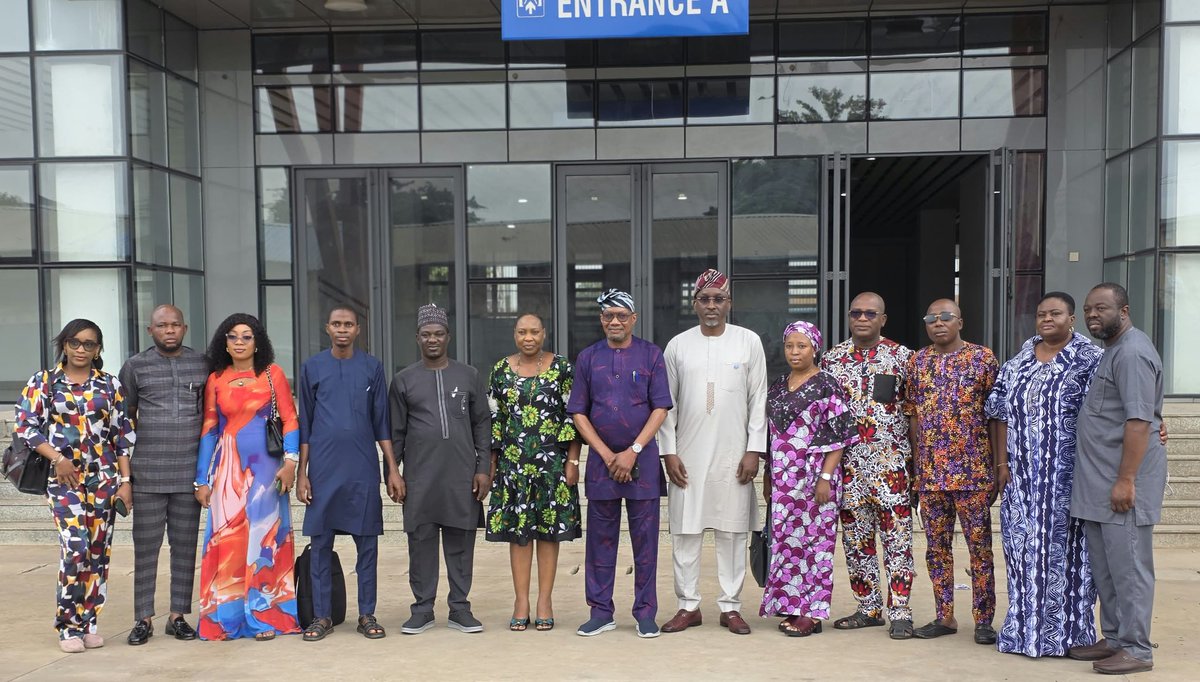
A delegation from the Secretariat of the National Economic Council (NEC), led by the Ondo State Commissioner for Economic Planning and Budget, Hon. Laolu Akindolire, has inspected the Lagos Rail Mass Transit (LRMT) Red Line as part of efforts to monitor national development initiatives across the 36 states of the federation and the Federal Capital Territory.
The visit was undertaken to assess the implementation of NEC resolutions and evaluate the progress of development projects with significant impact on the socio-economic wellbeing of citizens.
The National Economic Council, a constitutional body established under Section 153(1) of the 1999 Constitution (as amended), is chaired by the Vice President, Senator Kashim Shettima. The Council advises the President on economic affairs and coordinates economic planning among the Federal Government and the states.
Briefing the delegation, the Technical Adviser, Planning, at the Lagos Metropolitan Area Transport Authority (LAMATA), Engr. Osa Konyeha, who represented the Managing Director, Engr. Mrs. Abimbola Akinajo, said Lagos State’s transportation development was being driven by the Lagos State Strategic Transport Master Plan.
According to him, the master plan provides for the development of six rail lines, one monorail, 14 Bus Rapid Transit (BRT) corridors, more than 20 water transportation routes and complementary road infrastructure to create an efficient, integrated and competitive multimodal transport system.
Engr. Konyeha disclosed that the State Government was working towards connecting the Red Line with the Blue Line at the National Theatre Station, a development expected to further enhance seamless movement and connectivity across the rail network.
He also announced the imminent commencement of construction works on the Green Line and the planned development of the Purple Line, noting that the projects formed part of the state’s long-term strategy to expand public transportation infrastructure and provide greater mobility choices for Lagos residents.
He explained that the various transport projects were being implemented as an integrated system to ensure effective connectivity among rail, road and water transportation, thereby providing commuters with convenient modal choices.
On water transportation, Engr. Konyeha said the Lagos State Government was equally committed to expanding the sector through the Omi Eko initiative, which includes opening up additional waterways and deploying energy-efficient electric ferries to promote sustainable mobility.
Responding, the leader of the delegation, Hon. Akindolire, commended the Lagos State Government for its investments in transportation infrastructure and its commitment to projects that directly improve the quality of life of residents.
He urged other states to emulate Lagos by developing and implementing projects that have tangible and positive impacts on their people.
The delegation’s inspection of the Red Line provided an opportunity to assess the progress of one of Lagos State’s flagship transport projects and its contribution to the broader objectives of integrated and sustainable national development.
Akinajo Reaffirms LAMATA’s Commitment to Data-Driven, Low-Carbon Mass Transit in Lagos
The Managing Director of the Lagos Metropolitan Area Transport Authority (LAMATA), Engr. Mrs. Abimbola Akinajo, has reaffirmed the Authority’s commitment to building a sustainable, climate-resilient and data-driven mass transit system capable of significantly reducing the carbon footprint of Lagos.
Akinajo gave the assurance when she received a high-level delegation from the Office of Climate Change and Circular Economy (OCCE), led by the Special Adviser to the Governor, Mrs. Titilayo Oshodi, at LAMATA’s headquarters.
The strategic engagement focused on strengthening collaboration between LAMATA and OCCE on climate-smart transportation, unlocking carbon financing opportunities and deploying reliable emissions data to support Lagos’ transition to cleaner urban mobility.
Akinajo said LAMATA’s expanding portfolio of sustainable transport initiatives provides a strong platform for the State to deepen its climate action while delivering efficient and affordable mobility to millions of commuters.
She noted that the Authority’s investments in electric and low-emission public transportation, alongside the continued development of an integrated mass transit system, demonstrate Lagos’ determination to align transportation development with its broader climate objectives.
She added that reliable data would be critical to measuring the environmental impact of transport investments, identifying further opportunities for emissions reduction and positioning Lagos to benefit from emerging global climate-financing mechanisms.
During the engagement, the OCCE team demonstrated the DecarbonIQ Intelligence Platform, a technology-driven platform designed to support the measurement, monitoring and management of carbon emissions across transport networks.
The platform provides an emissions-reduction advisory function, enabling stakeholders to analyze transport-related emissions and identify opportunities for decarbonization. It also provides a unified and transparent source of carbon data, allowing relevant stakeholders to track, validate and verify emissions information.
A key component of the demonstration was the platform’s alignment with Article 6 of the Paris Agreement, which provides mechanisms for international cooperation in achieving climate targets and creates opportunities for high-integrity carbon markets.
Also speaking, Mrs. Oshodi stressed the importance of establishing a verified single source of carbon data for Lagos and highlighted the strategic importance of the transport sector to Lagos’ climate ambitions, particularly with the State’s growing investment in electric mobility, rail transportation and other low-carbon mass transit solutions.
The engagement also had in attendance Dr. Adebola Odunsi and other representatives of OCCE.
Akinajo assured the delegation that LAMATA was ready to deepen collaboration with OCCE and other relevant stakeholders in developing robust, data-driven frameworks for sustainable transportation as well as explore innovative approaches that combine technology, reliable data and sustainable infrastructure to improve mobility while reducing the environmental impact of transportation in Lagos.
The collaboration is expected to strengthen Lagos’ capacity to quantify the climate benefits of its mass transit investments, improve access to green capital and accelerate the transition towards a cleaner and more resilient urban transportation system.
With Lagos already expanding its electric and rail-based mass transit network, the integration of credible climate data and carbon intelligence could provide an important new pathway for turning the State’s transport decarbonization efforts into measurable environmental and financial value.
LAMATA Deepens Stakeholder Engagement as Freight Policy Moves Towards Finalisation
… engages market groups, leaders, for data-driven framework to Ease Goods Movement Across Lagos
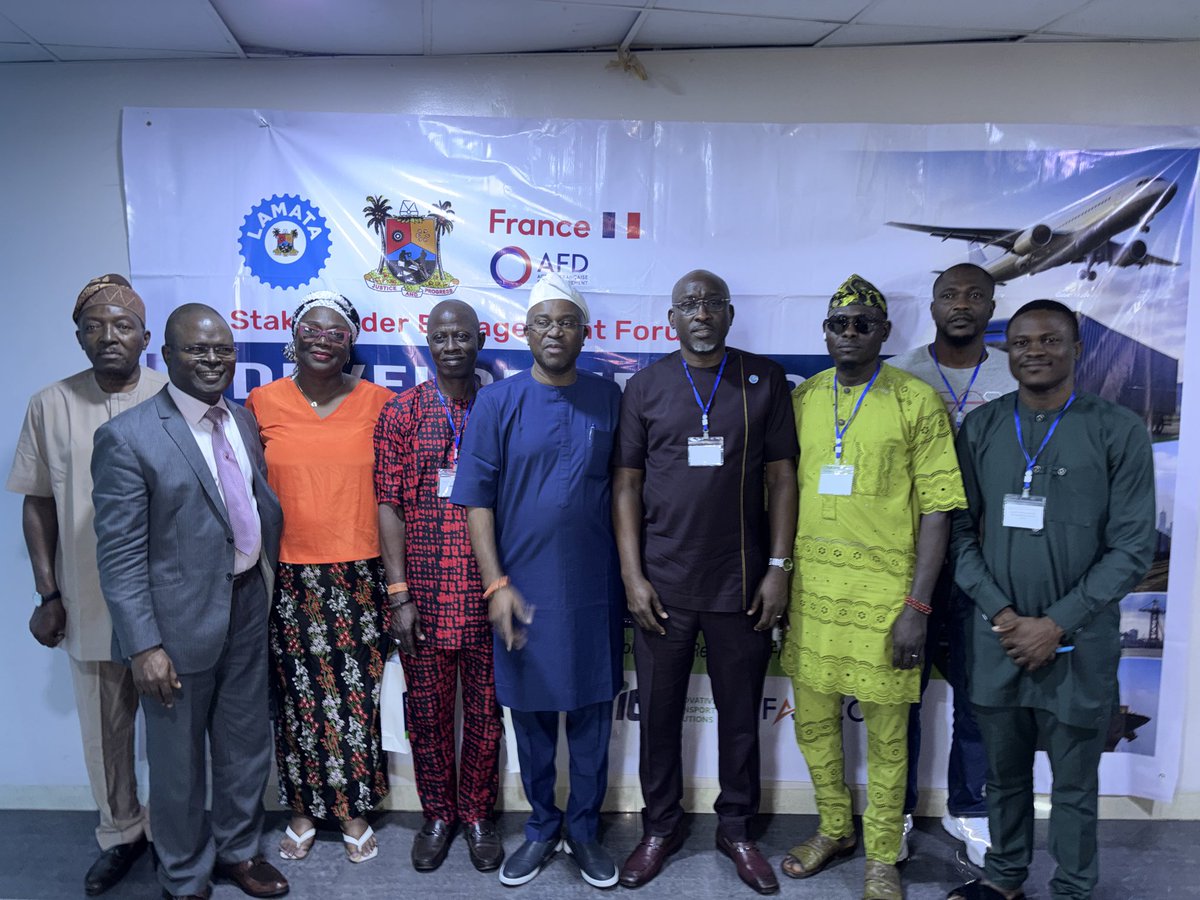
The Lagos Metropolitan Area Transport Authority (LAMATA) has intensified efforts to transform freight movement across Lagos with the successful conclusion of the fifth and final stakeholder engagement on the development of the Lagos Freight Policy and Regulatory Framework.
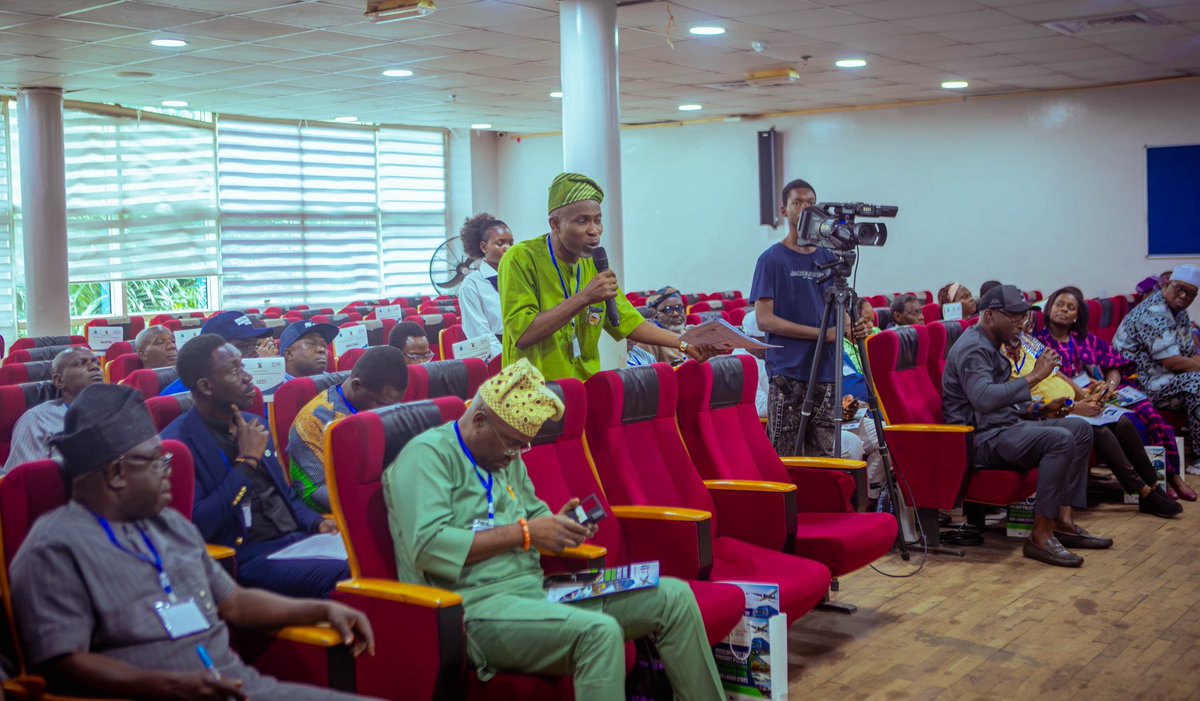
Held under the theme, “Smart Freight for a Thriving Lagos,” the session brought together leaders and representatives of market associations, wholesale and retail commodity groups and logistics operators to provide practical insights into the challenges confronting the movement and distribution of goods across the State.
The engagement, funded by the Agence Française de Développement (AFD) and implemented in collaboration with technical consultants, Innovative Transport Solutions (ITS) and FAOCON, represents another important milestone in LAMATA’s drive to establish a more efficient, predictable and cost-effective freight system for Lagos.
It also builds on a series of stakeholder engagements convened by LAMATA throughout the policy development process. Earlier sessions brought together key stakeholders across the freight and logistics value chain, including government agencies, transport operators, business interests and other industry players, enabling the Authority to gather evidence and practical perspectives on the challenges affecting freight movement in the State.
The fifth session provided an opportunity to deepen that consultation by placing market operators and commodity groups at the centre of discussions. This was considered particularly important because markets serve as critical links between producers, importers, wholesalers, retailers and final consumers.
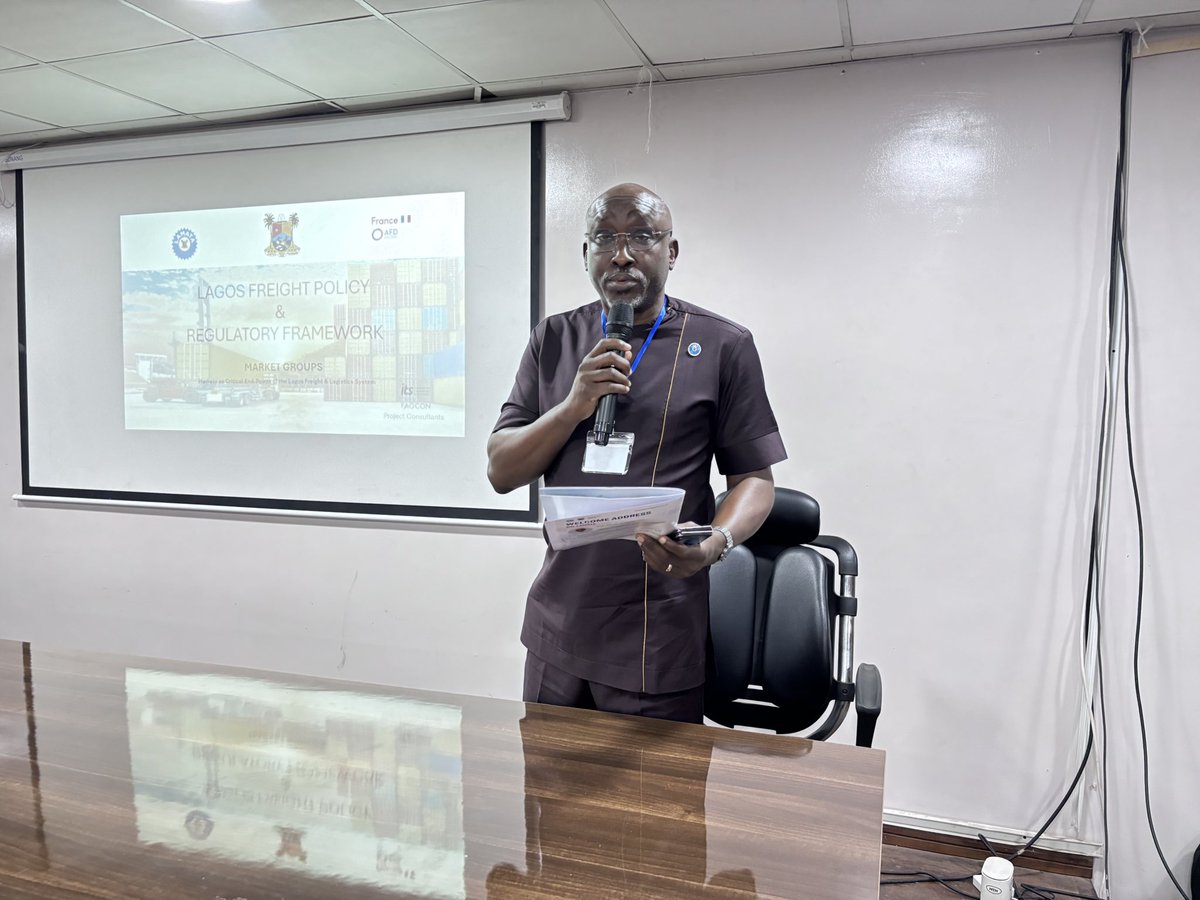
Delivering the welcome address on behalf of the Managing Director of LAMATA, Engr. Abimbola Akinajo, Technical Adviser, Planning, Engr. Osa Konyeha, said the efficiency of freight movement had a direct bearing on the cost and availability of goods in Lagos.
“Every day, large volumes of food, agricultural produce, clothing, electronics and automotive parts move from ports, farms and factories into markets across Lagos. The efficiency of these movements directly impacts businesses, traders and ultimately, consumer prices,” he said.
According to him, congestion, delays in last-mile deliveries, difficult access to markets, inadequate loading and unloading facilities and parking constraints continue to increase logistics costs and, in some cases, contribute to product spoilage.
He explained that the emerging Freight Policy would seek to tackle these challenges through clear, safe and reliable guidelines for freight operations while creating an environment capable of attracting investment into logistics infrastructure and services.
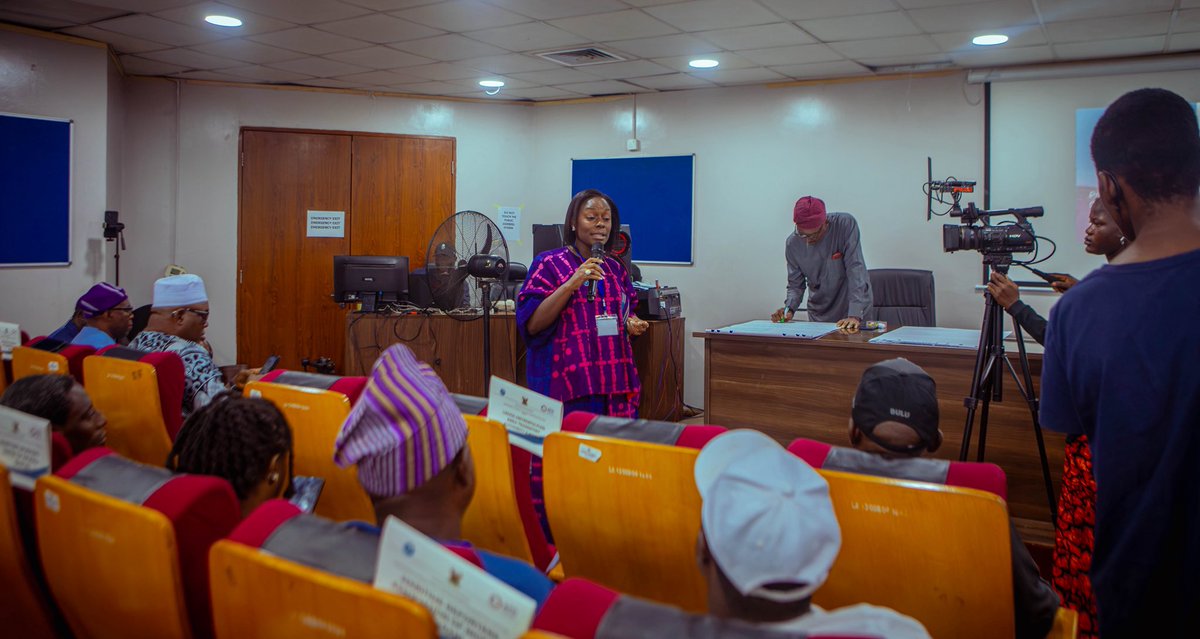
The interactive session, moderated by Dr. Alban Igwe, provided an opportunity for participants to discuss practical solutions to some of the most persistent supply chain challenges in major commercial centres, including Mile 12, Oshodi, Balogun, Alaba International, Computer Village and Ladipo Auto Market.
Discussions focused on last-mile access, loading and unloading arrangements, inventory storage, parking and the need to reduce disruptions that can affect the timely delivery of goods.
The engagement underscored the importance of ensuring that the policy is not developed in isolation but reflects the realities of those who move, receive, store and sell goods every day.
The conclusion of the consultation process marks a significant step towards finalising a comprehensive freight policy framework that will be anchored on data, technology, multimodal integration and public-private collaboration.
For LAMATA, the objective is clear: to build a freight system in which goods can move safely, efficiently and reliably from ports, production centres and distribution hubs to markets and consumers.
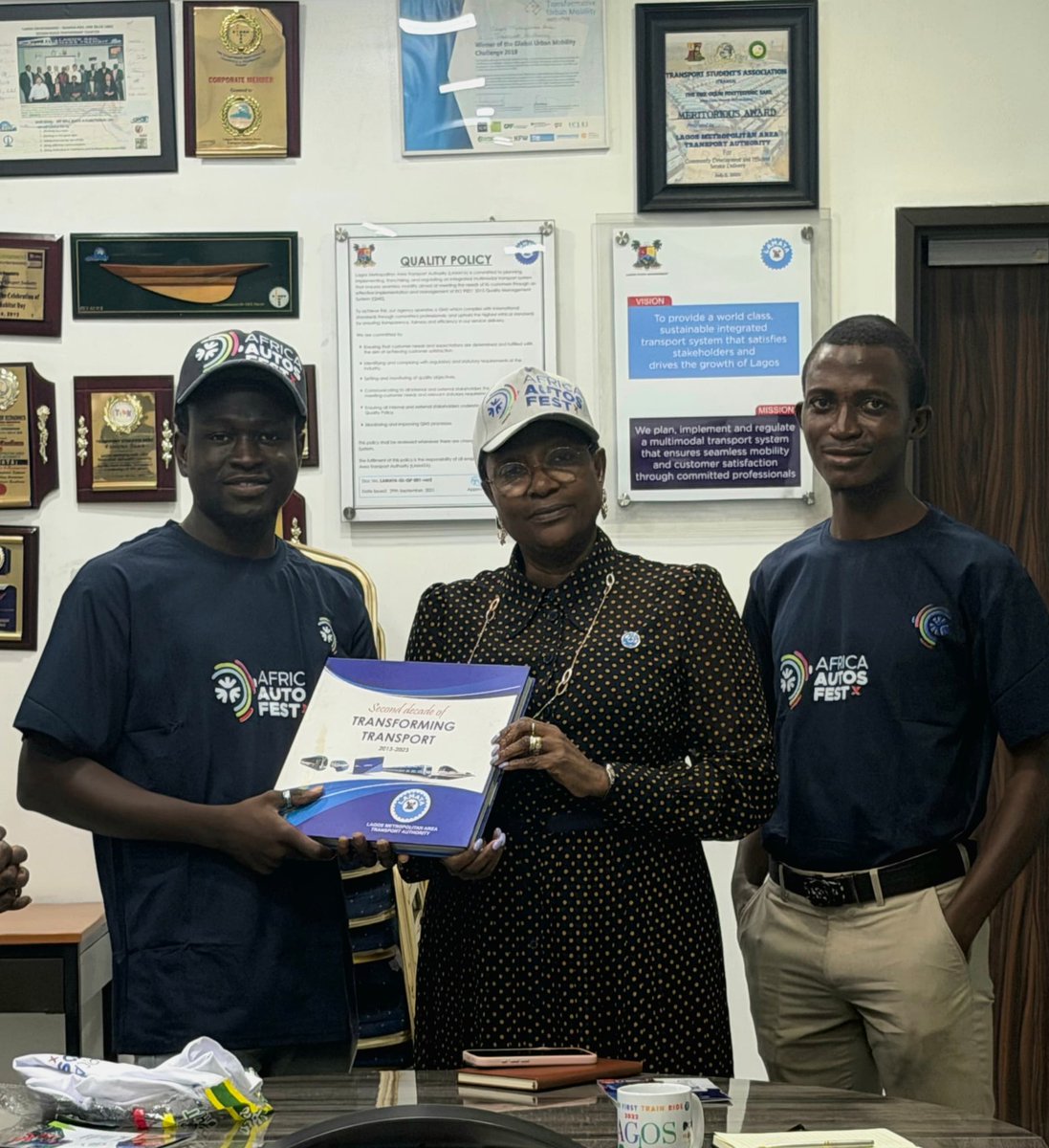
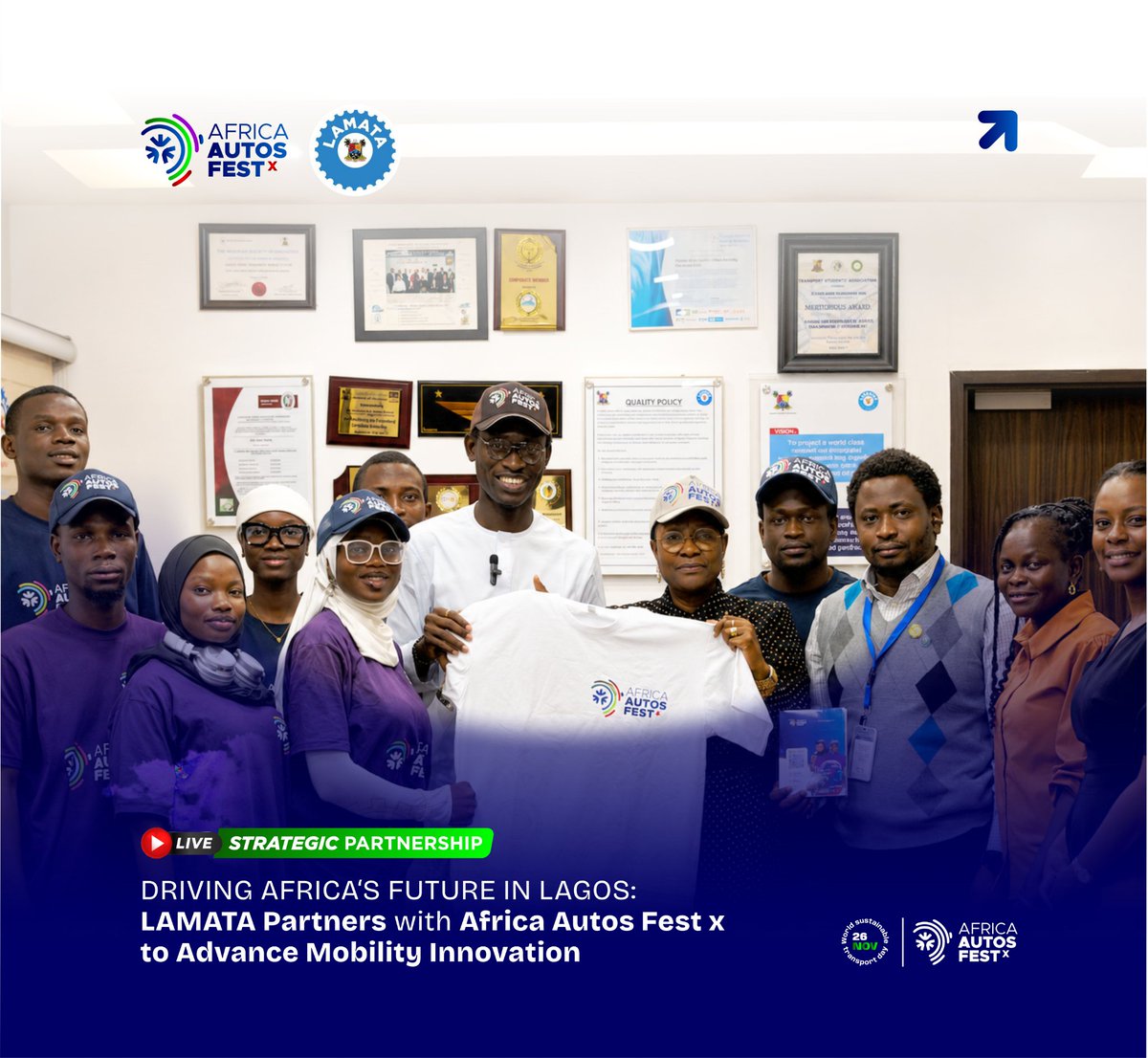
Our recent engagement with @Lamataonline was a valuable opportunity to explore collaboration and institutional support for Africa Autos Fest X.
As the agency leading integrated public transportation in Lagos, LAMATA plays a key role in shaping efficient and future-ready mobility
NO CASH ON REGULATED BUS SERVICES!
Cash collection is strictly against the Lagos State fare payment policy. Passengers and operators across all regulated transport modes—including BRT, Standard Routes, First-Mile-Last-Mile (FMLM) buses, Rail, and Ferry—must use approved payment channels like the Cowry Card.
Important Reminder:
Passengers attempting to pay cash risk being denied service.
Drivers and ground staff involved in cash collection will face sanctions/prosecution.
#LAMATA #Keepinglagosmoving #CowryCard #NoCashCollection #LagosTransit #FLM #BRT
LAMATA Collaborates with Freight Unions, Industry Associations on New Lagos Freight Policy
The Lagos Metropolitan Area Transport Authority (LAMATA) has convened the fourth Stakeholder Engagement Forum to gather critical operational insights from transport unions and industry associations for the development of the Lagos State Freight Policy and Regulatory Framework.
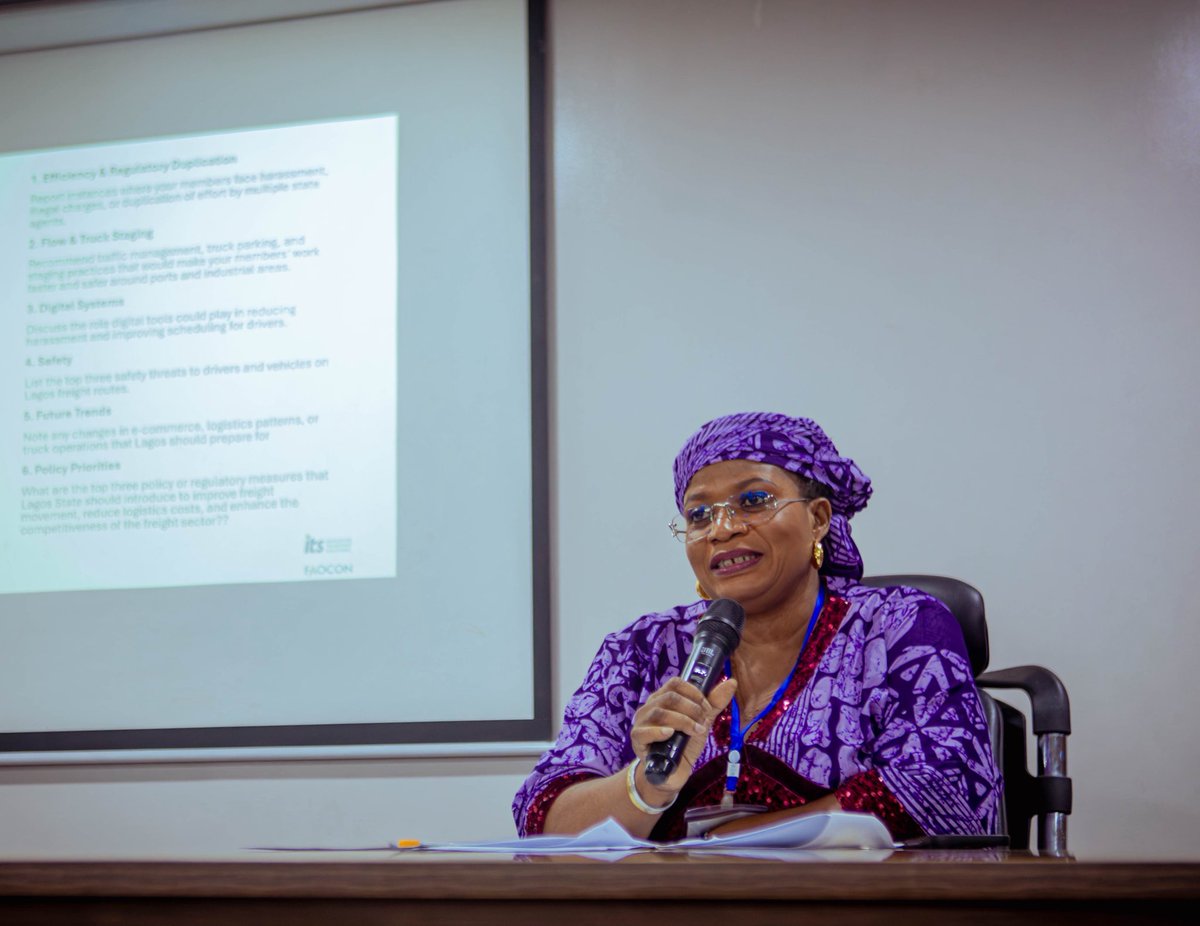
Under the theme “Smart Freight for a Thriving Lagos,” the session focused specifically on Freight Sector Unions and Industry Associations. The engagement provided a platform for frontline operators to highlight key challenges affecting freight movement, including regulatory duplication, illegal charges, truck staging, digital integration, and road safety.
Delivering the welcome address, the Managing Director of LAMATA, Engr. Mrs. Abimbola Akinajo, represented by the Technical Adviser Planning, Engr. Osa Konyeha, emphasized that the policy framework is not intended to introduce additional taxes or burdens on operators, but rather to simplify processes, eliminate unnecessary delays, and reduce logistics costs across the state.
The session featured facilitated discussions and input reviews anchored by consultants from ITS/FAOCON, Engr. Gboyega Odunlami and Dr. Ogochukwu Ugboma who facilitated the discussion.
Key industry stakeholders present and nominated as representatives for the upcoming synthesis workshop included:
Alh. Mohammed Sani from Association of Maritime Truck Owners (AMATO),
Mr. Yinka Onigbinde, Maritime Reporters' Association of Nigeria (MARAN),
Mr. Alade Shabi, National Association of Freight Forwarders and Air Console Agents (NAFFAC) and Mr. Olanrewaju Majekodunmi, Nigeria Union of Road Transport Workers (NURTW)
The findings and stakeholder recommendations gathered from this session will be integrated into the final policy framework to ensure an efficient, safe, and competitive freight transport ecosystem for Lagos State.
Before now, three earlier engagements focused on key sectors across the freight value chain: the first centered on government ministries and enforcement agencies (MDAs) to resolve inter-agency coordination and regulatory overlaps; the second brought together private logistics operators, freight companies, and cargo owners to address operational bottlenecks and port access; and the third engaged professional bodies (such as CILT and CIOTA), academia, civil society, and development partners like AFD to align policy on digital integration, environmental sustainability, and safety standards.
Dear Aniky_bee
Please be advised that the infographic you posted regarding the Lagos State Bus Industry Transition Programme (BITP) did not originate from LAMATA. The statistics and figures featured on the flyer are inaccurate.
In particular, the Quality Bus Corridors (QBCs) currently under construction are designed to pilot the BITP framework, and the metrics shown do not reflect verified project data.
We kindly request that you take down the post or update your caption to clearly state that this is an unofficial, AI-generated graphic and does not represent verified data from LAMATA.
You can access our official updates and verified project data via our website at https://t.co/BzfoDS7VV4 or our handle @Lamataonline .
Thank you for your cooperation.
Dear Mide,
Please be advised that the infographic you posted regarding the Lagos State Bus Industry Transition Programme (BITP) did not originate from LAMATA. The statistics and figures featured on the flyer are inaccurate.
In particular, the Quality Bus Corridors (QBCs) currently under construction are designed to pilot the BITP framework, and the metrics shown do not reflect verified project data.
We kindly request that you take down the post or update your caption to clearly state that this is an unofficial, AI-generated graphic and does not represent verified data from LAMATA.
You can access our official updates and verified project data via our website at https://t.co/BzfoDS7VV4 or our handle @Lamataonline .
Thank you for your cooperation.
Dear admin,
Please be advised that the infographic you posted regarding the Lagos State Bus Industry Transition Programme (BITP) did not originate from LAMATA. The statistics and figures featured on the flyer are inaccurate.
In particular, the Quality Bus Corridors (QBCs) currently under construction are designed to pilot the BITP framework, and the metrics shown do not reflect verified project data.
We kindly request that you take down the post or update your caption to clearly state that this is an unofficial, AI-generated graphic and does not represent verified data from LAMATA.
You can access our official updates and verified project data via our website at https://t.co/BzfoDS7VV4 or our handle @Lamataonline .
Thank you for your cooperation.
Dear Folu,
Please be advised that the infographic you posted regarding the Lagos State Bus Industry Transition Programme (BITP) did not originate from LAMATA. The statistics and figures featured on the flyer are inaccurate.
In particular, the Quality Bus Corridors (QBCs) currently under construction are designed to pilot the BITP framework, and the metrics shown do not reflect verified project data.
We kindly request that you take down the post or update your caption to clearly state that this is an unofficial, AI-generated graphic and does not represent verified data from LAMATA.
You can access our official updates and verified project data via our website at https://t.co/BzfoDS7VV4 or our handle @Lamataonline .
Thank you for your cooperation.
The future of public transportation in Lagos is smart, seamless, and cashless. Today at 10:00 AM, Kolawole Ojelabi (Head, Corporate Communication, LAMATA) will be live on Adamimogo 93.1 FM's Ki Lo Kan hosted by Tunde Olawuyi.
Catch the live broadcast to learn more about how cash-free collection on our bus corridors will make your daily commute faster, safer, and more efficient.
Tune in to 93.1 FM | 10:00 AM
NURTW, RTEAN Sign Historic Agreement to Drive Lagos Bus Industry Transition Programme
The two major transport unions in Lagos State—the Nigeria Union of Road Transport Workers (NURTW) and the Road Transport Employers Association of Nigeria (RTEAN)—have signed a landmark Memorandum of Understanding (MoU) to participate in the Lagos State Bus Industry Transition Programme (BITP), marking a significant milestone in the transformation of public transportation in the state.
Describing the agreement as "a new beginning for public transport in this state," the Permanent Secretary, Lagos State Ministry of Transportation, Mr. Olawale Musa, said the MoU demonstrates the commitment of the Lagos State Government and transport stakeholders to building a safer, more efficient, and sustainable public transport system.
The BITP is a Lagos State Government initiative being implemented by the Lagos Metropolitan Area Transport Authority (LAMATA) to integrate informal commercial transport operators, including the iconic yellow danfo buses, into a regulated, structured, and modern public transport network.
The historic agreement was signed by Lagos State Chairman of RTEAN Mr. Samson Ajala Adepeju and Secretary, Bolaji Kawojue, alongside Alhaji Mustapha Adekunle Sego and Secretary, Comrade Usman O. Teslimfor (NURTW), while the Permanent Secretary, Lagos State Ministry of Transportation, Mr. Olawale Musa and the Managing Director of LAMATA, Engr. Mrs. Abimbola Akinajo signed on behalf of the Lagos State Government.
The MoU establishes the guiding principles and expected outcomes for the implementation of the BITP. It provides a common framework for the transition of bus operations across the state's eight Quality Bus Corridors (QBCs) and forms the basis for the granting of bus operating franchises under the new system.
Under this new operational model, transport unions will be structured using a cooperative societal governance model to manage union members' transition into franchise operators. Fare collections will adopt a fully digital payment system to streamline revenues, while LAMATA will maintain strict regulatory oversight across all routes.
Four key Quality Bus Corridors (QBCs) currently under construction to launch this integrated system include: IjuIshaga – Abule Egba, Ketu – Alapere – Akanimodo, Iyana-Iba – Igando – Iyana-Ipaja, Ojuelegba – Lawanson– Cele.
Speaking at the signing ceremony, the Managing Director of LAMATA, Engr. Mrs. Abimbola Akinajo, highlighted the significance of the agreement, noting that the journey to its realization began more than 30 months ago through sustained engagement and collaboration with the transport unions.
According to her, the successful integration of the formal and informal transport sectors in Lagos has the potential to become a global reference point for cities seeking to modernize their public transport systems while ensuring the inclusion of existing operators.
"This will become a baseline for other cities because it will be a verifiable example of a handshake between government and the unions," she said.
Engr. Akinajo stressed that the formalization of public transport should not be viewed as an attempt to suppress or marginalize transport operators.
"Formalization should not be construed as strangulation. When we collaborate, the result will be formidable and capable of being replicated across other parts of Nigeria and in cities around the world that are seeking to formalize their public transport operations," she added.
The signing of the MoU represents a major step in Lagos State's ongoing efforts to reform the public transport sector by improving service quality, enhancing commuter safety, promoting operational efficiency, and creating a sustainable and investor-friendly bus transport industry.
@kcbilal007@LagosPoliceNG Thank you for bringing this to our attention, your complaint has been forwarded to the relevant department for further action.
Happy Birthday, Mr. Shuaheeb Olabode Agoro!
On behalf of the Management and Staff of the Lagos Metropolitan Area Transport Authority (LAMATA), we extend our warmest wishes to the Head of Service, Lagos State, Mr. Shuaheeb Olabode Agoro, on the occasion of his birthday.
Thank you for your dedicated service toward building a greater Lagos. May this new year bring you robust health, joy, and continued success in all your endeavors.
Download or update your Cowry App (available on Google Play & App Store)
Ensure your wallet is funded and tap Pay With Phone
Select Train, pick your route and gate, and generate your ticket QR code
Scan the QR code at the validator gate, and you're good to go!
#CowryQR
Cashless enforcement on all regulated buses takes effect TODAY, August 1st!
Got questions about using your Cowry Card, tapping in/out, or how the new rules affect your daily commute?
Tune in right now to TalkTime on Lagos Traffic Radio 96.1 FM as Dr. Stephen Ogunkoya (Bus Operations Management Specialist, LAMATA) breaks down everything you need to know.
#LAMATA #KeepingLagosMoving