Kenso Soai, awarded the 2026 #NobelPrize in Chemistry, was born in 1950 in Hiroshima, Japan.
He earned his PhD in 1979 from the University of Tokyo, Japan. He is professor emeritus at Tokyo University of Science, @TUS_PR, Japan.
“Our prime minister wants to call me…”
2026 chemistry laureate Kenso Soai needed to cut short our interview when he learnt that the Japanese prime minister was trying to reach him. Before then, the new laureate spoke to us about his excitement on being awarded the #NobelPrize.
Soai also explained how it feels to have researchers all over the world studying his famous Soai reaction – one of the most spectacular chemical experiments ever conducted.
This year’s Nobel Prize laureate in chemistry Henri B. Kagan was born in 1930 in Boulogne-Billancourt, France.
He earned his PhD in 1960 from Collège de France, France. He is professor emeritus at Université Paris-Sud, now known as Université Paris-Saclay.
2026 #NobelPrize laureate Henri Kagan discovered a new way of manipulating chemical reactions, allowing a greater excess of one of the mirror images to be created than was previously assumed possible. His discovery has been revolutionary for chemists who develop reactions for the manufacture of pharmaceuticals, flavours, scents and new materials.
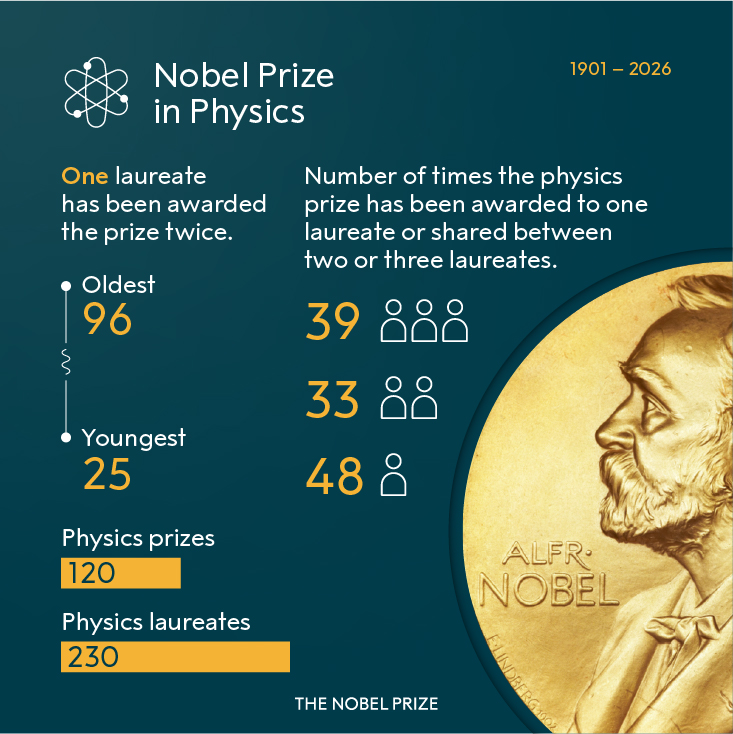
Today the Nobel Prize in Physics was awarded to a single individual – Francis Halzen – for the 48th time. Not since 1992 was the physics prize unshared by multiple laureates.
Discover more statistics about the physics prize: https://t.co/33EPh5XzGo
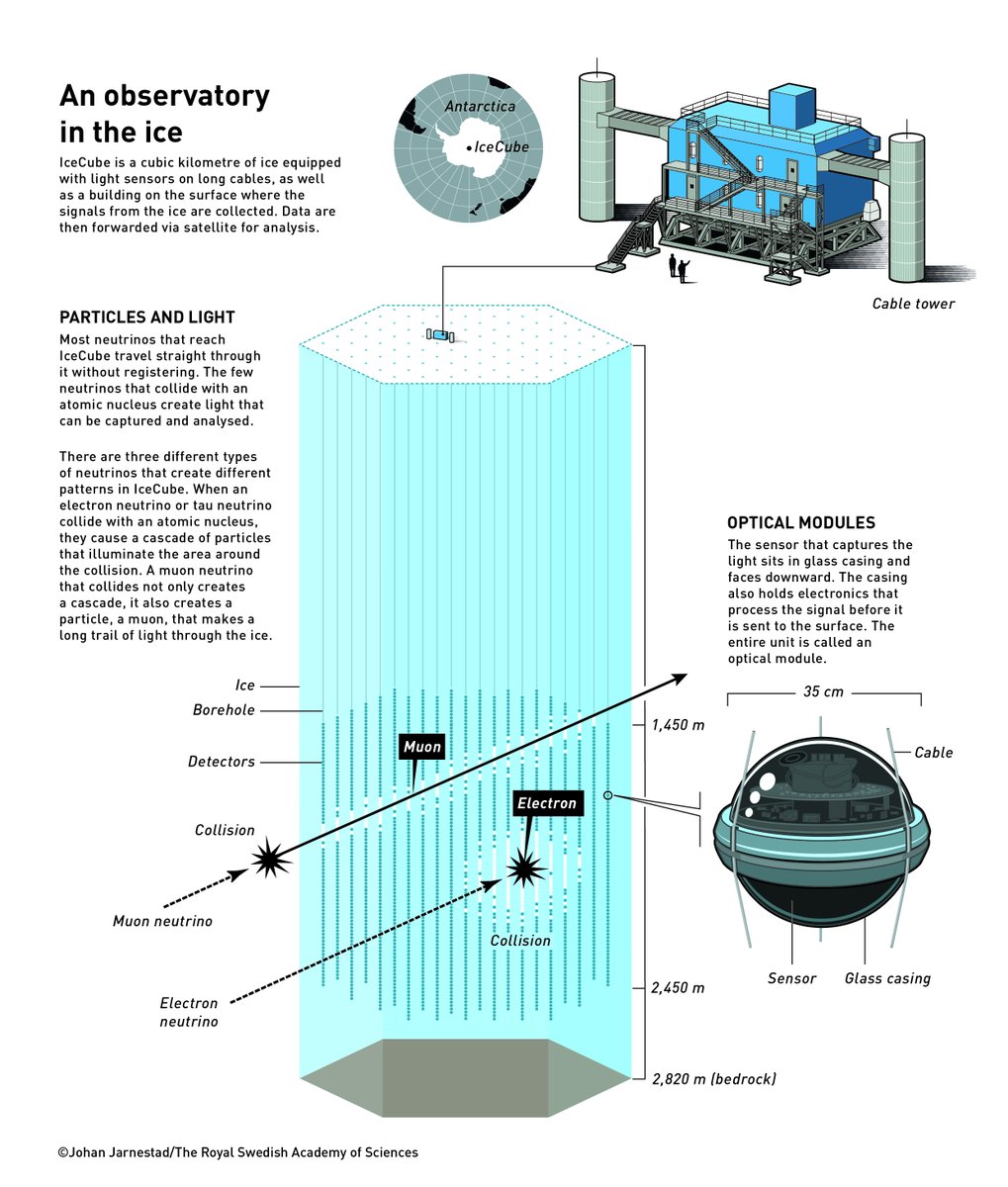
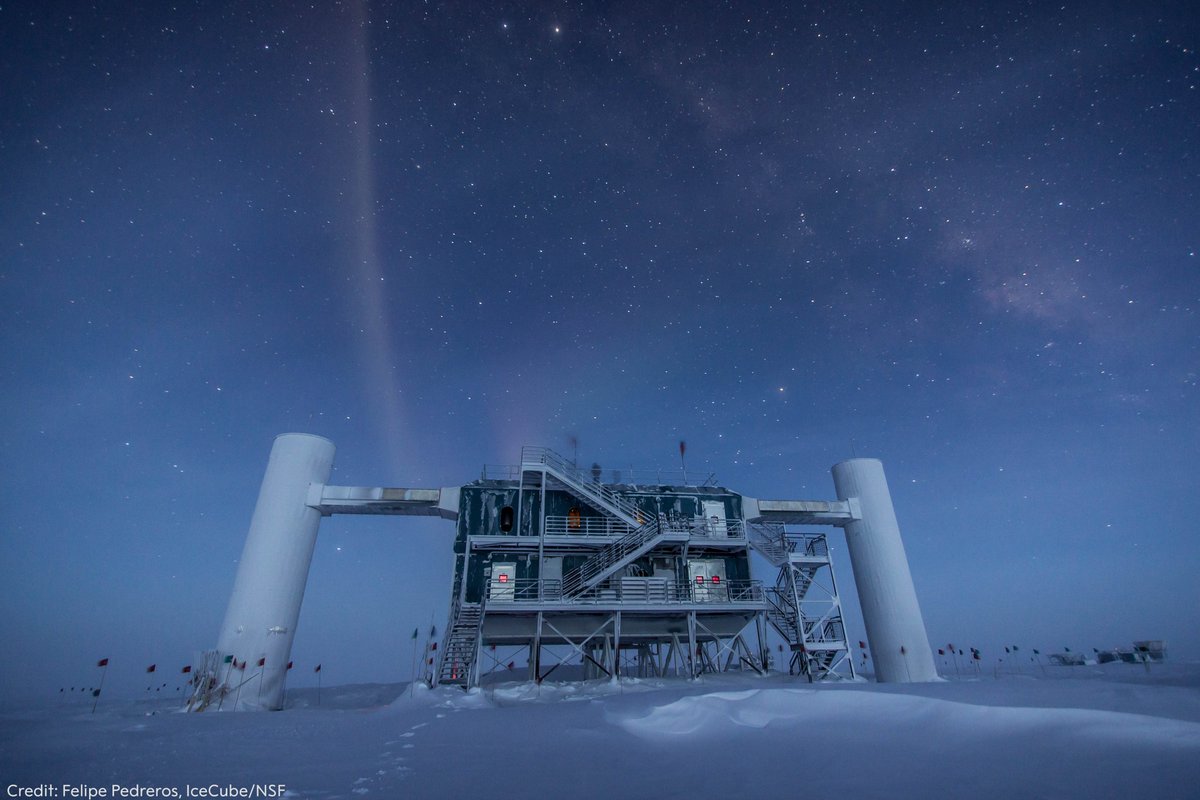
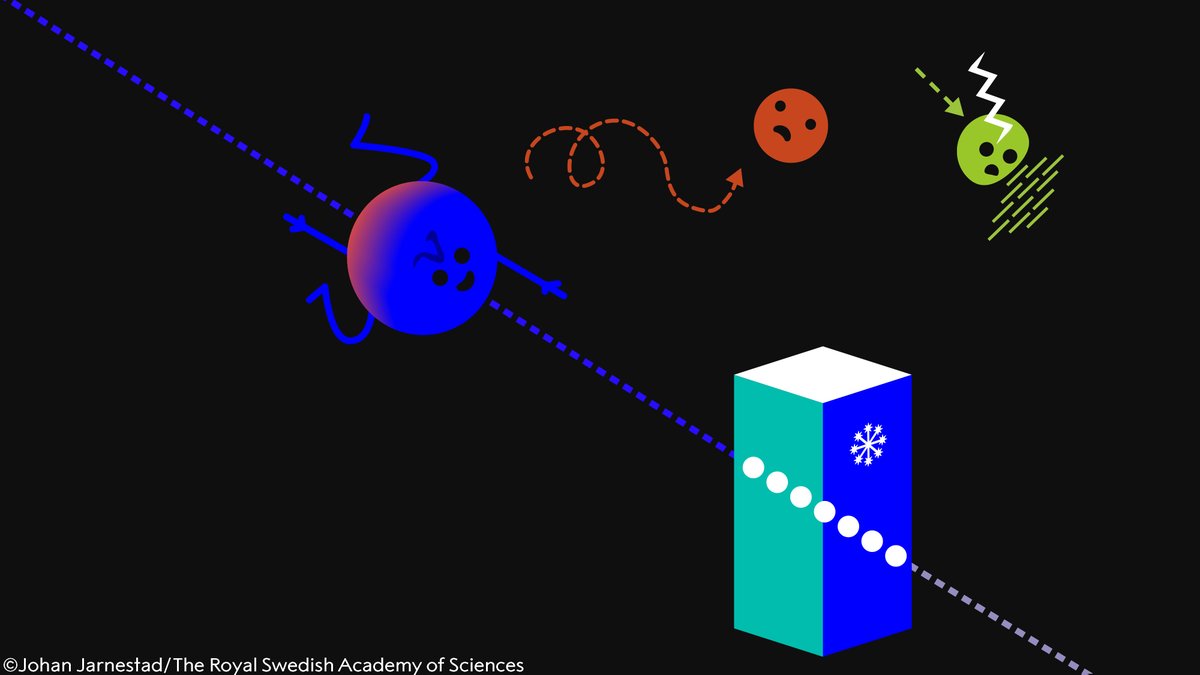
Cosmic neutrinos with extremely high energies are very rare, so an enormous volume of ice is needed to observe an adequate number of collisions. The IceCube Neutrino Observatory covers an entire cubic kilometre and was finished in 2011. Researchers soon discovered the first high-energy neutrinos and, a few years later, could publish their discovery of neutrinos that must originate far outside our solar system. The search for the universe’s neutrino sources could begin in earnest.
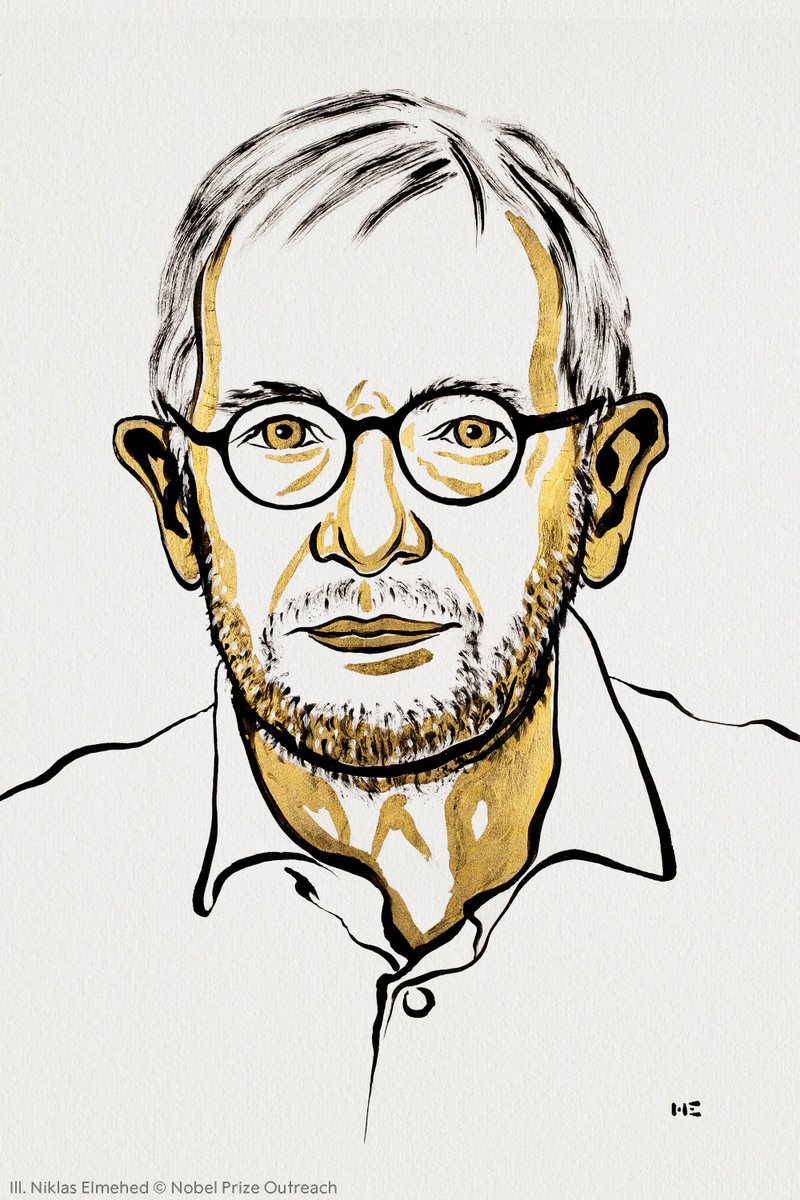
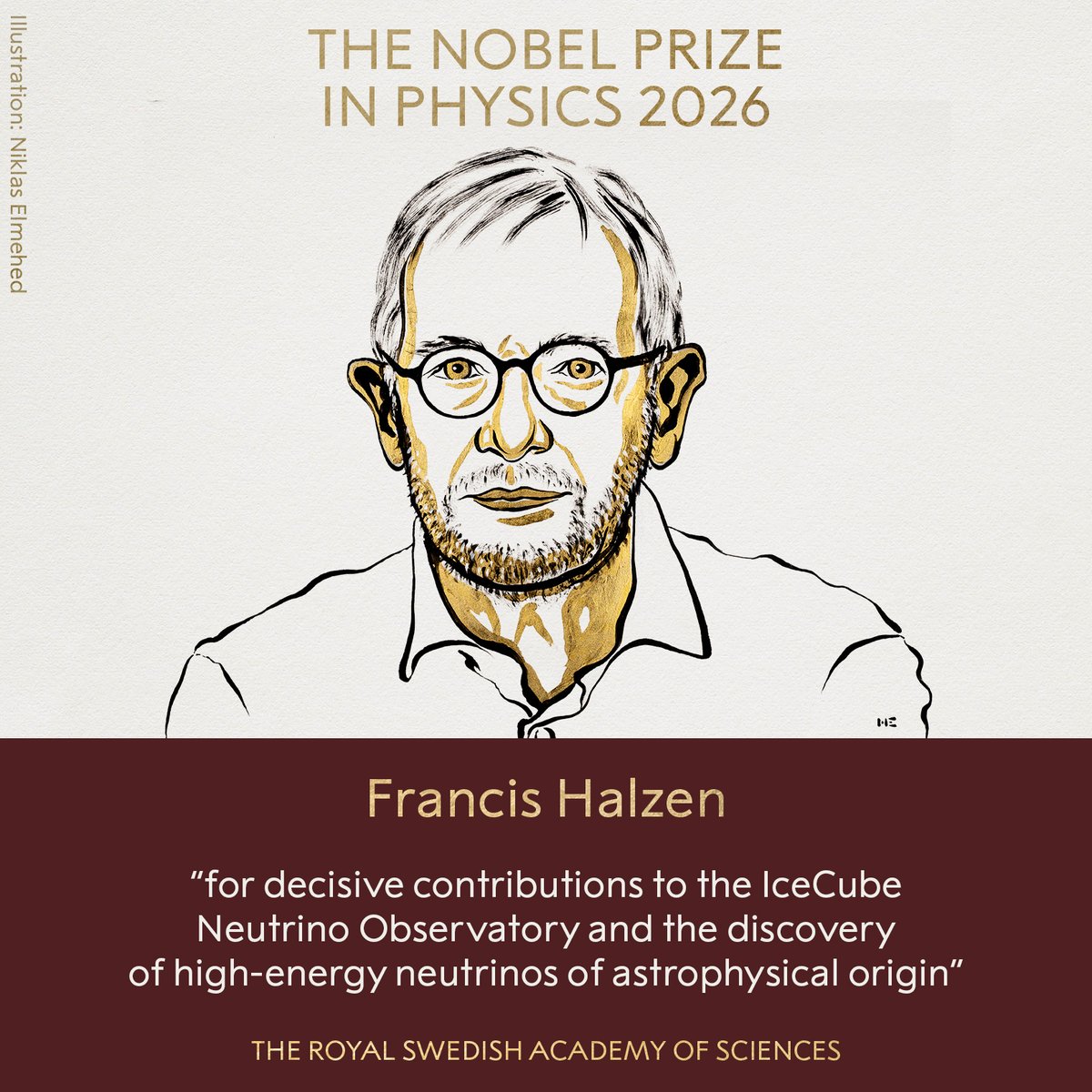
Francis Halzen has received the 2026 #NobelPrize in Physics for his decisive contributions to the IceCube Neutrino Observatory and the discovery of high-energy neutrinos of astrophysical origin.
”I hope this reflects on the really courageous people who joined me in the beginning of this project when no respectable conservative physicists would have joined me, but many talented people did, and that’s why I’m here.”
- Speaking at today's prize announcement, Francis Halzen says the most rewarding part of being awarded the 2026 #NobelPrize in Physics is recognising the people who have worked alongside him.
The IceCube Neutrino Observatory – ideated by this year’s physics laureate Francis Halzen – tracks neutrinos that originate in the distant cosmos.
The neutrino interactions that are continuously collected by IceCube will provide researchers with novel knowledge about the violent settings in which high-energy neutrinos can be created – and could even reveal previously unknown cosmic phenomena.
#NobelPrize
2026 physics laureate Francis Halzen realised that ice at the South Pole could be used to track particles known as neutrinos. His vision and scientific leadership have been fundamental for the IceCube Neutrino Observatory – a cubic kilometre of ice that is equipped with light sensors. Using IceCube, researchers can capture neutrinos from extremely energy-rich processes in the distant universe.
#NobelPrize
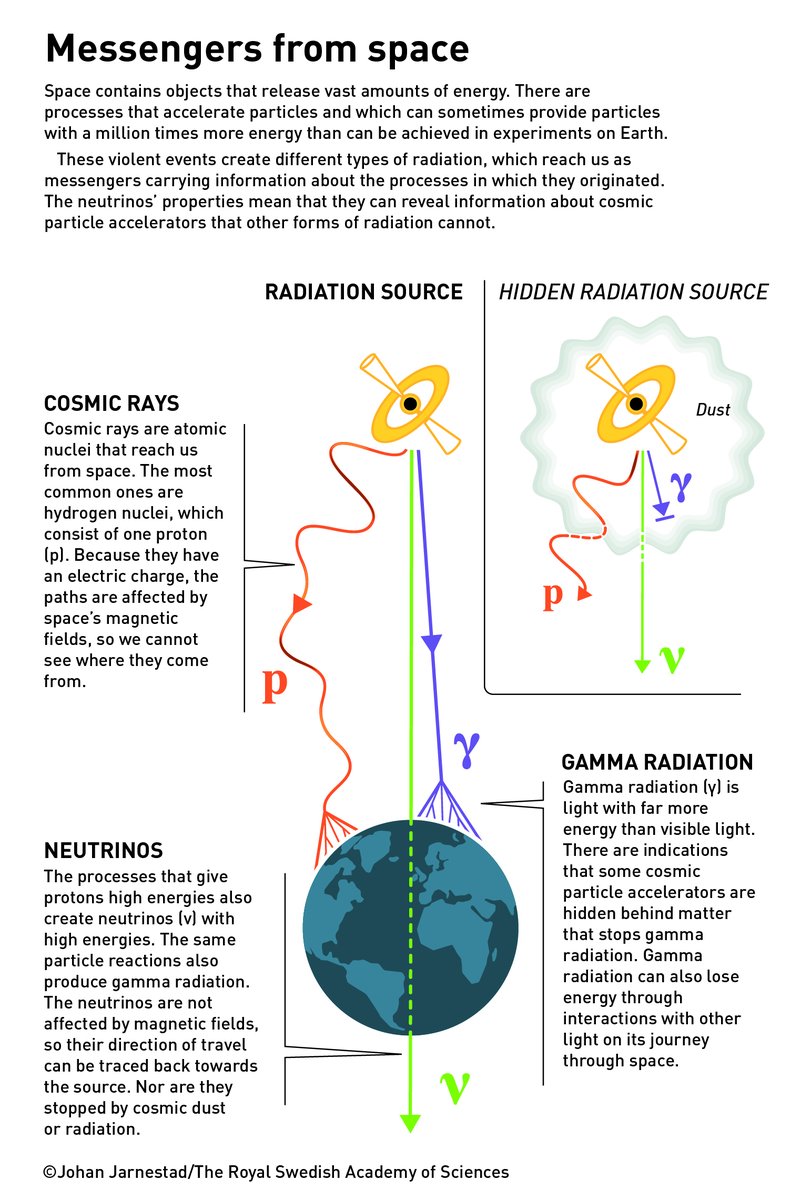
Scientists have long known that the cosmos contains natural particle accelerators, which fire out particles with energies up a million times more than can be achieved in laboratories on Earth. Much about these sources is mysterious: what are they, where are they, and what are the main processes inside them?
Neutrinos with extremely high energies are created in the same environments as other types of particles. However, unlike other particles, neutrinos reach us without changing direction or losing energy. This means they can provide information that is not available in any other way.
Newly awarded physics laureate Francis Halzen first presented his vision for capturing neutrinos at the South Pole in 1988. When a neutrino collides with an atomic nucleus, it produces a flash of light that can be tracked by sensors in the clear glacial ice. The South Pole’s ice has many advantages, as it is free from various types of interference and the area is geologically stable, with no earthquakes. Halzen and his idea soon gained the support of other researchers and, just a few years later, preliminary testing was conducted on sensors in ice.
#NobelPrize
BREAKING NEWS
The Royal Swedish Academy of Sciences has decided to award the 2026 #NobelPrize in Physics to Francis Halzen “for decisive contributions to the IceCube Neutrino Observatory and the discovery of high-energy neutrinos of astrophysical origin.”
BREAKING NEWS
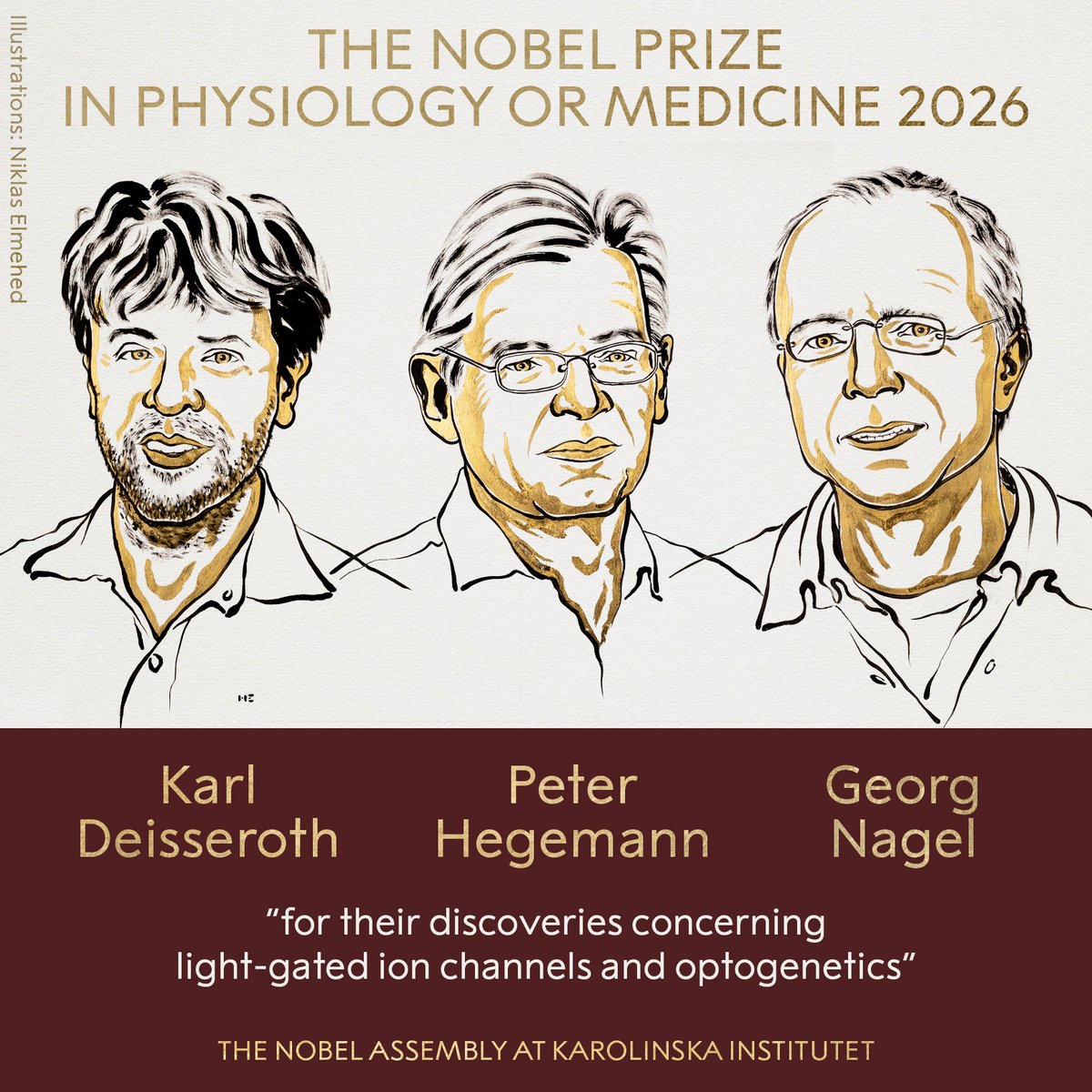
The 2026 #NobelPrize in Physiology or Medicine has been awarded to Karl Deisseroth, Peter Hegemann and Georg Nagel “for their discoveries concerning light-gated ion channels and optogenetics.”
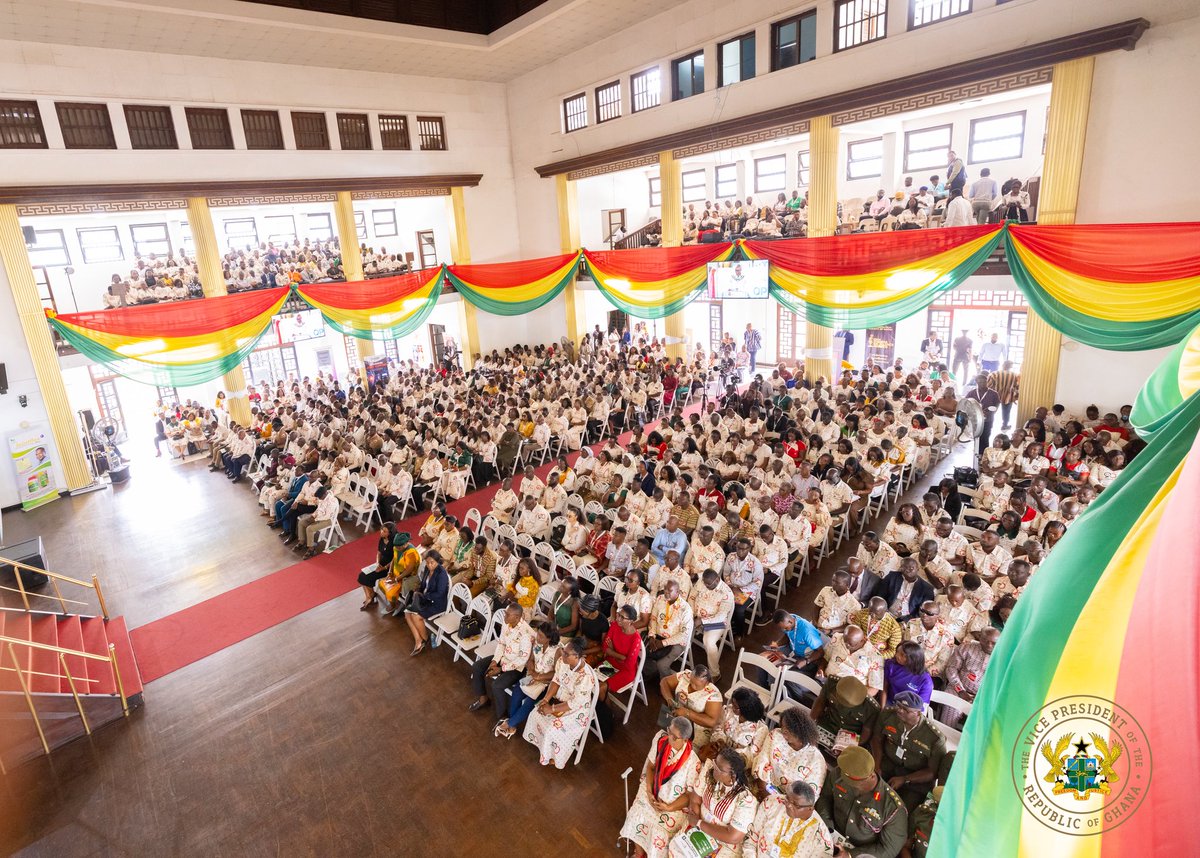
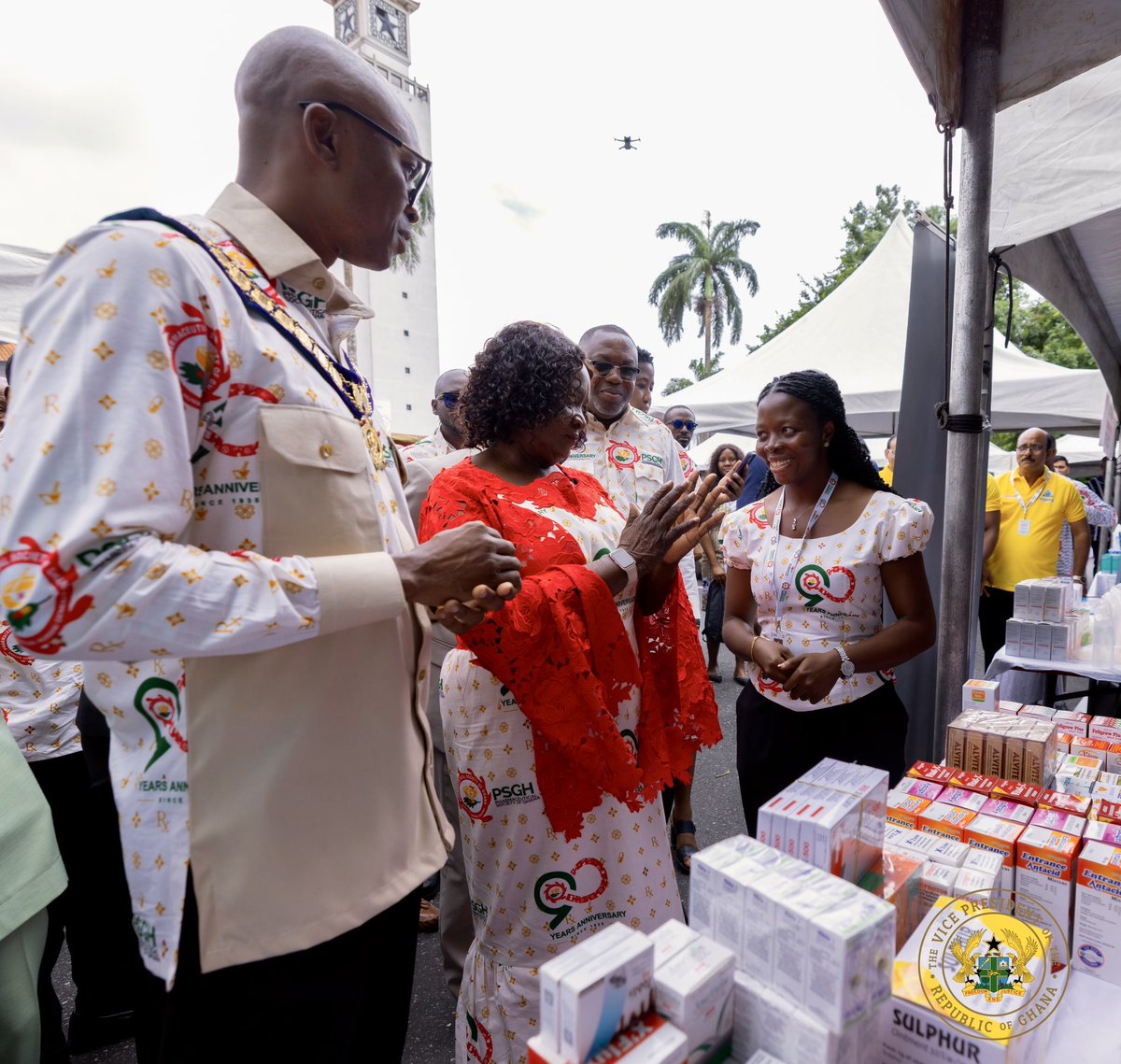
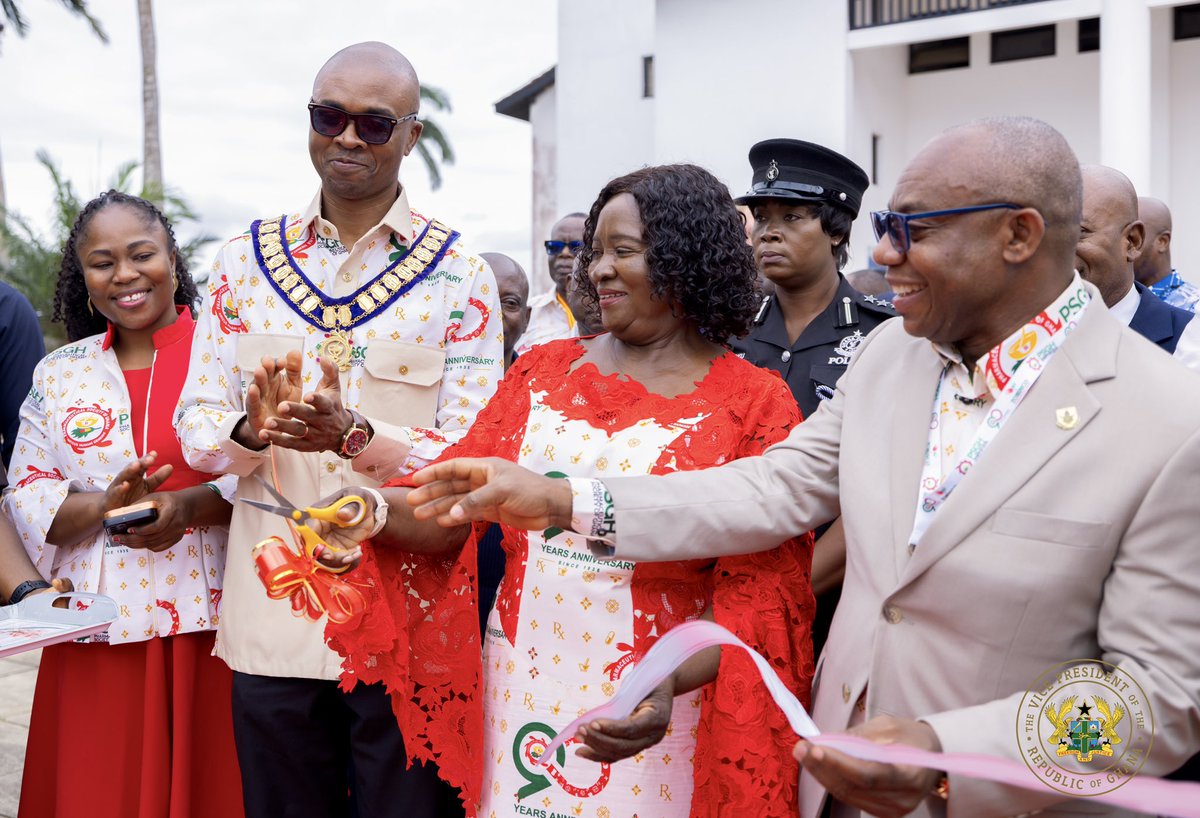
I joined the Pharmaceutical Society of Ghana for the opening of its 90th anniversary and Annual General Meeting, under the theme “Science. Impact. Legacy: 90 Years of Pharmaceutical Excellence.”
For many Ghanaians, pharmacists are among the most visible and accessible health professionals, and they have an important role to play as we strengthen healthcare delivery. As initiatives such as Free Primary Healthcare and the Ghana Medical Trust Fund (MahamaCares) expand care, the competence, integrity, and professional standards of our healthcare workforce remain essential.
Government is also working to increase local pharmaceutical manufacturing to 70% over the next five years. This presents significant opportunities for jobs, research, innovation and economic growth, while reducing our dependence on imported medicines. As we expand production, quality must remain paramount. Medicines made in Ghana must meet rigorous standards and compete confidently beyond our borders.
Ninety years is a remarkable milestone. I congratulate the Pharmaceutical Society of Ghana and look forward to the profession playing an even greater role in building a stronger, more innovative and increasingly self-reliant healthcare system.