While investigating various account takeovers in M365, we found a simple yet powerful hunting logic that consistently surfaces suspicious activity: Look for successful logins to the OfficeHome application from non-browser user agents.
An example of a tool used by attackers to automate logins to OfficeHome is Axios — a popular JavaScript HTTP client. Sample queries based on Azure Signs and M365 Unified Audit Logs are in the comments.
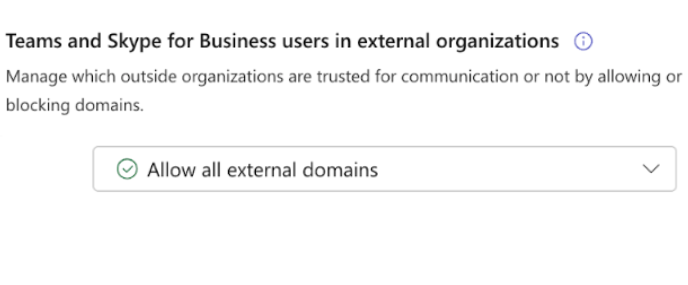
External communications are the primary threat in Microsoft Teams.
The fact that this capability is enabled by default in M365 tenants makes it particularly attractive for attackers.
More details in our latest blog: https://t.co/wbFr91wyBc
#ThreatHunting#MicrosoftTeams
Threat hunting tip 🔥
Look for ChatCreated events in M365 logs where the sender domain is external + rarely seen.
This pattern often signals fake IT/Helpdesk phishing in Teams.
We share detection logic in our latest blog https://t.co/2Vp12FaIre
#ThreatHunting#MicrosoftTeams
🚨 Major Chrome Extension Threat Campaign 🚨
The new year kicks off with a significant cybersecurity threat that demands attention.
@hunters_ai Team AXON is now actively researching this threat, that was initially appeared as a single incident involving Cyberhaven's compromised browser extension and has now revealed itself as part of a much larger, coordinated campaign.
💡 What we know so far:
- There are indications that this campaign has been active for at least 7 months, targeting a variety of Chrome extensions and apps.
- December 2024 saw a notable spike in compromised Chrome extensions, marking the height of this activity.
- Affected extensions include malicious mechanisms to exfiltrate user cookies, posing a severe risk to both users and organizational services.
📌 Indicators of Compromise (IOCs):
Domains:
"bookmarkfc[.]info",
"vpncity[.]live",
"castorus[.]info",
"parrottalks[.]info",
"primusext[.]pro",
"censortracker[.]pro",
"uvoice[.]live",
"iobit[.]pro",
"moonsift[.]store",
"yujaverity[.]info",
"wayinai[.]live",
"readermodeext[.]info",
"policyextension[.]info",
"yescaptcha[.]pro",
"internxtvpn[.]pro",
"wakelet[.]ink",
"linewizeconnect[.]com",
"bardaiforchrome[.]live",
"blockadsonyt[.]vip",
"chataiassistant[.]pro",
"chatgptextension[.]site",
"chatgptextent[.]pro",
"cyberhavenext[.]pro",
"dearflip[.]pro",
"geminiaigg[.]pro",
"goodenhancerblocker[.]site",
"gpt4summary[.]ink",
"linewizeconnect[.]com",
"locallyext[.]ink",
"proxyswitchyomega[.]pro",
"savegptforyou[.]live",
"savgptforchrome[.]pro",
"searchcopilot[.]co",
"tinamind[.]info",
"tkv2[.]pro",
"videodownloadhelper[.]pro",
"vidnozflex[.]live",
"youtubeadsblocker[.]live",
"checkpolicy[.]site",
"extensionbuysell[.]com",
"extensionpolicy[.]net",
"extensionpolicyprivacy[.]com",
"linewizeconnect[.]com"
IPs:
"149.28.124[.]84"
"149.248.2[.]160"
SHA256 Hashes:
"a8d3027be48f61ae6174d067e59e89b7ec47ae19420470248733d8c4b75fda52",
"91ff6f07b3f2347da00b5ec9907d0b7753cca9c442cc9c0692c1c6aba1b90318",
"b53007dc2404dc3a4651db2756c773aa8e48c23755eba749f1641542ae796398",
"0e05fa617531e9c49b9e377b6715c21c909a8dd998cdd68fad09fc463f1dd2ba"
SHA1 Hashes:
"AC5CC8BCC05AC27A8F189134C2E3300863B317FB",
"0B871BDEE9D8302A48D6D6511228CAF67A08EC60",
🛡 Hunting Recommendations:
If you identify any additional suspicious IPs, we recommend conducting a reverse IP lookup. Leveraging reverse IP lookups and their historical data has proven invaluable in identifying many compromised domains linked to the C2 IP addresses associated with the relevant threat actor.
If you identify any additional indicators or TTPs, feel free to share them in the comments below.
Links the valuable resources can be found in the comments section below.
#AXON #THREATHUNTING #DFIR #CYBERSECURITY #CYBERHAVEN #CHROME #HUNTERS
@team__axon
🚨 New Blog Alert! 🚨
Excited to share my first research blog on the LummApp infostealer campaign! 🎉 Dive into how malicious browser extensions are used to steal credentials and evade detection.
Read more 👉 https://t.co/XDZPAdY8je
#CyberSecurity#Infostealer#ThreatIntel
2 /2
LaunchAgents on macOS are files that define user-specific services and processes that automatically start when a user login, which are often used by attackers for persistence. Make sure your EDR audits the activity to avoid blind spots 🛡️🔎