✨ 2nd PhD paper! ✨
We explore how preoperative factors shape long-term memory outcomes, and the architecture of the successful memory network 10 years after epilepsy surgery.
Curious? See 👇
#Epilepsy#Memory
Interested in neuroimaging/neurophysiology? We are hiring!
https://t.co/mmwQprQlOH
https://t.co/lB7WYcavhc
Informal enquiries welcome. We are at the #OHBM2024 meeting :)
Very happy to finally share the second paper from my PhD, published in Magnetic Resonance in Medicine! We debut ssVERDICT - a self-supervised deep learning method to fit the VERDICT model for prostate 🩻🔬 look forward to hearing your thoughts!
https://t.co/D5cWT9PyIo
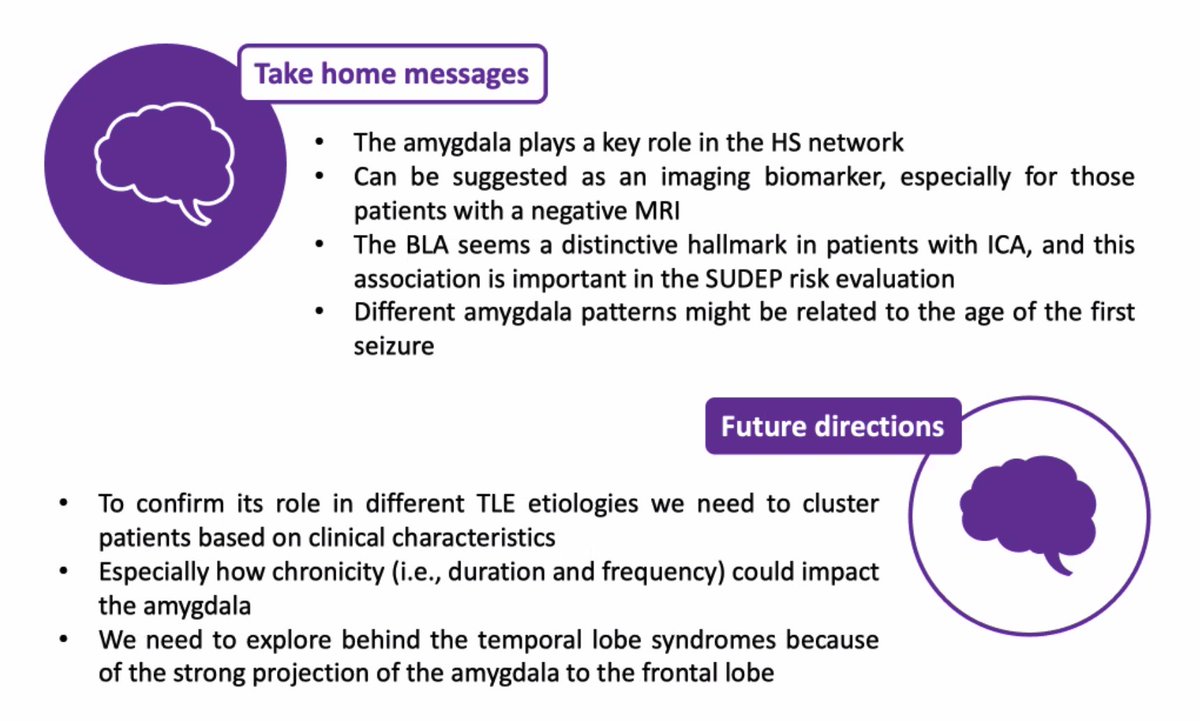
✨HIGHLIGHT✨Routine MRI scans can now be used to segment the amygdala in FreeSurfer, this could have implications for detecting MRI-negative patients which seem to have opposite patterns compared to hippocampal sclerosis patients – Dr. Alice Ballerini: https://t.co/NuW3ys44LD
Huge congrats to my incredibly talented colleague and friend on a well-deserved grant! 🎉 Excited to see how this research could revolutionize epilepsy surgery! 🧠 #Epilepsy
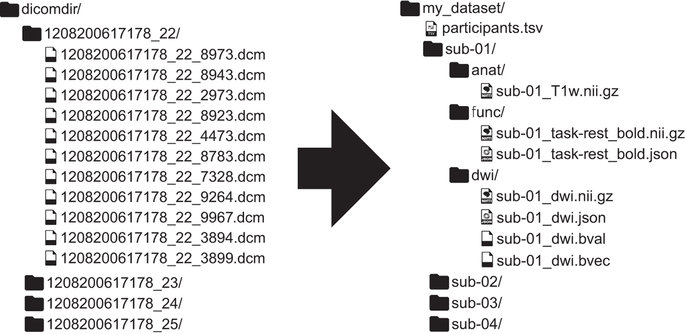
Data organisation while not the most appealing aspect of research is one of the most critical. With organised, clean data structure it is easier to automate tasks and use neuroimaging tools… but how? (1/4)
Welcome to the official X of Neuroimaging Epilepsy Worldwide!! This page will highlight neuroimaging Epilepsy research and connect epilepsy researchers worldwide.
Follow us to keep up to date with the latest trends and opportunities!
@GiampiccoloD The authors of this paper include Remika Mito, @MangorPedersen, @heathPardoe @Lestropie@ingridscheffer from @NIFAus. It's worth highlighting the @MRtrix3 team as well for their fantastic software and tutorials! See you next Wednesday for the next paper 👀 (7/7)
This week, I’d like to highlight a paper by a very talented friend and current collaborator Remika Mito whose ✨ latest paper ✨ investigates individual fixel-based white matter abnormalities in epilepsy… (1/7)
@GiampiccoloD This paper demonstrates the feasibility of applying this technique in epilepsy, showcasing its great potential. The results indicate that fixel-based abnormalities align with epilepsy syndromes or spatially correspond to structural abnormalities. (6/7)