Fnality has commenced our initial phase of Sterling payment operations in a world-first for both wholesale finance and digital asset markets. We are proud of what has been achieved with initial participants @LloydsBank, @bancosantander, @UBS
https://t.co/6kxLeQFz7i
**BREAKING NEWS**
@Fnality the wholesale payment system backed by 20 institutions has launched
@bancosantander@UBS@LloydsBank are first users
Payments with on chain cash backed by a central bank account
https://t.co/I4WUsrzYJY
The Bank of #Italy and the Bank of #Korea have signed a memorandum of understanding (MOU) focused on exchanging expertise in technologies supporting Real-Time Gross Settlement (#RTGS) systems and central bank digital currencies (#CBDCs) 👉 https://t.co/F80YUXhHNl
#Kazakhstan has officially launched its central bank digital currency (#CBDC), the digital tenge, marking a significant step in the country’s financial technology evolution 👉 https://t.co/VNpfyEN6Vh
If you missed yesterday's @Hyperledger webinar on Atomic Cross-Ledger transactions featuring R3's Dominic Fox, the replay is now available: https://t.co/D25xVBsAi3
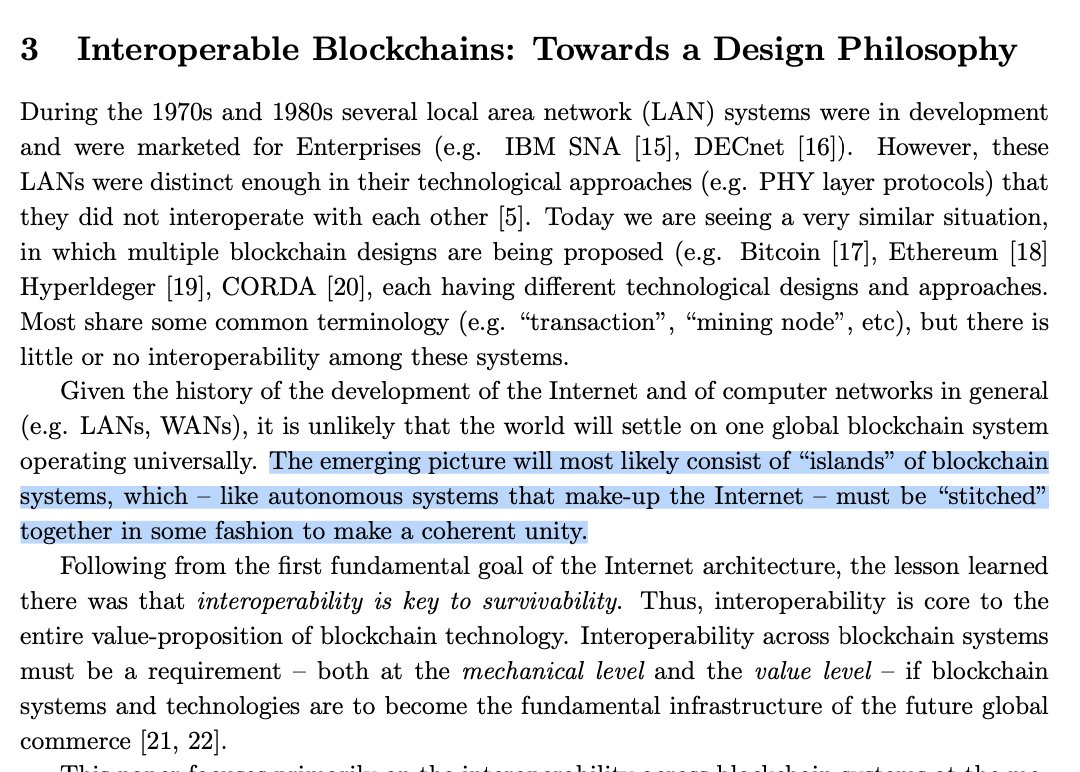
Those Who Do Not Learn History Are Doomed To Repeat It.
The internet of DLTs requires N-N interoperability.
Blockchain gateways connect distinct and incompatible networks. #SATP
https://t.co/tux6Ixlres
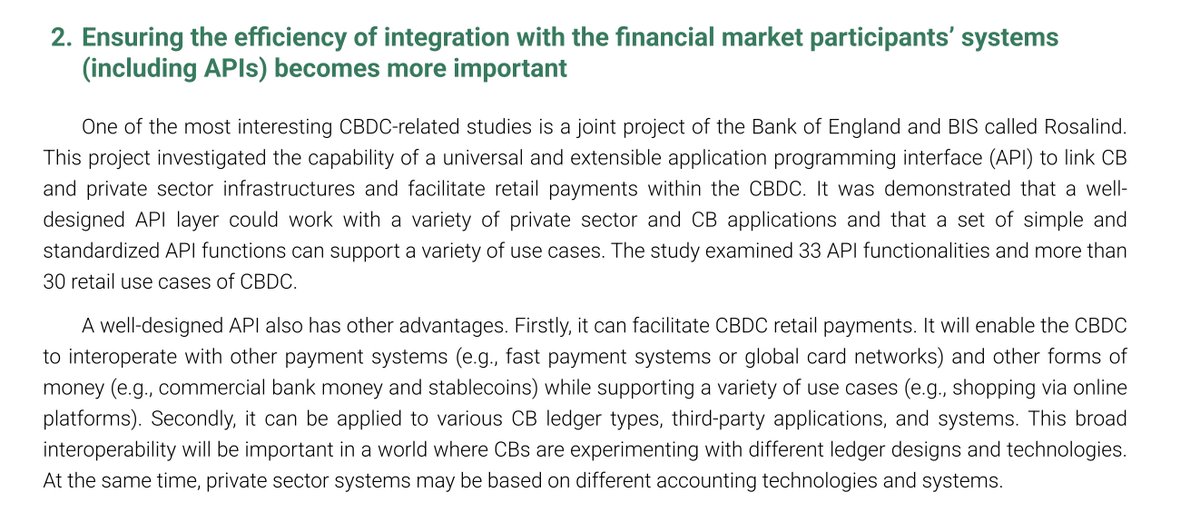
Both need a mechanism to connect the underlying transactions into the layer above.
Cacti uses Validators.
Overledger uses TrustTag, linking the messages on the DLTs themselves without overhead.
Cacti, the open source enterprise blockchain interoperability framework of @Hyperledger, uses a federation of validating nodes to provide a robust security guarantee.
Note: (Cactus and Weaver merged into Cacti)
$QNT #SATP
Both Hyperledger and Quant add a multi-chain messaging layer.
Such an abstraction layer, which is often located between the consensus and application layer, can be an entry point between multiple blockchains working with a single multi-DApp.