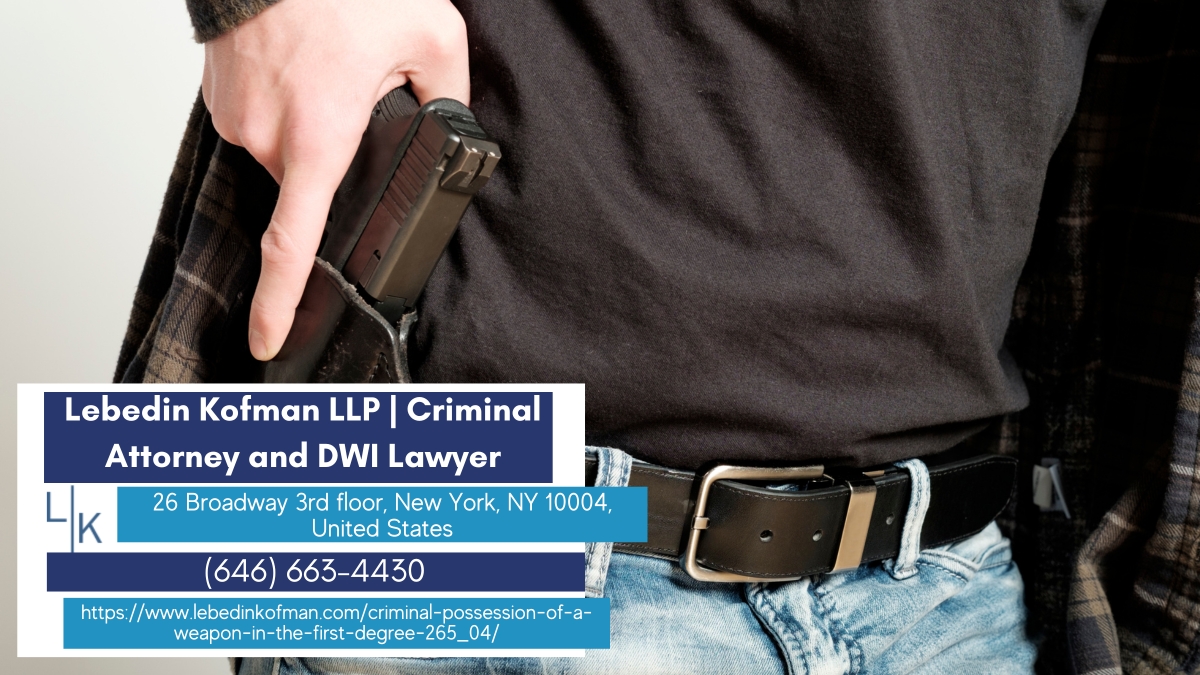
A conviction can profoundly impact one’s personal and professional life. New York Penal Law § 265.04, Criminal Possession of a Weapon in the First Degree is classified as a class B violent felony.
https://t.co/BdmaFm58gh
Criminal possession of a weapon in the second degree is classified as a class C felony in New York. The exact penalties can vary based on factors such as the defendant's criminal history, the nature of the weapon, and the context of the possession.
https://t.co/IyjXfuYIgK
DWI refers to operating a motor vehicle with a Blood Alcohol Content (BAC) of 0.08% or higher, or exhibiting other evidence of intoxication. This offense indicates a significant level of impairment.
https://t.co/TJ5TnQLe9Y
When a driver is stopped by law enforcement, the initial observations made by the officer can lead to an arrest for suspected drug impairment. However, these observations alone are often not enough to secure a conviction in court.
https://t.co/FNm2Z4ncHR
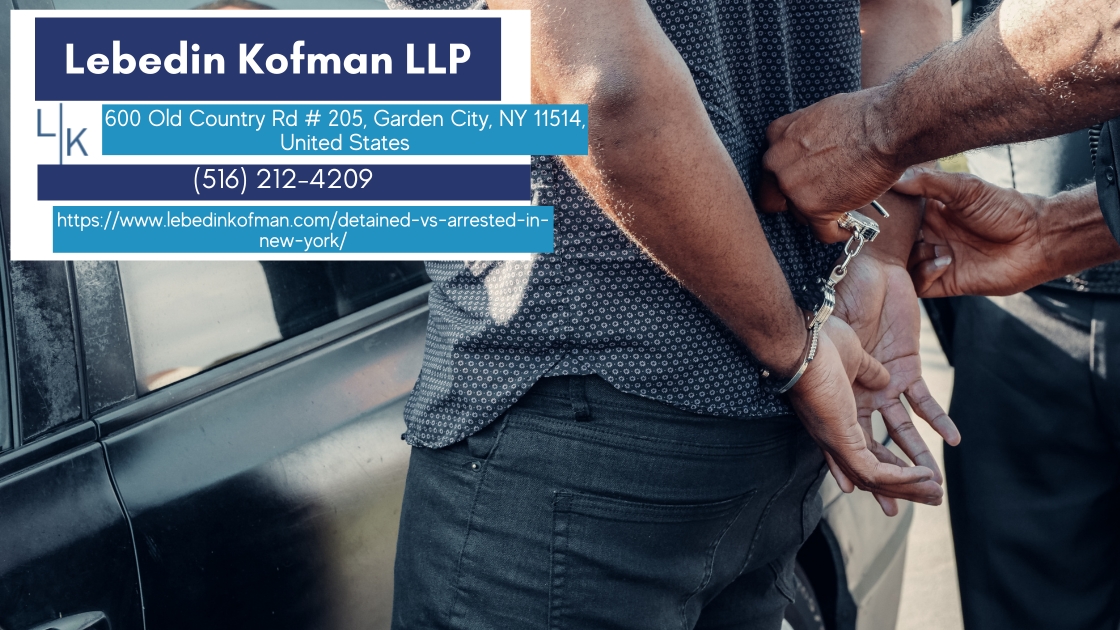
Understanding the difference between being detained and being arrested is essential when facing legal issues in New York. While both situations involve restrictions on your freedom, there are distinct legal implications and procedures associated with each.
https://t.co/9jWnaZ7OZY
New York Penal Law § 263.05 �� Use of a Child in a Sexual Performance addresses the use of a child in a sexual performance. This is a critical statute designed to protect minors from exploitation in sexually explicit acts.
https://t.co/zSQn9ajfgV
New York Penal Law § 263.30(1)(a) addresses the serious offense of facilitating a sexual performance by a child through the use of controlled substances. This statute aims to protect minors from exploitation and abuse involving drugs.
https://t.co/eZww9Gk0jx