Bini crashed early but showed unyielding courage — fighting his way back to the peloton and sprinting to 4th at the intermediate sprint for 14 crucial points on Stage 2 of Tour Du France 2026.
The defending green jersey champion is already signaling he's ready to battle for it again on the flat stages ahead.
Resilience like this is why Bini is a fan favorite. 🇪🇷
Contribution Towards Augmenting National Martyrs Trust Fund
Eritrean nationals residing in various countries have extended monetary support towards augmenting the National Martyrs Trust Fund and in support of families of martyrs.
Accordingly, nationals in Sudan contributed 5 thousand 500 US Dollars; members of the “Martyrs Trust” association in Cincinnati, US, contributed 5 thousand Dollars; and Eritrean communities in the Swedish cities of Borlange and its environs, Falun Rattvik, Almhult and its environs, and Hassleholm contributed a total of 65 thousand 828 Nakfa towards augmenting the National Martyrs Trust Fund.
Similarly, members of the ‘Eri-Association’ in southwest Stockholm contributed 212 thousand 865 Nakfa; Ms. Tsigeweini Tesfazgi, resident in Nuremburg, Germany, contributed 700 Euros; Mr. Kidane Gebremedhin and Ms. Ametetsion Gebrehiwet contributed 400 Dollars; and the Eritrean community in Rogaland, Norway, and Halay Secondary School contributed 36 thousand 060 Nakfa in support of families of martyrs.
Profile Q & A - “My Dream is Making Eritrea Africa’s Pharmaceutical Hub:” Pharmacist Nuru Abdu; by Kidane Shimendi
The innovative mindset and dedication to the nation of these trail-blazing youth is indeed peerless
*"...To date, I have published 17 research articles in top-ranked international peer-reviewed journals, including those published by PLOS, Springer, BMJ, and Dove Medical Press. Additionally, I serve as a reviewer for more than 20 international peer-reviewed journals and as an academic editor for prestigious journals such as PLOS ONE and Therapeutic Advances in Drug Safety".
*"...During the conference, I received two inaugural honors initiated by ERIPA to recognize scientific excellence. The first was the Best Young Researcher Award, which highlights research productivity and future potential among early-career scientists aged 30 or younger. The second was the Best Conference Presenter Award, which evaluated the scientific quality and clinical rigor of the paper, alongside presentation delivery, audience engagement, and clarity of responses during the Q&A session. This presentation award was specifically for my study titled, 'Safety, Pattern, and Determinants of Prescribed Medicines Among Pregnant Women Attending Healthcare Facilities in Eritrea'. Together, these honors serve as welcome validation and strong motivation to continue contributing to local pharmaceutical research.
https://t.co/DQBWN55hGW
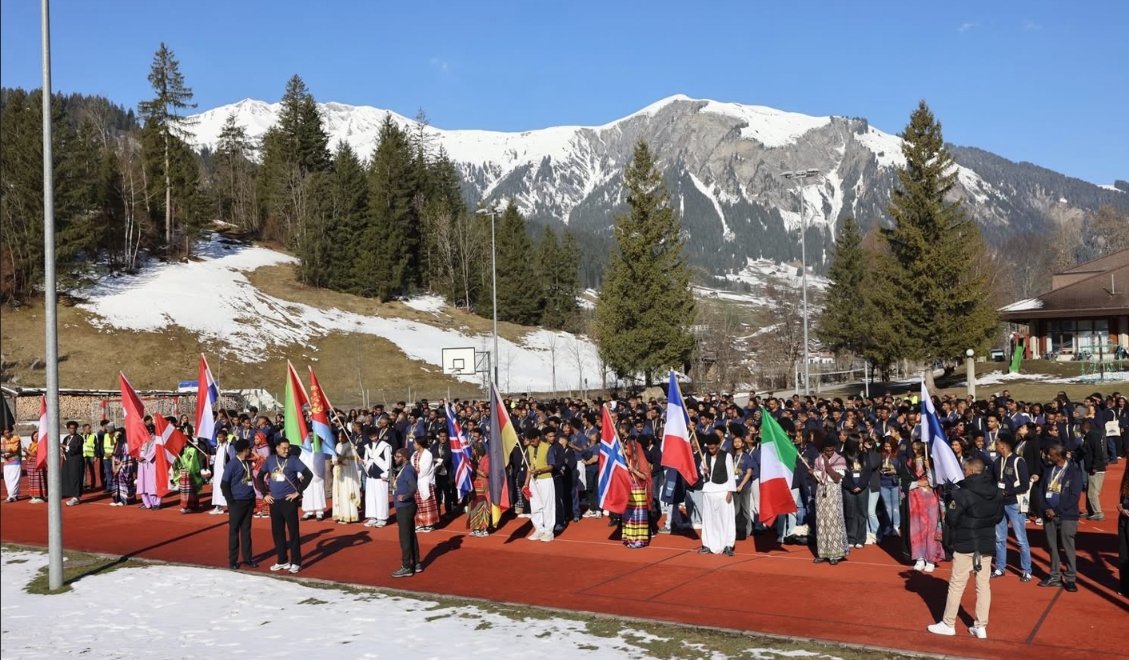
20th Conference of YPFDJ Organization in Europe
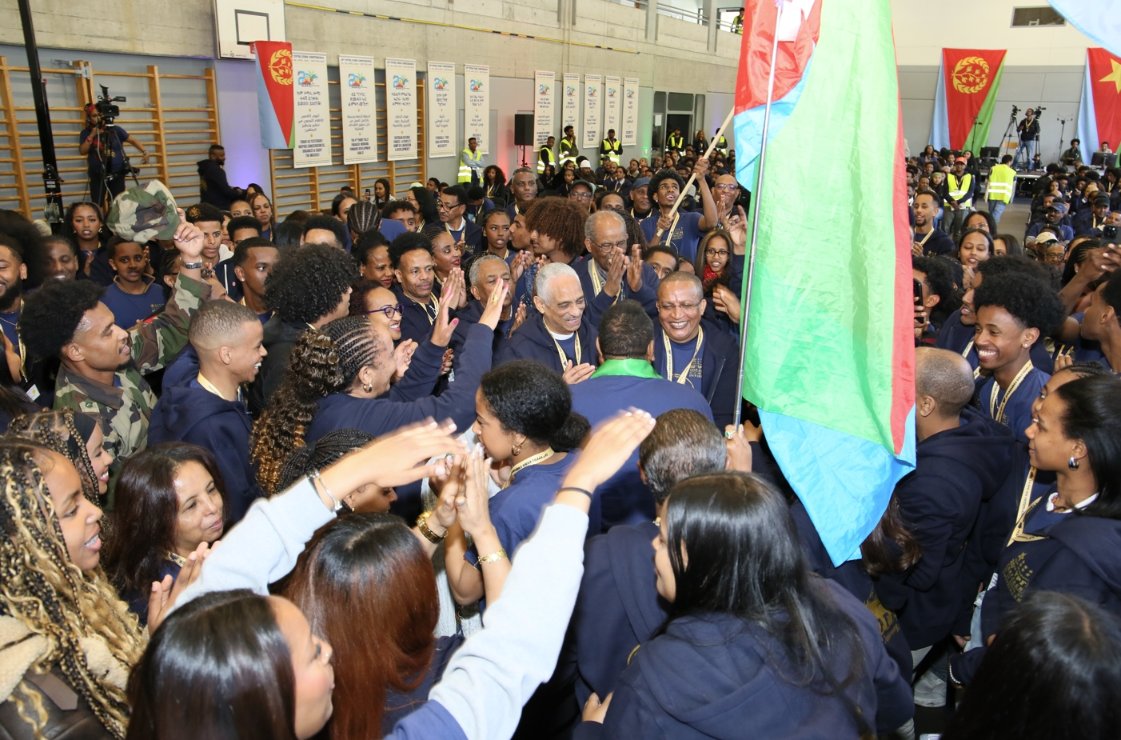
The YPFDJ organization in Europe is conducting its 20th conference in Switzerland under the theme, “20 Years Journey for Nurturing Conscious, Committed, and Capable Youth.” The conference is being attended by members from 10 European countries.
Speaking at the opening event on 3 April, Mr. Fesehatsion Petros, Eritrea’s Ambassador to Italy and coordinator of Eritrean Embassies in Europe, said that the YPFDJ has played a significant role in foiling external conspiracies against the country through strengthening organizational capacity and participation in national affairs.
Underlining that the history of Eritrea is the history of the youth, Ambassador Fesehatsion called on the youth to equip themselves with the necessary skills and education, enhance their awareness, and strengthen their organization so that they inherit the history and values of their society.
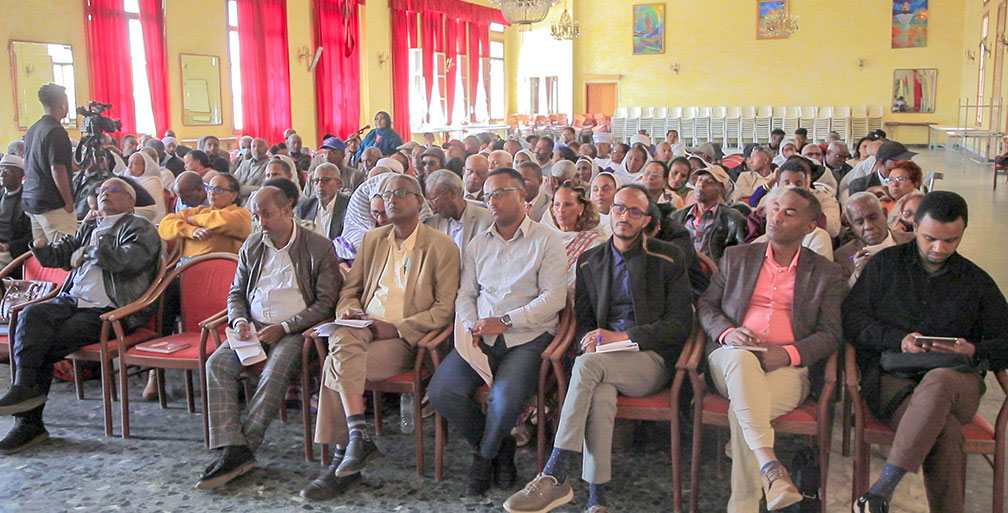
Mr. Habtom Zeray, Charge d’Affaires at the Eritrean Embassy in Switzerland and Eritrea’s Permanent Representative to the UN Human Rights Council, noting that youth who are proud of the culture and values of their society are the product of that society, expressed the significance of such a conference in nurturing competent youth who adhere to noble societal values and strengthen participation in national affairs. He also called for the active participation of national associations in supporting the activities of the YPFDJ organization in all its endeavours.
Noting that the conference has significant contribution in transferring noble societal values to the young generation and enabling them to share experiences with one another, Mr. Ismail Mohammed-Nur, head of Public and Community Affairs in Switzerland, commended those who contributed to the successful implementation of the conference.
Mr. Michael Haile, chairman of the YPFDJ, on his part, gave an extensive briefing on the 20-year journey of the organization and expressed readiness to strengthen participation in national affairs by reinforcing organizational capacity and unity.
At the event, Ambassador Fesehatsion conducted a seminar focusing on the objective situation in the homeland as well as global and regional developments.
The National Union of Eritrean Women Europe branch also delivered a message of solidarity.
At the conference, over 600 youth representatives of the YPFDJ from Switzerland, Germany, the Netherlands, the UK, France, Norway, Italy, Sweden, Finland, and Denmark are participating. #Eritrea
https://t.co/wTH2UlrUFD This song has transcended its revolutionary origins to become a generational compass, evoking deep emotional resonance amid the ongoing realities of nation-building, global inequality, and the enduring pursuit of #Eritrea|n aspirations everywhere. It bridges past sacrifice with present responsibility and future possibility. #YPFDJ #IDEASS #Values #Principles
The Eritrean forward Ali Suleman produced a spectacular acrobatic finish for the Red Sea Camels in the crucial AFCON 2027 qualifier against Eswatini at Somhlolo National Stadium in Lobamba.
Eritrea 2 Eswatini 0
I have received a heartfelt message from Alexander Isak’s dad, Ato Teame Isak, wishing our National Team the best of luck in tomorrow's match against Eswatini! A big thank-you to him for his support. Let’s rally behind our team as they aim for victory in the second leg and gear up for the exciting games ahead! Read the message below
መርሓባ!!! ኣገናዕ ንጀጋኑ ዕውታት ሃገራዊት ጋንታ ኤረና🏆🇪🇷🎉🎊
ዮሃና! ንደቂ!ዛ ሓላል-መሬትን ጽኑዕ ዘይሕለል ህዝብና፡፡ እንቛዕ ናብ'ዚ ናይ ወጋሕታ፡ ጎሕ-ባና-ወጋሕታ ሃገራዊት ጋንታ ኣብቅዓና🇪🇷🍾🥂
እዚ ጅማሮ'ዚ፡ ናብ'ቲ ግቡእ ስፓርታዊ ታሪኽ ደቂ-ኤረ/ኤርትራና/ ንዝነበረ ብሉጽነት ካብ ብሉጻት ጋንታታት ኣፍሪቃ ናብ ቦታኡ ዝመልስ ባብ'ዩ፡፡
ንሚንስትሪ ባህልን ስፕርትን ምስ ኮምሹኑን ንግዱሳት ኤርትራውያን ዲያስፖራን ልዑል ግደ ብምምጓስ፡፡
Community Centered Justice System:
Bringing Justice Closer to the People
By : - Ministry of Justice
#Eritrea is strengthening its Community-Centered Justice System to bring justice closer to the people. Rooted in tradition and elders’ mediation, the system promotes reconciliation, dialogue, and voluntary agreements — especially in family, inheritance, and community disputes.Faster, cost-effective, and relationship-preserving, it complements formal courts while reducing their burden and enhancing social harmony.
Justice for development!
👇
https://t.co/MRDcnF9etV
Voluntary blood donation in Adi-Quala sub-zone
Secondary school students in Adi-Quala sub-zone have voluntarily contributed 543 units of blood with a view to saving lives through their donated blood. The donation was made during a program conducted from 23 to 26 March.
Noting that the program attests to the growing awareness among students of the significance of voluntarily donating blood to save lives, Mr. Hadish Amanauel, director of Adi-Quala High School, called for the expansion of the program to all schools in the sub-zone.
Mr. Mehari Abraham, head of voluntary blood donation at the National Blood Transfusion Service, indicated that voluntary blood donation by students is increasing over time and will make a significant contribution to enriching the blood supply of health facilities. He also called on others to follow the noble initiative.
Expressing satisfaction at voluntarily contributing their blood to save lives, the participants in the program expressed readiness to continue the initiative.
Opening Remarks by Mr. Beyene Russom, Ambassador of Eritrea to Kenya and Dean of ADC
At the Africa Diplomatic Corps Annual Retreat
Naivasha, Kenya | 22–24 March 2026
Convened by UN-Habitat Regional Office for Africa (ROAf)
Your Excellencies,
Ambassadors and High Commissioners of the Africa Diplomatic Corps,
Ms. Anacláudia Rossbach, Executive Director, UN-Habitat,
Your Excellency, (Rtd) General Peter Lavahun, High Commissioner of Siera Leone and Chair of Africa Group
Distinguished Colleagues,
It is an honour to address you as the Dean of the Africa Diplomatic Corps. I welcome you to this strategic retreat and thank UN-Habitat for convening this important gathering.
We meet at a critical juncture for Africa's urban development. Our continent's rapid urbanization demands urgent action on housing, land, and basic services. With over 60% of urban residents in informal settlements, and a housing gap of 51 million units, we must act collectively. The statistics are stark, but they also present an opportunity for us to rethink our approach to urbanization.
Today, I'd like to emphasize the importance of rural-urban linkages. A phrase that we are slowly forgetting. As we focus on urban development, we must not forget the rural areas that feed our cities. By strengthening rural-urban linkages, we can create more balanced growth and reduce the pressure on our major cities.
One key strategy is to create growth poles in rural areas, by investing in infrastructure and services that attract people to settle and build towns. We need to prioritize construction of schools, health clinics, market areas, sports facilities, and good linkage roads and railways. By doing so, we can create hubs of economic activity that benefit both rural and urban areas. Imagine a future where farmers have access to markets, schools, and healthcare in their own communities. Imagine towns and cities emerging around these growth poles, reducing the pressure on our major cities. This is the Africa We Want.
The 2nd Africa Urban Forum (AUF 2) and the 13th World Urban Forum (WUF 13) offer opportunities for Africa to assert its priorities. Let us speak with one voice on issues like informal settlement upgrading, climate-resilient housing, and urban corridors. Let us also emphasize the importance of rural-urban linkages, and the need for inclusive and sustainable urban development.
I urge you to engage in the Regional Implementation Plan for Africa, and support partnerships for bankable urban development projects that improve lives. Let us leverage the expertise of UN-Habitat, the African Development Bank, and other partners to drive our urban development agenda.
As diplomats, we have a critical role in shaping Africa's urban agenda. We must work together with purpose and solidarity, putting aside national interests for the greater good of our continent. Let us demonstrate our commitment to the Africa We Want, and leave no one behind.
Today and tomorrow, we will deliberate on key issues shaping Africa's urban landscape. I encourage you to engage actively, share experiences, and build partnerships. Let us make this retreat a turning point in our collective efforts to address Africa's urban challenges.
In conclusion, I look forward to our deliberations. Let us work together to shape a brighter future for Africa's cities and towns, and our people.
Thank you.
Youth at The Center of Development
By : - Bana Negusse
In the highland sub-zones of Adi-Quala, Mai-Mine, and Emni- Haili, a quiet but powerful story is unfolding—one that reflects the ambition, creativity, and resilience of Eritrea’s youth. From 22 to 24 March, these communities came alive with energy as young people gathered for a series of “Youth Weeks,” blending culture, science, and innovation into a shared celebration of potential.
Beyond being a showcase of talent, the events highlighted a deeper national vision: nurturing a generation that is not only academically and technically capable, but also driven by curiosity and a spirit of innovation. Through competitions, exhibitions, and recognition of outstanding students, the youth were given space to discover their strengths and the encouragement to push them further.
Leaders and organizers emphasized that such initiatives are not one-time celebrations, but part of a broader effort to invest in Eritrea’s future. For the participants themselves, the impact was immediate and personal: motivation to excel, confidence in their abilities, and a renewed commitment to their educational and creative journeys.
As Eritrea continues to look ahead, these Youth Weeks offer a glimpse into what lies at the heart of its progress: a generation eager to learn, to create, and to shape the nation’s path forward.
Today, the world is home to the largest youth population in history, with estimates ranging from 1 to 2 billion. Beyond their sheer numbers, young people are powerful agents of change, shaping social, economic, and cultural development worldwide. Understanding their role is essential to appreciating both global progress and national development trajectories, including Eritrea’s.
When youth actively participate in economic and social life, societies tend to experience stronger cohesion and faster development. Their curiosity and critical thinking enable them to question assumptions, challenge outdated norms, and identify gaps that others may overlook. Combined with creativity and energy, these qualities position young people to generate innovative solutions to complex challenges.
Youth also play a vital role in driving social transformation. Through advocacy, volunteerism, and leadership in community initiatives, they contribute to more inclusive and resilient societies. Research consistently highlights their importance in peacebuilding and reconciliation, particularly in post-conflict settings. This global recognition is reflected in the United Nations’ 2030 Agenda for Sustainable Development, which places strong emphasis on youth empowerment, participation, and well-being. As the Agenda notes, “The future of humanity and our planet lies in the hands of today��s younger generation.”
Within this global context, Eritrea stands out for its clear recognition of youth as its most valuable resource. While the country is endowed with natural wealth, cultural diversity, and a strategic geographic location, its greatest strength lies in its people, especially its young population. Since independence, Eritrea has placed significant emphasis on human capital development, with youth at the centre of national policy.
This commitment is deeply rooted in the country’s foundational principles. Eritrea’s National Charter, adopted in 1994, affirms that the nation’s greatest asset is its human resource. This perspective continues to guide government priorities.
Concrete measures have also been taken to safeguard the rights and well-being of children and young people. Eritrea was among the first countries to ratify the Convention on the Rights of the Child after independence and later acceded to the African Charter on the Rights and Welfare of the Child. At the national level, laws prohibit harmful practices such as child labor, human trafficking, and early marriage, while targeted initiatives address their root causes. Support systems led by the Ministry of Labour and Social Welfare and partner organizations provide critical assistance to vulnerable children and at-risk youth.
Equally important are national organizations that directly empower young people. Groups such as the National Union of Eritrean Youth and Students (NUEYS) and the National Union of Eritrean Women (NUEW) play a vital role in equipping youth with skills, resources, and platforms for participation. They foster civic engagement, promote social cohesion, and help cultivate a strong sense of national identity.
The contributions of Eritrean youth are both historic and ongoing. Long before independence was achieved in 1991, young people were at the forefront of the liberation struggle, demonstrating resilience, sacrifice, and determination under extraordinarily difficult conditions. Their role in securing sovereignty remains a defining chapter in the nation’s history.
Today, that same spirit is evident across multiple sectors. In education, young Eritreans are helping expand access to learning and improve literacy. In healthcare, they provide essential services that strengthen public health systems. In fields such as agriculture and engineering, young professionals and researchers are working on solutions to challenges like food security and infrastructure development.
Their impact extends to environmental sustainability, where youth are actively engaged in afforestation, water conservation, and ecosystem restoration efforts. They are also increasingly visible in advancing social causes, including gender equality, disability inclusion, and mental health awareness. In the cultural sphere, young Eritreans are shaping a vibrant creative landscape through music, art, and design. In sports, their achievements continue to bring international recognition, reflecting both talent and determination on the global stage.
At the same time, Eritrean youth remain central to the country’s national defence and sovereignty. Their strong sense of responsibility and commitment has played a key role in safeguarding the nation’s independence in the face of ongoing challenges.
The Youth Weeks held in Adi- Quala, Mai-Mine, and Emni-Haili are, in many ways, a microcosm of this broader national story. They illustrate how structured opportunities, encouragement, and collective support can unlock the immense potential of young people.
As Eritrea continues its development journey, the importance of sustaining and expanding such initiatives cannot be overstated. Investing in youth is not simply a policy choice. Rather, it is a long-term strategy for national resilience and progress. The energy, creativity, and determination seen in these young participants are not isolated traits but emblematic of a generation ready to lead, innovate, and build.
Ultimately, Eritrea’s future will be shaped by how effectively it nurtures this potential. If the enthusiasm and promise displayed during these Youth Weeks are any indication, the country’s path forward rests in capable and determined hands. #Eritrea
#Eritrea won first-leg match against Eswatini
In the first-leg qualifier for the 2027 African Nations Cup, the Eritrean National Team defeated the Eswatini National Team 2-0.
The two national teams played their first-leg match at Meknes City Stadium in Morocco yesterday at 7 p.m.
According to a report by Mr. Dirar Fesehaye, a member of the Public Relations Office of the Commission of Culture and Sports, Eritrea secured victory through goals scored by Siem Eyob and Ali Suleiman in the 82nd and 94th minutes of the match.
The second leg will be played next Tuesday, 31 March, in Eswatini.
The Eritrean National Team comprises 12 players from inside the country, as well as Eritrean professional players currently playing in football leagues in various countries who were called up by the Eritrean Football Federation.