At our Legacy Museum, visitors can see 800 jars of soil collected from lynching sites across the country.
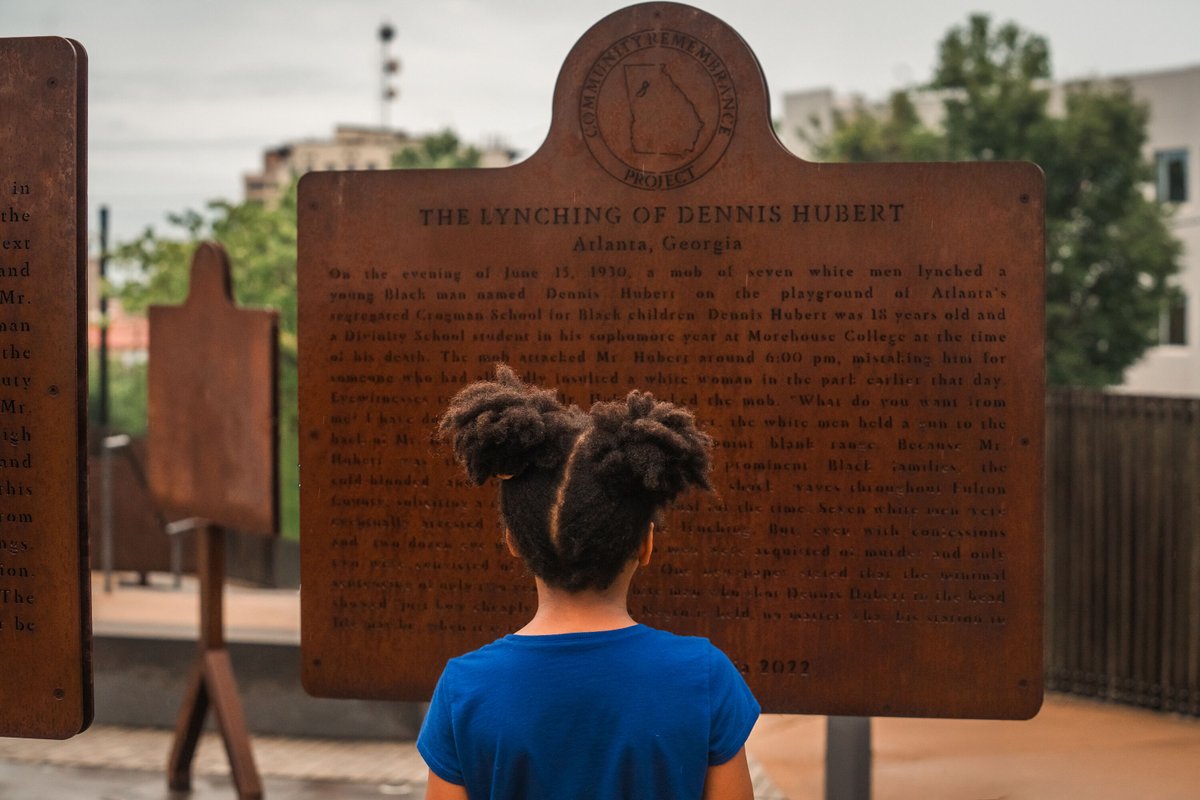
Part of our Community Remembrance Project, the jars provide a tangible way for communities and Museum visitors to confront the legacy of racial terror lynchings.
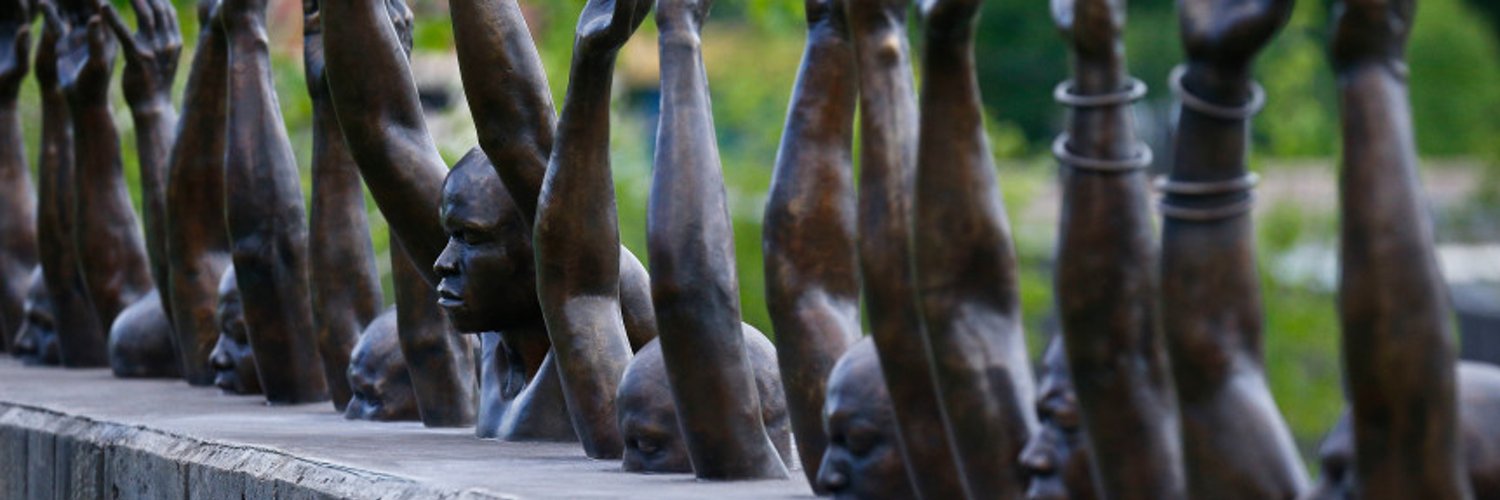
Breathtaking art and original artifacts bring to life the history of the 10 million Black people who were enslaved in America. The National Monument to Freedom—displaying over 100,000 names of formerly enslaved Black people—is the heart of this space.
170-year-old plantation dwellings sit at Freedom Monument Sculpture Park, located on the banks of the Alabama River. Artifacts, like these dwellings, help visitors understand both the brutality of enslavement and the humanity of the enslaved.
The Legacy of Slavery explores the connections between historical injustice and the inequalities that persist today. Created by the @eji_org and eminent civil rights lawyer, Bryan Stevenson.
📅 Until 30 August
📸 1, 6 & 7 Amy Hecht, 2 - 5 Tommy Ga-Ken Wan
“I often argue that the North won the Civil War, but the South won the narrative war,” says civil rights lawyer Bryan Stevenson, executive director of Equal Justice Initiative (@eji_org). He says that explains institutional racism in the country from the collapse of Reconstruction to the ongoing oppression Black Americans face.
We are excited to present "The Legacy of Slavery in America" as part of the Edinburgh International Festival this year. The exhibition displays an abridged version of our Legacy Museum in Montgomery, and is the first international exhibition for EJI.
https://t.co/YNKnaKQzPU
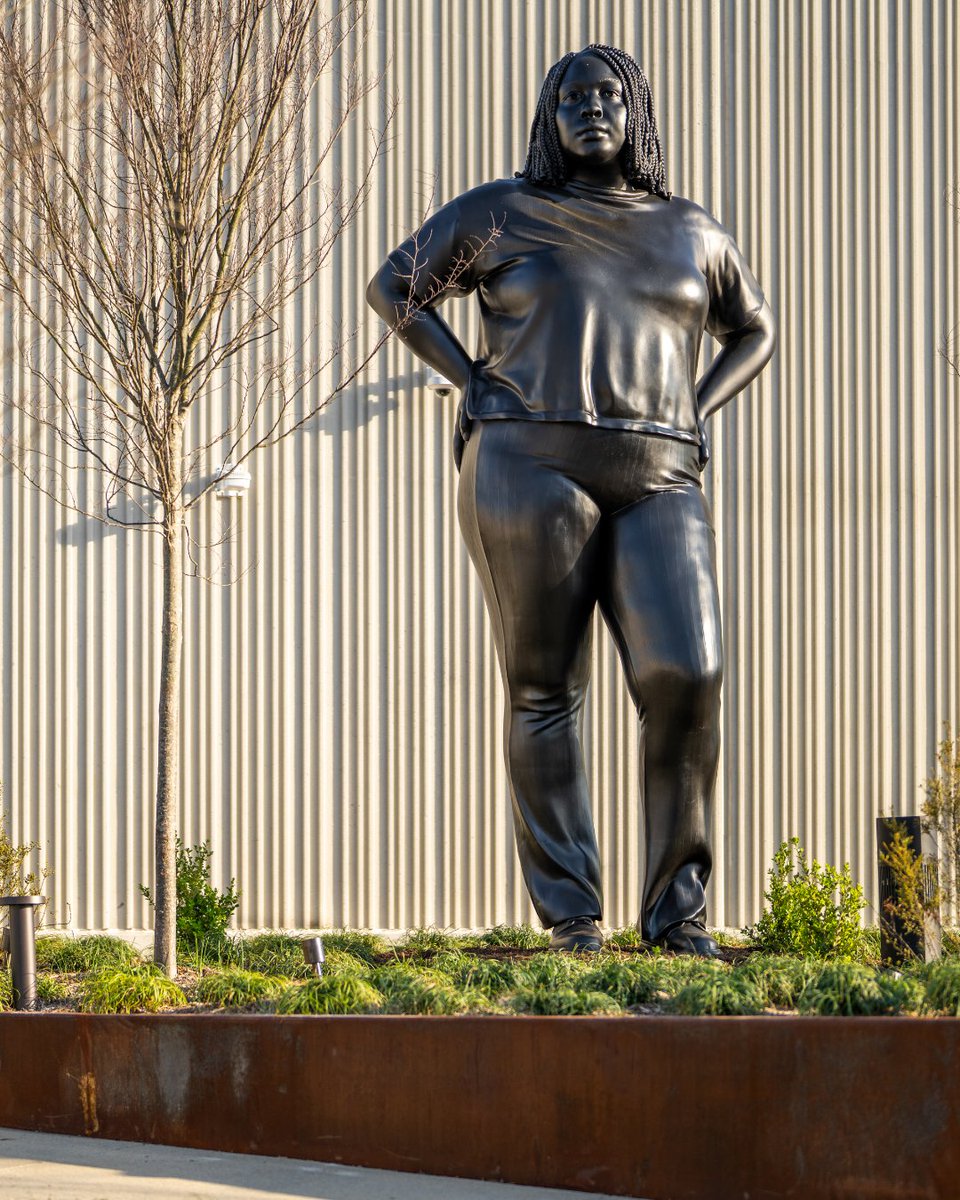
“Grounded in the Stars” by Thomas J. Price stands atop Elevation Convening Center and Hotel in Montgomery, Alabama.
Plan your visit to the Legacy Sites, and your stay at Elevation: https://t.co/4HBTieCXMC
Located in Montgomery, Alabama, EJI’s Legacy Sites invite visitors to reckon with our history of racial injustice exactly where that history was lived.
Plan your visit today.
https://t.co/ALPZW0MqHB
Four spaces. One powerful experience.
Journey through history at the Legacy Museum, the National Memorial for Peace and Justice, Freedom Monument Sculpture Park, and Montgomery Square.
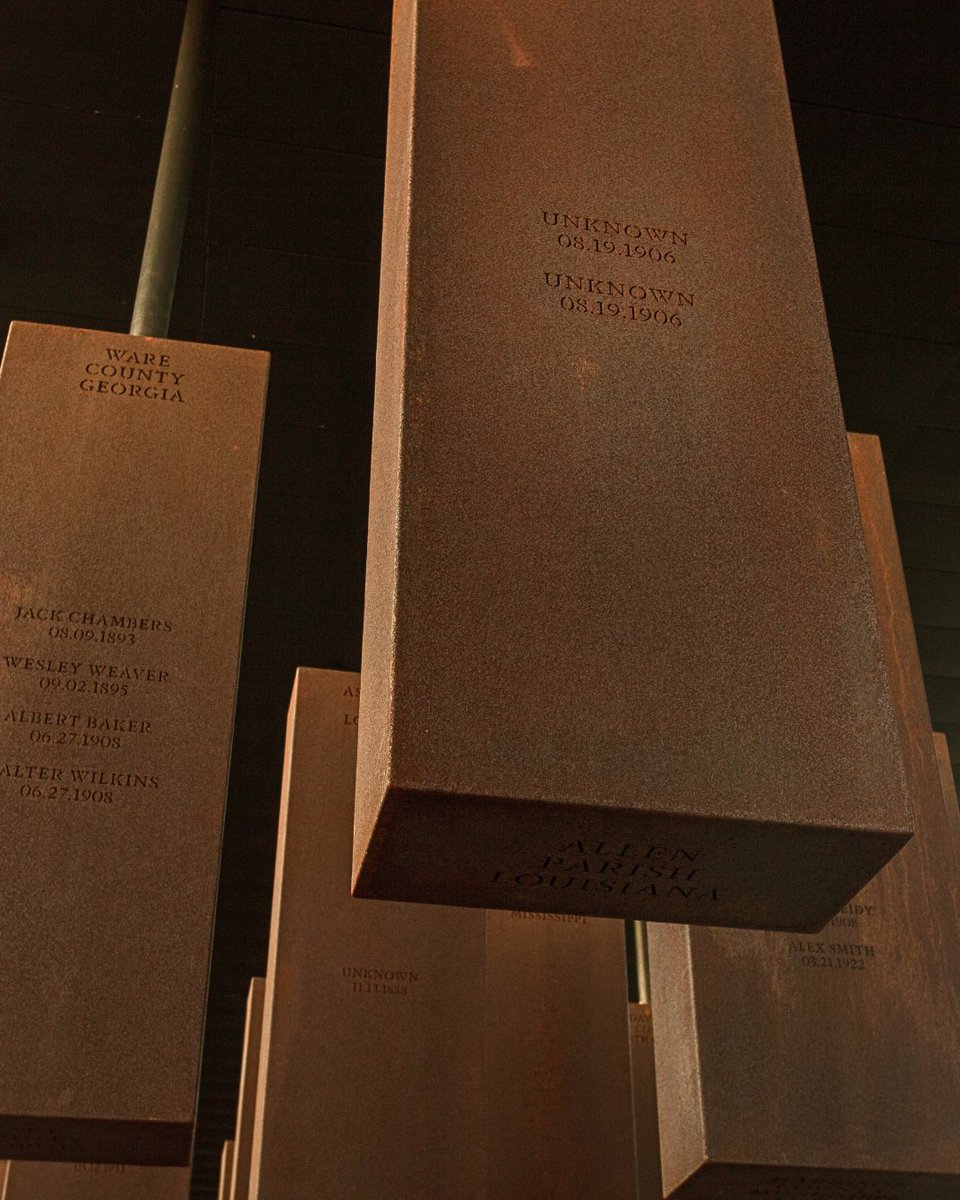
The National Memorial for Peace and Justice is a sacred space for truth telling and reflection about racial terrorism and its legacy.
Plan your visit: https://t.co/wjkHfxJUuW
At Montgomery Square, visitors explore the Montgomery decade that changed the world. From 1955, with the Montgomery Bus Boycott, to 1965, with the Selma to Montgomery March and the Voting Rights Act, our city shaped the civil rights movement, changing the country and our world.
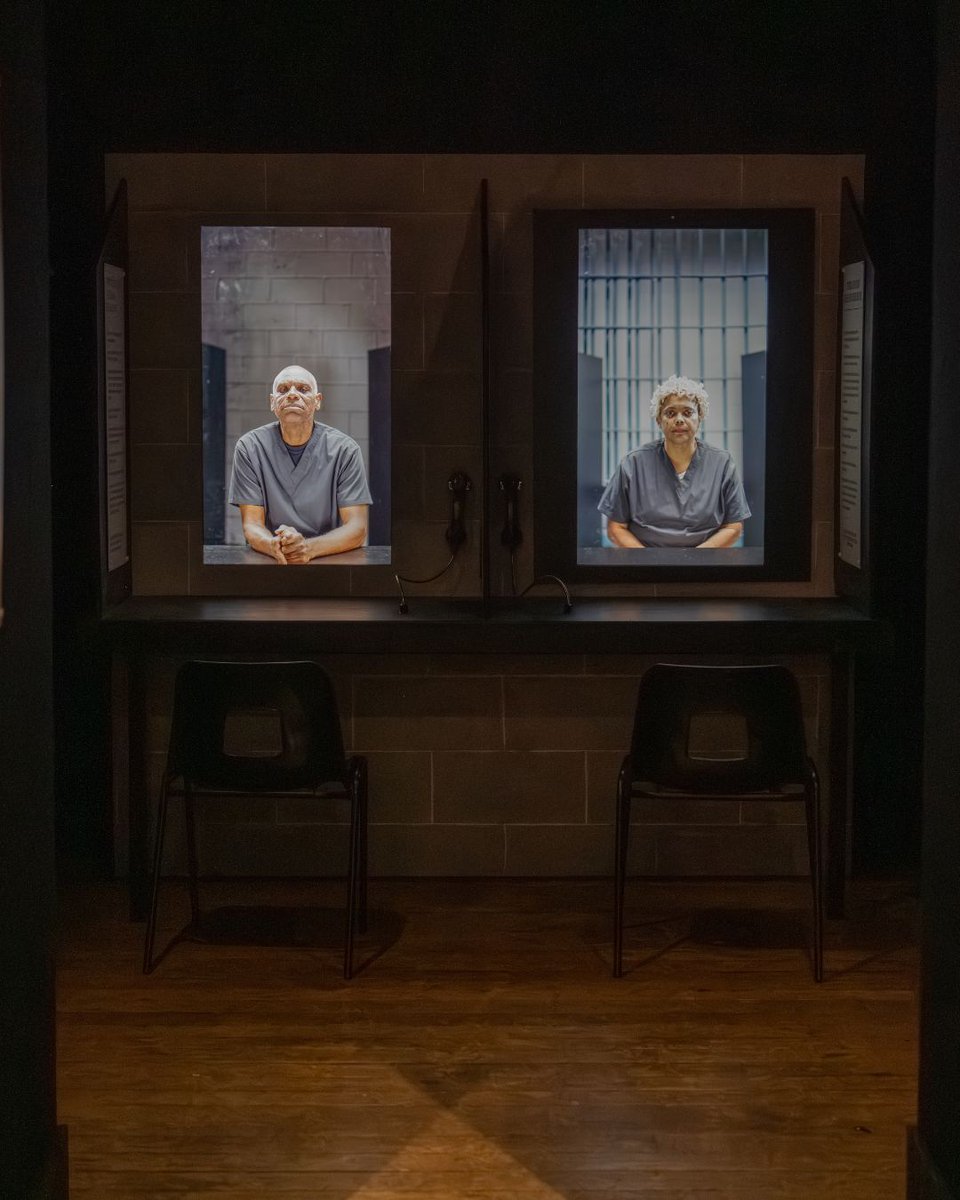
The Legacy Museum takes visitors on a journey through American history, tracing the myth of racial hierarchy through its tragic evolution, from enslavement to mass incarceration. The Museum begins with the Middle Passage, which claimed the lives of two million kidnapped Africans.
Thousands of African Americans are unknown victims of racial terror lynchings whose deaths cannot be documented, many whose names will never be known.
They are all honored at the National Memorial for Peace and Justice.
Plan your visit.
https://t.co/ALPZW0MqHB
800 corten steel monuments hang at the National Memorial for Peace and Justice in Montgomery, Alabama—one for each county in the U.S. where a racial terror lynching took place.