What If Humanity Never Masters Fusion?
https://t.co/kBquydHjZl
What if fusion power never becomes practical? Humanity still has solar, fission, storage, beamed power, and enough known physics to build a spacefaring future.
The problem is not one bad prime minister.
The problem is a system where Alberta can be outvoted forever by people who do not live here, do not share our values, and do not depend on the industries they regulate.
That is why independence matters.
In the Aristotle Foundation debate about Western separation, former Alberta premier the Honourable Jason Kenney, argues FOR the motion for the West to remain in Canada.
Watch the full video here: https://t.co/uTwmQU5wsQ
#cdnpoli#WesternSeparatism#WesternCanada#publicpolicy
Don’t Panic: A Guide to Artificial Intelligence
https://t.co/Gq5bvOc62V
Artificial intelligence is changing the world, but not quite the way headlines suggest. Here’s a calmer look at AI’s risks, limits, and real potential.
If you care about the environment, go find out what free markets actually do for conservation before you decide they're the enemy.
And if women's rights matter to you, look at what economic freedom does for women in countries that have it versus countries that don't.
The answer is the same both times.
People do better when they have economic freedom, and no amount of activism has ever changed that.
1 Million A.D.
https://t.co/gvtUSATBaA
What does humanity become in 1 Million A.D.? Galaxy-spanning civilizations, post-human minds, and a future where time, identity, and even Earth itself are transformed.
🇨🇦 MASTER THREAD — POST 2/11
The closed-loop system we just exposed in Post 1?
𝗛𝗲𝗿𝗲'𝘀 𝘁𝗵𝗲 𝗽𝗲𝗿𝗳𝗲𝗰𝘁 𝗿𝗲𝗮𝗹-𝘄𝗼𝗿𝗹𝗱 𝗲𝘅𝗮𝗺𝗽𝗹𝗲.
This is the 𝗳𝗶𝗿��𝘁 𝗣𝗿��𝗺𝗲 𝗠𝗶𝗻𝗶𝘀𝘁𝗲𝗿 𝗶𝗻 𝗖𝗮𝗻𝗮𝗱𝗶𝗮𝗻 𝗵𝗶𝘀𝘁𝗼𝗿𝘆 who has 𝗻𝗲𝘃𝗲𝗿 𝗯𝗲𝗲𝗻 𝗲𝗹𝗲𝗰𝘁𝗲𝗱 to any office.
Not municipal. Not provincial. Not federal. 𝗡𝗲𝘃𝗲𝗿. 𝗡𝗼𝘁 𝗼𝗻𝗰𝗲.
Here's exactly how it actually happened:
🚨 Trudeau's government was hours away from losing a confidence vote. Conservatives, NDP, and Bloc were all ready to vote him out. Polls had Conservatives up 𝟮𝟰 𝗽𝗼𝗶𝗻𝘁𝘀. Game over.
So Trudeau 𝗽𝗿𝗼𝗿𝗼𝗴𝘂𝗲𝗱 𝗣𝗮𝗿𝗹𝗶𝗮𝗺𝗲𝗻𝘁 — he suspended democracy to dodge the vote. CBC reported it straight: 𝘵𝘩𝘦 𝘓𝘪𝘣𝘦𝘳𝘢𝘭𝘴 𝘸𝘪𝘭𝘭 𝘢𝘷𝘰𝘪𝘥 𝘢 𝘤𝘰𝘯𝘧𝘪𝘥𝘦𝘯𝘤𝘦 𝘷𝘰𝘵𝘦.
While the House was shut down, the Liberal leadership race ran. 𝟭𝟱𝟭,𝟴𝟵𝟵 𝗽𝗲𝗼𝗽𝗹𝗲 voted. That's 𝟬.𝟯𝟴% 𝗼𝗳 𝗖𝗮𝗻𝗮𝗱𝗶𝗮𝗻𝘀.
Then Trudeau — the man Parliament had already lost confidence in — advised the Governor General to appoint 𝗠𝗮𝗿𝗸 𝗖𝗮𝗿𝗻𝗲𝘆 as Prime Minister.
At the moment of appointment, Conservatives were leading Liberals 36% to 33%.
Carney then "won" an election… but 𝘄𝗶𝘁𝗵𝗼𝘂𝘁 𝗮 𝗺𝗮𝗷𝗼𝗿𝗶𝘁𝘆.
So how did the majority appear? 𝗙𝗶𝘃𝗲 𝗠𝗣𝘀 𝘀𝗶𝗺𝗽𝗹𝘆 𝗰𝗿𝗼𝘀𝘀𝗲𝗱 𝘁𝗵𝗲 𝗳𝗹𝗼𝗼𝗿. No by-elections. No voter approval. d'Entremont. Ma. Jeneroux. Idlout. Gladu.
𝟳𝟰% 𝗼𝗳 𝗖𝗮𝗻𝗮𝗱𝗶𝗮𝗻𝘀 say floor-crossers should face a by-election (Angus Reid). They never did.
The same government that couldn't survive a confidence vote one year earlier… now controls Parliament with zero real opposition.
You cannot claim a Prime Minister has the "confidence of Parliament" when Parliament was 𝘀𝘂𝘀𝗽𝗲𝗻𝗱𝗲𝗱 𝘀𝗽𝗲𝗰𝗶𝗳𝗶𝗰𝗮𝗹𝗹�� 𝘁𝗼 𝗮𝘃𝗼𝗶𝗱 𝘁𝗲𝘀𝘁𝗶𝗻𝗴 𝗶𝘁.
Full documented timeline with every receipt 👇
��───────────────────────────
❤️ Like if this actually shocks you
🔁 Repost if every Canadian needs to see it
💬 Quote with your reaction
✍️ Reply (even one word boosts the thread)
📲 Send to family chats, Facebook, texts — because 75% of Canadians aren't even on here
Thread continues below with more receipts 👇
🔖 Bookmark the whole master thread. Keep going.
────────────────────────────
Magnetic Monopoles & Magmatter - The Strongest Material That Might Exist
https://t.co/kiIKwgKt6H
Magnetic monopoles are hypothetical particles with a single magnetic charge — north without south. Predicted by grand unified theories, they may be incredibly massive and could bind together into “magmatter,” an ultra-dense material stronger than anything known in nature.
Now that the Liberal fake-majority government is official, I hope that Albertans have finally realized that moving forward Alberta will always get federal governments that plunder and control us no matter who we vote for federally.
Independence is the only viable solution.
The idea of Alberta independence is only “extreme” if you ignore history.
Norway left Sweden.
Slovakia left Czechoslovakia.
Ireland left the UK.
Borders have changed throughout history.
Alberta independence is not some absurd idea.
It is part of a normal historical pattern.
Everyone keeps hearing the same thing:
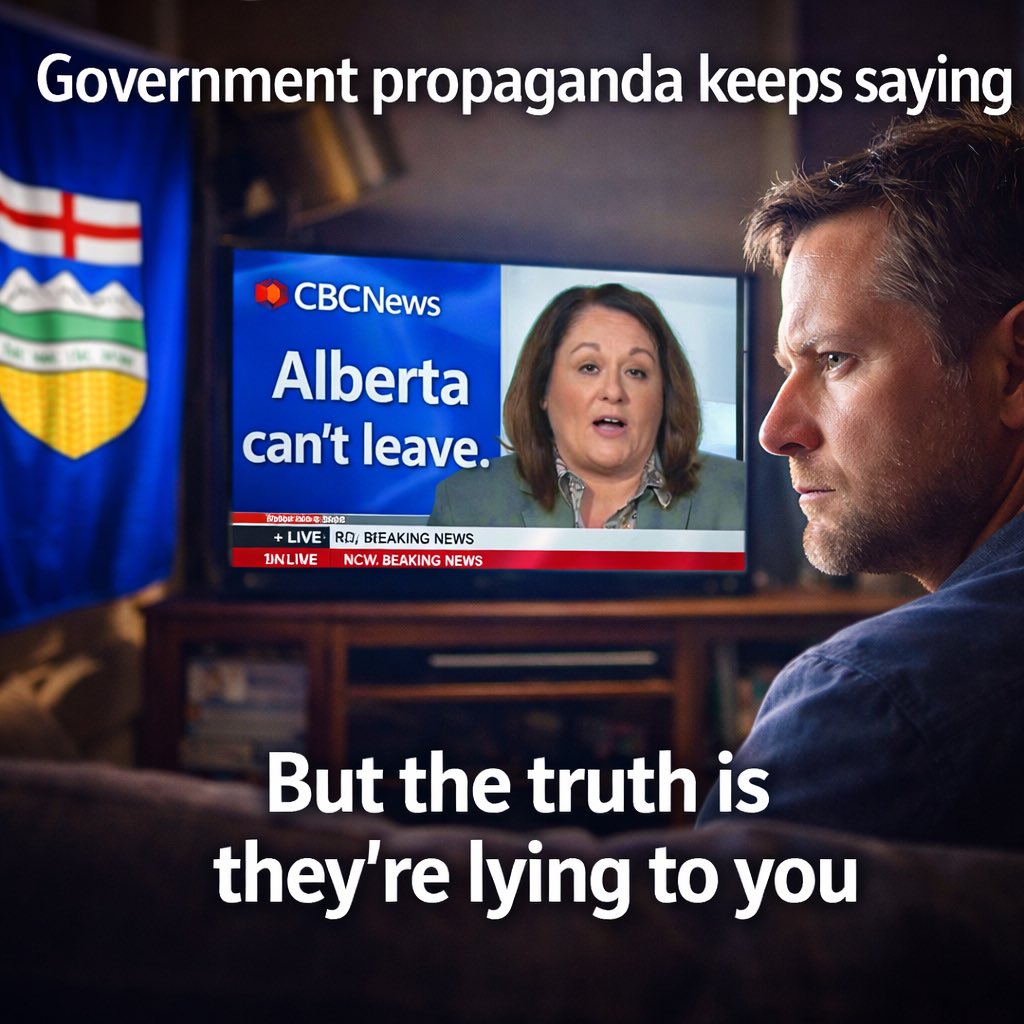
“Alberta can’t leave.”
You hear it on the news, from politicians, and repeated like it’s a settled fact.
But here’s the question almost nobody asks:
Have you actually checked for yourself?
Because when you look at the arguments, a pattern shows up. Not certainty. Not settled law. Just assumptions and worst-case scenarios presented as facts.
Let’s go through them.
⸻
1. “Indigenous groups would veto it”
This is presented as a simple stop sign.
Reality: Indigenous rights are protected and they must be part of negotiations. But there is no clear legal rule that gives a single group an automatic veto over a democratic decision by an entire province.
Rebuttal: This argument fails because it confuses “must be consulted” with “absolute veto.” Independence would require negotiation, not permission from one party.
⸻
2. “The federal government has the final say”
This gets repeated constantly.
Reality: Canada operates under constitutional law. A clear democratic vote creates pressure and obligation to negotiate. Ottawa cannot simply ignore it without triggering a major constitutional crisis.
Rebuttal: This argument fails because it assumes total federal control where none exists. A strong mandate forces negotiations. It does not get dismissed.
⸻
3. “The economy would collapse”
This is the fear argument.
Reality: There would be disruption, but Alberta has vast natural resources, strong exports, and a productive economy. Many countries with fewer advantages operate successfully.
Rebuttal: This argument fails because it replaces analysis with fear. Economic transition is not economic collapse, and Alberta has the fundamentals to stand on its own.
⸻
4. “Alberta is landlocked and couldn’t trade”
This sounds convincing until you look closer.
Reality: Many landlocked regions trade globally. Trade is governed by agreements, not just geography. Alberta already exports to global markets.
Rebuttal: This argument fails because it ignores how global trade actually works. Access is negotiated, and Alberta already participates in that system.
⸻
5. “Alberta couldn’t manage a currency”
This is framed as an impossible barrier.
Reality: Countries choose from multiple models. They can use an existing currency, create their own, or peg to another system.
Rebuttal: This argument fails because it treats a policy decision as a limitation. Currency is a choice, not a roadblock.
⸻
6. “Alberta would lose federal services and couldn’t replace them”
This assumes Alberta starts from nothing.
Reality: Albertans already fund these services through taxes. Independence would mean reallocating that money, not losing it.
Rebuttal: This argument fails because it ignores who pays for these services in the first place. Alberta already has the resources. The question is control, not capability.
⸻
Now look at the pattern.
You’re told it’s impossible.
You’re told it would collapse.
You’re told it can’t be done.
But when you actually examine the claims, they fall apart under scrutiny.
This isn’t about whether independence is easy. It isn’t.
It’s about whether it’s possible.
And clearly, it is.
So the real question is simple:
If even one of these arguments is incomplete or wrong, would you want to know?
Or are people just repeating what they’ve been told without ever checking?
At some point, Albertans need to stop accepting headlines as truth and start thinking this through for themselves.
Shouting about caring for the poor costs nothing.
Learning economic principles that actually create prosperity requires effort.
Most people choose the shouting.
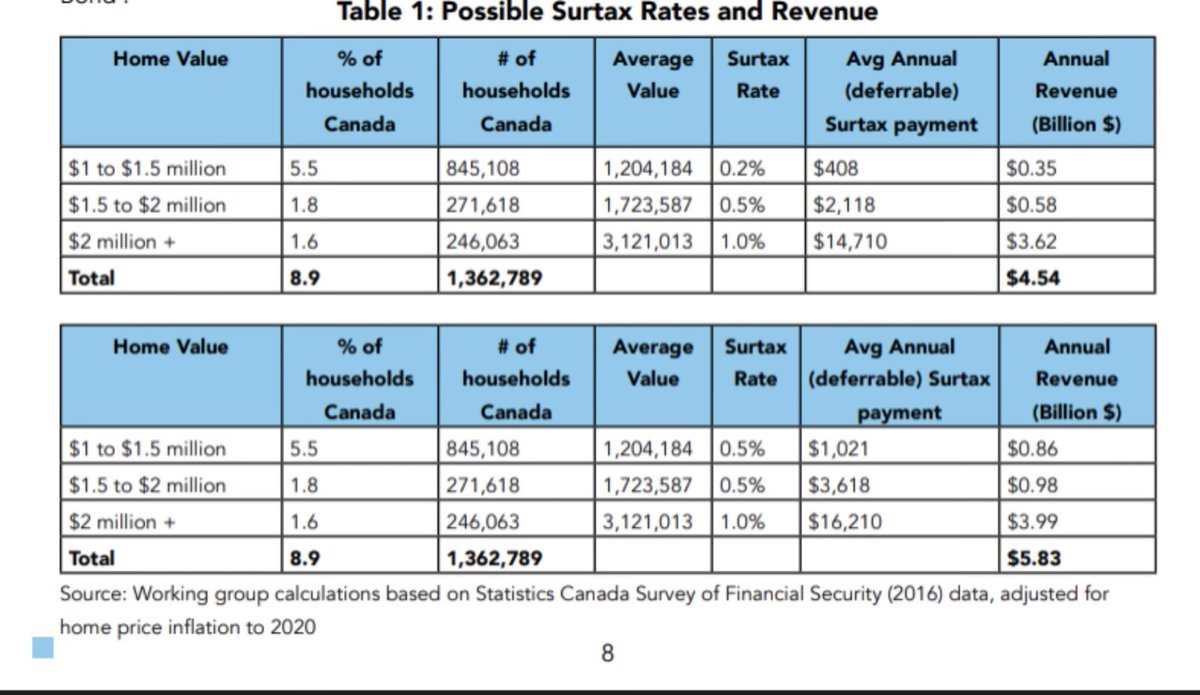
The Liberal Home Equity Tax proposal would charge Canadians every year based on the value of their home.
You don’t need to sell.
You pay the tax annually on your home equity.
Example in their proposal:
Homes over $2M → ~$14,700 per year.
Your home becomes a taxable asset.