University Professor |English Language Teaching | Applied Linguistics | English Literature | Arthurian | Celtic Studies |Translator | Medieval Studies ⚔️👑🏰
The Crucifixion, with Mary and John, the sun and moon, the serpent at the base of the cross, and the symbols of the evangelists in four medallions
BnF Latin 818; Missale benedictinum ad usum Trecensem, dit Missel de Troyes; c.1060; Champagne (Troyes?); f.4r @GallicaBnF
Initial 'V'(erbum) at the beginning of the prophet Jeremiah:
"A A A, Dominus Deus, ecce nescio loqui, Qui puer ego sum."
Cambridge, Corpus Christi College, MS 003; The Dover Bible, Volume I; 12th century; f.195r @ParkerLibCCCC@CorpusCambridge
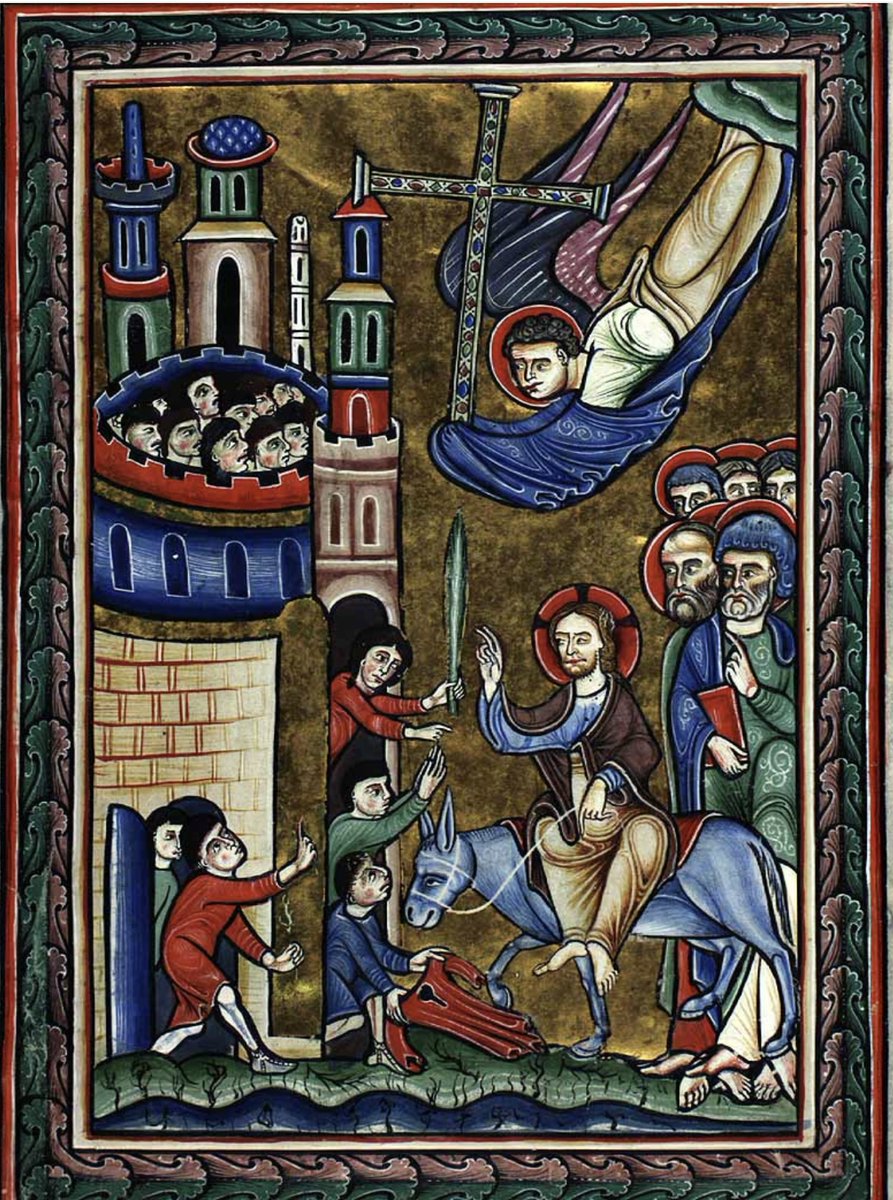
29th March is Palm Sunday: the Entry into Jerusalem #PalmSunday
MS Thott 143 2º; 'The Copenhagen Psalter'; Det Kongelige Bibliotek; 12th century, f.13v
The Knight of the Sun in Andrew Lang’s The Red Romance Book (1905) is a chivalric hero from a Spanish/continental romance tradition, retold for younger readers.
In a grand castle long ago, a radiant boy was born to Princess Briane and the mighty Emperor Trebatius, marked on his chest with a golden sun that shone like dawn itself. His brother bore a rose, but jealousy stirred in the heart of the wicked fairy Lindarasse. She cast a cruel spell, trapping the emperor in an enchanted tower where he forgot his wife and children, while the boys grew up apart.
The Sun Knight, tall and fearless, wandered the seas as a youth. Rescued and raised in distant Babylon, he slew fierce giants that menaced a sultan’s hunt, claimed a magical sword, and became a knight of unmatched strength. He roamed the world, defeating dark tyrants, freeing captured princesses, and aiding the weak with his shining blade.
His brother, the Rose Knight, battled foes in distant lands. At last the brothers’ paths crossed, and together they sought the enchanted isle where Lindarasse ruled. The Sun Knight blew a silver horn that summoned trials: he fought a monstrous serpent, chained lions and tigers, and towering giants. With a protective ring that broke spells, he stormed the castle.
The emperor awoke from his long forgetfulness. Heartbroken, the evil fairy perished, and her enchantments shattered. Father, mother, and sons reunited in joy, their family whole once more.
🎨Henry Justice Ford
The beheading of St Valentine, in a 14th-century Psalter (BL Royal 2 B VII).
In Anglo-Saxon England St Valentine was known for his relics rather than his romantic associations: Queen Emma, wife of Cnut, owned St Valentine's head, which she gave to a Winchester monastery in 1042.
This tradition in medieval calendars about birds singing may be linked to the later association of 14 February with birds choosing their mates. As Chaucer writes in 'The Parliament of Fowls':
'Saynt Valentyn, that art ful hy on lofte,
Thus singen smale foules for thy sake!'
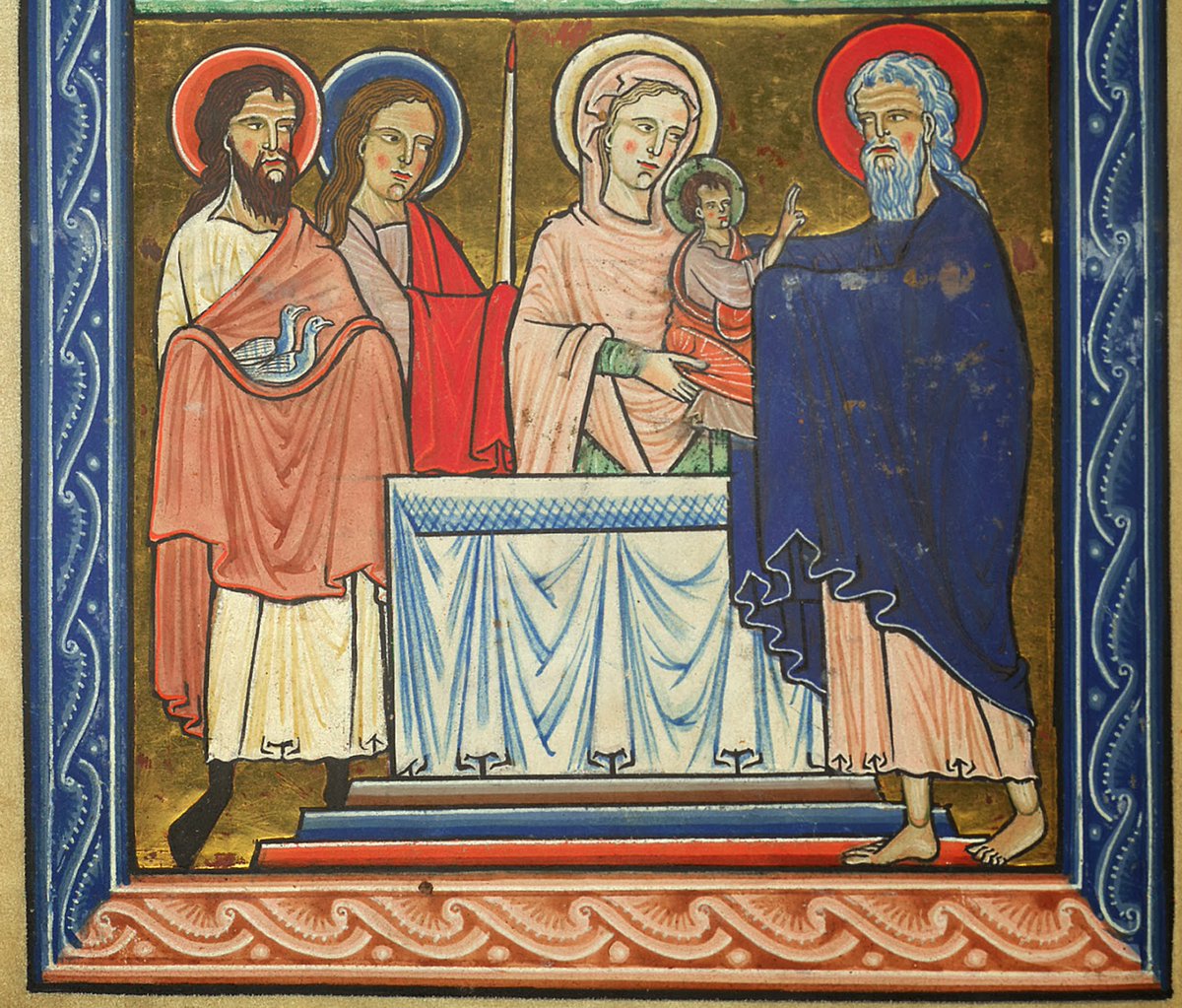
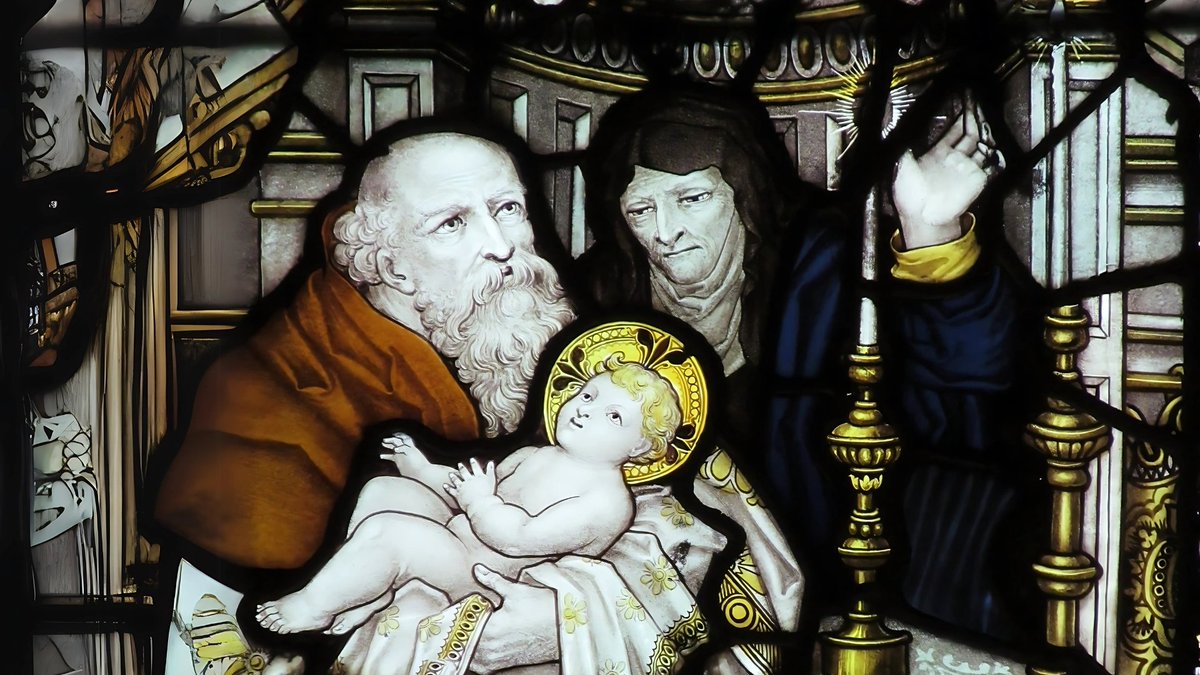
Today is the eve of Candlemas, the festival which traditionally marks the end of the Christmas season. At its heart is a meeting between birth and death, childhood and old age, hope and grief - the darkness of winter and the first, fragile light of spring.
When I told you all that Pendragon is AMAZING and I'm a huge fan, that wasn't me being a team player. I'm a huge fantasy geek, especially when it comes to Arthurian lore, and my standards are high. This production absolutely exceeded them.
So much so, I jumped at the chance of developing a companion podcast to enhance the enjoyment of my fellow fantasy geeks (and those who might aspire to a little geekdom here).
What I'll be doing in these podcasts is analyzing the characters and stories, as you typically see in watch-along podcasts. BUT I'm also diving deep into the history, mythology, and Christian thematics of the series. And let me say, I had a BLAST digging back into works and references I haven't thought about since my days as an English Lit major.
I especially tried to develop something that might be a bonus for @realDailyWire's homeschooling families, so that they can even use this Pendragon series to enrich their own understanding of this historical period and the ancient texts that inspired @StephenLawhead's work.
Watching Pendragon is absolute must. But I hope you'll check out the companion as well because I had an absolute ball working on it!
One of the best to have ever done it.
Be Arthur
>Born in darkness and deceit.
>Raised in secret by Sir Ector. Doesn't know he's royal.
>Grows up as a nobody squire. Fetches swords for his foster brother Kay.
>Kingdom is fracturing. No High King. Warlords fighting. Britain bleeding.
>A sword appears in a stone in a London churchyard. Inscription: "Whoso pulleth out this sword of this stone is rightwise king born of all England."
>Pulls Excalibur from the stone like it's nothing.
>Becomes High King of Britain.
>Immediately has to fight. Twelve rebellious kings refuse to kneel to a boy.
>Wins eleven battles. Unites the kingdom through force and vision.
>Doesn't stop at conquest. Wants to build something.
>Establishes Camelot. Not just a castle—the greatest of ideals.
>Creates the Round Table. No head seat. Knights equal in honor.
>Institutes code of chivalry. Protect the weak. Serve justice. Defend the realm.
>Marries Guinevere. Takes Lancelot as his greatest knight and closest friend.
>Sends knights on quests. The Grail. The oppressed. Monsters. Wrongs to right.
>Fights giants. Slays dragons. Repels Saxon invasions.
>Builds a kingdom on loyalty, honor, and the highest possible standards.
>Betrayed on all sides
>His illegitimate son Mordred plots his destruction.
>Kingdom splits. Civil war.
>Meets Mordred at Camlann. Final battle.
>Mordred defeated.
>Mortally wounded, ferried to Avalon. Excalibur returned to the Lady of the Lake.
>Sleeps. Age unknown. Promises to return when Britain needs him most.
Leaves behind: The Round Table. The code of chivalry. The idea that power serves justice, not itself. The myth that still defines kingship. The legend that refuses to die.
7th December is the feast of St Ambrose, Bishop of Milan. Here we see St Ambrose at prayer and the initial 'Q'(uoniam) of 'De bono mortis'.
BnF MS Latin 2639; Ambrosius Mediolanensis, Opera; 11th century; France (Fécamp); ff.31v, 32r @GallicaBnF
Holly is associated with the death & rebirth symbolism of winter in both Pagan & Christian lore. ❄️ In #Arthurian legend, Gawain (the Oak King of summer) fought the Green Knight, who was armed with a holly club to represent winter. #FolkloreSunday#Winter