📍A due passi dal Ponte di Rialto, una piacevole passeggiata lungo la suggestiva Riva del Vin conduce a Campo San Silvestro, dove sorge l'omonima chiesa, un luogo ricco di fascino e storia.
✨ La facciata principale si affaccia su Rio Terà San Silvestro, un antico canale oggi interrato che un tempo collegava direttamente il Canal Grande al Rio delle Beccherie, testimoniando il passato vivace di questa parte della città.
🎨 All'interno è custodito il magnifico "Battesimo di Cristo", una delle ultime e più imponenti opere di Tintoretto: un capolavoro che merita di essere ammirato dal vivo.
#VeneziaSerenissima ❤️🦁
#losapeviche ... Il Palco Reale non fa parte dell'originario progetto del nostro Teatro. Selva, nel 1792, realizza i palchetti tutti uguali. Sarà poi il periodo napoleonico e la successiva venuta degli Asburgo a richiedere la necessità di uno spazio trionfale per la massima autorità.
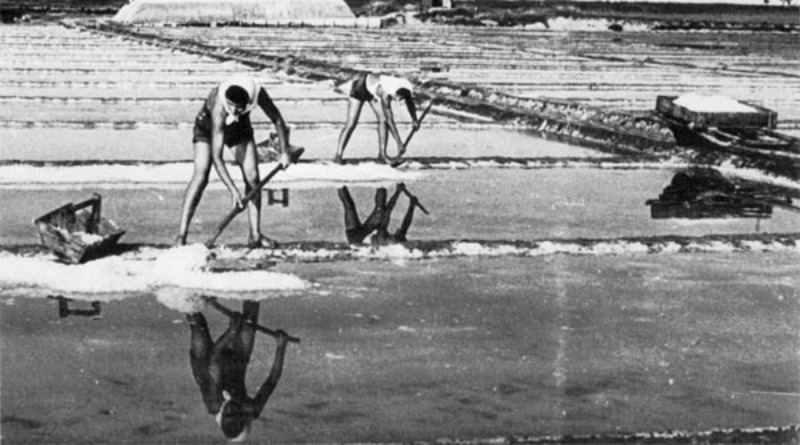
#2luglio 1271, #Venezia: per la vendita del sale, il Maggior Consiglio obbliga i salinari di Chioggia a usare l’unità di misura veneziana, il doppio della locale. La nuova unità è il “mozetto” (ogni lotto standard è composto da 100 mozetti, che equivalgono a 2.900 chilogrammi)
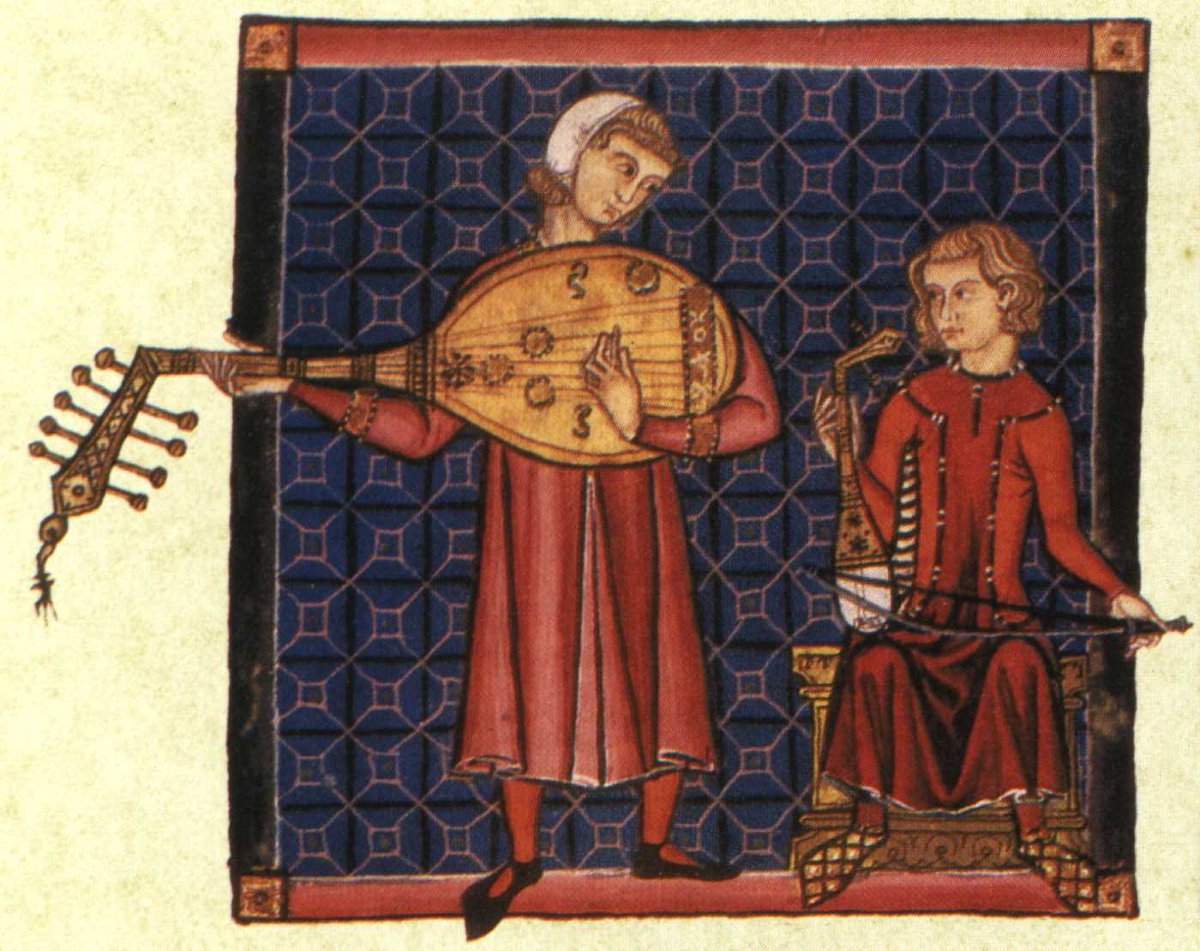
@salernosorrow Coming home from a really tiring Signoria meeting Leo rejoices seeing the gifts and intuits the giver. Supple leather, wonderful paper, the instrument of highest quality...
He strums a few notes and sings the praise of the most beautiful girl of all of Rome. Nay, all of Italia.
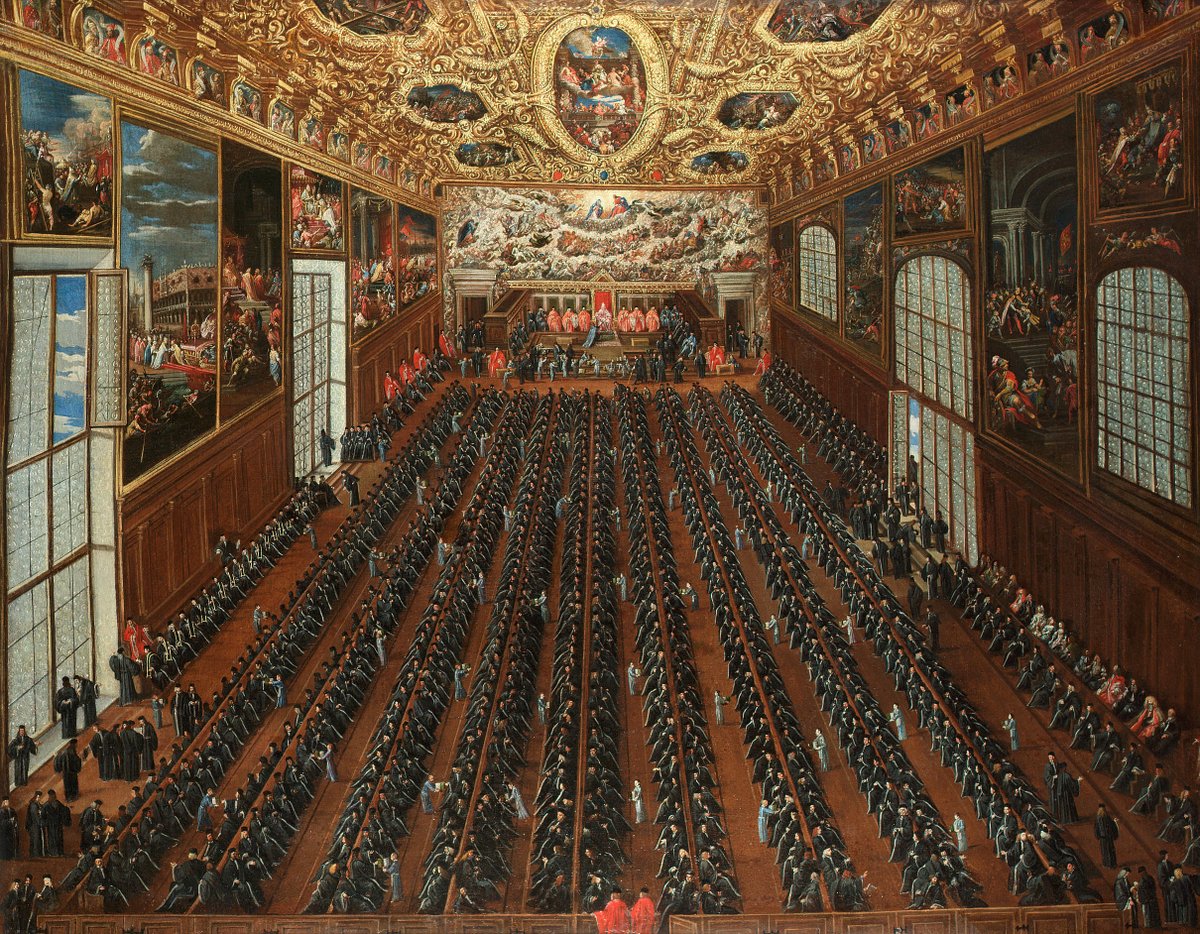
The Great Council of Venice in a voting session in the Doge's Palace.
This painting was made between 1648-50 and depicts powerful Venetian patricians voting on a bulletin for the election of new magistrates.
But I would also like talk about one interesting phenomenon that accompanied such elections.
In Venice, there was a form of gambling in which people were wagering on the outcome of elections. Gamblers bet on a noble who they hoped would be elected to a particular office.
For this reason, an entire betting infrastructure emerged around elections. During the elections, bookmakers ran stalls at the Rialto Bridge, or used messengers to collect money and pledges from a more select group of customers, issuing receipts in return. In Venetian betting terminology, a bookmaker was called toccador, while the person who placed bets was called mettador.
This form of gambling eventually became enormously popular. Huge crowds of people gathered in the courtyard of the ducal palace to wait for the results on election days, or assembled within the nearby church of San Marco. Betting on election results was not just popular among common people, but even more so among nobles, as there was a widespread gambling culture among Venetian nobility at the time. These nobles would use any opportunity to satisfy their gambling urges.
The reason why betting on elections was especially popular in Venice was because of the specific structure of the elections. They involved a random initial element, the selection of nominators for particular posts by drawing balls from bags, combined with a second stage, the nomination and election in which the candidates themselves influenced the outcome.
The popularity of this type of gambling was such that in early 17th century, gambling games which deliberately imitated electoral procedure were invented.
But the authorities were obviously not happy about this. Gambling brought corruption into politics and involved motives which had nothing to do with political and long-term consequences for the Republic. A number of conspiracies to rig the selection of nominators were organized by gamblers with the specific intention of increasing the accuracy of bets.
However, despite the ban, people loved gambling and continued to wager on who would be elected.
Source: Jonathan Walker, "Gambling and Venetian Noblemen c. 1500-1700" in Past & Present, 162(1), 30-31.
Ormai seria ben hora
Che tra nui fosse qualche via zelata,
Qualche dolze imbasata!
Altro da ti non bramo, oh zentil fiore.
(Ormai sarebbe ben ora
che tra noi vi fosse qualche via celata,
qualche dolce comunicazione!
Altro da te non bramo, oh gentil fiore.)
Ormai seria ben hora
Che tra nui fosse qualche via zelata,
Qualche dolze imbasata!
Altro da ti non bramo, oh zentil fiore.
(Ormai sarebbe ben ora
che tra noi vi fosse qualche via celata,
qualche dolce comunicazione!
Altro da te non bramo, oh gentil fiore.)
Oh dona del mio core,
Per ti cantando quenze sum venuto
A dimandarte aiuto:
Io sum l’amante to che per ti more
(Oh donna del mio cuore,
per te cantando qui son venuto
a domandarti aiuto:
io son l’amante tuo che per te muore)
Oh solla paze, oh dona del cor mio,
Non fa’ che per ti mora!
S’tu me vuol bene degnate, per Dio,
Demostralo di fora.
(Oh sola pace, oh donna del cuor mio,
non fare che io muoia per te!
se tu mi vuoi ben acconsenti, per Dio,
dimostralo apertamente.)
❤Buon lunedì da #VeneziaUnica!
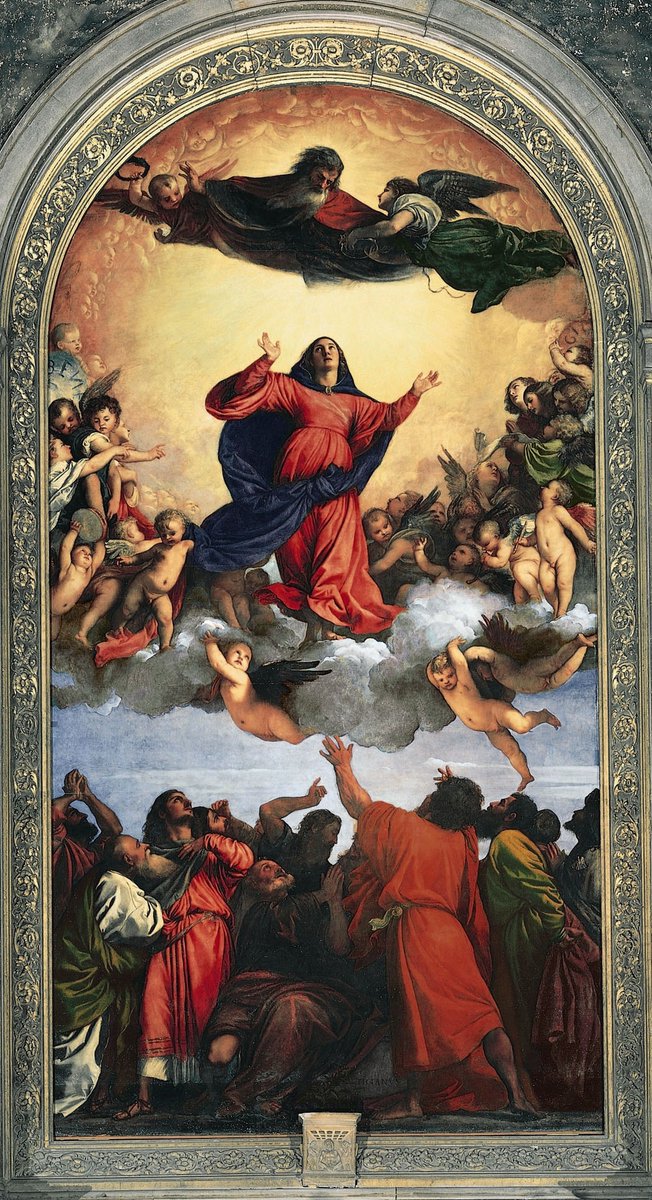
🤓Sapete dove si trova questo straordinario dipinto?
🖼Si tratta di un'imponente pala che fu commissionata a Tiziano nel 1516. Oggi potete ammirarla nella sua collocazione originaria, sull’altare maggiore di....?
@salernosorrow Leonardo knows he's singing under the balcony of her, the most sought after and most envied madonna in all of Venezia, siater of the Valentino, Cesare, who has just been nominated gentleman of Venice and gifted a palazzo.
He can't have Pietro Bembo have all the fun with her.
Oh solla paze, oh dona del cor mio,
Non fa’ che per ti mora!
S’tu me vuol bene degnate, per Dio,
Demostralo di fora.
(Oh sola pace, oh donna del cuor mio,
non fare che io muoia per te!
se tu mi vuoi ben acconsenti, per Dio,
dimostralo apertamente.)
Cara mia dolze Rosa,
Piazate a medicar sti mie’ tormenti,
E per pietà consenti
Sta solla gratia al mio dolente core.
(Cara mia dolce Rosa,
Piaccia a te rimediare ‘sti miei tormenti.
e per pietà consenti
‘sta sola grazia al mio dolente cuore.)