A new class of radar is here.
Scout-S™ delivers persistent custody, dynamic tracking, and deployable sensing for LEO and VLEO — extending coverage where mission demand is greatest.
It's more than a radar. It’s a new approach to space sensing.
Deploy Where the Mission Demands.
LeoLabs is applying its radar tech to national security missions under a new contract with the Space Force, announced Wednesday. https://t.co/sPE1XSc1iH
6/ We’ll continue to leverage our network and analytic tools to monitor the situation and deliver persistent data and insights in support of our customers and partners.
At 2:30 am UTC on 27 August 2026, LeoLabs detected a fragmentation of a Chinese Long March rocket body, CZ-6C (NORAD ID 100472). The object’s orbit was 396 km perigee and 482 km apogee.
We’re proud to announce we have been awarded a $20.68 million Prototype Other Transaction Agreement (OTA) to support the U.S. Space Force (USSF). Under the award, we will deliver a modified LeoLabs Scout system for a new defense mission set.
https://t.co/kLRXXTOPZM
Searching for your next #engineering role? We're looking for talented hardware and software engineers, project managers, and more.
Apply today 👉 https://t.co/uyHRVgGyVC #hiring#SpaceJobs
🪐 Space operations don't have an off switch. The infrastructure behind them can't either.
How does @LeoLabs_Space monitor 25,000+ objects in LEO across 11 radar sites while managing thousands of devices and 1,000+ active alerts?
Explore how #InfluxDB 3 helps power its global telemetry platform.👇
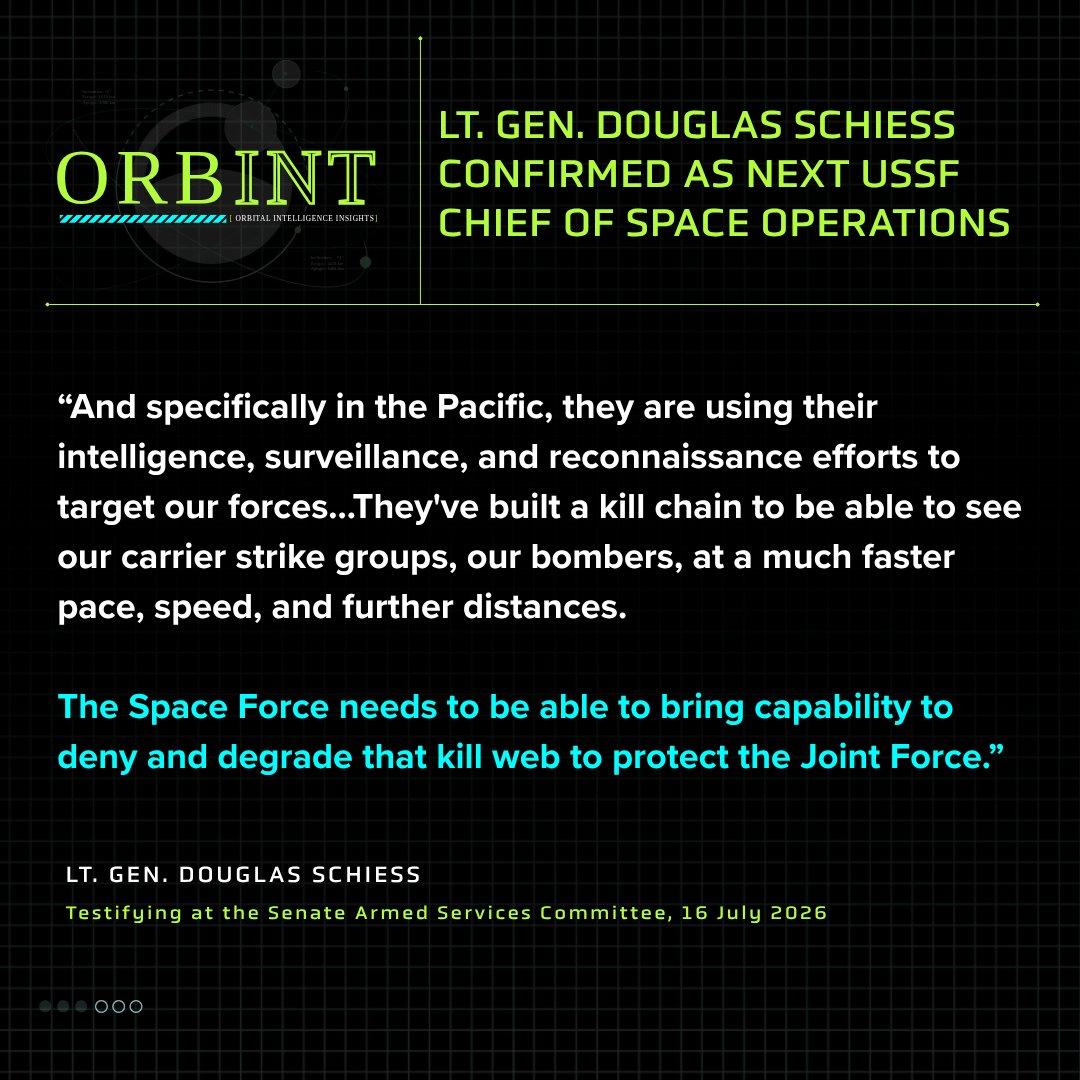
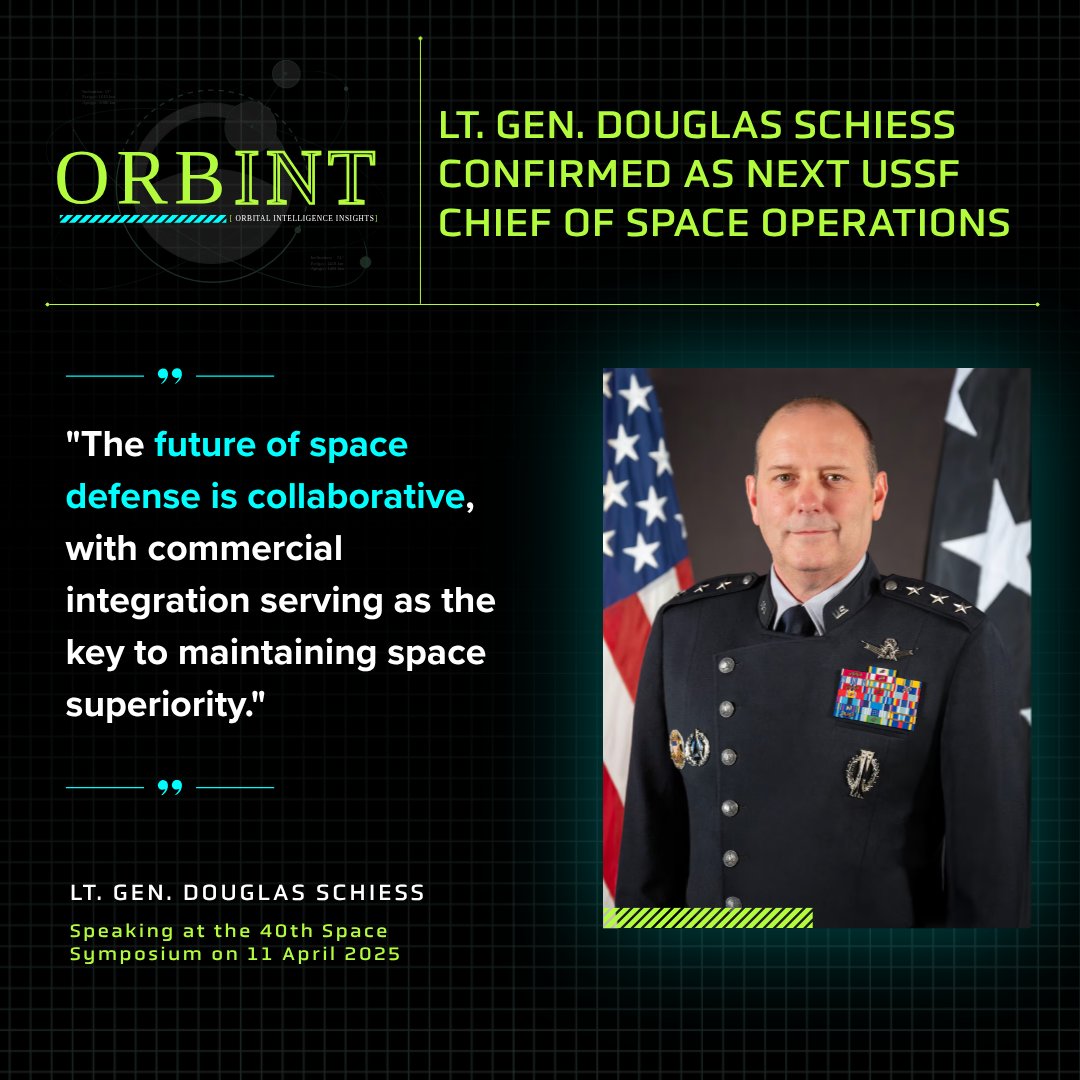
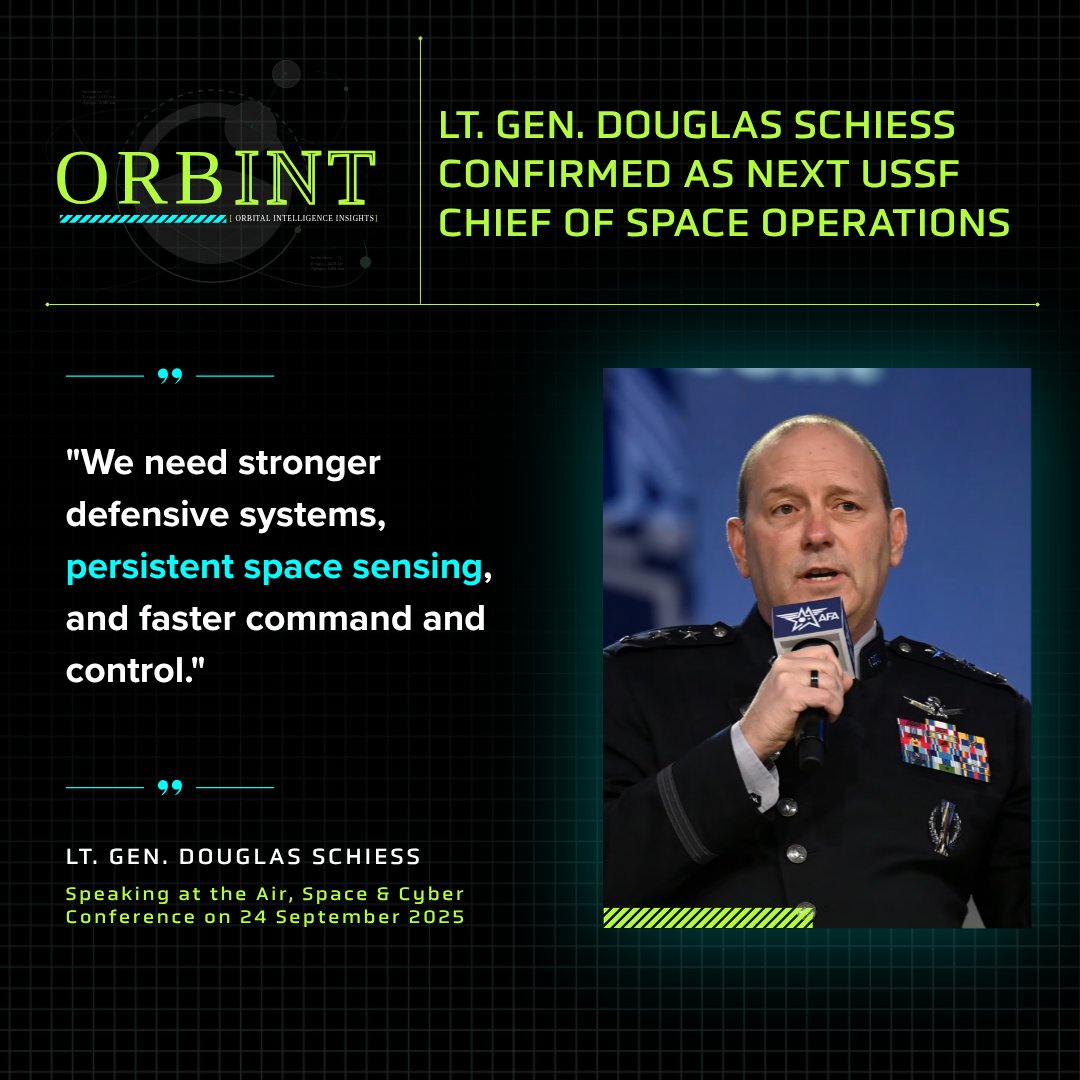
Congratulations to Lt. Gen. Schiess on his confirmation as the next @USSpaceForce Chief of Space Operations. We wish him success as he leads the USSF in its mission to secure the space domain. We also extend our thanks to Gen. Saltzman for his outstanding leadership and service.
The #FCC's decision to require satellite operators to share accurate, timely orbital data is a positive step in ensuring continued #SpaceSafety and sustainability.
"It's one big neighborhood up there, so something goes wrong, it impacts everybody."
https://t.co/uzD2t9YTMO
Your next opportunity is here.
Named one of @FastCompany's Most Innovative Defense Tech Companies, LeoLabs is building the next generation of sensing technology for national security and space operations.
Join us and help shape what's next. #hiring#spacejobs
From 2021 to 2025, China abandoned 51 spent rocket bodies in LEO above 650 km — more than double the number it left there during the previous five years.
That's a concerning trend for both space sustainability and security.
Here's why. ⤵️
https://t.co/LpeEzMPvoh
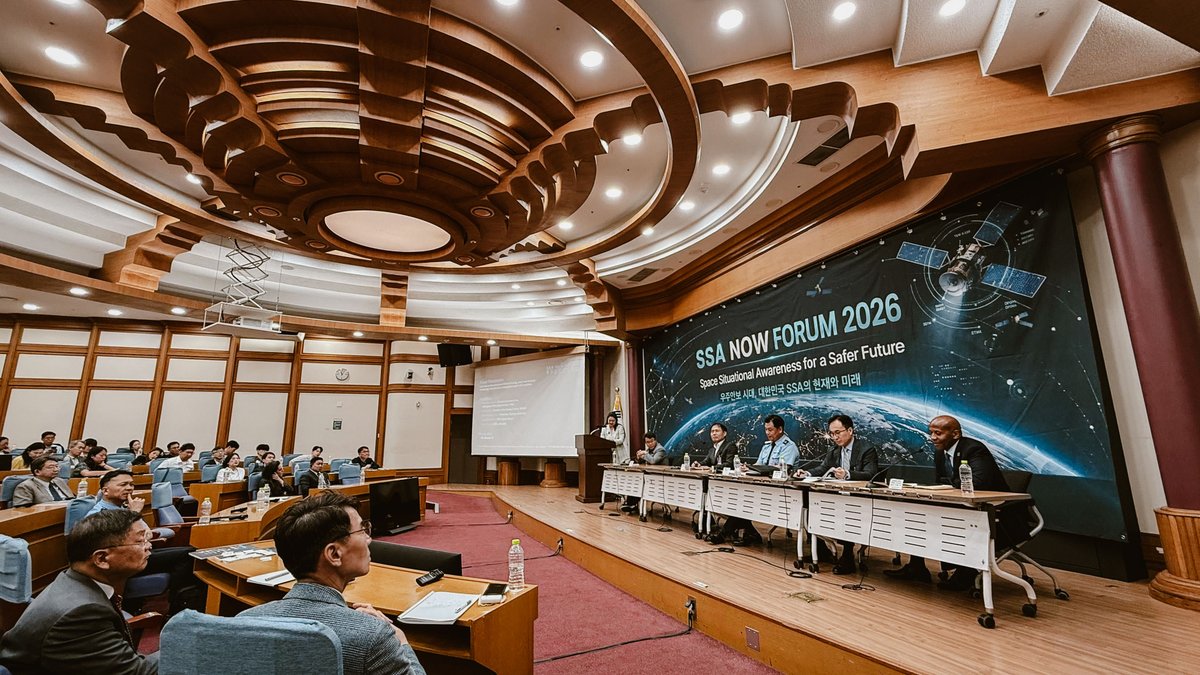
We were honored to participate in the SSA Now forum hosted at the Republic of South Korea's National Assemby, and to share how we're securing the future of space activity by collaborating with industry and government partners in South Korea and globally.
감사합니다!
Today 👉 Tony Frazier will join @SpaceNews to explore the sensor architecture behind #GoldenDome and the technologies that are shaping the future of integrated missile defense.
🕧 1:00 pm ET
📍 Virtual
🔗 Register for free: https://t.co/D3Nwt72ZSb
👋 ICYMI: Daniel Ceperley spoke at #ISS2026, sharing our goal to build a space sensing architecture that can scale rapidly.
Over the last decade, we've proven we can deploy a space radar in less than a year. With #ScoutS, we're moving even faster. 👉 https://t.co/grxCPmoWlL
At 02:30 UTC on 22 June 2026, LeoLabs detected an unknown object in the vicinity of the Chinese Shenlong reusable spaceplane.
This object did not correlate to any other object in our catalog. It was first observed by our Tracker radar in New Zealand.
This activity is consistent with sub-satellite deployments conducted by the spaceplane in previous missions. Learn more about those missions here: https://t.co/CMbRugDxIq