Screen Time Harms Kids’ Brains with Reward Overload.
In 2025, a review in PMC analyzed data from multiple studies, including the 2022 ABCD Study with 2,217 kids aged 9-10, using brain scans and behavior tests. It found excessive screen time, especially with reward-heavy games on devices like iPads, triggers dopamine overload, making kids crave instant gratification and struggle with everyday tasks. Kids with over 2 hours daily showed higher attention problems and depression scores, with brain scans revealing lower caudate nucleus activity (a reward area), hinting at addiction risks, and reduced prefrontal cortex function, linked to poor impulse control and increased aggression.
The harms run deeper as reward-driven games flood young brains with dopamine, desensitizing natural rewards like learning or play, potentially leading to a lifelong cycle of seeking digital highs over real-world joys. This overstimulation can shrink attention spans, with kids showing up to 30% more difficulty focusing on schoolwork, and heighten emotional volatility, as the prefrontal cortex—still developing until age 25—struggles to regulate mood swings. Sleep loss from blue light further disrupts brain growth, raising risks of anxiety by 20-25% in under-10s.
Beyond behavior, chronic screen exposure may wire neural pathways toward instant reward dependence, reducing motivation for delayed gratification like studying or socializing. A 2025 review highlighted how this can lead to social withdrawal, with kids spending 40% less time in face-to-face play, and early signs of addiction, where 15% craved more screen time despite negative effects.
Parents can counter this by limiting screen use to 1 hour daily and encouraging outdoor activities to rebuild natural reward systems.
#ScreenTime #KidsHealth #BrainDevelopment #DigitalWellness #ParentingTips
Isometric Training Builds Muscle Effectively.
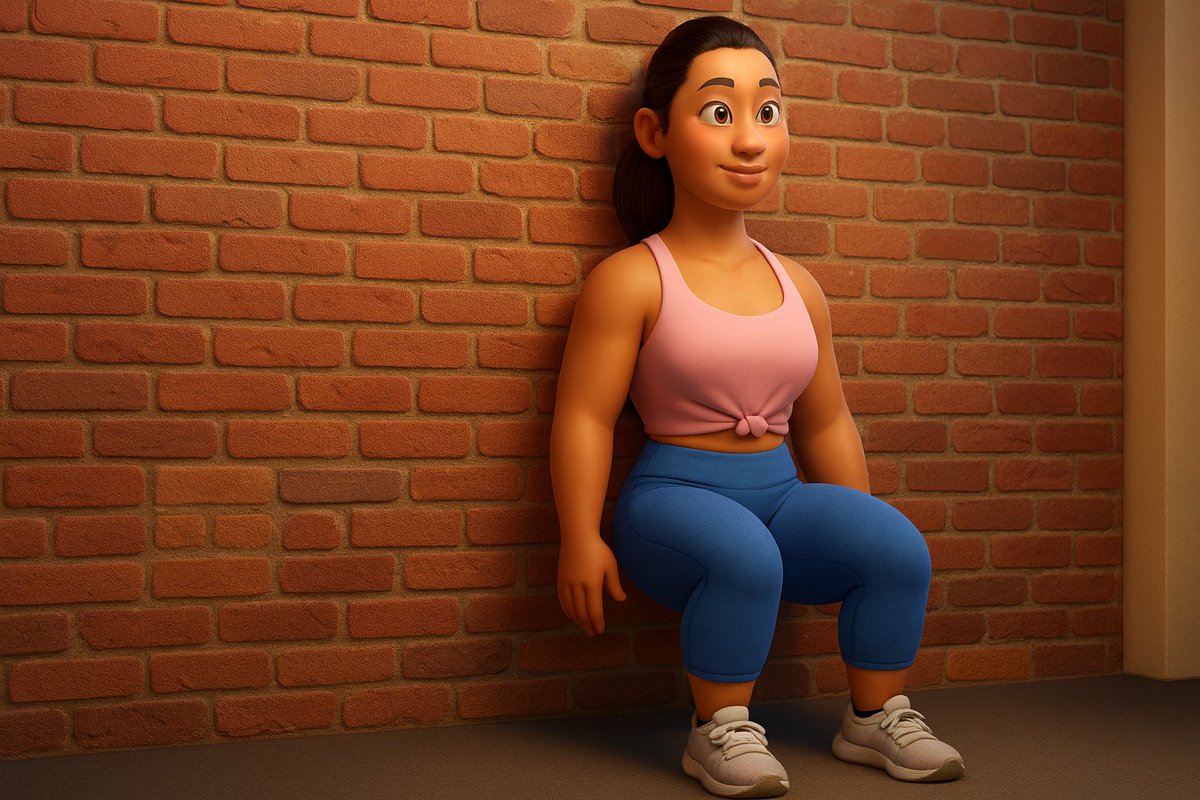
In 2019, Dustin J. Oranchuk and a team from Auckland University of Technology reviewed 26 studies with 713 participants on isometric training's long-term effects. They explored how muscle length, intensity, and intent shape muscle size, strength, and structure over 3-14 weeks. Long muscle lengths mean holding a stretch where muscles are fully extended, like a deep squat, versus short lengths where muscles are less stretched, like a partial bend.
Isometric training induced significant hypertrophy at 0.84%/week, with long muscle lengths outperforming short lengths. Higher volumes grew muscles more than intensity, with sustained contractions beating quick ones. No big intensity edge if volume matched, but long muscle lengths improved dynamic performance.
Add isometric holds at full stretch, like deep wall sits, to your routine for muscle gains.
Daily Walking Cuts Chronic Back Pain Risk.
In 2025, Paul Jarle Mork and a team from the Norwegian University of Science and Technology studied 11,194 adults over time. They tracked walking habits and lower back problems, comparing those who walked more to those who walked less, focusing on daily minutes rather than speed.
People walking over 100 minutes daily had 23% lower risk of chronic back pain than those at 78 minutes or less. Even slow walks helped, with volume mattering more than intensity—proving simple steps prevent issues affecting 60-80% of people.
Walk at least 100 minutes every day to ease back pain and stay healthy.
Probiotics Cut Weight and Fat in Obese Adults.
In 2024, Belén Torres and a team from Spain reviewed six clinical trials from 2012–2022 involving overweight or obese adults. They studied how probiotics, like Bifidobacterium and Lactobacillus strains, affect body weight, BMI, and fat mass without dieting, using data from PubMed, Scopus, and Cochrane databases.
Probiotics led to significant weight loss in 66.6% of studies (about 1-2 kg), reduced BMI by 0.5-1 kg/m², and cut waist circumference by 1-2 cm in 80% of studies. They also lowered total body fat by up to 1.5%, improving gut health and metabolism without major side effects.
Take a daily probiotic with Bifidobacterium or Lactobacillus to help manage weight and fat.
Meat Lowers Cancer Risk and Outmuscles Soy by 2x.
In a 2025 study from McMaster University, researchers analyzed nearly 16,000 adults from NHANES III to check if animal protein raises death risk from heart disease, cancer, or any cause. They found no link to higher mortality—animal protein even cut cancer death risk by a significant amount. Plant protein showed no strong effects, but inflammatory diets with processed meats worsened outcomes.
A 2024 study in The American Journal of Clinical Nutrition tested ground beef vs. soy-based meat on muscle building in 30 adults. Eating a 4-oz beef patty boosted muscle protein synthesis by twice as much as 4-oz soy, and even 8-oz soy couldn't match beef's efficiency, despite more calories. Beef's amino acids like leucine were better absorbed, aiding muscle growth without excess energy.
Eat unprocessed animal proteins for cancer protection and stronger muscles.
“If you don’t recognize an ingredient, neither does your body.”
~Jen Smiley
In a 2025 podcast interview on the Ultimate Human Podcast, hosted by Gary Brecka (@thegarybrecka) , nutrition expert Jen Smiley shared her journey to better health by reading food labels. She explained how grocery items are 98% marketing, with tiny ingredient lists hiding chemicals you can't pronounce, like preservatives that cause inflammation and disrupt your body's natural processes.
Smiley stressed that if you don't recognize an ingredient, your body doesn't either, leading to issues like overeating from engineered foods that trick dopamine without filling you up. She noted kids are targeted with convenience packaging, urging moms to rebuild the lost art of cooking simple, tasty meals with real ingredients to foster healthy habits.
Cook with whole foods like eggs and avocados daily to avoid hidden chemicals and feel better.
Artificial Sweeteners Linked to Higher Prostate Cancer Risk.
In 2025, Kuiyuan Zhang and a team from Guizhou University of Traditional Chinese Medicine analyzed data from public databases to study how artificial sweeteners like aspartame, sucralose, and saccharin relate to prostate cancer. They used computer models and lab tests to find key genes and see how sweeteners interact with cancer cells.
High sweetener use was tied to 46% higher prostate cancer risk in some studies, with lab tests showing sweeteners like sucralose boost cancer cell growth by 15-25% through genes like matrix metalloprotein 11. These compounds may disrupt cell signals, fueling tumor growth, especially in men with high intake.
Cut back on artificial sweeteners in diet drinks and snacks—choose water or natural sugars like honey instead.
High-Intensity Exercise Cuts Depression by 20-30%.
In 2025, J. Zeng and a team from China reviewed 9 randomized trials with 514 adults battling depression. They compared high-intensity exercise (like intense running or weight lifting) to control groups, measuring depression with standard scales like the Hamilton Rating Scale for Depression (HRSD). Workouts lasted from weeks to months.
High-intensity exercise lowered depression scores by 20-30%, with older adults (60+) seeing the biggest mood boost (up to 40% improvement). Aerobic workouts like running worked best, followed by strength training; long-term plans beat short ones. Other scales and fitness measures (VO2max) showed less clear gains.
Add high-intensity workouts like running or weights to your routine to help lift depression, especially if you're older.
Vitamin D And Exercise : The Ultimate Team to Protect Aging Brains.
In 2025, Jingfeng Chen and a team from Chinese universities reviewed animal and human studies on how vitamin D and exercise together help keep brains healthy as people age. They looked at things like brain growth proteins, blood flow, and swelling in the brain, focusing on older adults with memory problems.
The combo boosted brain growth factor BDNF by up to 25% in animals, reduced swelling by about 30%, and improved thinking skills like memory by 10-15% in human trials. In one study called SYNERGIC, older folks doing exercise with vitamin D improved thinking scores by 2.64 points more than controls, but vitamin D alone didn't help much.
Get outside in the sun to soak in vitamin D and do exercises like walking or weights daily to help your brain stay sharp as you get older.
Loneliness Worsens Diet Quality in Older Adults
In 2025, Elena Freire Paz and a team from the University of Santiago de Compostela studied 25 older adults in Spain (Galicia and Extremadura) using interviews and home observations from November 2024 to April 2025. They explored how loneliness affects eating habits, focusing on food choices, cooking routines, and meal enjoyment.
Loneliness led to less nutritious diets in 80% of participants, with fewer fruits, vegetables, and home-cooked meals, increasing risks of malnutrition by 20-30%. Missing shared meals lowered quality of life, with 70% reporting emotional loss from eating alone, worsened by gender and income differences.
Join community meal programs or share dinners with family to improve diet and well-being.
Poor Sleep Drives Unhealthy Eating Choices.
In 2025, Andrea Bazzani and Ugo Faraguna from Italian universities wrote an editorial reviewing how eating and sleeping are linked. They looked at past studies showing poor sleep changes what we crave, like more sweets and high-calorie foods, due to hormone shifts like less leptin (fullness signal) and more ghrelin (hunger signal). This can lead to overeating and weight gain.
Bad eating habits also mess up sleep—too much caffeine or heavy meals close to bedtime disrupt rest, while missing nutrients like tryptophan (in turkey or bananas) hurts sleep quality. Circadian rhythms, our body clocks, control both, so late-night snacking throws everything off, raising risks for obesity, diabetes, and mood issues.
Eat a balanced dinner early to sleep better and curb cravings.
Exercise Cuts Chronic Pain and Boosts Mobility By Up To 30%.
In 2024, Harvard Health Publishing reviewed studies on how exercise helps chronic pain, like back pain or arthritis. They looked at how activities such as walking, swimming, or yoga affect pain levels, inflammation, and mood in adults with ongoing pain, drawing on clinical trials and expert insights.
Low-impact exercises cut pain by 20-30% in many cases, improved mobility by 15-25%, and boosted mood by reducing stress hormones like cortisol (down 10-20%). Exercise also lowered inflammation markers like cytokines, helping joints and muscles feel better, especially with 30 minutes most days.
Try 30 minutes of walking, swimming, or yoga most days to reduce chronic pain and feel better.
Ziplock Bags Release Harmful Microplastics.
In 2024, Cheng Fang and a team from the University of Newcastle, Australia, studied micro- and nanoplastics (MNPs) released from self-sealing Ziploc bags used for food storage. Using scanning electron microscopy and Raman imaging, they found that opening and closing bags creates friction, releasing thousands of MNPs per use, ranging from hundreds of nanometers to millimeters. These plastics can end up in food, potentially disrupting gut health or causing inflammation.
A 2024 lawsuit against SC Johnson, Ziploc’s maker, claims the company misled consumers by marketing bags as “recyclable” and “safe” despite knowing they release MNPs, which harm health. The suit, filed in California, demands clearer labeling and accountability, citing studies like Fang’s showing risks of ingestion and bioaccumulation.
Avoid ziplock bags for food storage—use glass or steel containers to reduce microplastic exposure.
Amino Acids May Feed Cancer Cells, Not Patients.
In 2025, Giovanni Corsetti and a team from the University of Brescia reviewed studies on amino acid (AA) supplements in cancer patients. They looked at how diet and obesity cause up to 50% of tumors, and how 30-90% of patients get malnutrition from the tumor's high energy use, leading to muscle loss and weakness called sarcopenia or cachexia.
The findings showed tumors steal AAs from the body to grow, and supplements might help the cancer more than the patient. Essential AAs like leucine boost tumor signals (mTOR pathway up 20-30%), speeding growth, while non-essential AAs like glutamine fuel cancer cells (up to 40% of their energy). High doses in animals raised tumor size by 15-25%.
Talk to your doctor before taking AA supplements if you have cancer—they may do more harm than good.
Hidden Visceral Fat Speeds Heart Aging Despite Exercise.
In 2025, Vladimir Losev and a team from the MRC Laboratory of Medical Sciences in London analyzed 21,241 UK Biobank adults, using AI to study body fat via whole-body imaging and heart health through scans. They focused on visceral fat (hidden around organs like the stomach) and its link to heart aging, measured by tissue stiffness and inflammation.
More visceral fat was tied to faster heart aging (equivalent to 1-2 extra years of heart wear), raising risks of blood pressure and cholesterol issues by 15-25%, even in active people. Women with more hip/thigh fat had slower heart aging (up to 20% less stiffness), likely due to estrogen’s protective role.
Focus on a healthy diet with fatty ruminant meats, fruits, and even organs to reduce visceral fat and protect your heart.
Metabolic Syndrome Hikes Parkinson’s Risk by 39%.
In 2025, X. Zhang and a team analyzed 467,200 adults aged 37–73 from the UK Biobank, tracking them for Parkinson’s disease. They defined metabolic syndrome as having at least three of: big waist (≥102 cm men, ≥88 cm women), high blood pressure, low HDL cholesterol, high triglycerides, or high blood sugar. They checked medical records for 3,222 Parkinson’s disease cases.
Having metabolic syndrome raised Parkinson’s disease risk by 39%, with risk climbing 14% per extra metabolic syndrome trait. Those with metabolic syndrome and high genetic Parkinson’s disease risk faced a 158% higher chance. This shows metabolic syndrome, common in 37.97% of participants, is a changeable factor that boosts Parkinson’s disease odds, especially in genetically prone people.
Manage weight, blood pressure, and sugar early to lower Parkinson’s risk.
Artificial Sweeteners Speed Up Brain Aging by 1.6 Years
In 2025, Claudia Kimie Suemoto and a team from the University of São Paulo in Brazil studied 12,772 middle-aged adults (average age 52) over several years. They tracked intake of seven sweeteners like aspartame and saccharin in ultra-processed foods such as diet sodas and yogurts, using food surveys and cognitive tests for memory and thinking skills.
Highest consumers had faster decline in cognition, equal to 1.6 years of extra brain aging, with no change in taste perception. The link was strongest in people under 60 (up to 2x faster decline) and those with diabetes (30% worse). Sweeteners may disrupt gut bacteria or cause inflammation harming the brain.
Limit artificial sweeteners in diet drinks and snacks—switch to water or natural flavors for better brain health.
High-Protein Breakfasts Ease Morning Anxiety.
In 2020, a scoping review by K. Ahern and team found that low protein intake and unstable blood sugar from high-carb diets worsened anxiety by 20-30%, as they disrupt serotonin production and spike stress hormones like cortisol. A 2016 study by K. M. Whitaker showed skipping breakfast raised cortisol levels in women by 15-25%, increasing morning stress and anxiety.
A 2016 crossover trial with 20 young adults tested high-protein breakfasts (50% protein, 20% fat) vs. low-protein ones, finding 20-30% better mood and alertness due to steadier blood sugar. Another 2018 study with 30 adults showed high-whey-protein drinks (21g protein) cut stress markers like heart rate by 10-15%, aiding coping all morning by preventing glucose crashes.
Start your day with eggs, avocado, or full-fat yogurt to stabilize blood sugar and reduce anxiety.