Emotional eating is when people use food as a way to deal with feelings instead of to satisfy hunger. Understanding what drives emotional eating can help people take steps to change it, and busting some common myths is step one in this journey.
.
.
#EmotionalEating#KanchanRai
Toxic positivity serves as invalidation, often becoming a shortcut to supposedly bypass hurt emotions. What you aren’t coping with, you likely are storing. Let’s end the culture of toxic positivity together! 💜
.
.
#ToxicPositivity#ToxicWorkplace#Toxicity#KanchanRai
Kids are resilient, but they are not always able to communicate how stressed they feel about certain things. This is what parents need to keep in mind when their kids go back to school.
#SelfCare#BackToSchool#KidsAnxiety#KanchanRai#MentalWellness
It’s easier to sleep next to someone we trust. When relationships are secured, it lowers the chances of having a nightmare, as compared to when you sleep alone. To achieve holistic well-being, one should be mindful and consider creating a sleep-promoting environment,
People who emotionally eat reach for food several times a week to suppress and soothe negative feelings. It takes time to shift your mindset from reaching for food to engaging in other forms of stress relief, so experiment with a variety of activities to find what works for you.
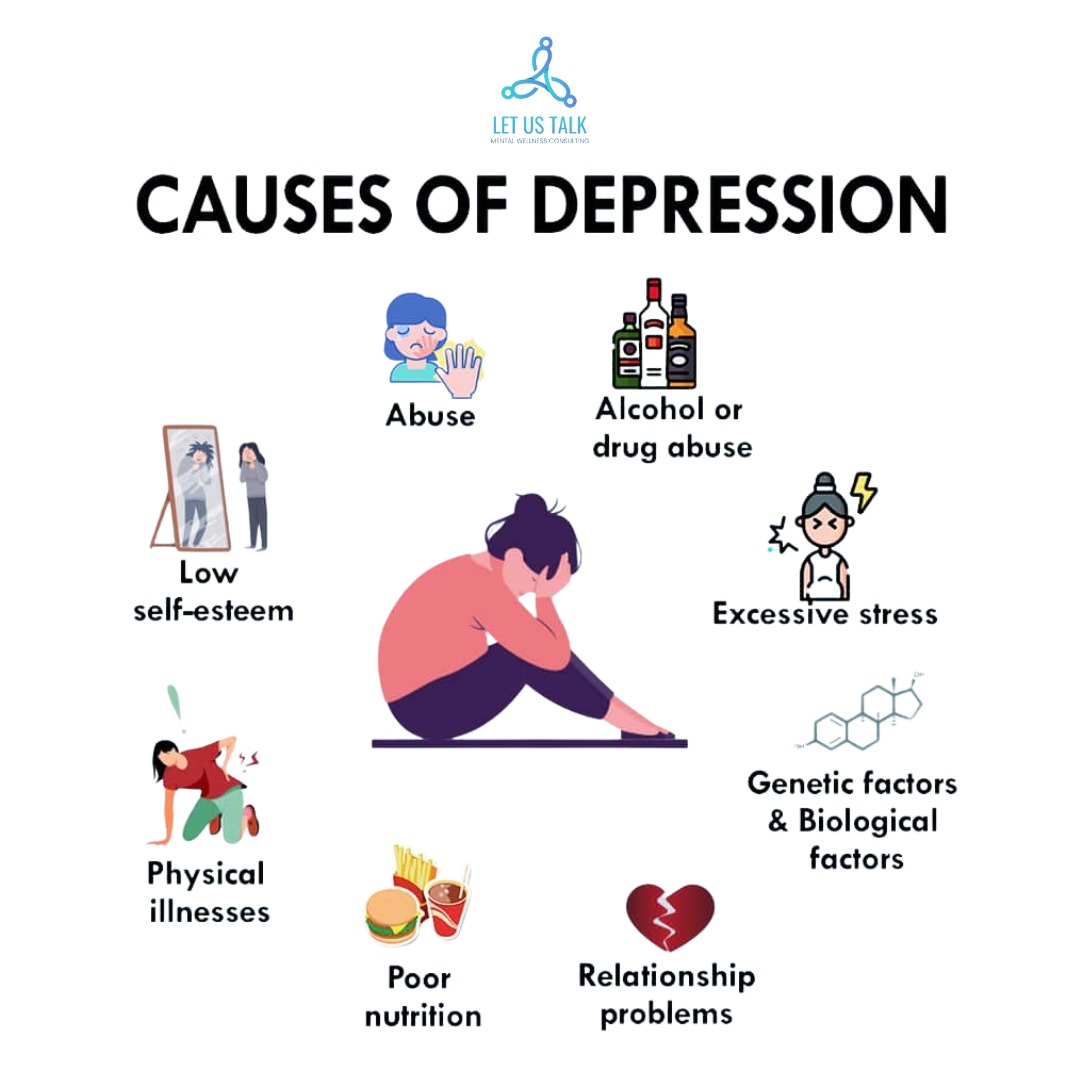
Negative thoughts about oneself can lead to extremely low self-esteem and spiral into a sense of ‘not being good enough’. Remember to remind yourself that you are a lot of things, and give yourself that much needed boost of confidence. #LetsTalkAboutIt#SelfEsteem#KanchanRai