Law of identity. A game must be a game first. The art serves the gameplay, the gameplay should not re-clock to the art.
If the art comes first, there are other mediums that do that better than games. Games are also a terrible place to tell a story, make a movie and read blocks of text.
Some advice I would give myself from 10 years ago regarding game design:
-Don't make so many physical prototypes. Everything can be done in Word and PowerPoint. Screen-clipping and copy-pasting is all you need to make a functional digital prototype for play-testing.
-Don't be scared to pitch to publishers. Many will say no, but some will say yes. Just send the email.
-Give yourself permission to use any mechanic that seems fitting for the theme, interesting, or fun. Even if it's rare within that genre.
-Publishers are generally bad or average at marketing. You need to do a lot of the marketing for your own games to get them over the line.
-Don't worry about graphics in your prototype. The graphic designer will handle all that later. It just has to look good enough for you to stand playing it over and over again.
-Have someone else proofread your rules before signing off on them. Ideally, work with a developer too. Share the load.
-Everything moves slower than you think. Things that you thought would take a week take a year. You will always be waiting on other people to do some specific job, but this is your passion not theirs so there is no urgency. This is OK.
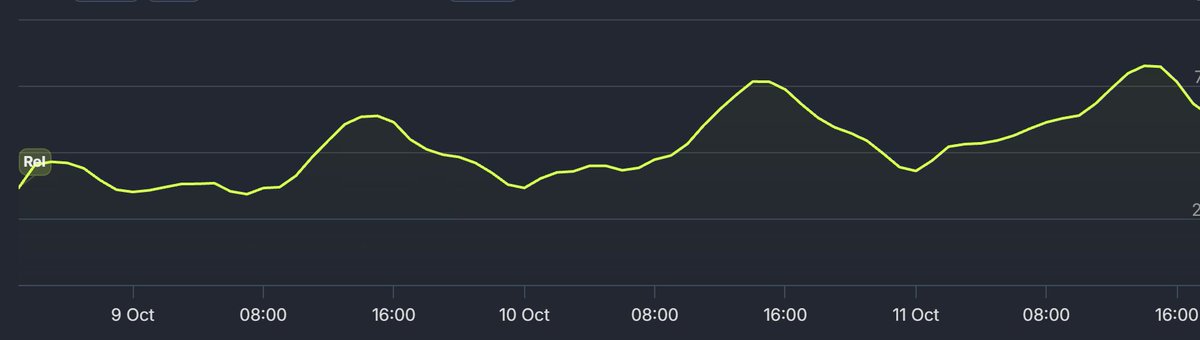
Each day since launch, Order of the Sinking Star has beaten the previous day's peak player count.
People like the game!
(This pattern is likely to stop after the weekend, but one can dream!)
It's been a few weeks since https://t.co/JolbgwKsO7 went live, so here's what it actually does now, and why I think it's a better tool than what we've had:
Metacritic and OpenCritic do one thing well: They tell you what critics thought in launch week.
That doesn't really make a to of sense in modern times anymore. Games change, so the score should too.
So VideoGamesCritic treats a rating as a living thing:
• The VGC Score updates as the game does. 120k+ patches classified, and reviews written after a real patch count the most. No Man's Sky launched at 48 with players. It sits at 82 today. Cyberpunk went from 72 to 85. Meaning, you see how good a game is now, not how the game at launch was that you can't even play anymore.
• Players hold at least two thirds of the verdict, by rule. Press informs the score, it can't outvote the people who bought the game. Nearly 2.5 million player reviews weighed, and not equally: Refund-Window Drive-Bys and Review Bombs count less.
• Every game shows the gap between critics and players, and which outlets called it right. Launch vs now, critics vs players, and a month-by-month timeline with every patch marked.
• The reviewers get reviewed too. 1,070 outlets and creators rated on how well their scores track what players ended up thinking, across 465,000+ press reviews.
• Best Deals across Steam, PlayStation Store, Nintendo eShop and Xbox Store sorted by the games rating
• Developer and publisher boards and a luminaries section that features everyone who shaped gaming
• Estimated Steam sales for every game
• Everything is a published formula over public data. No editorial thumb on the scale, no numbers and /methodology shows the whole recipe.
• There's a public JSON API, and a living VGC Seal of Quality developers can put on their store page that updates with the number.
14,628 games tracked so far, and counting.
If that sounds useful, have a look, and tell me what's missing! 👍❤️
https://t.co/KnlmQ9OaCL