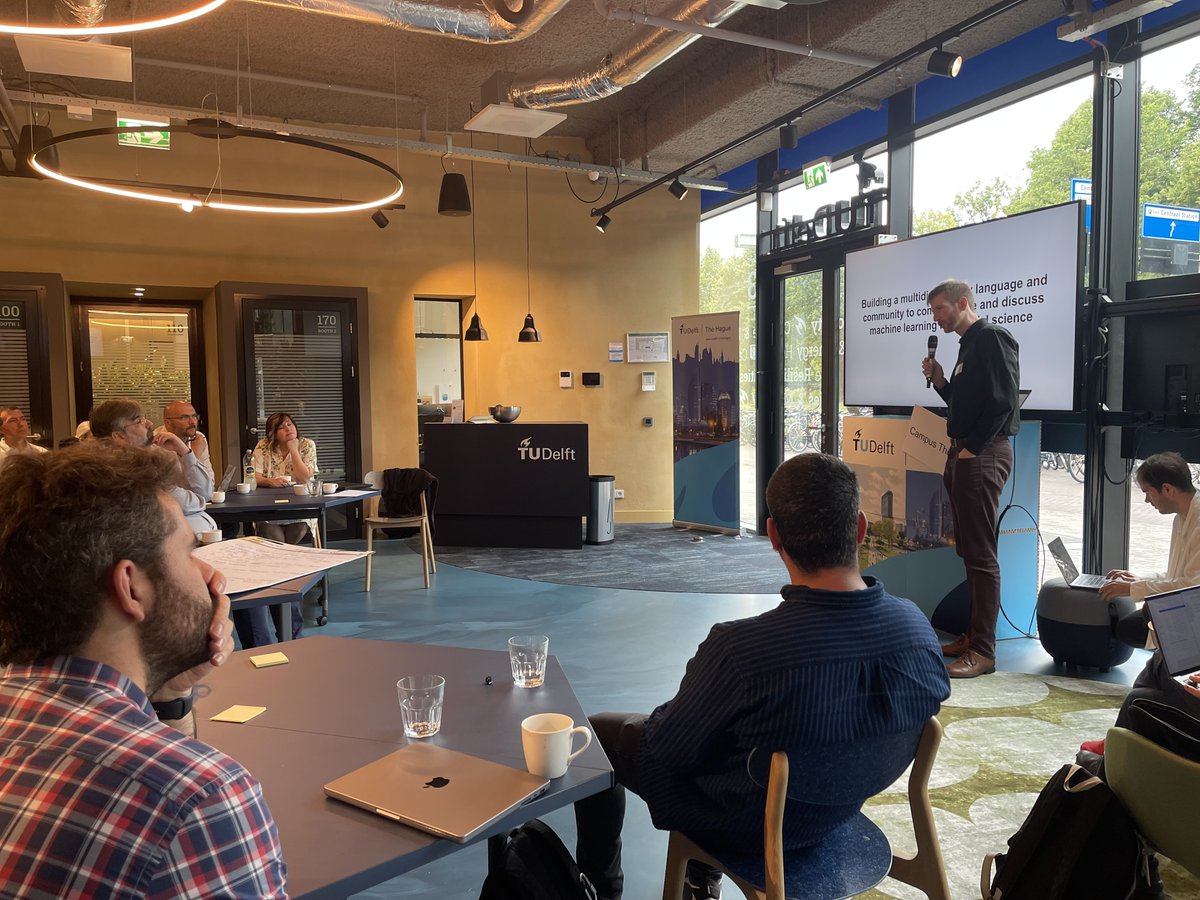
Last week, I had a fantastic time at the second DAEMON Cost meeting in Den Haag. We made great progress in developing strategies to democratize and promote diversity in machine learning for materials science.
I had a great time @CCSC2024 atomic-scale in Heidelberg. It was a great venue to meet old friends and to network. Amongst great presentations by leaders of the field, I had the opportunity to present my research on atomic scale insights into frictional energy dissipation.
I am honoured to have been selected as a finalist for the Gerhard Ertl Young Investigator Award by the Surface Section of the German Physical Society. This allowed me to present my groundbreaking research on atomic-scale friction to a diverse audience of scientists at #dpg2024.
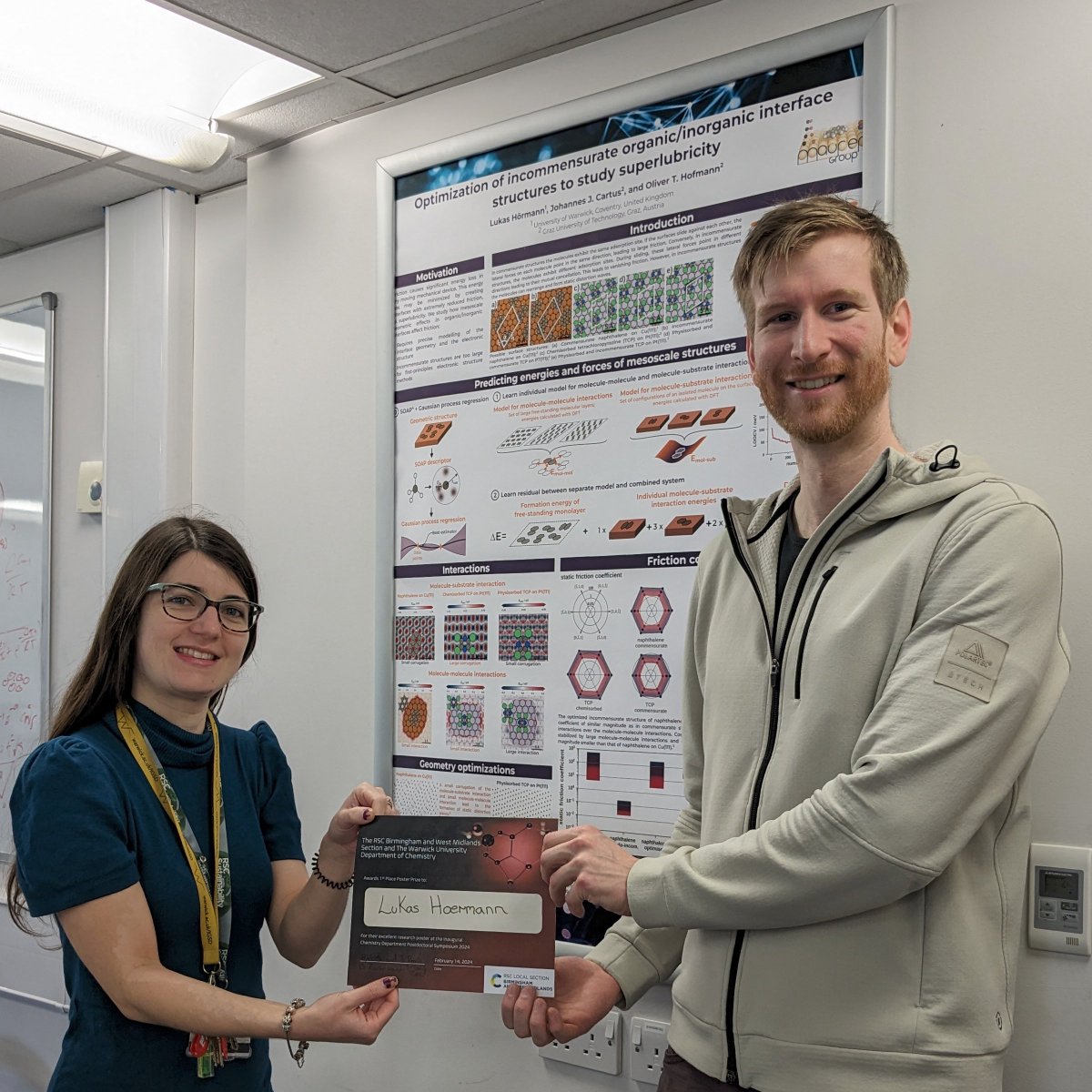
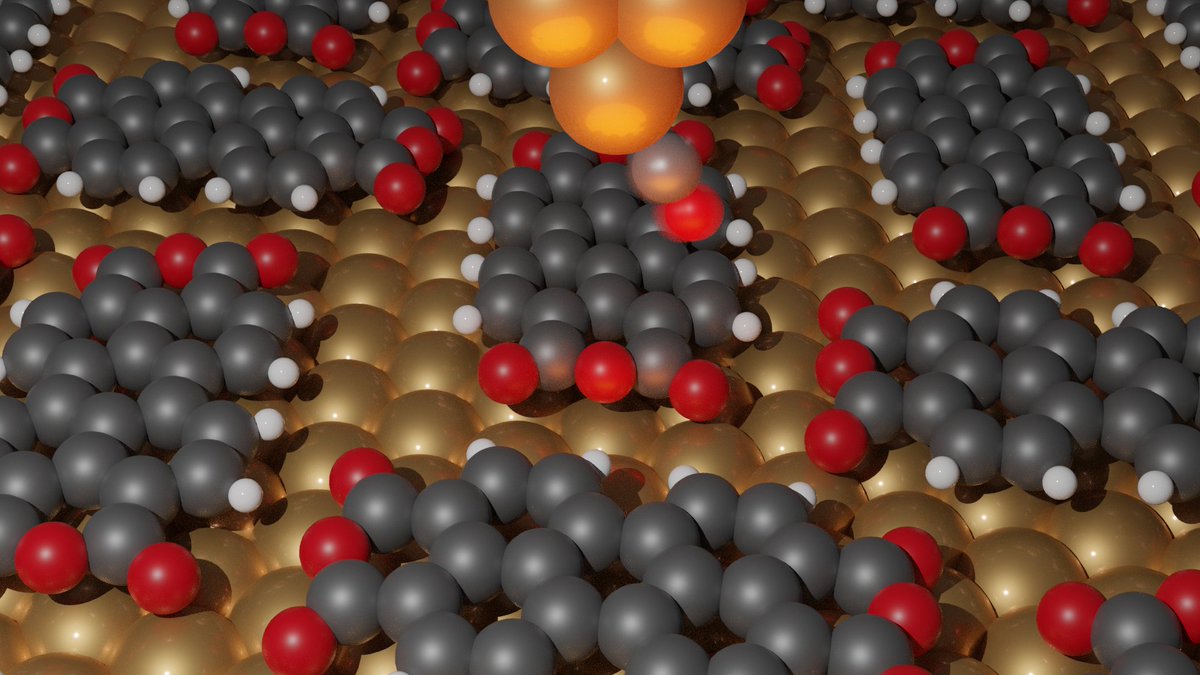
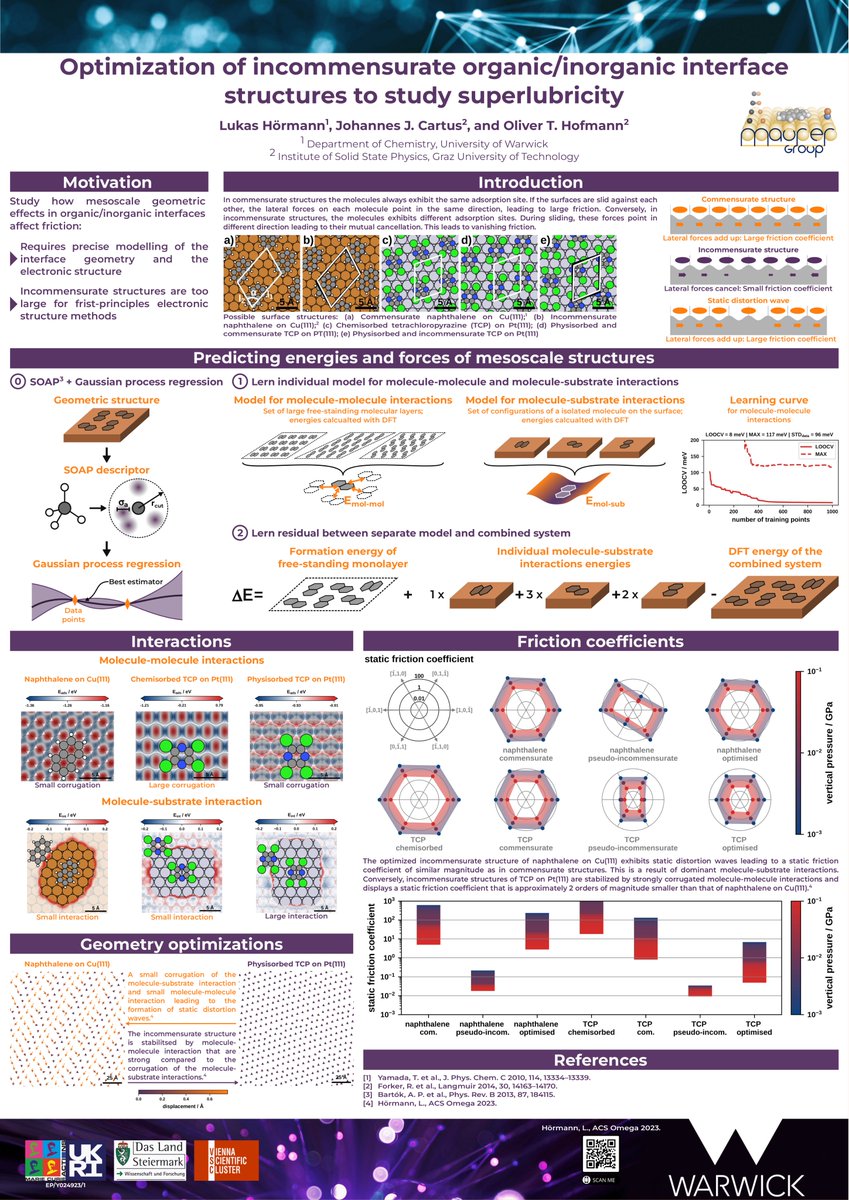
Great news! I have won a poster prize from the RCS Birmingham and West Midlands section for my work on ultra-low friction interfaces. See https://t.co/6f8UbQ8nMr for a thorough investigation of the impact that the structure of molecule/metal interface has on friction.
Our new publication explores the in-plane interactions of adsorbed molecules with lateral force microscopy. See https://t.co/yycgUggXkM to learn how we were able to directly image hydrogen atoms, which have long eluded direct measurement due to their small size.
I am very proud to have been able to present a poster dedicated to my latest work at the "International Symposium on Machine Learning in Quantum Chemistry"! If you want to learn more, please check out the publication connected to it: https://t.co/r3KdVkP8pT
I am proud to have published a new paper on engineering ultra-low friction interfaces. See https://t.co/r3KdVkP8pT for a thorough investigation of the impact that the structure of molecule/metal interface has on the static friction coefficient.
I am very proud to have received a UFO postdoctoral fellowship from the Austrian state of Styria. The project has a duration of one year and will research switchable superlubricity, a state of ultra-low friction that can be switched on and off.