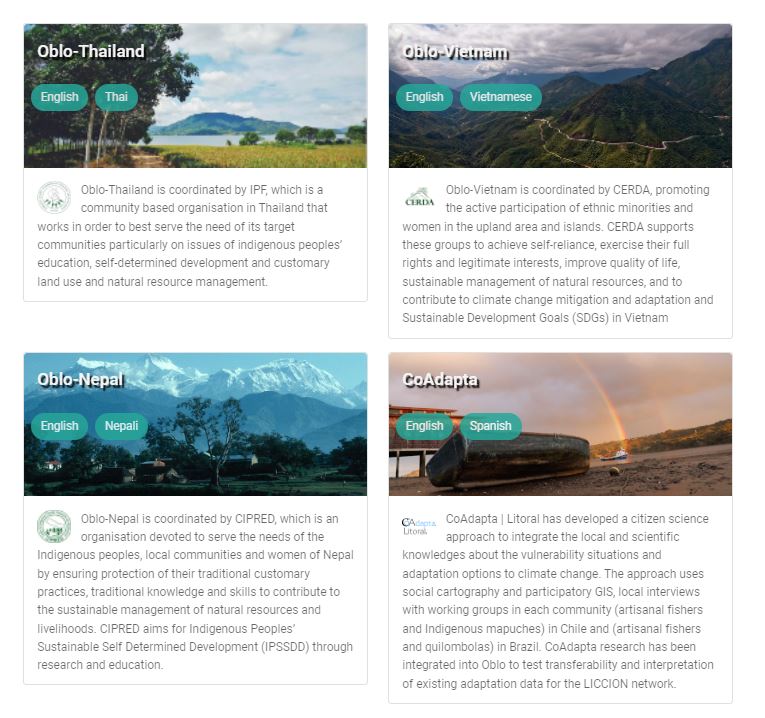
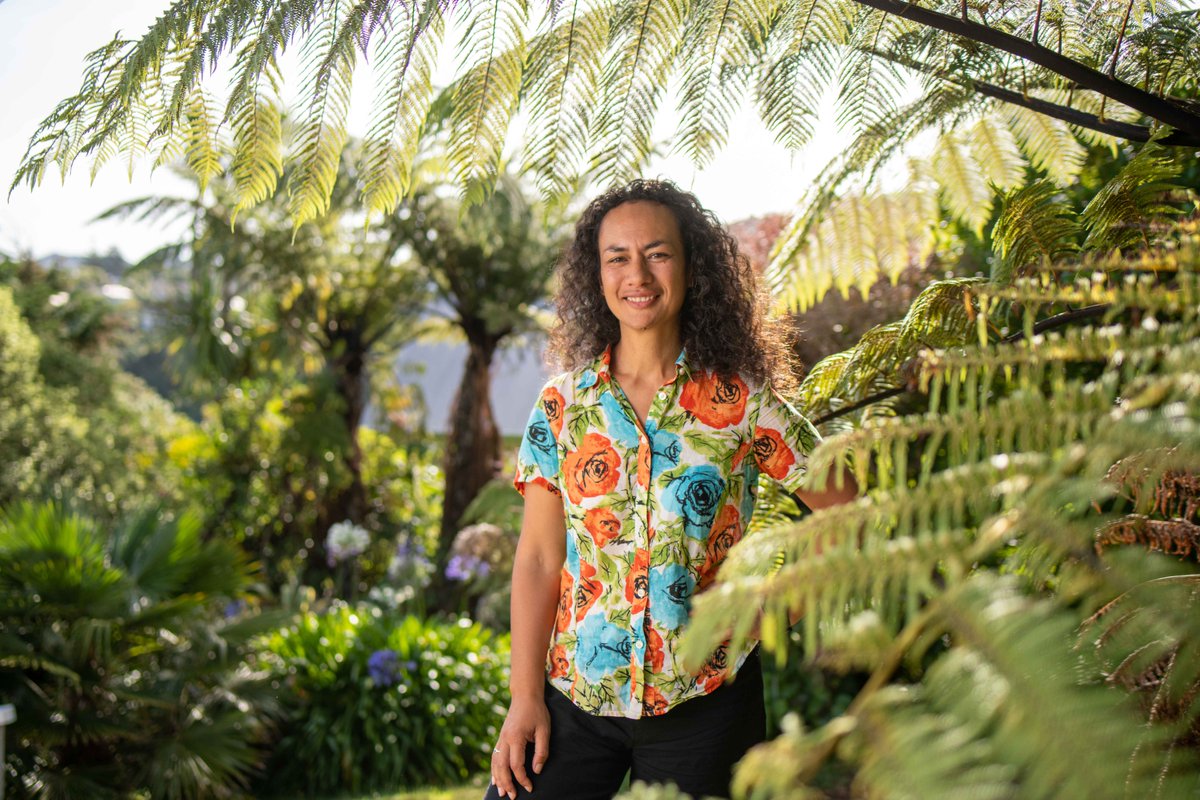
📢NEWS: We are pleased to launch Oblo beta with partner organisations and begin testing the application 📱💻. Find out how Oblo can help remote communities collect data on local climate change impacts & solutions.☀️🌊🌾🧺🐄🪲
👉🏽https://t.co/Rvk2l1Ms1R
We're hiring an ethics advisor for our project: Research on Indigenous Data Governance Protocols. Indigenous candidates with research and ethics background highly encouraged to apply. @LICCI_ERC
https://t.co/trOIalw6qq
The 4 Local Contexts Notices have been applied to the OpenTEK platform. OpenTEK is a web-based, open source citizen science platform allowing anyone to contribute information on local indicators of climate change impacts. @LICCI_ERC@LICCIONetwork https://t.co/XgHRzph7jW
If you're in Barcelona this Monday come join us at @SocietatOberta to explore intersections between Indigenous data sovereignty, environmental monitoring and climate change. Prof. Maui Hudson from @Te_Kotahi@waikato will be with us.
Seminar is in English. @ICTA_UAB@LICCI_ERC
📢 SAVE THE DATE 🗓️Mon 04/07
Seminar: “Indigenous Data Sovereignty: Bringing Māori Knowledge to Climate Change Research" with our researcher @atofighi & Maui Hudson on how indigenous knowledge can help us to understand the consequences of climate change
https://t.co/DGzWHDw30o
Have you already registered for the seminar “Indigenous Data Sovereignty"?
Our researcher @atofighi & Maui Hudson will tackle how indigenous knowledge can help us to understand the consequences of climate change
https://t.co/MzXcLozQBG
Largest ever global study of the effects of protected areas finds they don't always appear to be that good for wildlife. Factor in their often severe human rights impacts and that they do not address the drivers of biodiversity loss, what next for 30x30?
https://t.co/UzQIiHXu1B
📢With @LICCI_ERC and @coursera we created a free online course with nearly 40 tutorial videos on the complex relationship between climate change and Indigenous Peoples and local communities, including impacts, agency, adaptation methods and governance.📝
https://t.co/NnM66VnuPh
Our @LICCI_ERC colleagues contributed to the latest IPCC report. "Local responses to new stresses will be needed," says Anna Schlingmann.
👉🏽https://t.co/ap1PGGlrIv
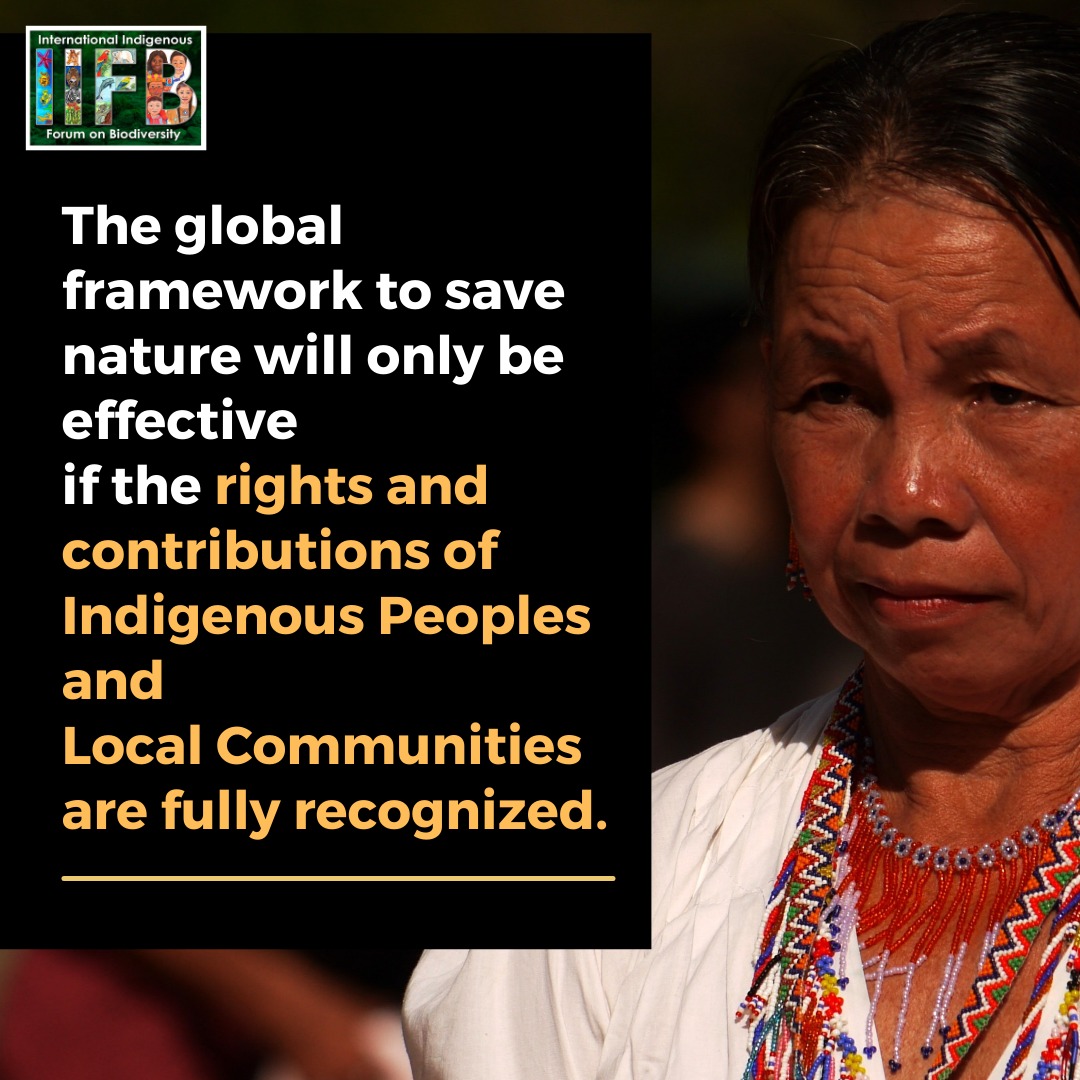
Our @LICCI_ERC and partner researchers have played an important role in demonstrating the urgency for upholding IPLC rights in the #post2020 Biodiversity Agenda. Today the @IIFB_indigenous has cited this research in their latest press release.
📝https://t.co/yOeRKmH6Ts
📢 #PressRelease
“If we don’t have a framework to protect #nature that truly recognises and respects the rights of #IndigenousPeoples and Local Communities those who are actually #conserving#biodiversity, humanity is going to be in danger,”
Full release:
https://t.co/3CCSaOvzxS
A NEW briefing presents what is urgently needed to effectively adopt a #HumanRights based approach across the implementation, monitoring, and reporting of the post-2020 global #biodiversity framework 🔗https://t.co/ImqoTvCYnT
@UNBiodiversity@SwedBio@ForestPeoplesP
IPLC rights remain "under-recognised and under-supported, and the emergence of OECMs (other effective area-based conservation measures) needs to be understood against that context." Excellent briefing on post-2020 GBF by @ForestPeoplesP@ICCAConsortium
https://t.co/JGo7Myctd2
Transformation research & Indigenous futures thinking is gaining traction in academia. But, who actually needs to be transformed? Is the goal always "sustainability"? How do we avoid singular narratives? Our colleague @CarlaLGarrido has shed some light on the topic. Thank you!
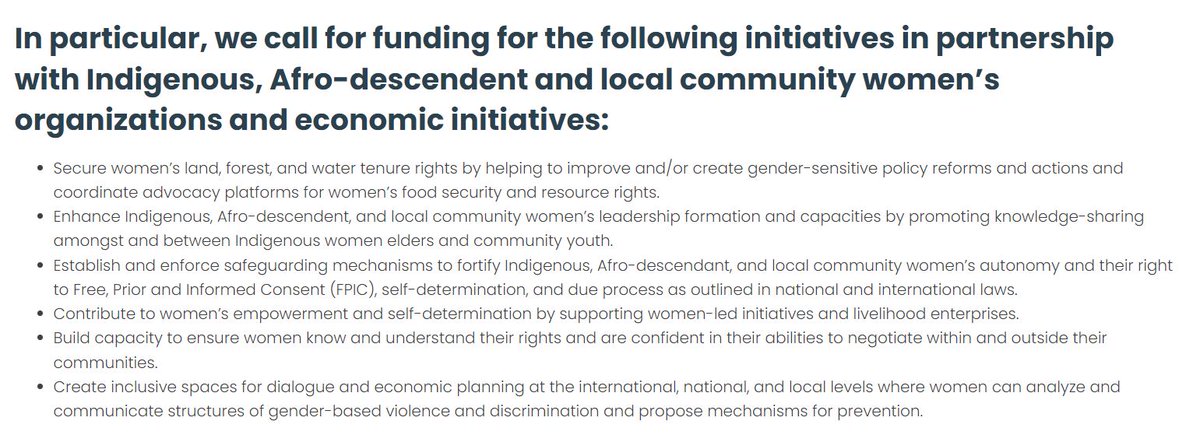
Call to Action📢Gender-inclusive climate finance must not leave Indigenous, Afro-descendant, and local community women leaders behind @RightsResources
👉🏽https://t.co/h2Ehf5IoYv
Submission from @tebtebba to the Local Communities and Indigenous Peoples Platform for the UNFCCC's global stocktake process.
Examples from Asia, Africa and Latin America on how Indigenous peoples address climate change.
👉🏽https://t.co/C1m10lewxg
In recent decades, Māori researchers and knowledge holders have elevated the position of mātauranga (Māori traditional knowledge) about oceans in academic and community contexts.
https://t.co/BdcZHaQmuq
@MonicaEvansNZ for @mongabay