Rest timer guilt is fake.
If you’re lifting for strength, rest is part of the set — it lets you keep form clean and hit quality reps instead of rushed, messy reps.
Train hard. Rest smart. Repeat.
Back to school or office doesn’t mean back to zero.
You don’t need 2 hours—just 30 minutes and a plan.
A) Full body: squat + press + row
B) Lower: hinge + lunge + core
C) Upper: press + pull + arms
Train smart. Leave stronger, not exhausted.
Most people fail reps before they fail muscles.
Because the rep usually breaks at the setup—brace, breathing, bar path, and control.
Fix the foundation, and the same weight suddenly feels lighter.
Breathing isn’t just automatic — it’s a strength tool.
Proper breathing helps stabilize your core, protect your spine, and generate more power during heavy lifts.
That’s why experienced lifters brace before the rep.
Control your breath, control the lift.
Everyone saw the weight move.
But strength isn’t just movement.
Hips shifted.
Bar drifted.
Core loosened.
It looked powerful.
But the form told a different story.
Real strength holds position.
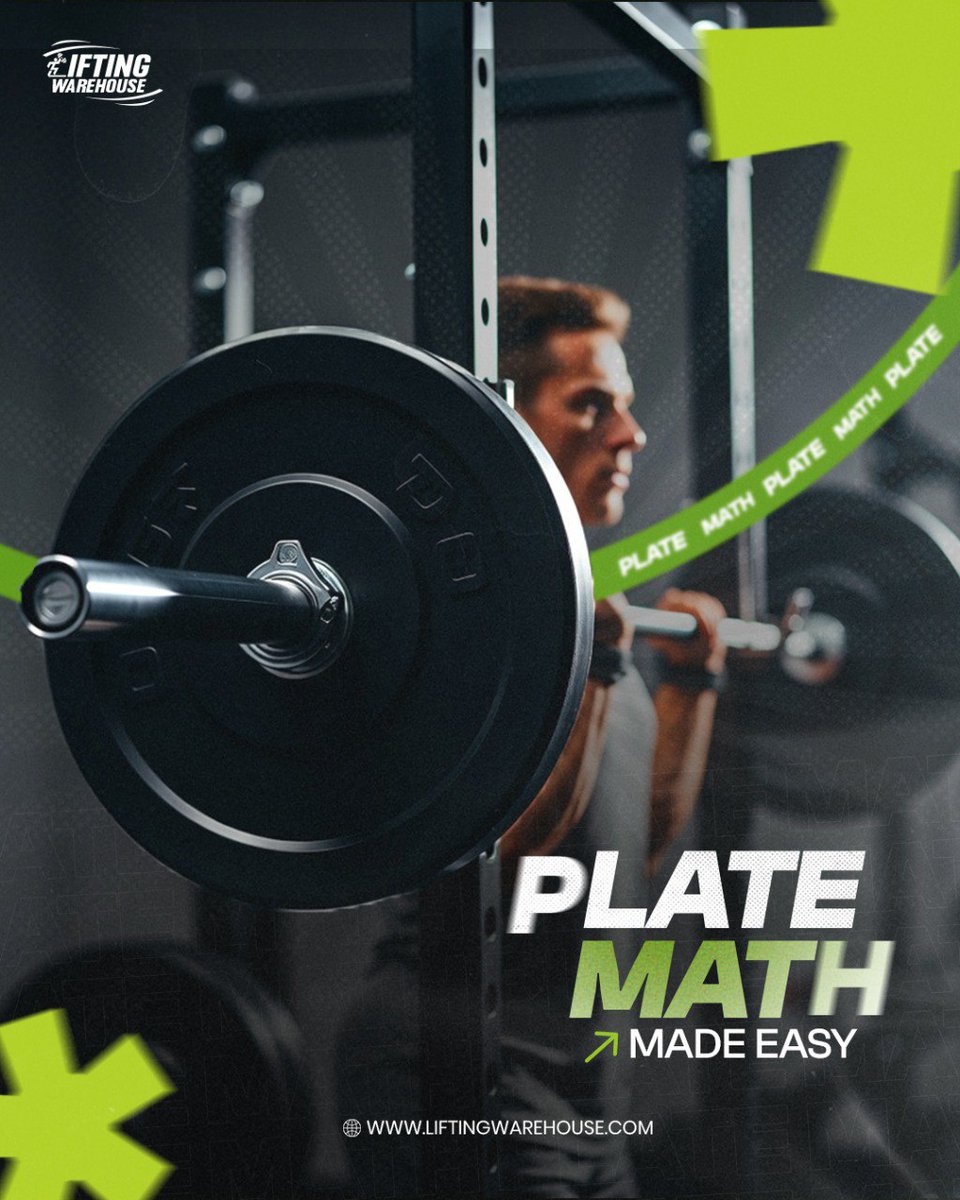
Plate math isn’t hard — you’re just overthinking it.
TOTAL = BAR + 2×SIDE
Want plates fast?
SIDE = (TARGET − BAR) ÷ 2
Load both sides the same. Hit your number. Lift.
Old-school warm-up: touch your toes… then lift.
Modern warm-up: raise temp + mobilize joints + activate muscles… then lift.
Research shows dynamic warm-ups boost explosive performance, while long static stretching right before lifting can reduce it.
Olympic lifting wasn’t always two hands.
Early Games featured one-handed lifts —
snatches and jerks done with a single arm.
One arm.
All power.
Before standardized rules —
there was raw strength.
Big lifts aren’t built with big jumps.
Serious lifters progress in small, controlled steps.
Micro plates reduce strain, protect joints, and keep progress sustainable.
Strongmen once lifted live animals — before barbells even existed.
Unpredictable weight. Moving load. Pure control.
That’s the root of modern strongman.
The first weightlifters weren’t athletes — they were soldiers.
Strength meant survival.
Weapons were heavy.
Armor was heavier.
Training wasn’t optional.
It was life or death.
Strength isn’t lost at the top of the lift.
It’s lost when the bar drifts.
Too far forward.
Too far away.
Power leaks instantly.
A straight, efficient bar path keeps tension where it belongs
and turns good lifts into PRs.
Most lifters walk into the gym and immediately start lifting.
That’s the problem.
Your first 10 minutes decide
– how strong you feel
– how much you lift
– and how safe you stay
No warm-up = wasted session.
Prep right. Lift heavier. Last longer.
Dumbbells aren’t dumb…
They’re silent bells from 17th-century England. Early strongmen removed the clappers so the bells wouldn’t ring while training.
These quiet weights built power, grip, and endurance — and centuries later, we still pump iron, carrying on their legacy.
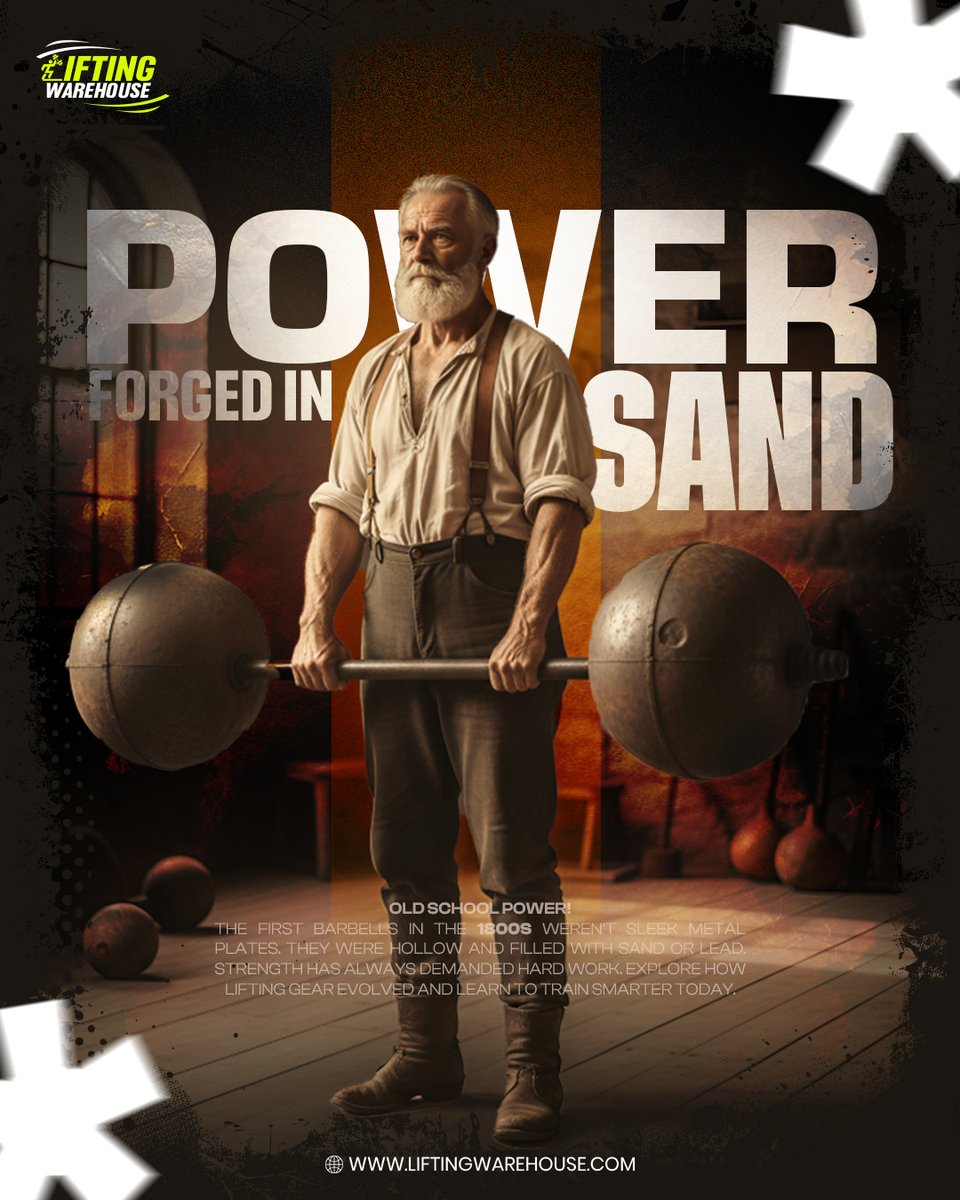
Old School Power!
The first barbells in the 1800s weren’t sleek metal plates. They were hollow and filled with sand or lead. Strength has always demanded hard work.
Explore how lifting gear evolved and learn to train smarter today.
Think movie strength is real? Think again.
Hollywood stunts may look epic, but real powerlifters redefine what heavy truly means. From rare raw 1,000+ lbs deadlifts in competition to record‑breaking pulls over 1,100 lbs, every rep is science and precision.
Elite lifters don’t always add more weight—they add less.
Microloading—tiny increments like 0.25–0.5 kg—lets your nervous system adapt, protects technique, manages fatigue, and compounds strength quietly.
Sometimes smart beats heavy.
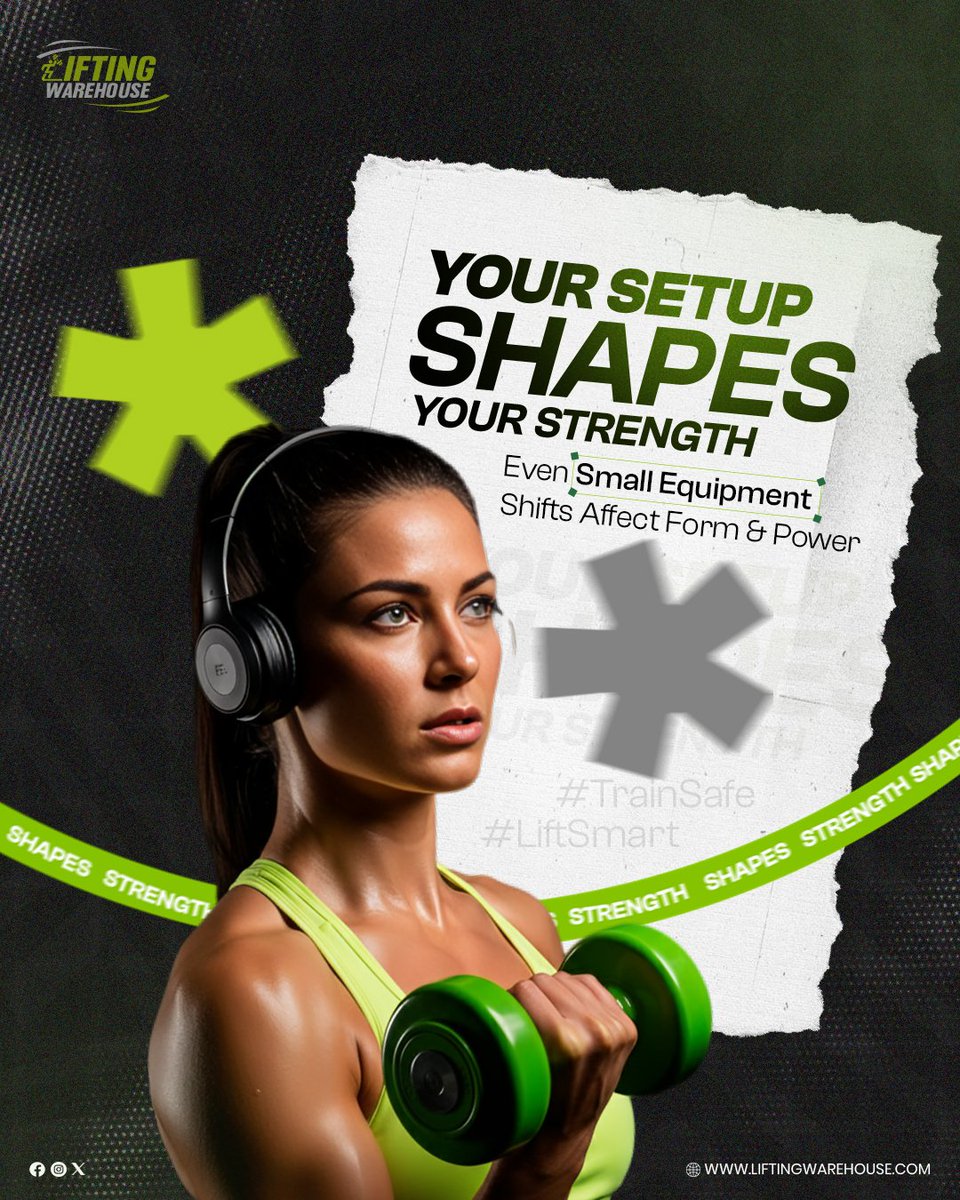
Most home gym injuries come from poor setup, not heavy weights.
Unstable benches and misaligned racks ruin form and strain joints.
Check your setup, stay safe, and keep making progress.
" It’s exhausting being compared to everyone, all the time." — Hailey Bieber
In a world that rewards perfection, even the people we think have it all feel the pressure.
Comparison steals peace. Confidence comes from authenticity.
Stop competing. Start becoming.