Higher interest rates from the Fed this year have led to an extremely strong US Dollar, causing the prices of imported goods in developing countries to shoot up. The Fed is, in a way, "exporting inflation" and adding to the debt burdens of those countries.
When OPEC says it is looking at output cuts, commodity markets react quickly by raising prices, with oil company share prices following suit... even before any output changes happen.
This is important to remember since recessions are often (not always) accompanied by bear markets, so for disciplined and careful investors, recessions and bear markets have often been great long-term buying opportunities.
🎓 MoneyFitt Explains: Turkey’s 83% inflation (vs conventional wisdom)
Turkey’s consumer prices in September were 83% higher than a year earlier on President Erdogan’s unconventional policy of cutting rather than raising interest rates.
🧵👇
@Chris_Skinner is exactly right... and “shareholder values” translates to fund managers saying “I was just following orders, boss!” – viz Milgram (Yale) / Haggard (UCL) and the “sense of agency”
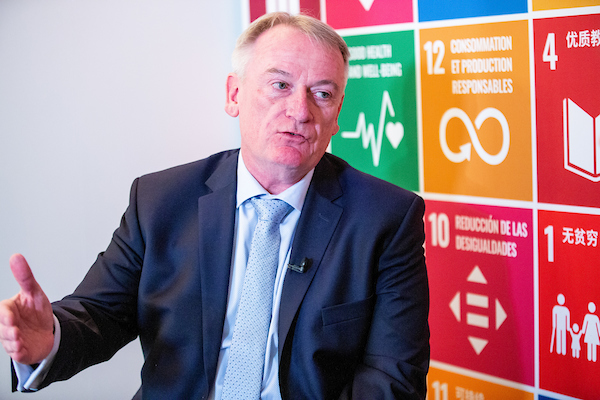
Banks are driven by shareholder values, they can talk about stakeholder value, but… to align with the #GlobalGoals is hard when banks employ a short-term view. — @Chris_Skinner
His prediction for next decade? Govts will put stricter regulations in place for banks. #SDGLive