We have a fantastic opportunity for someone to join our Adoption Team in Scotland. 👪 💚
To learn more about this Practice Manager role, click here: https://t.co/FBxB9wiOLQ
We are offering an exciting opportunity to join our @BarnardosScot Adoption Service as a Adoption Social Worker (Post-Adoption Support). 👪💚
To find out more and to apply, please visit: https://t.co/D7gqzZUh8J
Make Better Choices (with @_MissingTheMark)
It’s a common feature of the primary school classroom. The behaviour chart on the wall, with children’s names on pegs. Children are moved from the sun to the clouds, or from green to red if their behaviour isn’t what is required by their teacher. The language usually goes from celebratory ‘Star Student!’ to condemnatory ‘Poor Choices’ or ‘No Playtime’.
It's in public. The whole class can see who is doing well and who is struggling. The internet is full of versions of these charts to buy, and the advertising copy is all perky positivity. ‘Keep Your Students on Track!’ or ‘Help Your Class Make Good Choices!’. They look so cheerful in their bright colours, so harmless. Who could object? And they work! Children want to stay on the green zone because it feels so bad when they are moved.
Until you talk to the parent of a child who struggles. They’ll tell you about the way in which everyone in their class knows who is on the raincloud, and that no matter how hard their child tries, they just can’t keep still all day. They’ll tell you how their child is known as the ‘bad’ one, and the other children don’t want to play with them. They’ll tell you of developmentally inappropriate expectations, and of the way in which these charts put all the blame on the children.
They’ll tell you of the way in which the chart takes no account of the way that their child is dealing with friendship difficulties and family illness, and instead frame their actions as a ‘poor choice’. The behaviour charts stop us asking whether perhaps the way in which we require children to sit and listen at school isn’t a natural way for young humans to learn. They stop us seeing their behaviour as communication or feedback. It’s reduced to something to control.
These charts use public shaming to foster compliance. They use fear and anxiety – even the children who are always on the Sun lie awake at night, scared that one day they will fall from grace, and everyone will know. That’s how they work. Children ‘behave’ because they are scared of the consequences if they don’t.
It’s Children’s Mental Health week. Perhaps as a psychologist you might expect me to be using it to call for better funding for CAMHS, for a counsellor in every school. Perhaps you think I might be calling for more therapists to be trained and more wellbeing hubs. Instead, I’m calling for a mass take down of behaviour charts.
Psychologists will never have the same impact on mental health as changing the way we treat our children. We could have a psychologist on every street corner, but their job is to intervene when things have gone wrong. Far more efficient is to change the environment which is making children distressed. Think of it like lung cancer. We could have the best oncologists in the world, but all they can do is treat people who are already ill. To reduce levels of lung cancer, we needed a smoking ban.
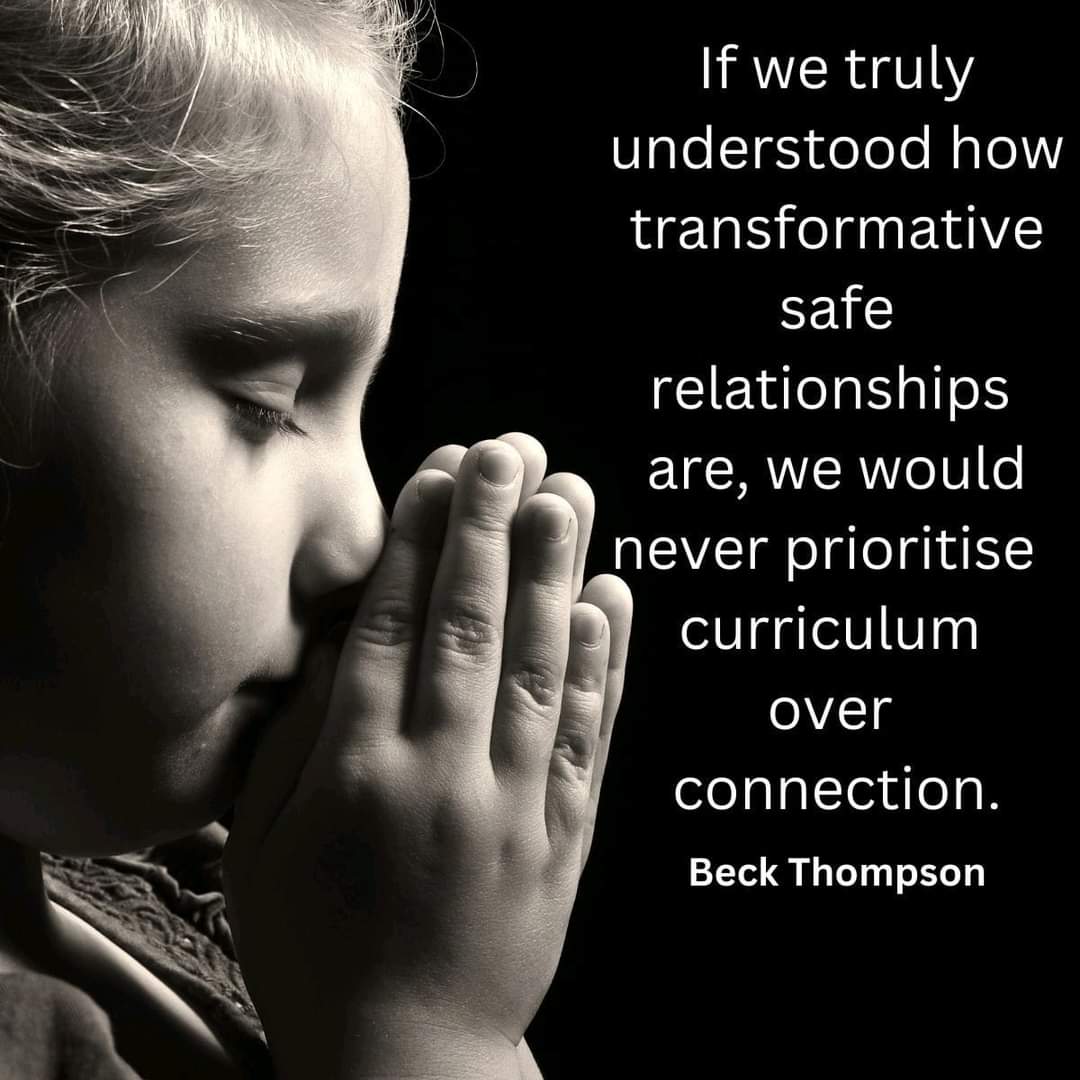
We’re using shame and anxiety to control children’s behaviour, thinly disguised in bright colours and ‘Ready to Learn!’. It should be no surprise that many of them are unhappy and anxious. In fact, perhaps we should be more surprised if they weren’t. It’s in the very air that they breathe and we, the adults, are putting it there.
They’re breathing it in like smoke.
💭 Considering adoption but have a few questions?
Find answers to our frequently asked questions, including 👇
👧 Types of adoption
🏳️🌈 LGBT+ people and adoption
💚 Adopting with Barnardo's
https://t.co/mghxXeg4vm
We have an exciting opportunity to join the @BarnardosScot Adoption Team as a Supervising Social Worker. 💚 👨👦
Full details here➡️ https://t.co/UU9IsZSiZT
📢 Spaces are still available for our session on Monday, 27th March
📢 If you are in education in Scotland come and find out more about our work around Social and Emotional Learning
📢 Featuring links to HWB, nurture, UNCRC and whole-setting approaches
✅https://t.co/YLI4ZtsxaF
We are excited to have opportunities for you to come and work in the @BarnardosScot Adoption Service within the Support Team and also within the Assessment and Family Finding Team.
Closing date is Friday. Please follow the links:
https://t.co/8dlKrcNyIi
https://t.co/zH0uJD7i8n
@RobHoll Just been at a meeting in a room in the ICafe in Merchant City. Was a nice space and think it would be reasonable. Looks like booking is through https://t.co/cm9emFx5qr and you can narrow search to area and cost and number of people.
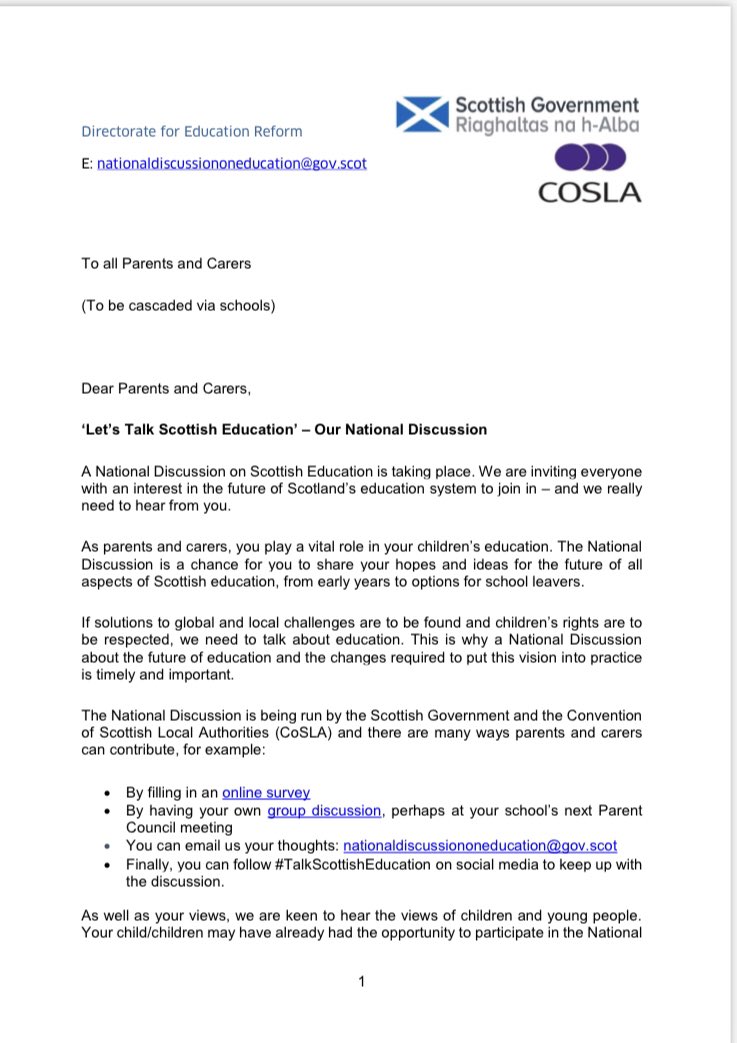
Are you the parent or carer of a child/children in Scotland? We’re inviting you to contribute your views to a National Discussion on the future of Scottish education. More info 👉 https://t.co/jnwjLK4fqj
Let’s #TalkScottishEducation@AlmaHarris1@connect_scot@parentforumscot
Our #Scotland#fostering services have seen a 50% rise in children being referred in the past year.
We’re appealing for more people to consider the difference they can make by being a foster carer.
Read about the current situation👉https://t.co/08ue2y152h
https://t.co/4W5HpxlKoE