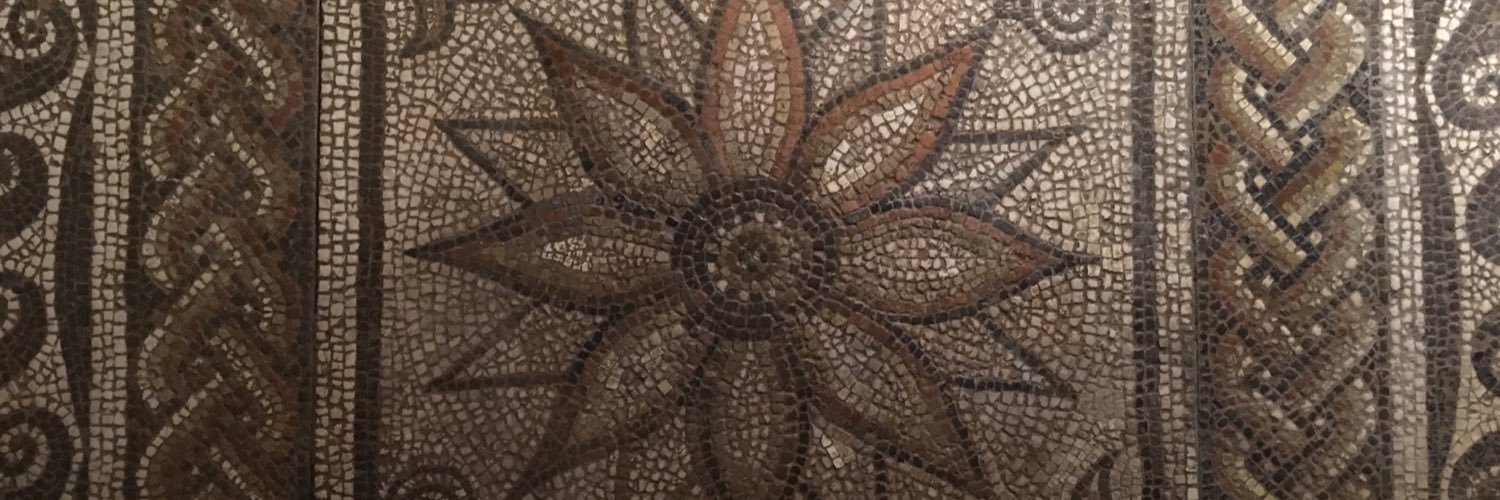
Launching #WildWednesdays – a space for sharing ideas/images that evoke the ‘wonder and enchantment’ of wildlife, past, present & future! This 6000-year-old elm leaf from Windy Harbour, Lancs captivated crowds at the recent #TheWorldOfStonehenge exhibition @britishmuseum@oatweet
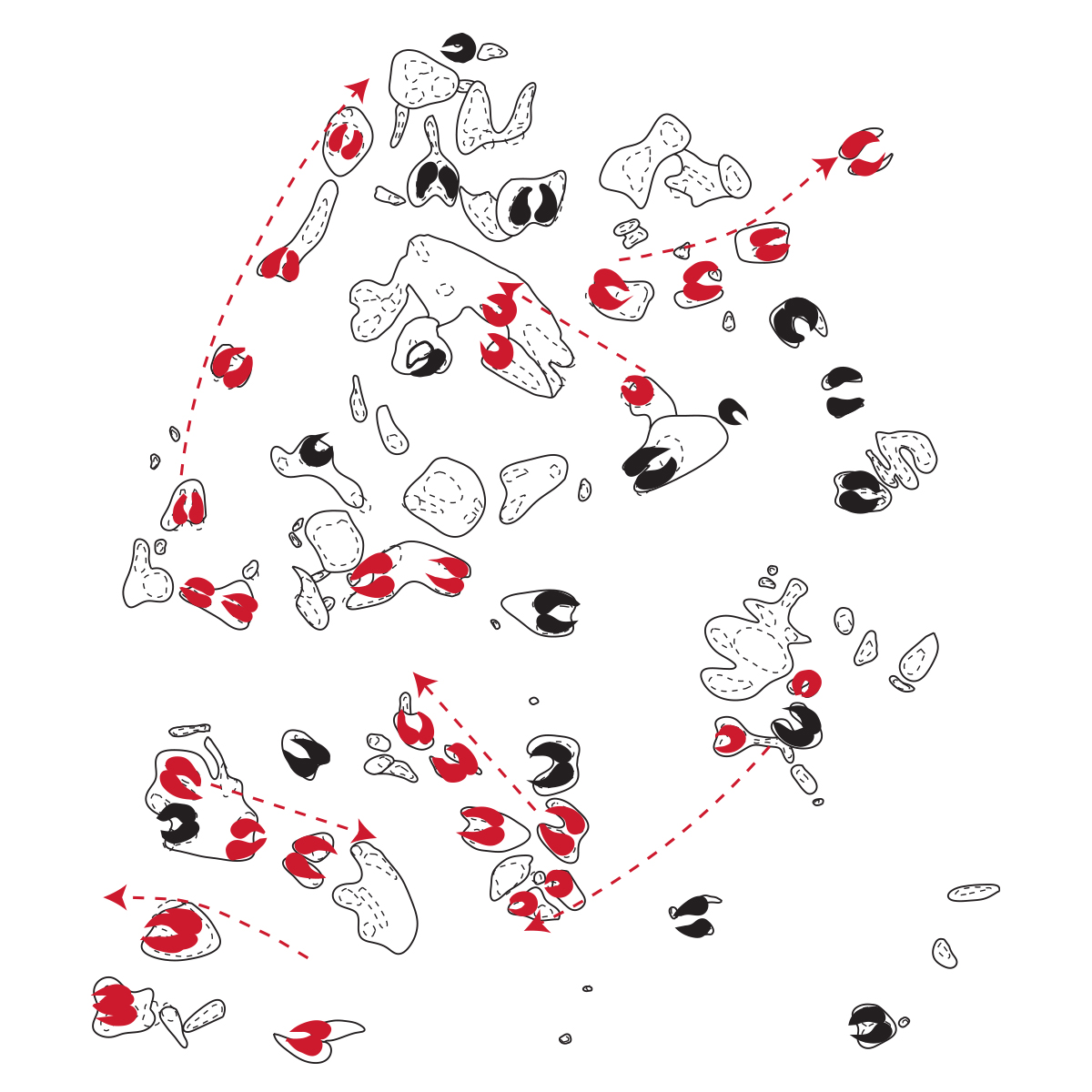
These images show different areas of hoofprints of cows, pigs and deer that were left in the clayey sediments around a prehistoric watering hole discovered at Bradley Fen, Whittlesey. It was even possible to spot patterns where animals had walked down to drink before leaving.
Call for papers! Abstracts due 29th July for the 42nd @Envarch conference on "The Environmental Archaeology of Landscapes and Land-Use" which will be 2-4 Dec '22 at @UofGArchaeo
https://t.co/cCfM1ZlKev
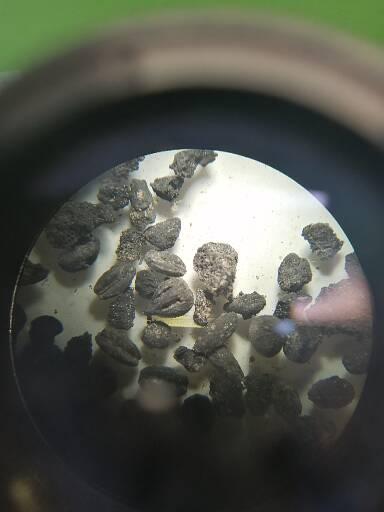
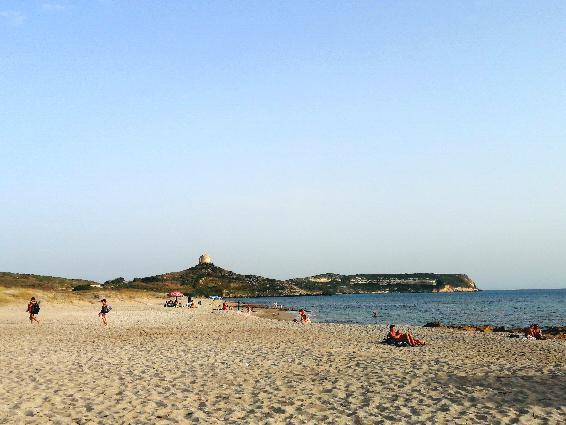
Sun, sea and samples. Spent the week @UCTharros studying the results of 3 years of flotation - early assessment means we can provide feedback to the excavation team and refine future sampling! 🌾🍇🔬
Calls for Open Life Science 6 are open. https://t.co/buBL9AB4oB
Great opportunity to develop open project, get training in open science and have a mentor to guide you.
Applications by 7 July 2022 + starts on 19 September.
@open_phytoliths@Envarch#archaeology#archaeobotany
Job claxon📢: we're hiring FTC staff for an excavation this summer. Multiple roles to apply for - Excavation Supervisors, Finds Supervisor and Archaeologist, Environmental Supervisor and Archaeologist. All details on our website. 👇 Closing date 3rd July https://t.co/puIU9UfiBM
@AndreasGHeiss This historical information on the conferences is very exciting! I've spruced up the Wikipedia page with the info https://t.co/M5c5OhHWVv
The International Working Group for Palaeoethnobotany has just made it into the 21st century with a lovely new website - it has tonnes of historical information on the previous meetings from 1969 onwards. Fantastic work @AndreasGHeiss ���� #archaeobotany
https://t.co/szFsxAPzAQ
Elizabeth Stroud @school_of_arch is presenting the FIBs trait data + models which will be released in the summer as an R package, so everyone will be able to produce the iconic intensive vs extensive lollipop diagrams used by Bogaard et al.
This is incredibly exciting
#IWGP2022