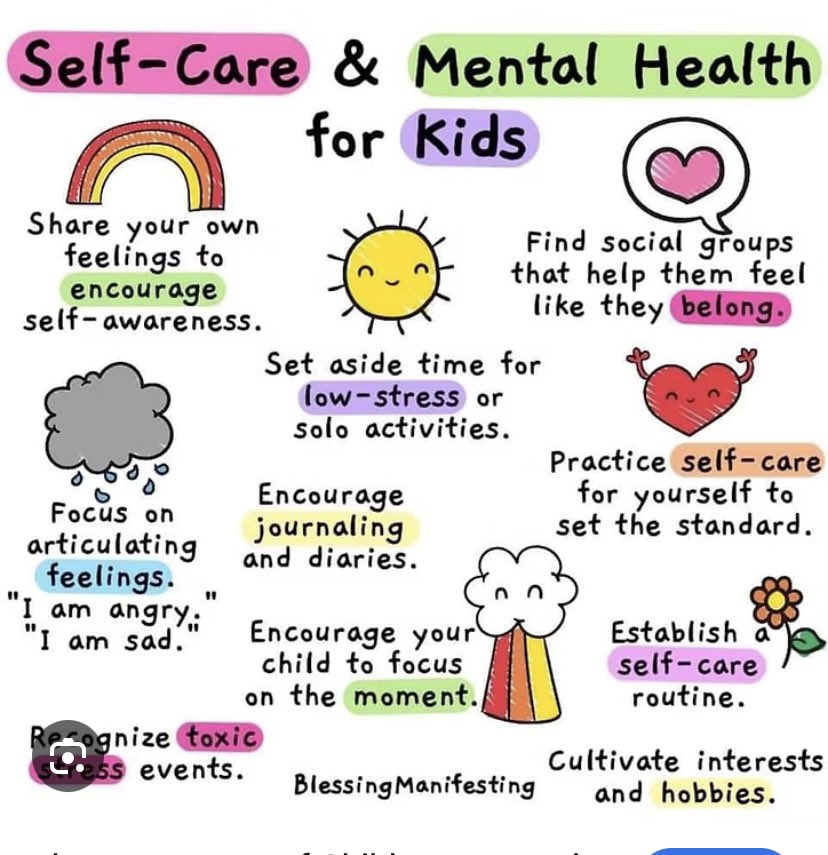
This #ChildrensMentalHealthWeek, let's support young minds together! 💙
Check out our resources and services for young people across Cheshire and Merseyside. Watch our reel to see what’s on our website to help them thrive 📽️ #SpreadTheWord
https://t.co/wJlvf2UFId
#CMHW
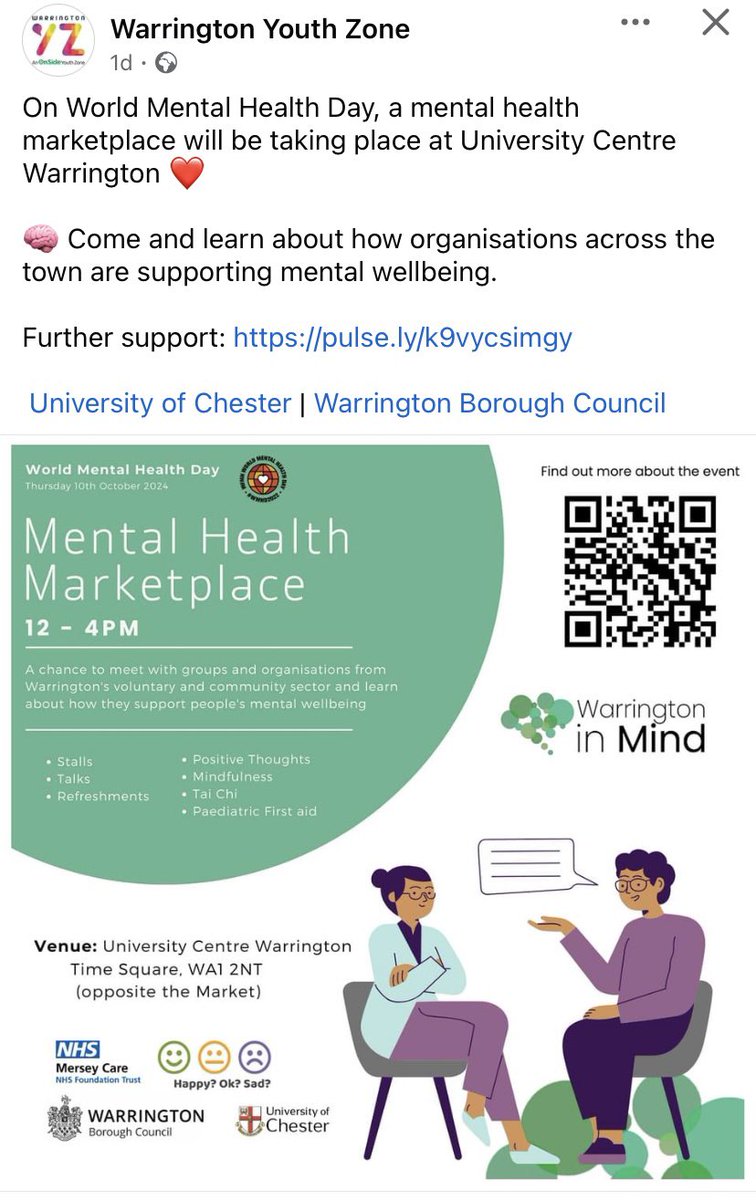
It’s #WorldMentalHealthDay 🌍 Take that first step to getting help.
Save and share this post and help us make sure there’s no mind left behind.
You could also try 👇
@PAPYRUS_Charity Hopeline: 0800 068 4141
Text SHOUT 85258 @GiveUsAShout
@samaritans@theCALMzone@TheMixUK
Would you recognise the warning signs of a mental health crisis in yourself or a loved one? 🚨
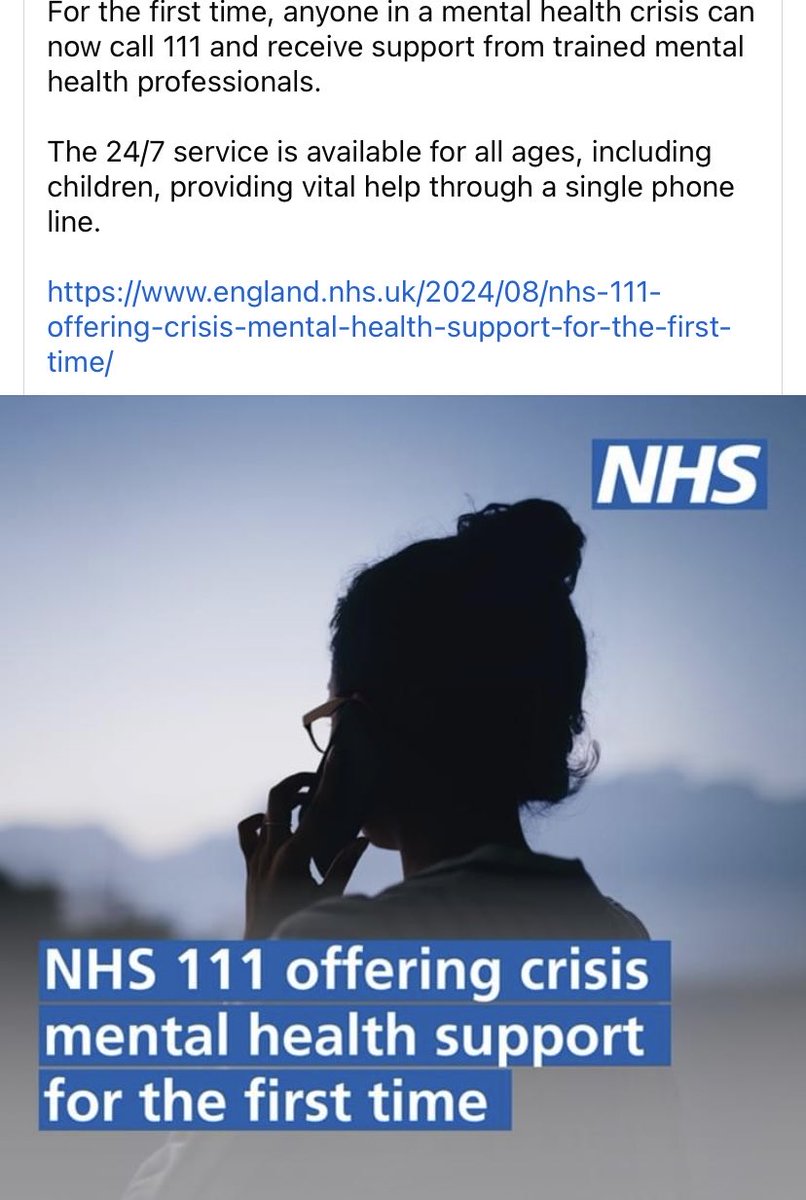
Check out our short animation to learn what to expect during a #MentalHealth#Crisis. Remember, we’re here for you 24/7 💙
For urgent support, visit 👇🏾
https://t.co/OTtBjV0JzB
It’s been 63 years since suicide was decriminalised in the UK. But so many of us still use the term ‘commit suicide’.
Why does it matter? Language that links suicide and crime can increase stigma and prevent people struggling with suicidal thoughts from speaking out.
If we choose language like ‘died by suicide’ or ‘took their own life’ we allow space for open conversations and compassion. Let’s choose our words carefully.
#WorldSuicidePreventionDay
How to respond when a young person opens up to you about their mental health
1/ Listen
Try to let them share without interrupting. Repeating back what they’ve told you can help both of you be clear about what they’ve said and how they are feeling.
If they are finding it overwhelming, you can suggest they write it down. That way, they can take their time to think about what they are trying to say, without worrying about how it might come across in conversation, or worrying about getting emotional in front of you.
2/ Reassure
Often, when someone has opened up about how they are feeling, they might immediately feel worried that you won’t take their feelings seriously, or that they have said the wrong thing. Reassure them that they have done the right thing.
3/ Validate
No matter what a young person is struggling with, their experiences are valid and it can be helpful to remind your young person of this. You could say ‘it’s really understandable that you’re feeling…’ to let them know that their feelings are okay.
4/ Act
If you feel they need further support, there are a number of services you can signpost them to – visit our website for more information. However, if you feel they are at immediate risk of harm, or it is not safe, call 999 or take them to A&E.
Lastly, remember it’s not all on you. It’s a great privilege for a young person to reach out to you for help – but it can feel daunting and worrying. But don’t worry if you don’t have all the answers – simply offering to be by their side can be huge help.
Great to see mental health at the top of the agenda for today's Prime Minister's Questions. The crisis in our mental health hospitals has been going on for far too long. It's time to #RaiseTheStandard. Thanks to @Bill_Esterson for asking this important question!
If your child is anxious about going back to school, here are some things you can do to support them and encourage them to talk about how they are feeling. https://t.co/TuiwvKZ2Em