Are you building tech tools to strengthen social cohesion in the US? Or trying to stay current on what's emerging in the space?
Join Listen First Project and Civic Health Project for the Roundtable for Bridge Building Tech-Tools — a virtual gathering for innovators and organizations working at the intersection of AI/LLM technology and civic connection.
📅 Tuesday, June 30, 2026
🕒 3–4:30pm ET | Zoom
The first hour features lightning presentations from tech innovators showcasing their tools. The second half opens into a peer discussion for bridge-building tech innovators (invite only).
Whether you're building or learning, there's a seat at the table for you.
🔧 Present your tool → https://t.co/NiaDcPeo68
📋 Register to attend → https://t.co/fVq6QvLc4O
🎬 The Better Together Film Festival is back! Join screenings across the country throughout July–in alignment with America’s 250th Anniversary–to see stories of people finding common ground. Sign up to host or attend today! #ListenFirst
🔗 https://t.co/Lt6Lp3VNZh
Have you watched “Fire Pit” yet? This series brings together two people from very different backgrounds to gather around a fire together. Season one included opposites like a conservative influencer and a drag queen.
Happy Earth Day!
@United_ByNature – powered by @NINP_org – is rebranding conservation to make it fun, rewarding, and something every American feels called to be part of.
With their new online show "The Fire Pit," they're showing that Americans still care deeply about protecting our wild places, and the best way to spark real change is by meeting people where they already are: in culture, not politics.
The “Fire Pit” YouTube series brings together two people from very different backgrounds around one of humanity’s oldest rituals: gathering by a fire. Season one included opposites like a conservative influencer and a drag queen.
We’re excited to see a show that prioritizes surprising connections between folks who initially might think they don’t have very much in common. By the end, viewers are left with the sense that communing with nature creates connection, even between the most unlikely pairs. Who would you bring to your campfire?
https://t.co/Zf64CTqA16
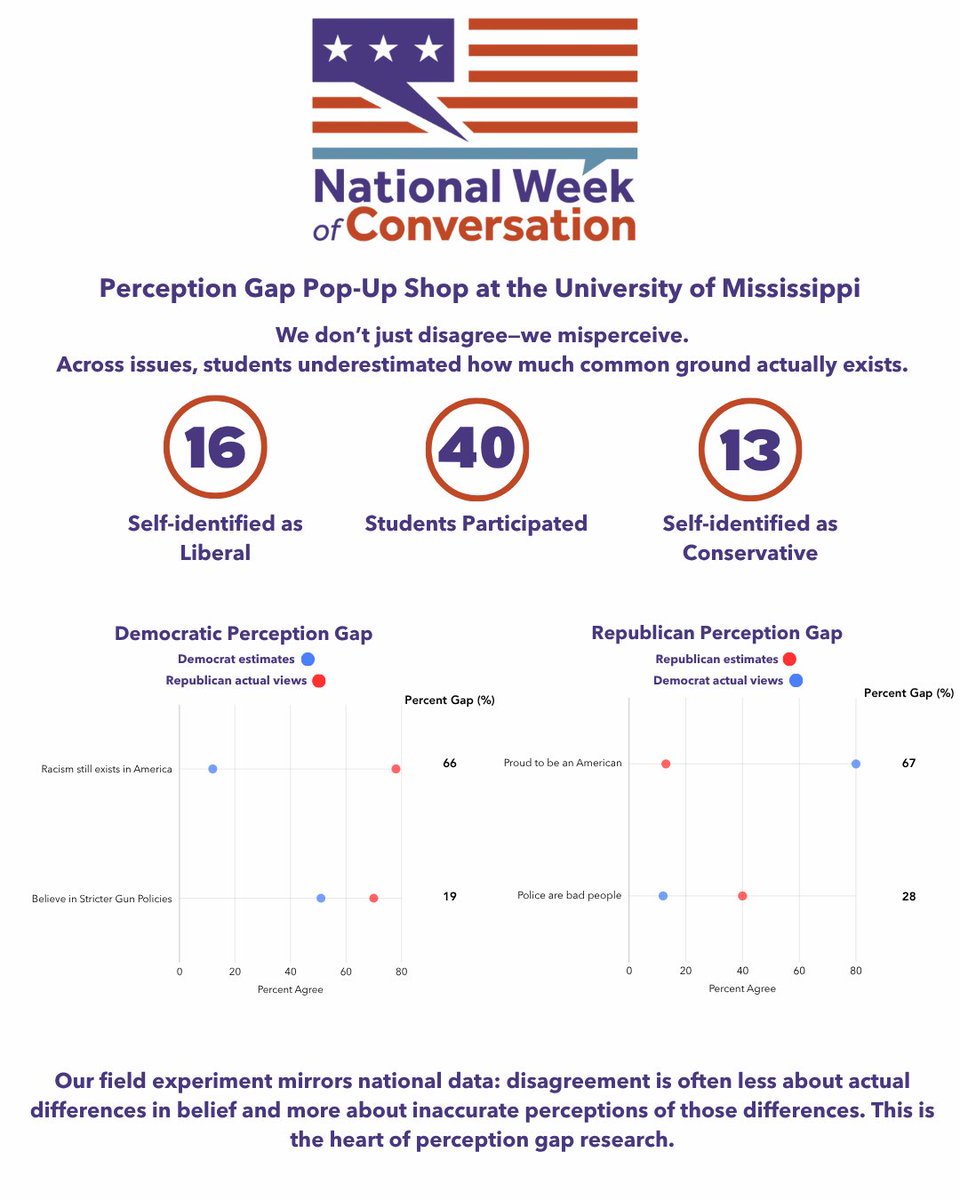
During National Week of Conversation, Ole Miss explored the perception gap in real time.
Students participated in an interactive pop-up lab that compared perceived beliefs with actual responses across key issues.
Understanding the gap is the first step to closing it.
Congratulations to @BridgeEntLabs on this feature in The Chronicle of Philanthropy.
BEL serves as the entertainment arm of the bridge-building, and this article features their fantastic work.
Eden Stiffman’s latest for the @Philanthropy captures the strategic bet behind our work: inspiring the entertainment industry to create better stories of us: “This Nonprofit Whispers in Hollywood’s Ear About Polarization. They Hope You Tune In.”
Stiffman explains that BEL focuses on turning research into practical insights that storytellers can apply. The goal isn’t to make storytellers “eat their vegetables” or to introduce explicit bridging themes into every story; instead it’s to make small changes that might encourage audiences to think more deeply about a certain character or group. As BEL CEO @StevenOlikara says, stories don’t merely inform people. They shape what feels normal, what feels possible, and who feels recognizable. With Bridge Entertainment Labs, the goal is to move beyond “us versus them” narratives.
.
This work is also subtle. As Erica Lynn Rosenthal, director of research at the Norman Lear Center at the University of Southern California, puts it, “When people feel like they’re being preached to or manipulated … they tend to shut down and reject the message.” The best stories feel authentic, not didactic.
As Steven says: “If it feels like a lesson, it doesn’t work.”
As Stiffman points out, our work is about reaching a Hollywood that values viewpoint diversity. “There are many more people in the entertainment industry, storytellers we work with who are more heterodox in their views, beliefs, and political opinions, than people would realize,” Steven says. “They almost come out quietly to us. They feel like we are a trusted space where they can truly be their full selves and not have to silence certain parts of them for fear of being canceled.”
And, while this kind of work can be slow, it’s also very powerful. Hollywood has used storytelling to move the needle on issues from drunk driving to gay marriage. Indeed, BEL’s efforts are already driving real change within the entertainment industry. As Steven puts it: “We just see more and more of an effort among storytellers to connect our mission to the work that they’re doing. It’s now really part of the zeitgeist in the industry.”
🙏🙏@flyingwrestler
Link to the article in comments!
The goal was simple: show that many of the differences we focus on are often overstated, and that understanding starts with being willing to listen. This initiative brought that idea to life in a tangible way, reminding us that connection is still possible when we engage
During National Week of Conversation, Ole Miss turned conversation into action.
Students hosted a pop-up lab outside the Student Union, creating space for real, face-to-face conversations aimed at addressing toxic polarization.
Through interactive prompts and open dialogue, participants were encouraged to step outside their usual perspectives, engage with people they may not normally talk to, and challenge assumptions about division.
As part of this year's National Week of Conversation, students at Ole Miss held a debate on affordable housing. It was fantastic to see the local turnout, as community members with a variety of backgrounds came together to discuss potential solutions
https://t.co/byhHzGzB7n
Happy #ListenFirst Friday from @PeaceActUSA!
Meet Ups are open to anyone. No prior experience, background knowledge, or special skills are required. Learn more or get involved at��https://t.co/DwE2e6xZYe
This semester, students in Professor Bodie’s campaign class at University of Mississippi explored what it means to live in a polarized world and how to bridge those divides through real conversation.
The lessons don’t end here, they carry into every conversation that comes next.
What changes when we choose curiosity over certainty?
Bridging isn’t just being willing to talk to someone different than you. It’s choosing to believe you still have something to learn from them. That shift changes everything.
#ListenFirst#NWOC#NationalWeekofConversation
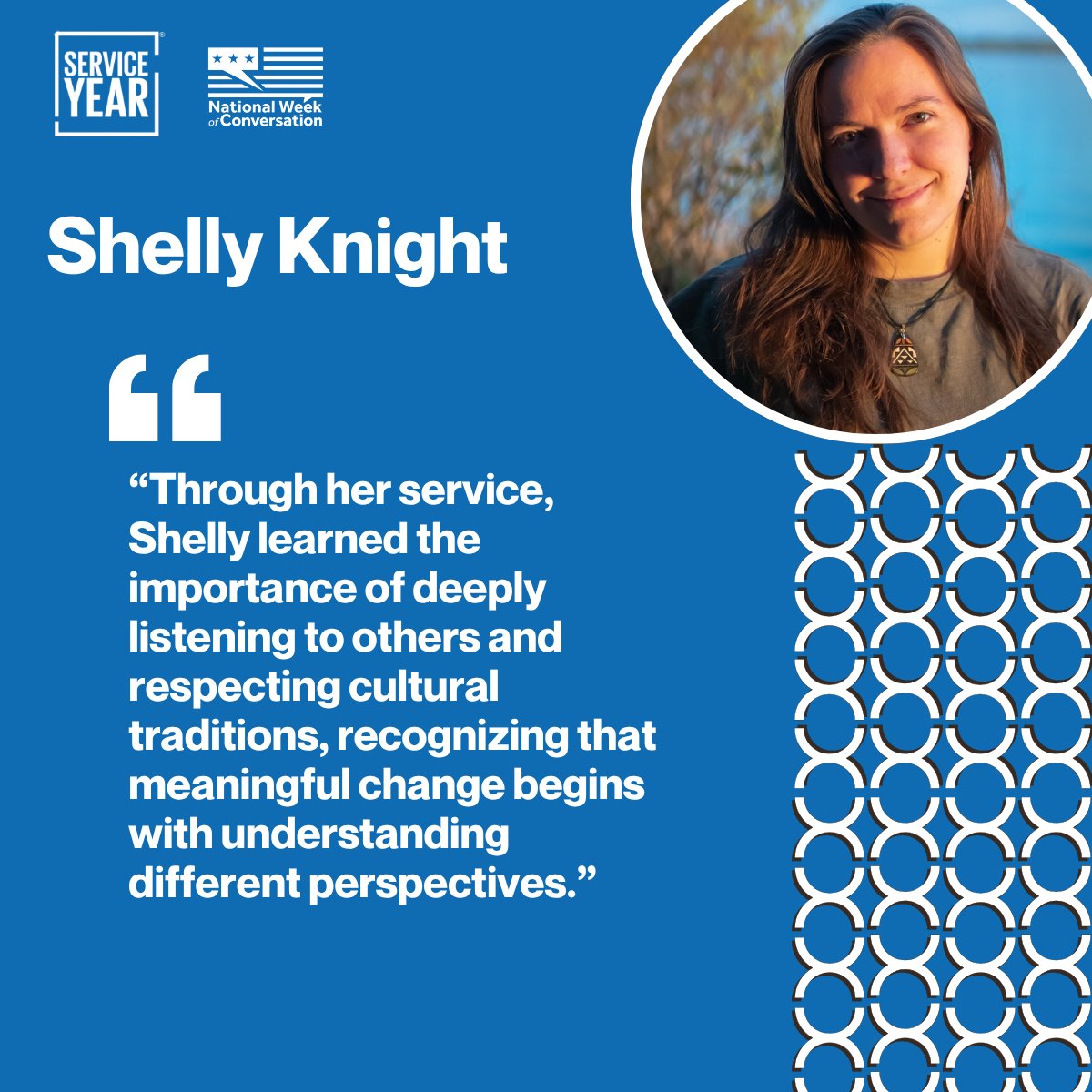
Shelly Knight’s experience demonstrates how deeply listening and respecting cultural traditions can create space for meaningful change.
This National Week of Conversation, we invite you to listen first and engage across differences.
https://t.co/ucfWxYsFGW
Creating spaces for belonging starts with a shared vision.
During National Week of Conversation, we’re elevating stories from that show how connection and understanding can lead to lasting impact.
Read Christopher’s full story: https://t.co/Xowqn2S9uk
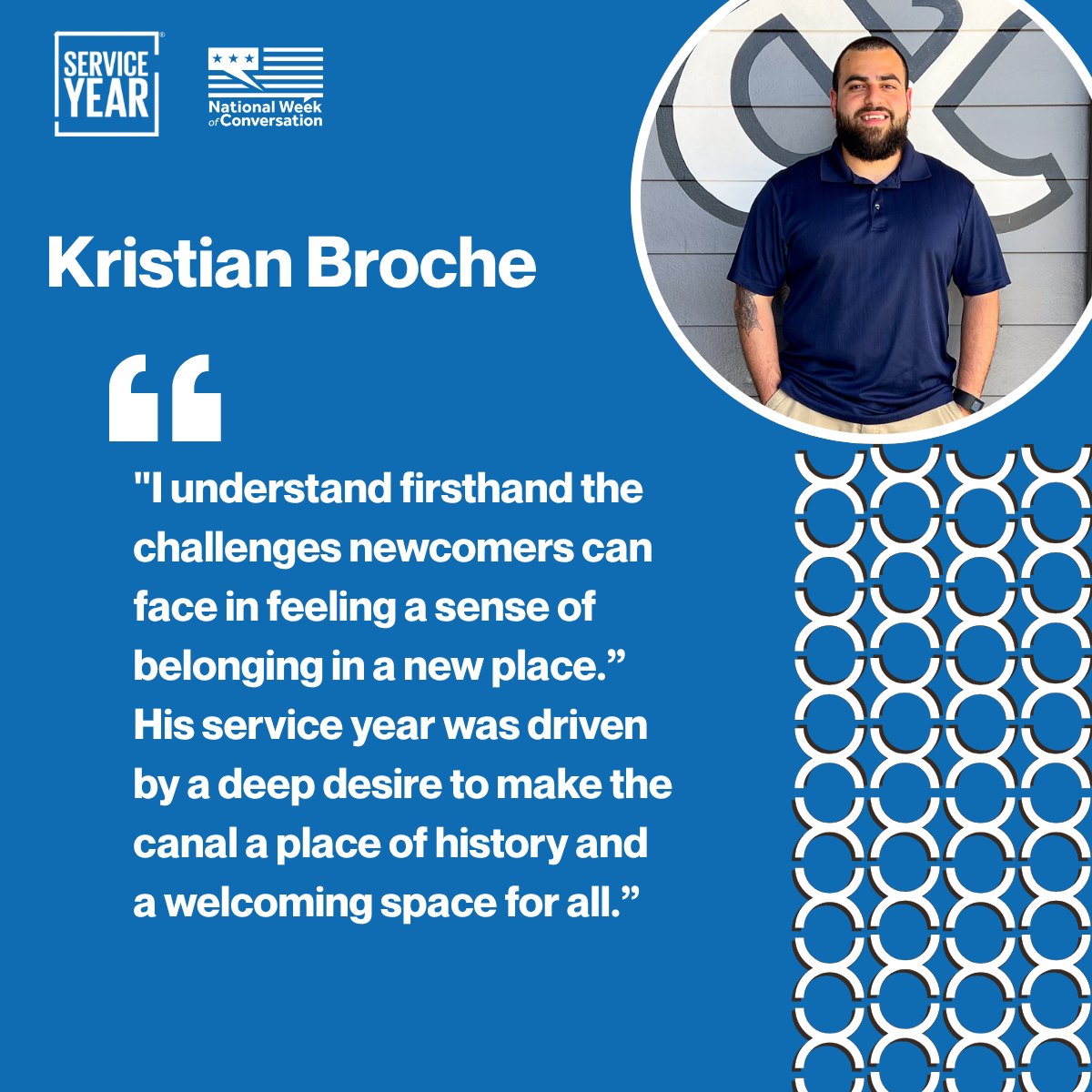
Belonging doesn’t happen by accident, it’s built with in As a 2024 Service Year Alum Award Winner, Kristian Broche’s work is rooted in creating spaces where newcomers feel seen, welcomed, and connected.
https://t.co/5KHaHNP2Uk
#ListenFirst#NWOC#NationalWeekOfConversation
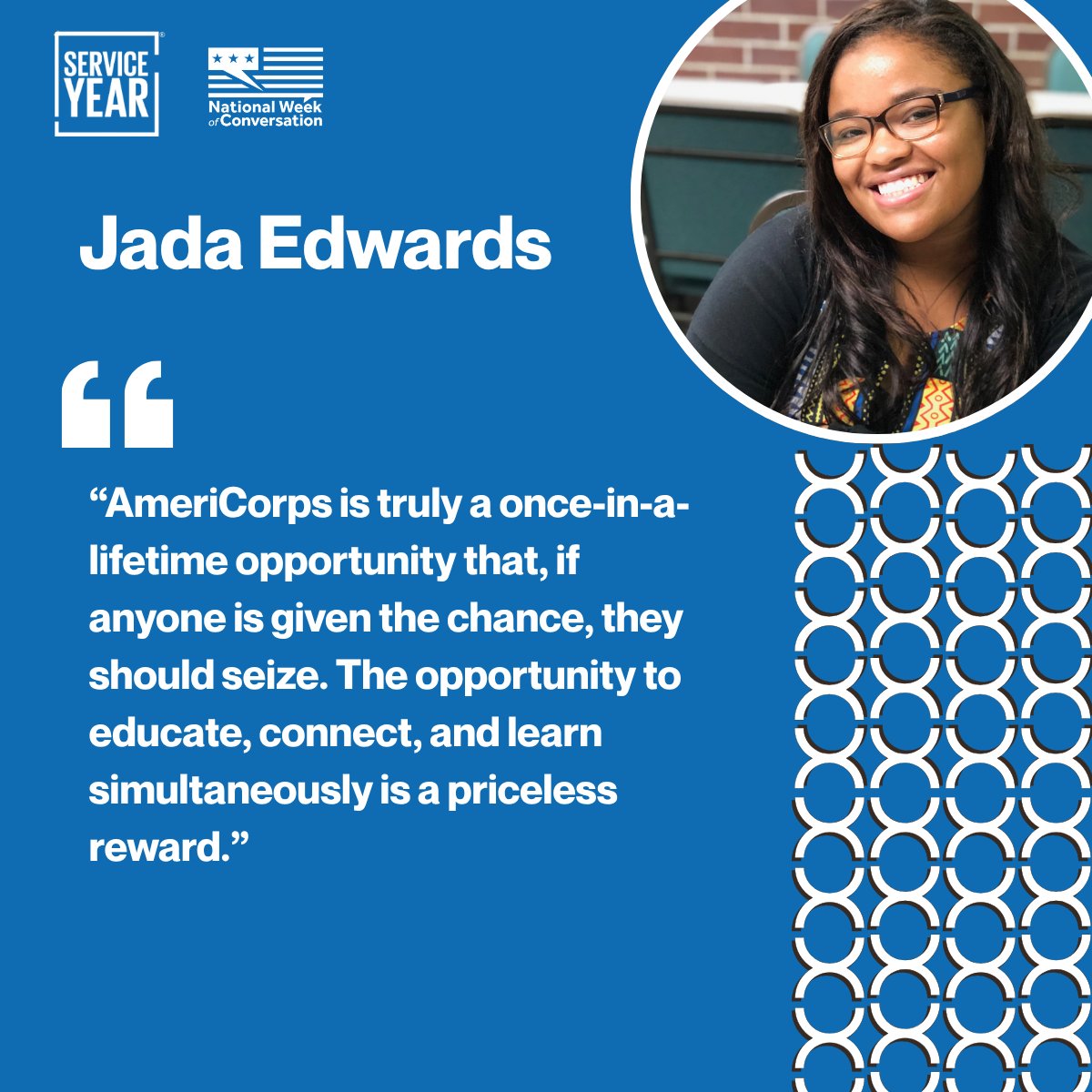
As a 2024 @ServiceYear Alum Award Winner, Jada Edwards reflects on the power of service to educate, connect, and learn all at once. Honversation, we’re highlighting stories that bring people together through service and dialogue.
Read Jada’s full story: https://t.co/kdxcFFLZxC
With sessions at 2 PM and 7 PM EST on April 7th, there is still time to register for The National Roundtable on Freedom and America tomorrow
Sign up here: https://t.co/S630tb8iEL
1 day until National Week of Conversation!
The wait is over. Starting tomorrow, April 6, we join a massive, nationwide movement to #ListenFirst. It’s time to move past the noise and get back to the heart of what matters: each other.
See you tomorrow: https://t.co/tRiyKNevxa
2 days until National Week of Conversation!
The countdown is almost over. Today, we’re setting our intentions:
Listen to understand, not to respond.
Ask questions that start with "How" or "Why."
Lead with empathy.
Learn more at: https://t.co/tRiyKNevxa
#ListenFirst#NWOC