"Black" was a term created to group people of African descent—mainly through a European lens. But across the diaspora, not everyone sees themselves as "Black" in the same way. And that’s where confusion begins.
African Americans often associate “Black” with a shared history—enslavement, survival, resistance, and culture born from the U.S. experience. So when someone doesn’t claim “Black,” it can feel like a rejection of kinship.
But across the diaspora, people from the Caribbean, Africa, Latin America, etc., may identify more with nationality, ethnicity, or tribe. To them, “Black” may be just a skin color—or not even a part of how they identify.
It’s like how someone from Japan and someone from China are both “Asian” but still very different. Grouped together, yes—but each with rich, distinct identities that deserve recognition.
We’re all connected by African ancestry, but how we live that ancestry is diverse. It’s okay to say we’re all Black—but let’s also acknowledge the different types of Black we are. Respect matters. Identity matters.
We’re like twins—similar features, different lives. Just because we look alike doesn’t mean we are alike. Honor the history, the struggle, the beauty in each Black experience. ✊🏿✊🏾✊🏽
#africanamerican #soulaan #blacksdiaspora
@humanbeingawk Four ladies who are over due to be
Inducted into the Rock and Roll Hall of Fame
Overdue for a biopic
Overdue for a Kennedy Center Honor
Ruth, Anita, Bonnie, June
normalize giving up on people. no more seeing the best in them, no more excusing their behavior. accept them as they are and reject them. If they wanted to appreciate you, they would’ve already.
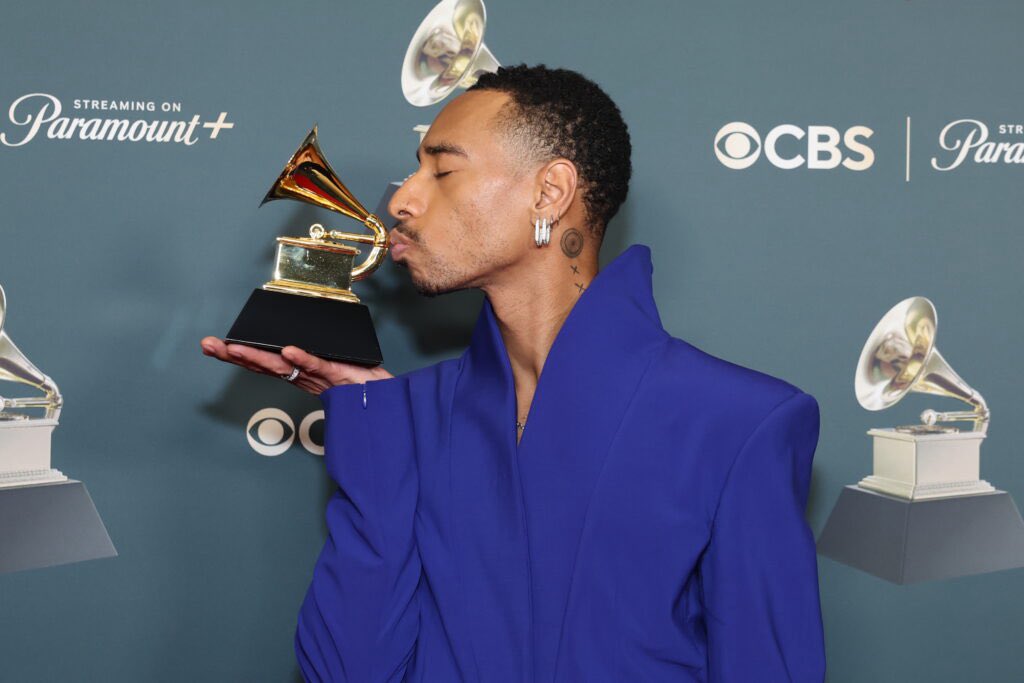
Somewhere, Phyllis Hyman is smiling through the stars at @durandbernarr Grammy win. Their gifts feel destined, like echoes of the same spirit in different bodies. I’ve always felt he would have been her musical godson. This moment is pure joy ✨#phyllishyman