One of the art market's biggest weeks of the year is happening right now - and LiveArt is streaming it live.
Sotheby's London, Wednesday night: £131m in a single evening. A Francis Bacon self-portrait opened at £7m and sold for £16m. Standing room only on New Bond Street.
The LiveArt app gives you real-time data on every lot, every hammer - as it happens.
Day sales continue today & tomorrow - 384 more lots. Don't watch the market blind.
📲 https://t.co/aRJ2SvU26N
#ArtMarket #AuctionWeek #Sothebys #Christies
@RoundtableSpace Cost of intelligence approaching zero is bullish for every asset class that was too complex or opaque to price efficiently. Fine art, watches, luxury collectibles, all of it becomes accessible when AI analysis costs a dollar instead of a thousand.
Yayoi Kusama’s work is held by major museums and private collections worldwide.
Tokenization preserves the asset. It expands access while keeping custody, provenance, and cultural integrity intact.
Explore Pumpkin (1990) on LiveArt: https://t.co/ncQbJTn0EI
Blue-chip assets are defined by:
• decades of demand
• institutional recognition
• cultural permanence
Tokenization doesn��t create blue-chip assets.
It breaks down the capital, geographic, and structural barriers that historically limited access to them.
Banksy’s work is globally recognized, institutionally collected, and culturally iconic.
Tokenization doesn’t change that. It removes traditional barriers to entry and opens access to a broader, global investor base.
Own a fraction of Girl With Balloon as a real-world art RWA: https://t.co/gHwkvHYKGD
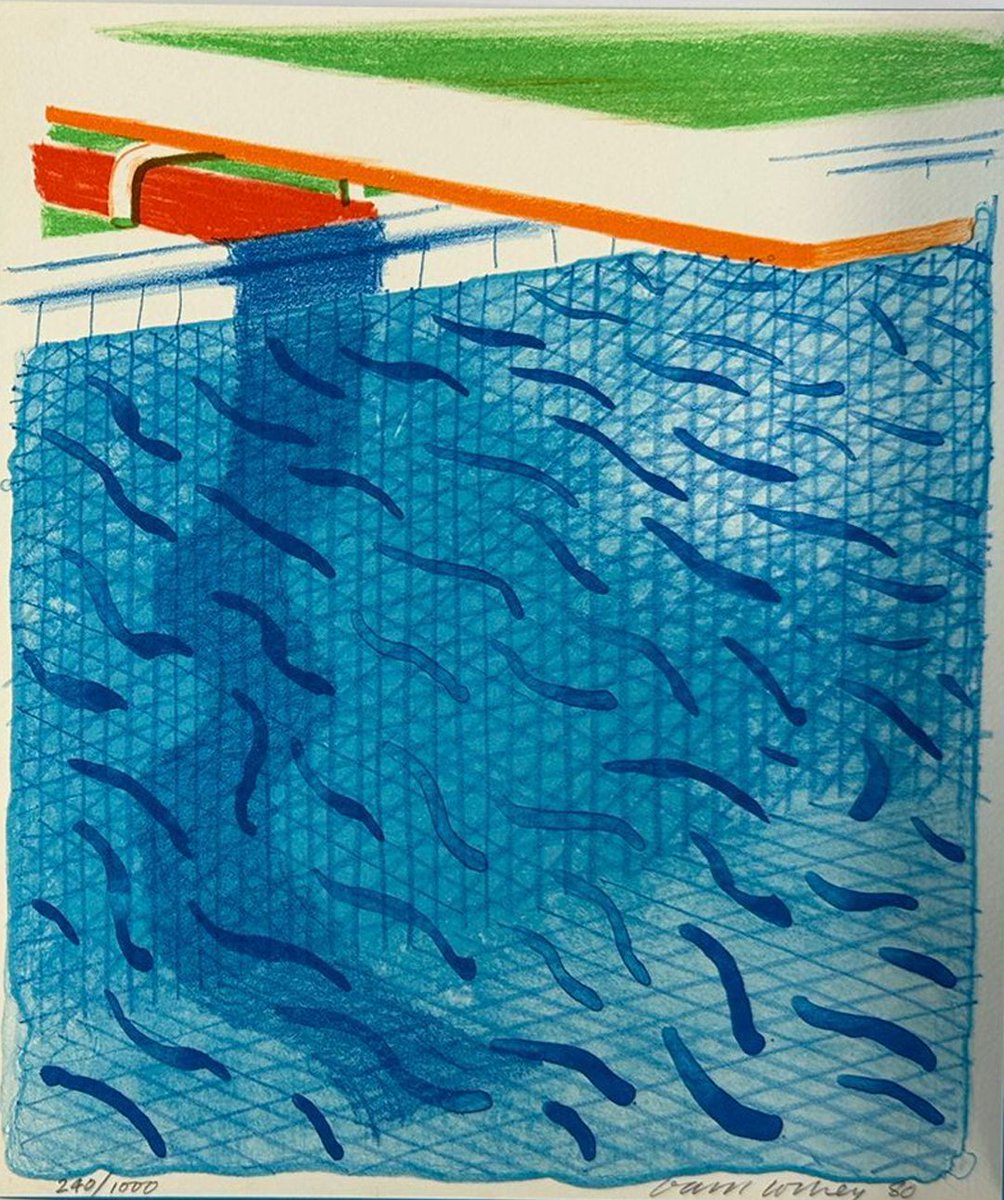
David Hockney is one of the most valuable living artists.
Tokenization doesn’t change the artwork. It dramatically expands access — from a handful of institutions and ultra-wealthy collectors to a global base of onchain participants.
Explore fractional ownership of Paper Pool (1980) on LiveArt: https://t.co/ZZBHkSCKnG
Tokenization doesn’t turn art into a speculative instrument.
The underlying asset still:
• lives in regulated custody
• follows traditional valuation dynamics
• trades on long collector time horizons
Only the ownership rails change.
What tokenization changes — and what it doesn’t
Tokenization does not change the nature of an asset.
A Picasso remains a Picasso.
A Hockney remains a Hockney.
What tokenization changes is the infrastructure:
• access becomes fractional
• settlement becomes programmable
• ownership becomes onchain
• assets become composable — enabling lending, futures, indices, and prediction markets
Custody, provenance, and cultural value remain exactly the same.
This is the difference between changing the asset — and upgrading the rails.
Crypto volatility is part of the cycle.
Tokenized blue-chip art offers exposure to real-world assets with different demand dynamics — without leaving the blockchain.
Explore all available art RWAs on LiveArt: https://t.co/cmkFGznSRw
Some blue-chip artworks on LiveArt trade on the secondary market, offering liquidity and price discovery.
• Jeff Koons, Balloon Dog (Blue) — secondary trading available: https://t.co/EdtUvDLAPs
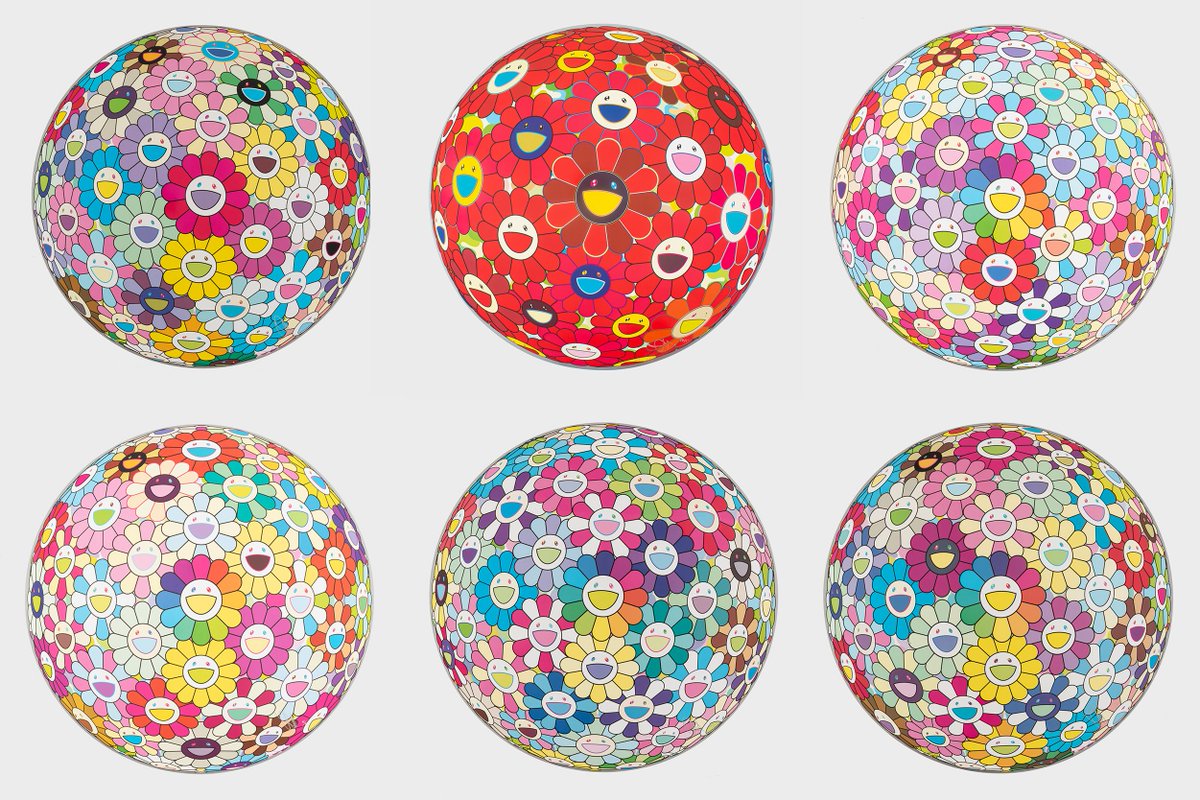
• Takashi Murakami, Flowers — secondary trading available: https://t.co/zFQZE6vE3X
These are real artworks with established market history — now accessible onchain.
When speculative assets retrace, culturally iconic works retain relevance.
Banksy is among the most collected contemporary artists globally, with sustained auction demand and broad institutional recognition.
Own a fraction of Girl With Balloon as a real-world art RWA: https://t.co/lPp2zpMGcM
Cultural relevance matters most when speculative markets cool off.
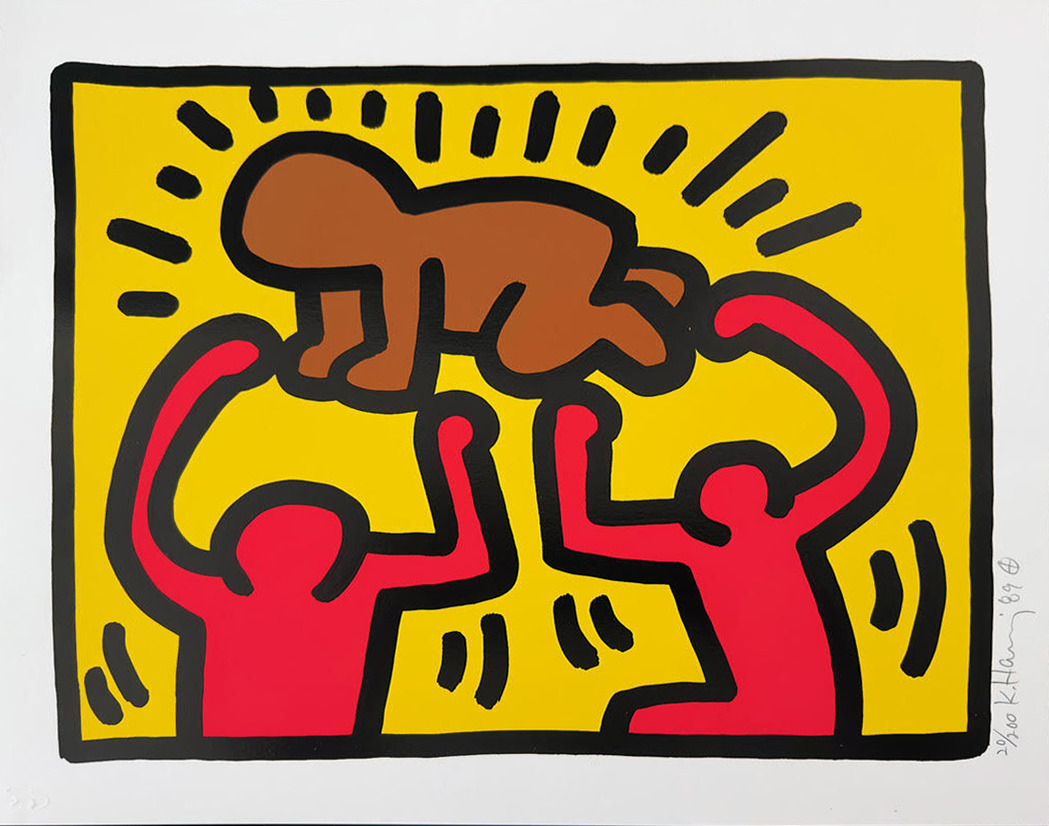
Keith Haring’s work remains globally recognized and institutionally collected, with enduring demand across generations.
Access a tokenized fraction of a Keith Haring artwork onchain: https://t.co/cmkFGznSRw
When markets pull back, historically significant artists continue to anchor demand.
David Hockney is one of the most valuable living artists, with decades of institutional and collector support across market cycles.
Discover Paper Pool (1980) as a real-world art RWA on LiveArt: https://t.co/RivLrThx7L
Crypto markets are volatile. Blue-chip art by historically resilient artists continues to attract global demand.
Yayoi Kusama is a living legend whose works are held by major museums and collectors worldwide.
Explore fractional ownership of Pumpkin (1990) onchain: https://t.co/GMvXKiG41D
The crypto market has been under pressure recently — Bitcoin, ETH, and other major coins have retraced materially from prior highs.
At the same time, the traditional art market continues to transact at strong levels, with recent major auction sales and sustained collector demand.