We’re a national water stewardship non-profit working to protect Canada’s lakes, rivers, groundwater, wetlands and watersheds impacted by climate change.
🎥 Join us for a FREE virtual screening of this incredible film highlighting the impacts of climate change on high elevation lakes!
📅 When: January 31 at 5 PM PST / 6 PM MST
📍 Where: Zoom
RSVP here: https://t.co/fMI1fCu1Dm
@thenfb@alpineclubcan@bcbackcountry
“At the start of a new year when, traditionally, the land is nestled in under a blanket of snow, a mostly barren southern Alberta is facing the prospect of another terrible drought.”
#droughtimpacts#drought#climateimpacts
https://t.co/dG7haz1bFR
📢 Join us for a virtual screening of “Losing Blue,” a cinematic poem about climate change impacts on the otherworldly blues of ancient mountain lakes.
📅 When: January 31, 5 PM PST/6 PM MST
📍 Where: Zoom
RSVP: https://t.co/SognUfzBvd
@thenfb@alpineclubcan@bcbackcountry
From the entire team at Living Lakes Canada, thank you for all your support and being a part of our water stewardship work in 2023. Wishing everyone a wonderful holiday season!
Last week, we led the ‘Celebrating the Lakes’ gathering in Whitehorse, YK. The event brought staff from Indigenous, municipal, and territorial government, along with environmental organizations and academia for meaningful dialogue about #yukonlakes.
Illustrator: Esther Bordet
In recognition of 🏔️ International Mountain Day 🏔️, the ACC is publishing an important story from the 2023 State of the Mountains Report: Tackling Climate Impacts on Alpine Freshwater Systems.
https://t.co/468gq8JXKe
224 volunteers across Canada actively monitored their local lakes in 2023 through our National Lake Blitz program. Watch this wrap-up video featuring our volunteer Teresa Wright and some of the program’s #impact highlights: https://t.co/qQn3Eyyhot
#lakemonitoring#citizenscience
Thank you to Canadian @OpenDataSociety for recognizing the Columbia Basin Water Hub with theOpen Data Quality Award! High quality and accessible #waterdata is key to understanding watersheds and making informed decisions.
#nonprofitawards#CODS23#OpenData
As the temperatures continue to drop down and the beginning of #winter gets underway, the impacts of this year’s unprecedented province-wide drought in B.C. continue to affect communities, wildlife and ecosystems.
#bcdrought#drought#climatetimpacts
https://t.co/WYf6guG78S
This #GivingTuesday, will you help communities raise the funds to deliver community water monitoring workshops across Canada?
Make your meaningful impact today: donate to support water monitoring: https://t.co/4dsmo6GLVU
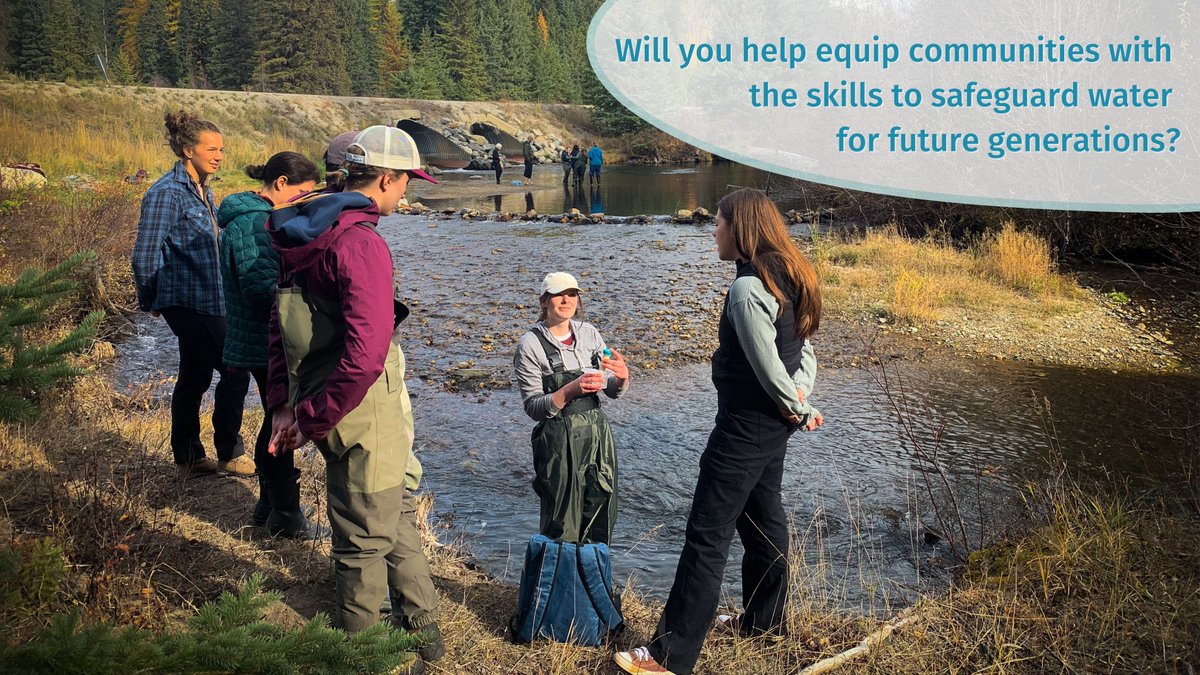
Giving Tuesday is tomorrow. This year, your donation will go towards the delivery of water monitoring workshops across Canada. Your donation will help equip communities to monitor watersheds, safeguarding them for future generations. Will you help us?
#givingtuesday
Our recent #teamgathering in Kimberley, B.C. was a great opportunity to connect in-person with team members from across Canada, exchange ideas, discover synergies, and grow a collective sense of purpose.
It’s an honour to be among the recipients of the 2023 NALMS Annual Achievement Awards! Thank you to @NALMStweets for recognizing our contribution to the science of lake management: https://t.co/PGCeppDCfS
#conservationawards
Here’s a great read from the @thenarwhalca about how Nipissing First Nation combines their #Indigenous knowledge and #science to nurse the land and water in the region back to health.
https://t.co/gOP2HPhSYV
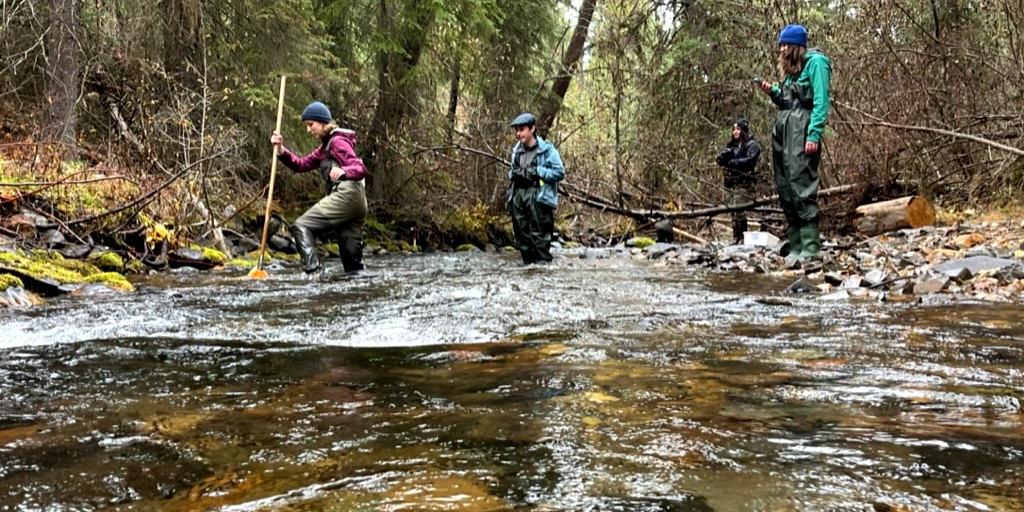
Kimberley Youth Action Network and ʔaq’am community members learned about #freshwater ecosystems and explored different relationships with #water in Kimberley, BC at the end of October. Thanks to Friends of Cherry Creek for helping us facilitate this #training!
@Pondmill1983 Thanks for the question! Fall rains are important for recharging aquifers in the province, esp. after dry summers. The "atmospheric rivers" in 2021 did help to recharge aquifers keeping winter base flow in creeks higher in winter and even in the summer of 2022 in some watersheds.
“The ongoing #drought in many parts of B.C. is causing some rivers in the province's northern Interior to reach their driest mid-October levels in years.”
https://t.co/W2zbaDaxi4
“With the arrival of logging to the Slocan Valley in the early 20th century, one sawmill set its sights on the mouth of Springer Creek... The impacts are still visible today."
Read the full story: https://t.co/br3kLlMht1