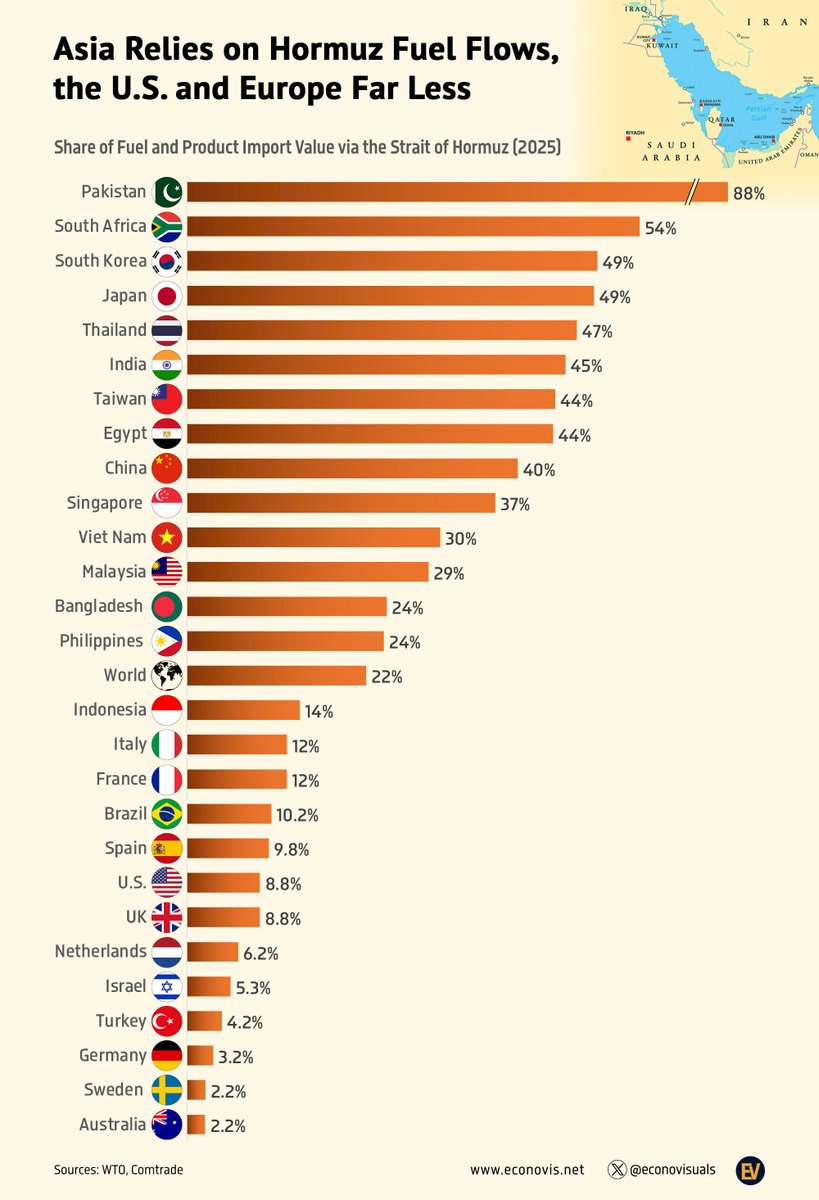
📈 Asia Relies on Hormuz Fuel Flows, the U.S. and Europe Far Less
Global trade in fuels and refined petroleum products remains heavily dependent on flows through the Strait of Hormuz. In 2025, approximately 22% of the total value of global fuel exports transited the strait, underscoring its role as a critical energy chokepoint.
Dependence is particularly high across Asian economies. South Korea, Japan, Thailand, India, Taiwan, and China show the greatest exposure, with roughly 40% to 50% of their fuel imports linked to Hormuz transit. A second tier—including Singapore, Vietnam, Malaysia, Bangladesh, and the Philippines—relies on the strait for 20% to 40% of imports.
In contrast, Western economies exhibit more limited reliance. Fuel imports passing through Hormuz account for about 12% in Italy and France, 9% in the United States and the United Kingdom, 5.3% in Israel, 3.2% in Germany, and 2.2% in Sweden.
#USA #Iran #Israel #HormuzStrait #Hormuz #trade #war #energy #fuels #oil #OOTT
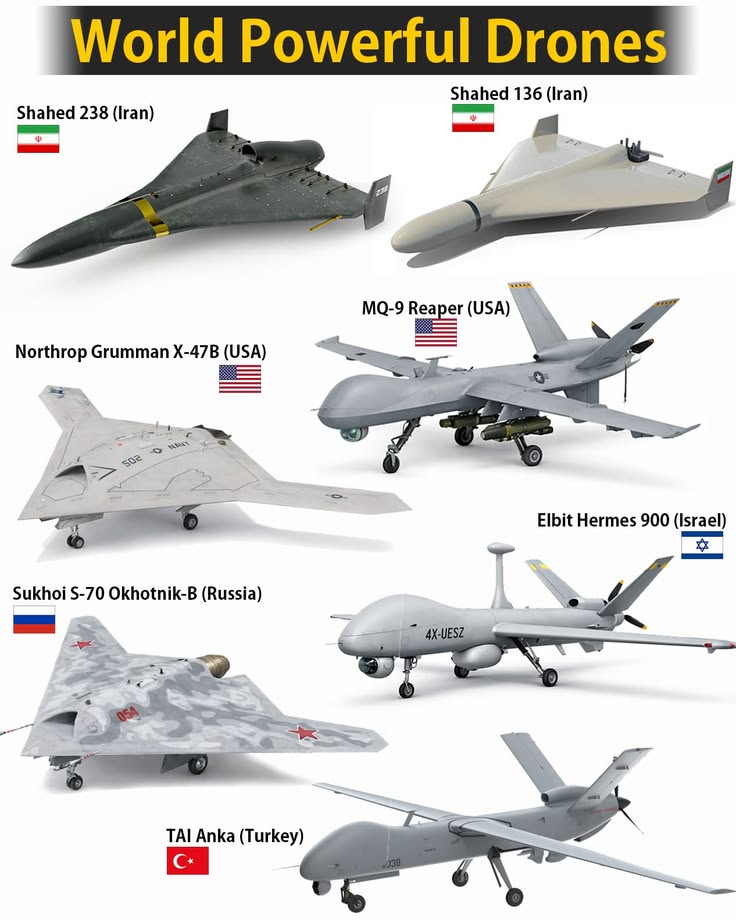
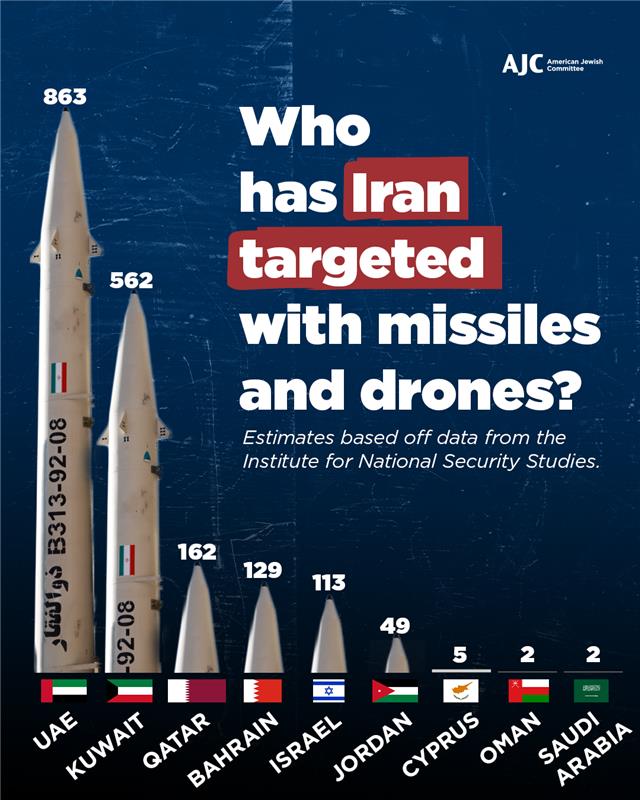
Nearly 50% of the missiles and UAVs fired by the Iranian regime have been aimed at the UAE.
Tehran’s actions threaten U.S. partners across the region and put broader Middle East stability at risk.
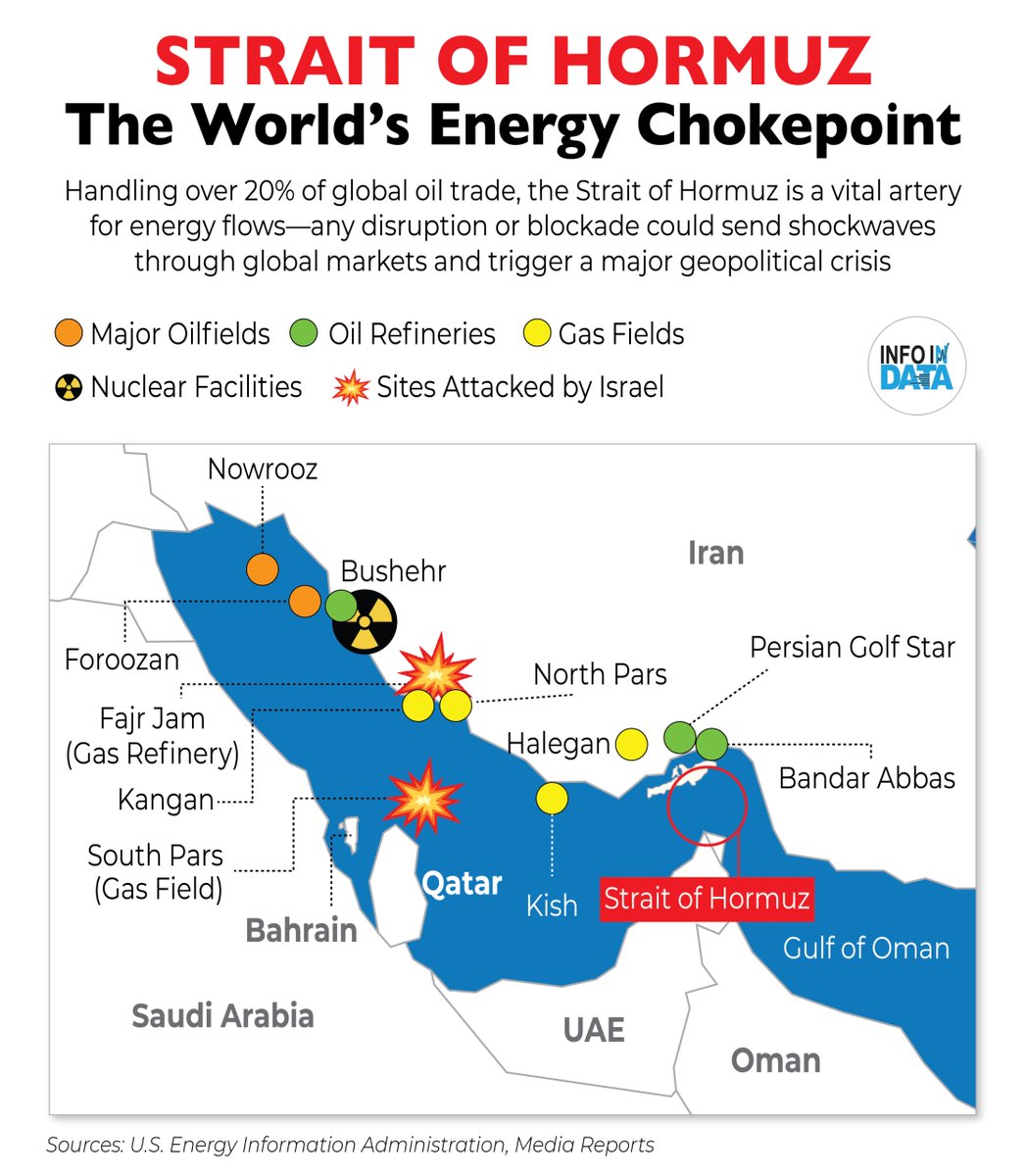
US–Israel strikes on Iran put the Strait of Hormuz at the center of global risk. Just 21 miles wide, it carries ~21 mb/d of oil, 20–25% of global seaborne trade, and a third of LNG. Many nations depend on it, and any further escalation could send fuel prices soaring worldwide.