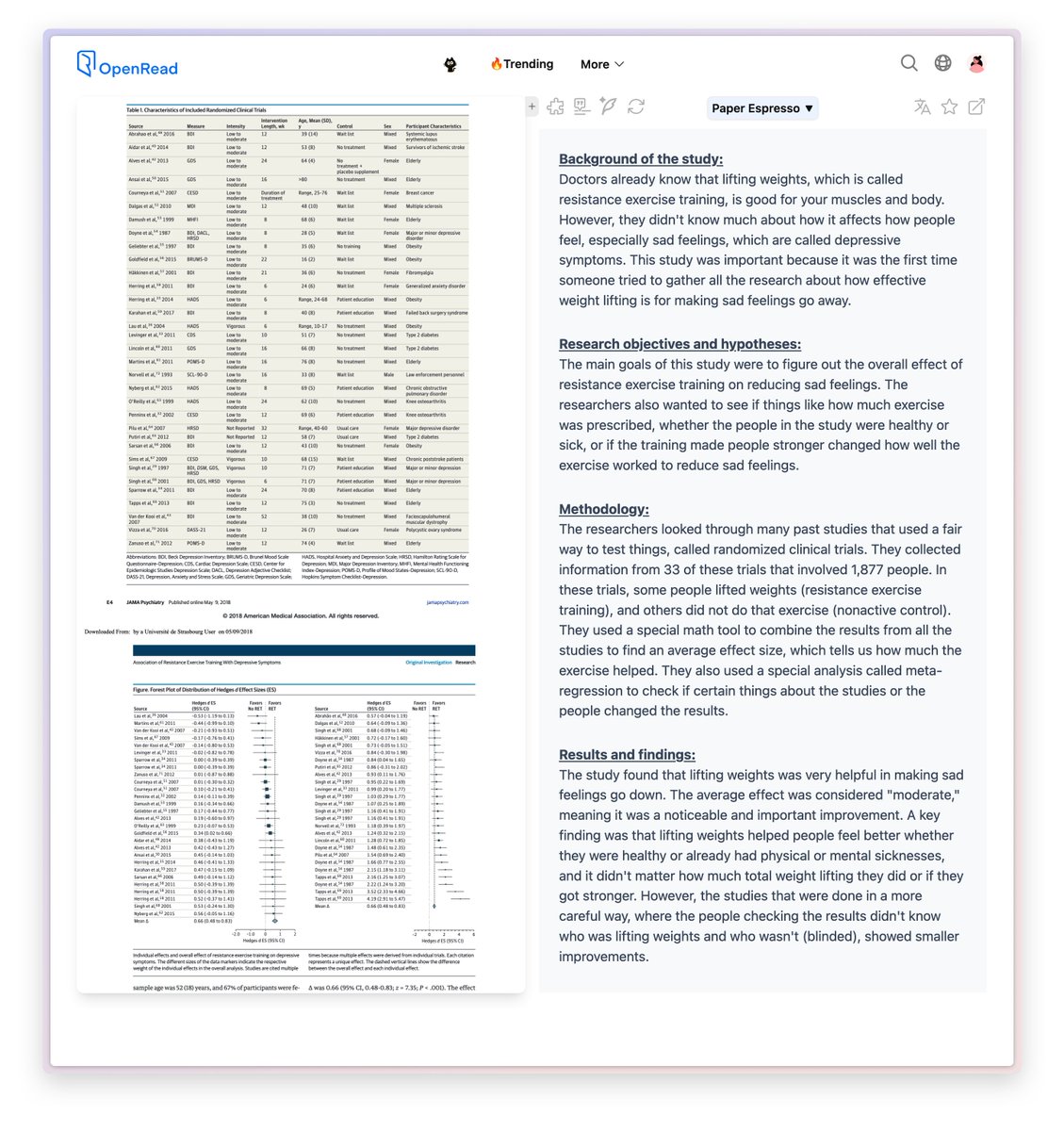
Results and findings:
The study found that lifting weights was very helpful in making sad feelings go down. The average effect was considered "moderate," meaning it was a noticeable and important improvement. A key finding was that lifting weights helped people feel better whether they were healthy or already had physical or mental sicknesses, and it didn't matter how much total weight lifting they did or if they got stronger. However, the studies that were done in a more careful way, where the people checking the results didn't know who was lifting weights and who wasn't (blinded), showed smaller improvements.
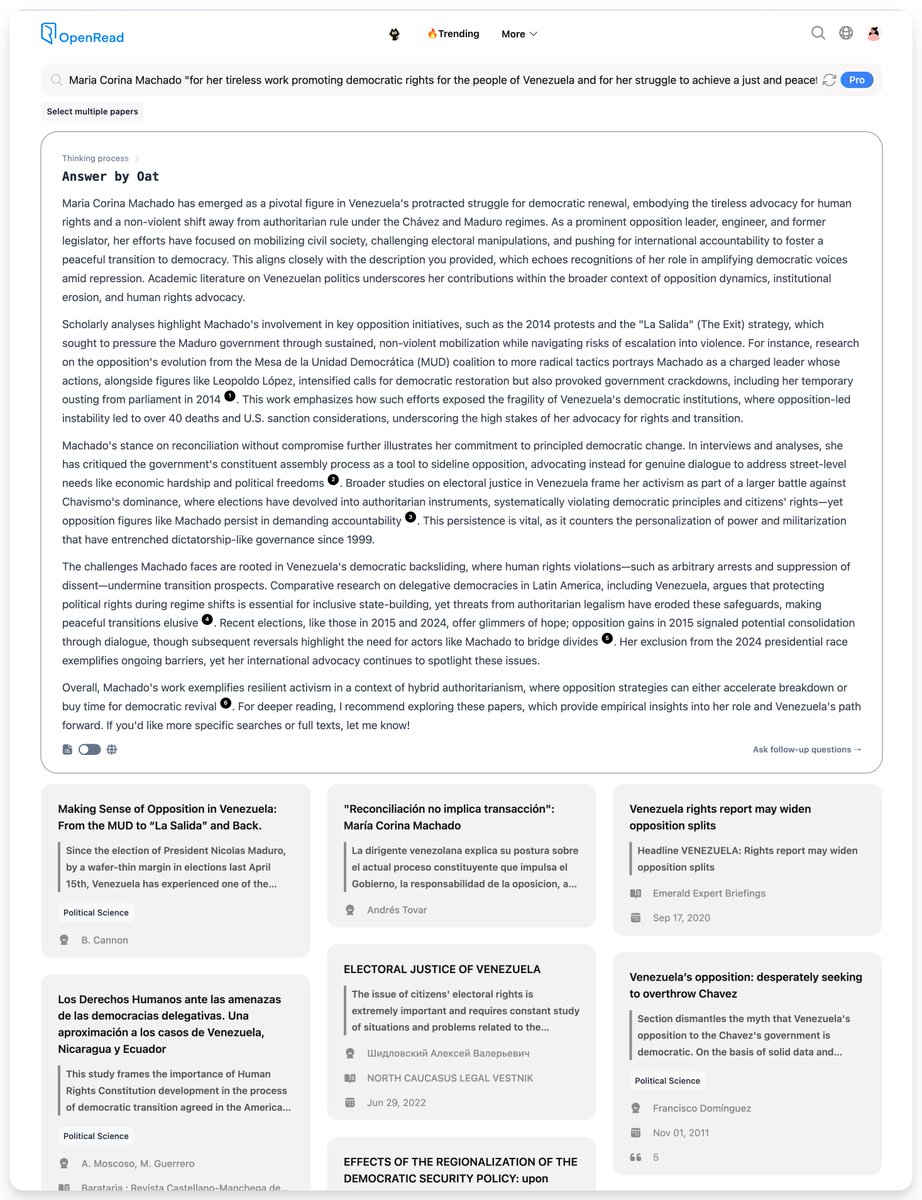
The literary analysis about Maria Corina Machado behind the Nobel Prize:
Scholarly analyses highlight Machado's involvement in key opposition initiatives, such as the 2014 protests and the "La Salida" (The Exit) strategy, which sought to pressure the Maduro government through sustained, non-violent mobilization while navigating risks of escalation into violence.
......
The research papers behind the Nobel Prize:
Susumu Kitagawa's most renowned paper: Functional Porous Coordination Polymers
Richard Robson's most renowned paper: A net-based approach to coordination polymers
Omar M. Yaghi's most renowned paper: Design and synthesis of an exceptionally stable and highly porous metal-organic framework
The research paper behind the Nobel Prize:
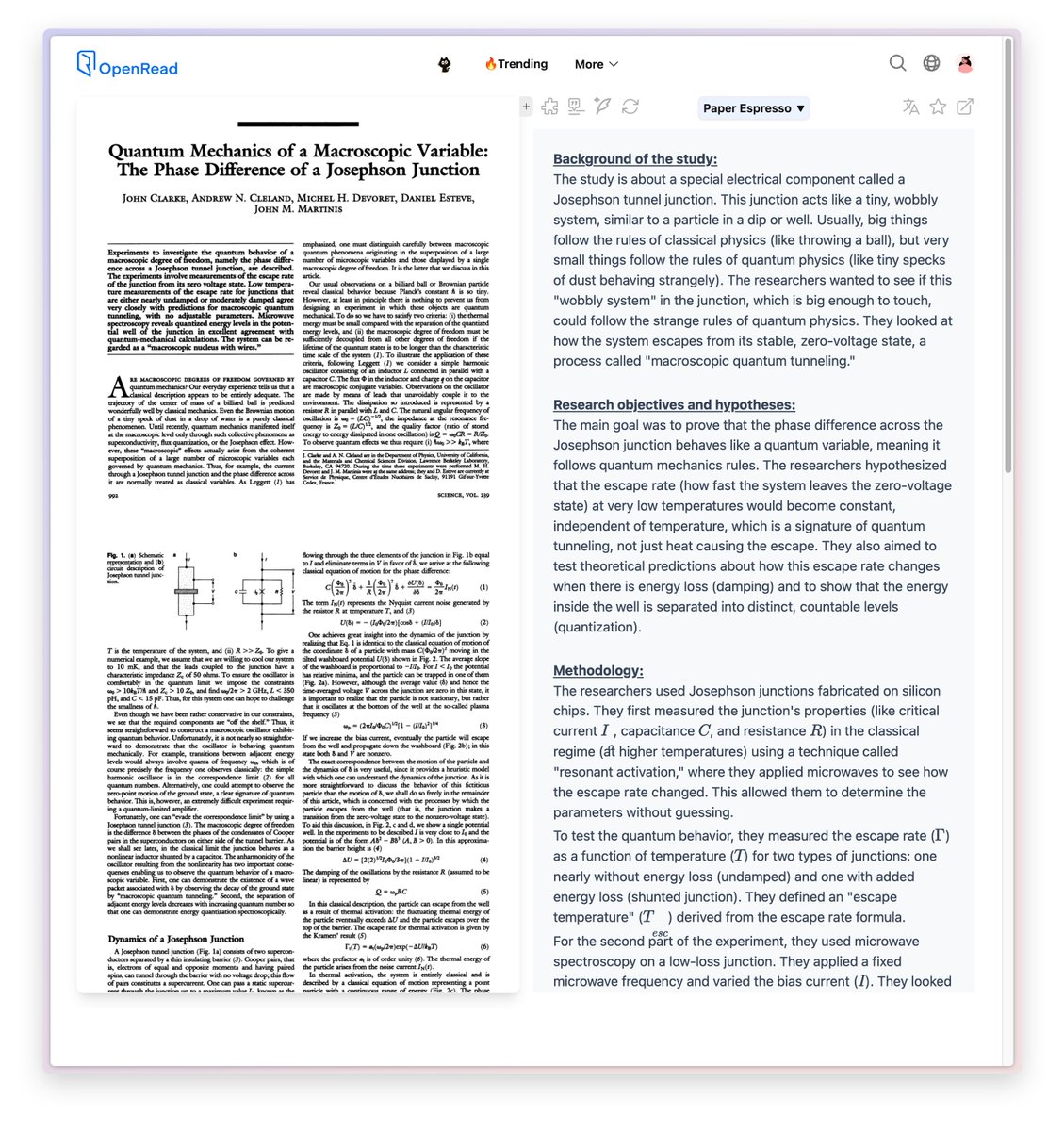
Title: Quantum Mechanics of a Macroscopic Variable: The Phase Difference of a Josephson Junction
Their most renowned paper:
Title: Energy-Level Quantization in the Zero-Voltage State of a Current-Biased Josephson Junction
Breakdown of the paper behind it @MKBHD :
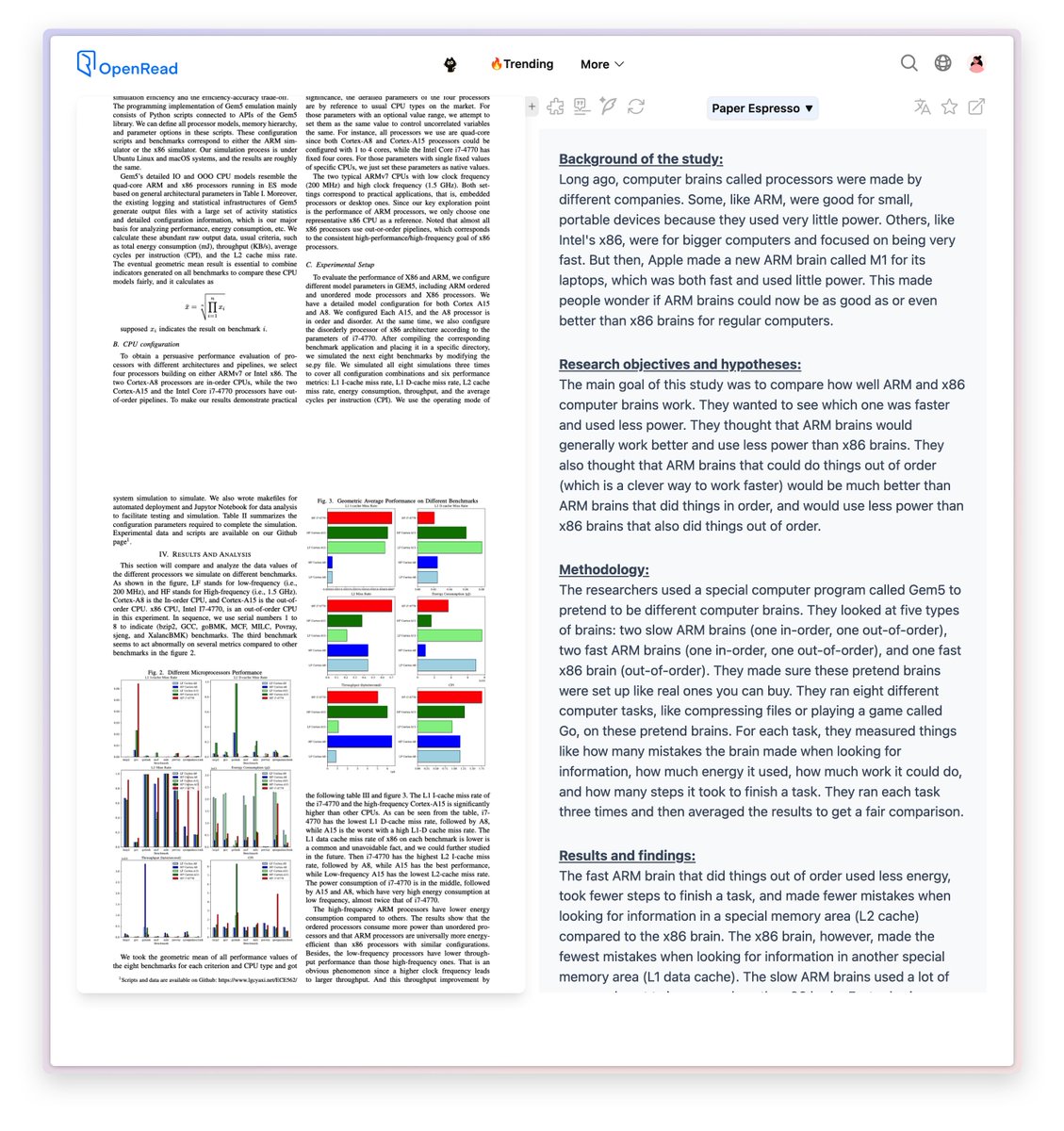
Title: Analysis of Out-of-order CPU Models on ARM and x86 Microprocessors
Long ago, computer brains called processors were made by different companies. Some, like ARM, were good for small, portable devices because they used very little power. Others, like Intel's x86, were for bigger computers and focused on being very fast.
But then, Apple made a new ARM brain called M1 for its laptops, which was both fast and used little power. This made people wonder if ARM brains could now be as good as or even better than x86 brains for regular computers.
......
They also thought that ARM brains that could do things out of order (which is a clever way to work faster) would be much better than ARM brains that did things in order, and would use less power than x86 brains that also did things out of order.
......
The study showed that ARM brains, especially the fast ones that do things out of order, are very good. They use less power and can be quite fast, which means they have a lot of promise for regular computers.
......
The paper behind it:
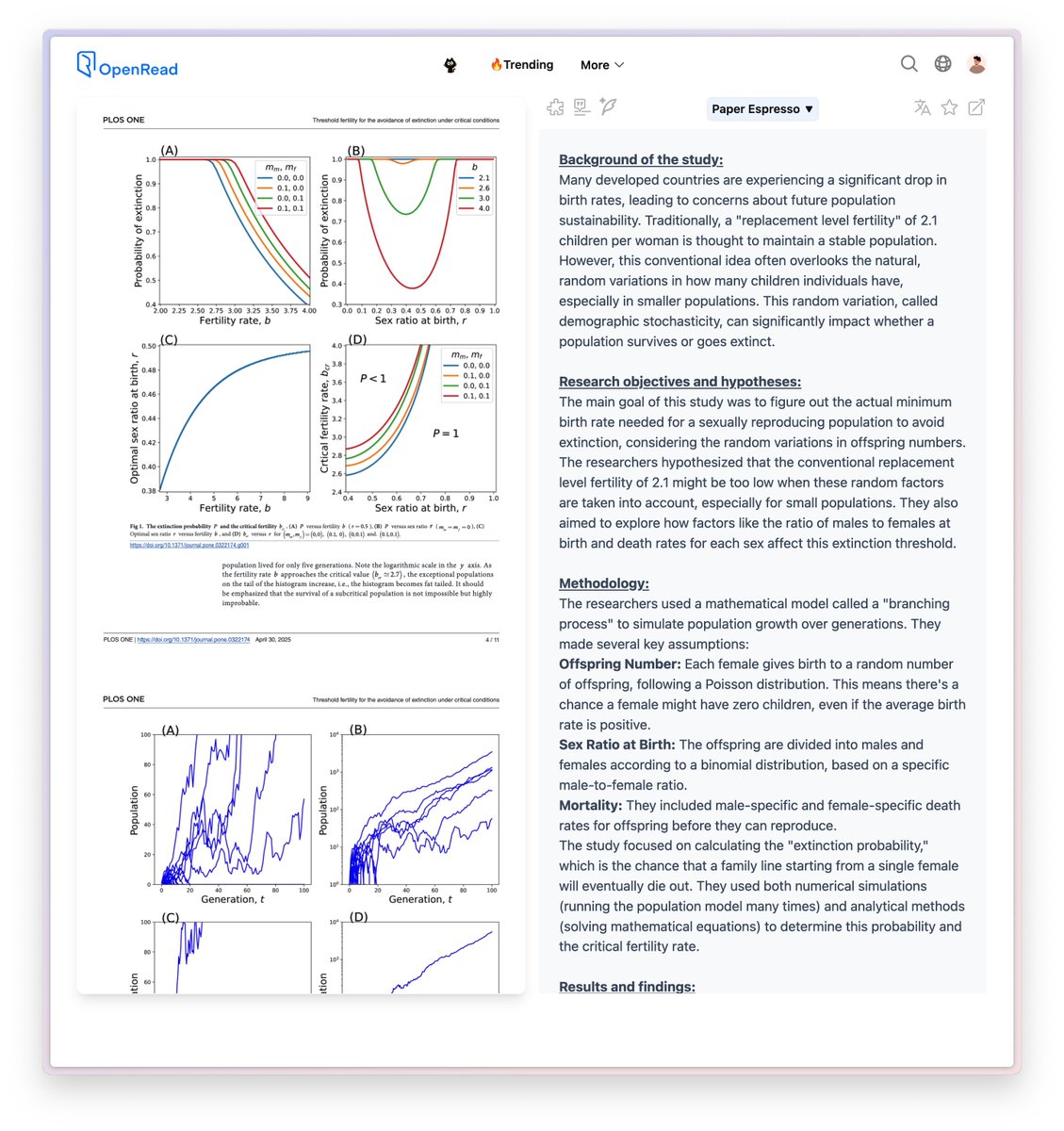
The study found that for an equal male-to-female ratio and no deaths, the critical fertility rate needed to avoid extinction is approximately 2.7 children per woman. This is significantly higher than the conventional 2.1 replacement level.
The results showed that:
A female-biased sex ratio (more females born than males) helps reduce the probability of extinction.
If the birth rate is below this critical value of 2.7, almost all populations will go extinct within a few generations, even if the birth rate is above the conventional 2.1 replacement level.
While most populations with subcritical fertility die out quickly, a very small number of "exceptional" populations might continue to grow for many generations due to random chance.
The closer the fertility rate is to the critical value, the slower the rate at which populations go extinct.
...
Title: Threshold fertility for the avoidance of extinction under critical conditions
Breakdown of the paper:
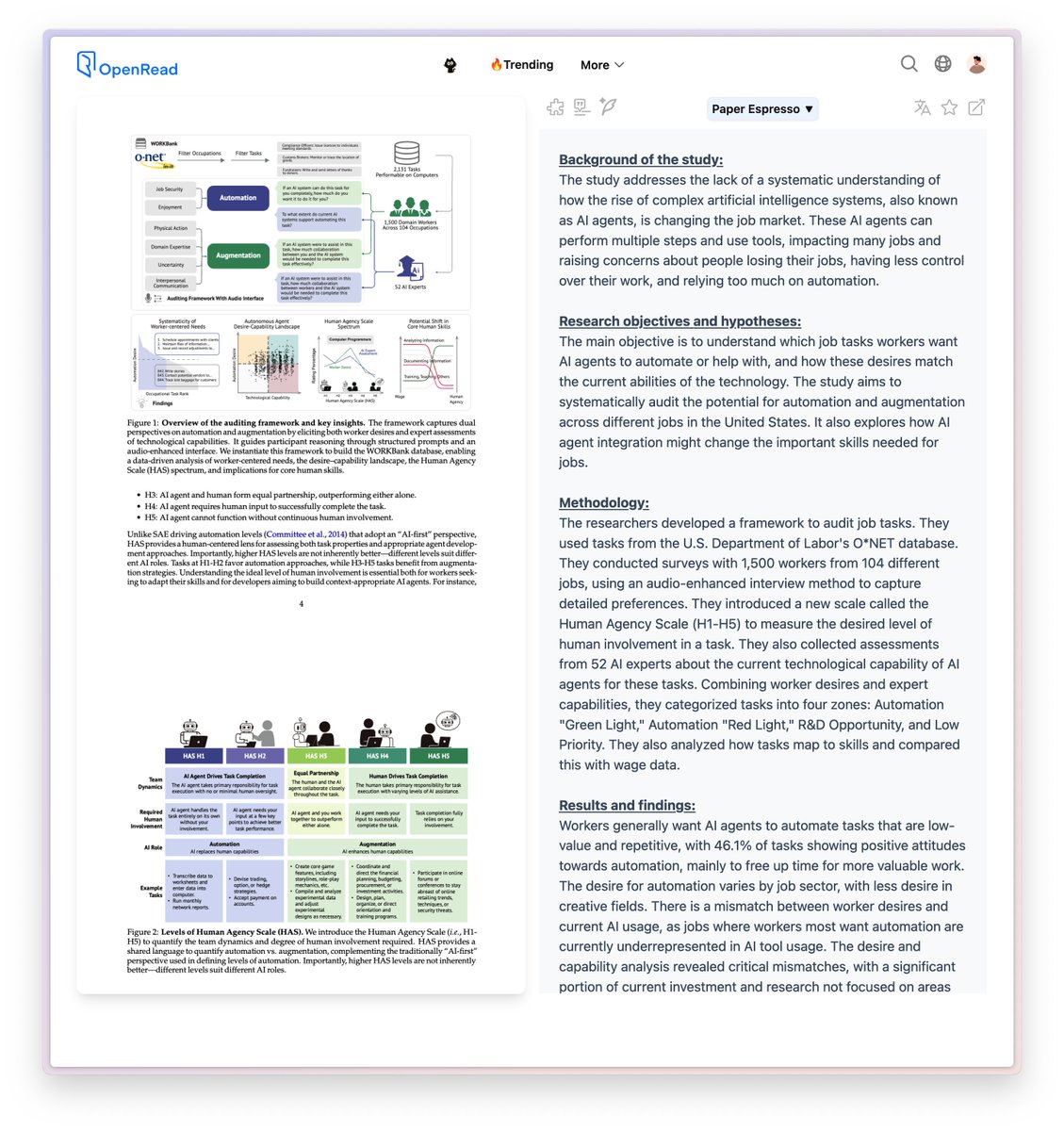
Workers generally want AI agents to automate tasks that are low-value and repetitive, with 46.1% of tasks showing positive attitudes towards automation, mainly to free up time for more valuable work. The desire for automation varies by job sector, with less desire in creative fields.
There is a mismatch between worker desires and current AI usage, as jobs where workers most want automation are currently underrepresented in AI tool usage. The desire and capability analysis revealed critical mismatches, with a significant portion of current investment and research not focused on areas where both desire and capability are high or where there is high desire but low capability.
The Human Agency Scale revealed diverse patterns, with many jobs showing a preference for equal partnership between humans and AI (H3). Workers generally prefer more human involvement than experts believe is technologically necessary. The study also found early signs that important job skills are shifting from processing information to interpersonal and organizational skills.
full paper: https://t.co/TsjQAOh8SS
Breakdown of the paper:
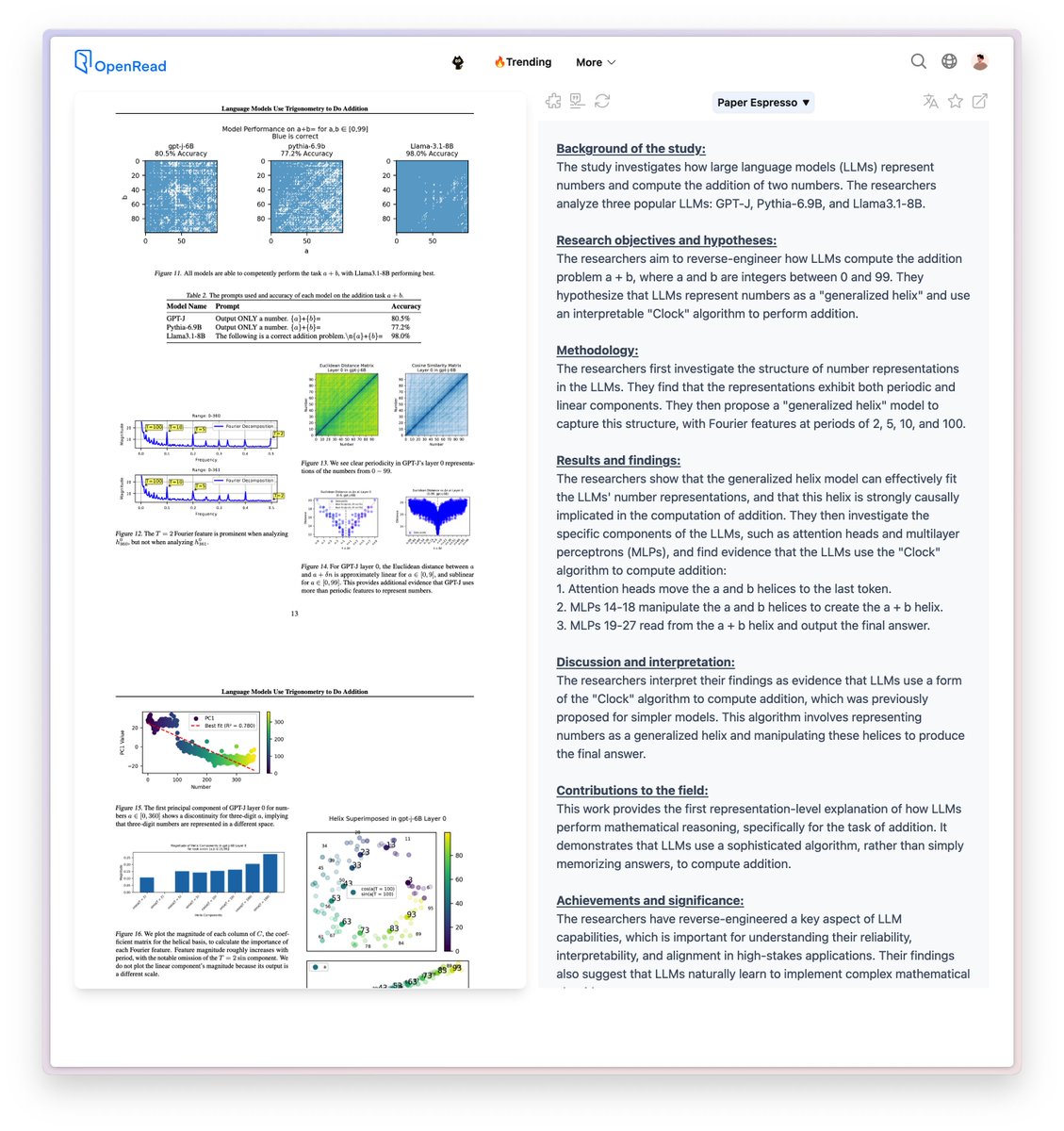
The study investigates how large language models (LLMs) represent numbers and compute the addition of two numbers. The researchers analyze three popular LLMs: GPT-J, Pythia-6.9B, and Llama3.1-8B.
The researchers show that the generalized helix model can effectively fit the LLMs' number representations, and that this helix is strongly causally implicated in the computation of addition. They then investigate the specific components of the LLMs, such as attention heads and multilayer perceptrons (MLPs), and find evidence that the LLMs use the "Clock" algorithm to compute addition:
1. Attention heads move the a and b helices to the last token.
2. MLPs 14-18 manipulate the a and b helices to create the a + b helix.
3. MLPs 19-27 read from the a + b helix and output the final answer.
full paper: https://t.co/0D41LIpbas
Breakdown of the paper:
The researchers wanted to develop a method that can help humanoid robots perform agile and coordinated whole-body movements. Existing approaches like system identification and domain randomization often struggle to bridge the gap between simulation and real-world physics, leading to conservative policies that sacrifice agility.
The researchers evaluated ASAP in simulation-to-simulation and simulation-to-real-world transfer scenarios. ASAP significantly outperformed baseline methods like system identification and delta dynamics learning in terms of reducing motion tracking errors (up to 52.7% improvement) and enabling the deployment of diverse agile skills on the Unitree G1 humanoid robot.
full paper: https://t.co/dqsHPn24I9
Breakdown of the paper:
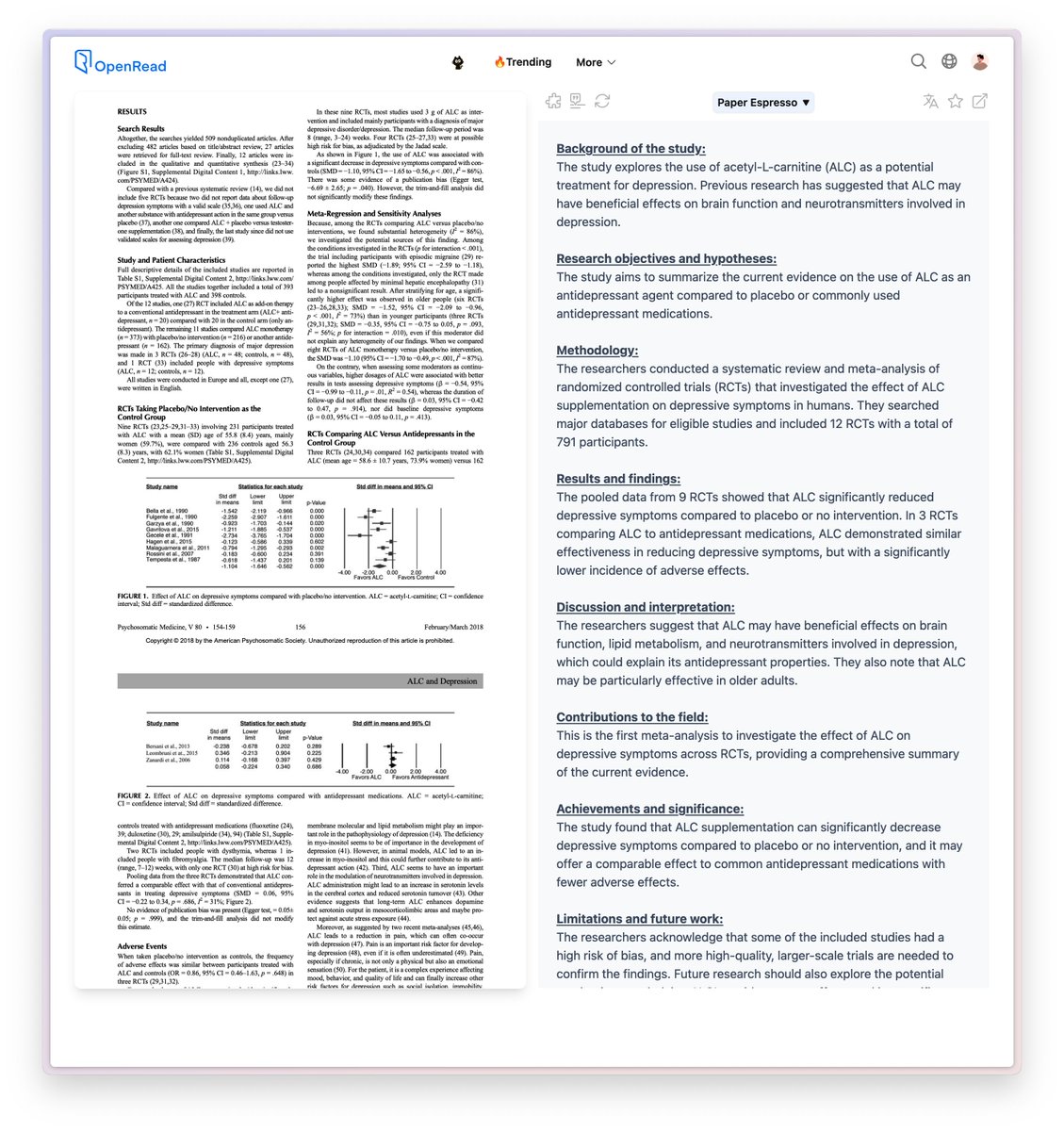
The study explores the use of acetyl-L-carnitine (ALC) as a potential treatment for depression. Previous research has suggested that ALC may have beneficial effects on brain function and neurotransmitters involved in depression.
The pooled data from 9 randomized controlled trials showed that ALC significantly reduced depressive symptoms compared to placebo or no intervention. In 3 randomized controlled trials comparing ALC to antidepressant medications, ALC demonstrated similar effectiveness in reducing depressive symptoms, but with a significantly lower incidence of adverse effects.
full paper: https://t.co/eG2zFBDMxh
Breakdown of the paper:
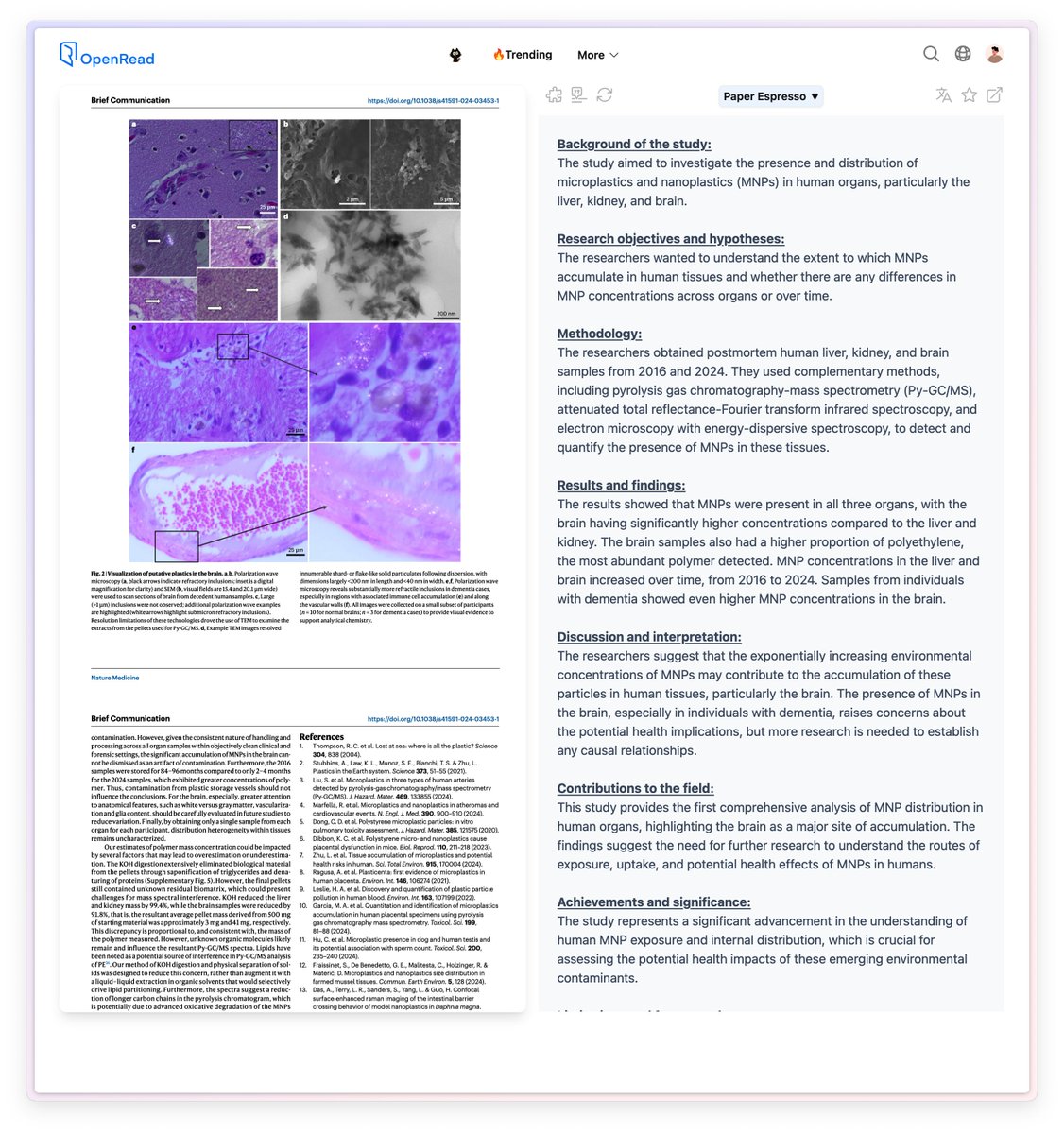
The study aimed to investigate the presence and distribution of microplastics and nanoplastics (MNPs) in human organs, particularly the liver, kidney, and brain.
The results showed that MNPs were present in all three organs, with the brain having significantly higher concentrations compared to the liver and kidney. The brain samples also had a higher proportion of polyethylene, the most abundant polymer detected. MNP concentrations in the liver and brain increased over time, from 2016 to 2024. Samples from individuals with dementia showed even higher MNP concentrations in the brain.
The paper behind it:
https://t.co/IaUMqiMvd3
Breakdown of the paper:
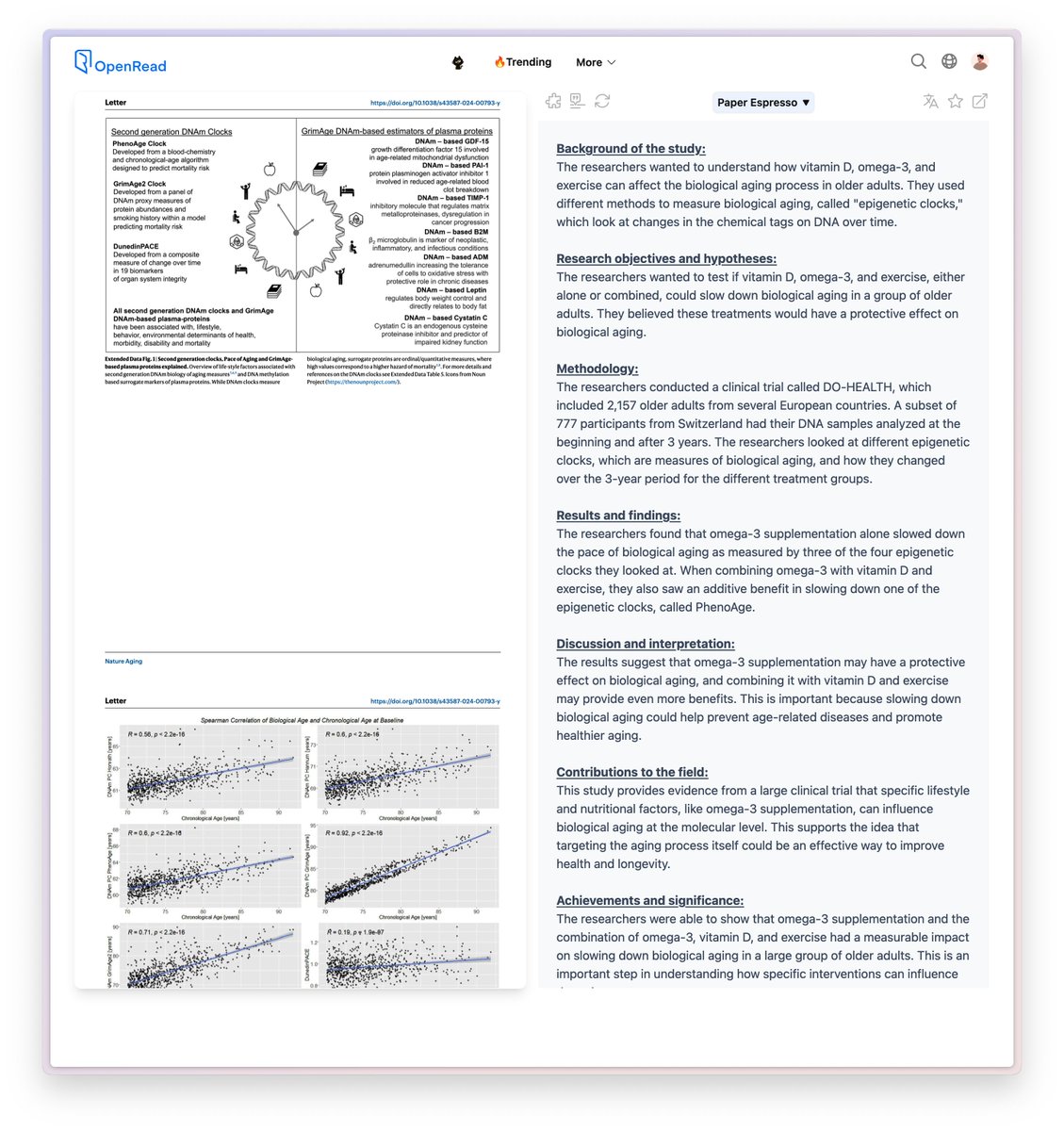
The researchers wanted to understand how vitamin D, omega-3, and exercise can affect the biological aging process in older adults. They used different methods to measure biological aging, called "epigenetic clocks," which look at changes in the chemical tags on DNA over time.
The researchers found that omega-3 supplementation alone slowed down the pace of biological aging as measured by three of the four epigenetic clocks they looked at. When combining omega-3 with vitamin D and exercise, they also saw an additive benefit in slowing down one of the epigenetic clocks, called PhenoAge.
full paper: https://t.co/0HQbEgG66n
Breakdown of the paper:
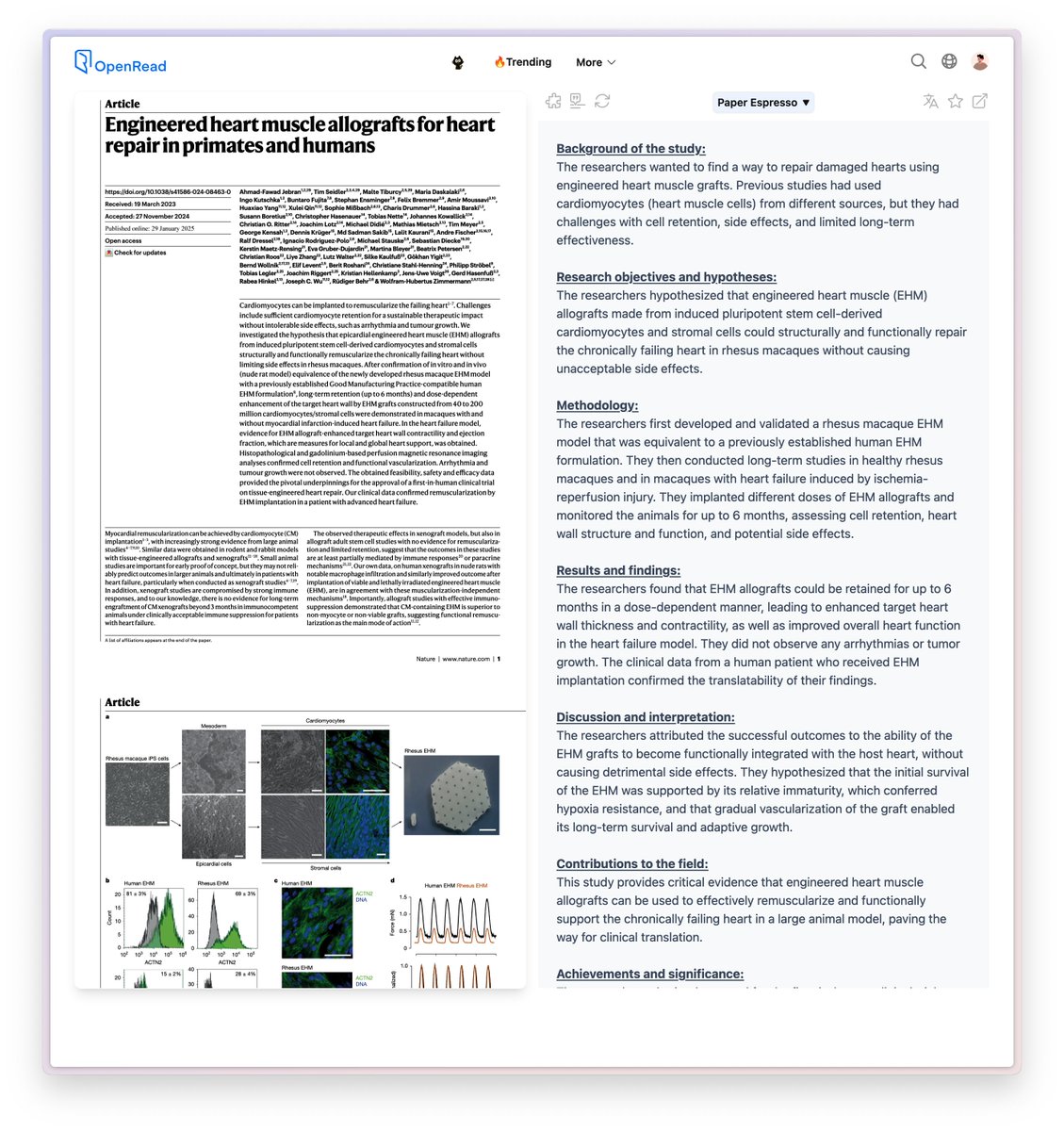
The researchers wanted to find a way to repair damaged hearts using engineered heart muscle grafts. Previous studies had used cardiomyocytes (heart muscle cells) from different sources, but they had challenges with cell retention, side effects, and limited long-term effectiveness.
The researchers found that engineered heart muscle allografts could be retained for up to 6 months in a dose-dependent manner, leading to enhanced target heart wall thickness and contractility, as well as improved overall heart function in the heart failure model. They did not observe any arrhythmias or tumor growth. The clinical data from a human patient who received engineered heart muscle implantation confirmed the translatability of their findings.
full paper: https://t.co/w9CSjvIP7A
Breakdown of the paper:
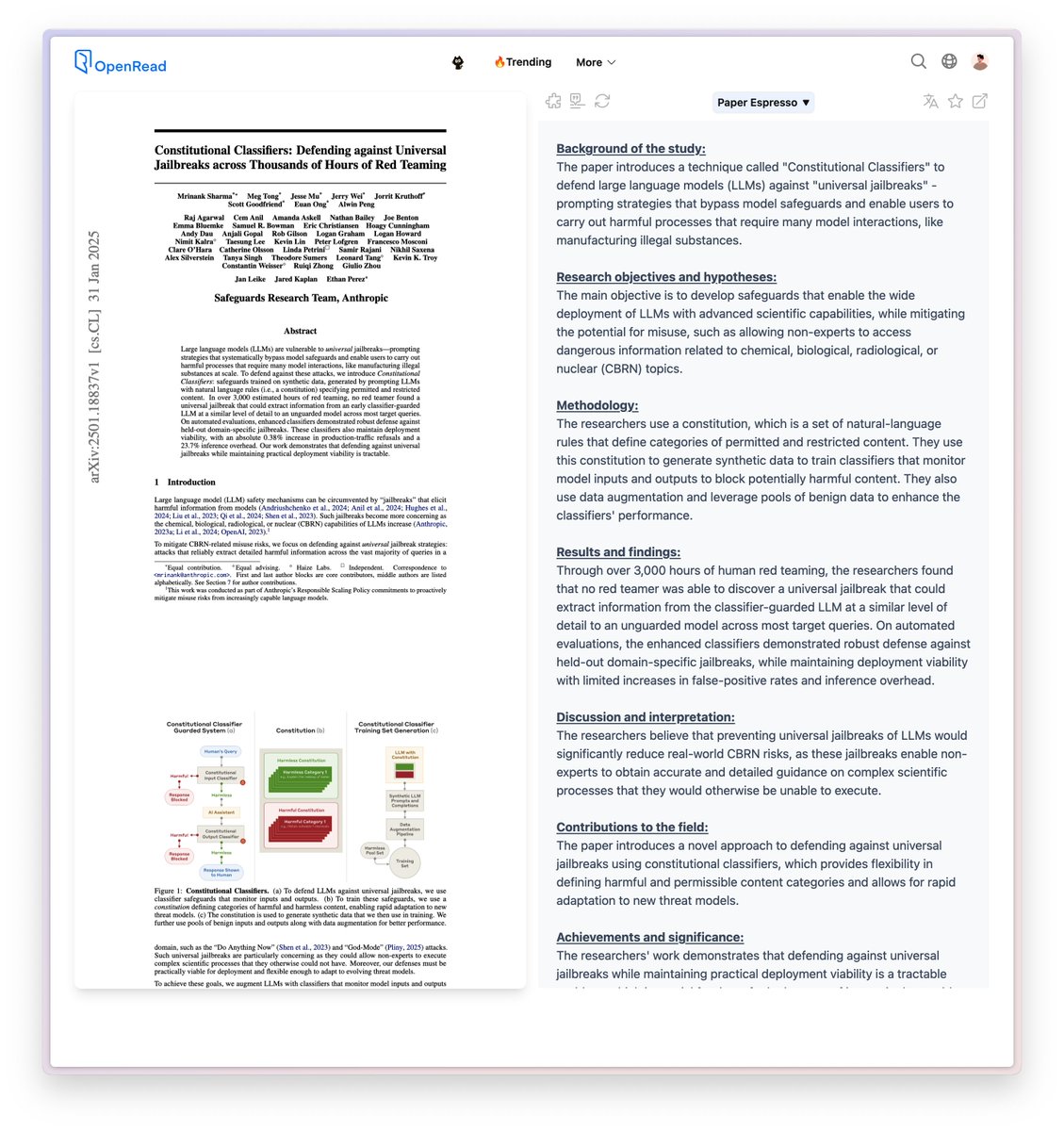
The paper introduces a technique called "Constitutional Classifiers" to defend large language models (LLMs) against "universal jailbreaks" - prompting strategies that bypass model safeguards and enable users to carry out harmful processes that require many model interactions, like manufacturing illegal substances.
Through over 3,000 hours of human red teaming, the researchers found that no red teamer was able to discover a universal jailbreak that could extract information from the classifier-guarded LLM at a similar level of detail to an unguarded model across most target queries. On automated evaluations, the enhanced classifiers demonstrated robust defense against held-out domain-specific jailbreaks, while maintaining deployment viability with limited increases in false-positive rates and inference overhead.
full paper: https://t.co/p8Ogvli5Ab
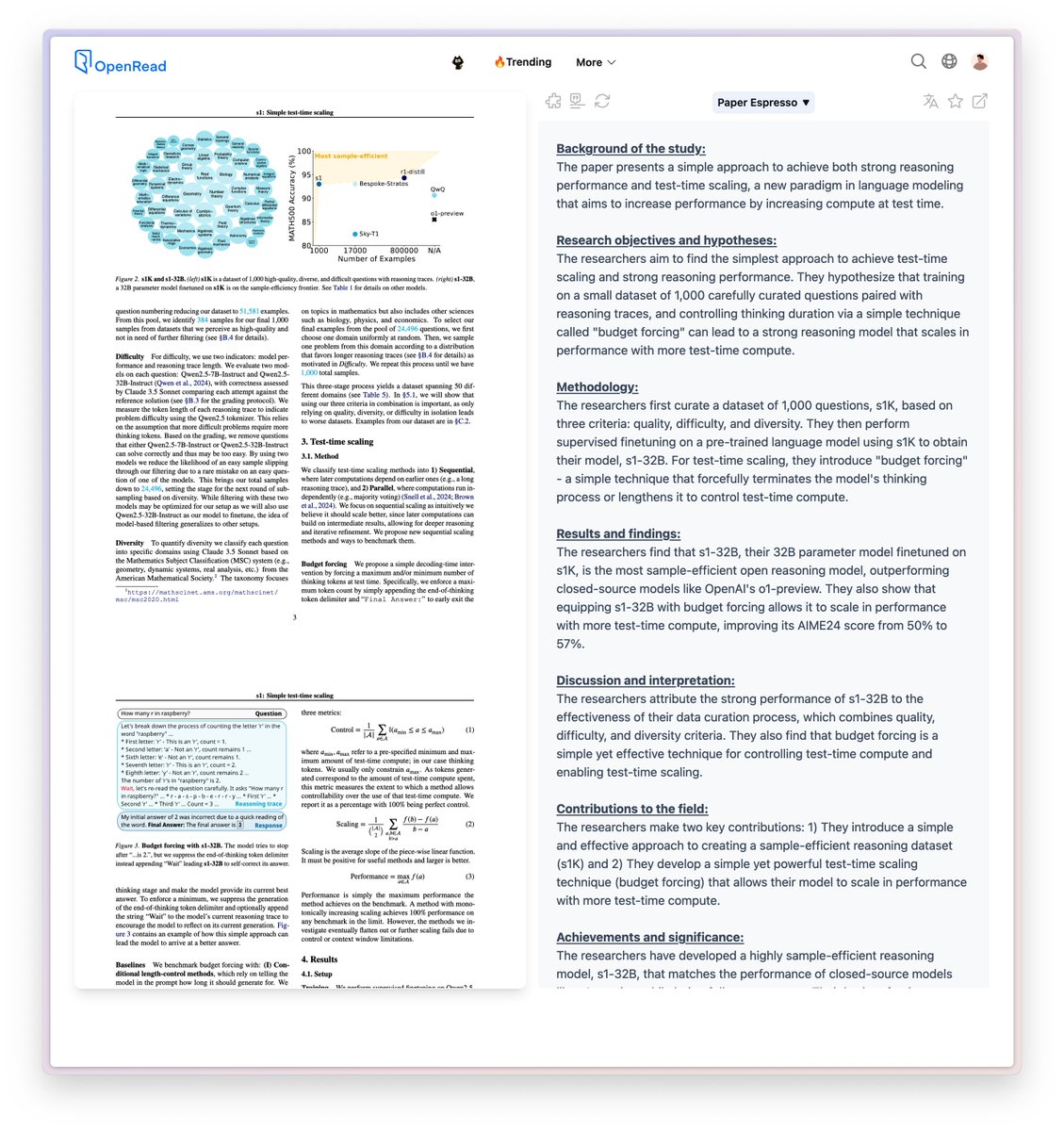
Breakdown of the paper:
The paper presents a simple approach to achieve both strong reasoning performance and test-time scaling, a new paradigm in language modeling that aims to increase performance by increasing compute at test time.
The researchers find that s1-32B, their 32B parameter model finetuned on s1K, is the most sample-efficient open reasoning model, outperforming closed-source models like OpenAI's o1-preview. They also show that equipping s1-32B with budget forcing allows it to scale in performance with more test-time compute, improving its AIME24 score from 50% to 57%.