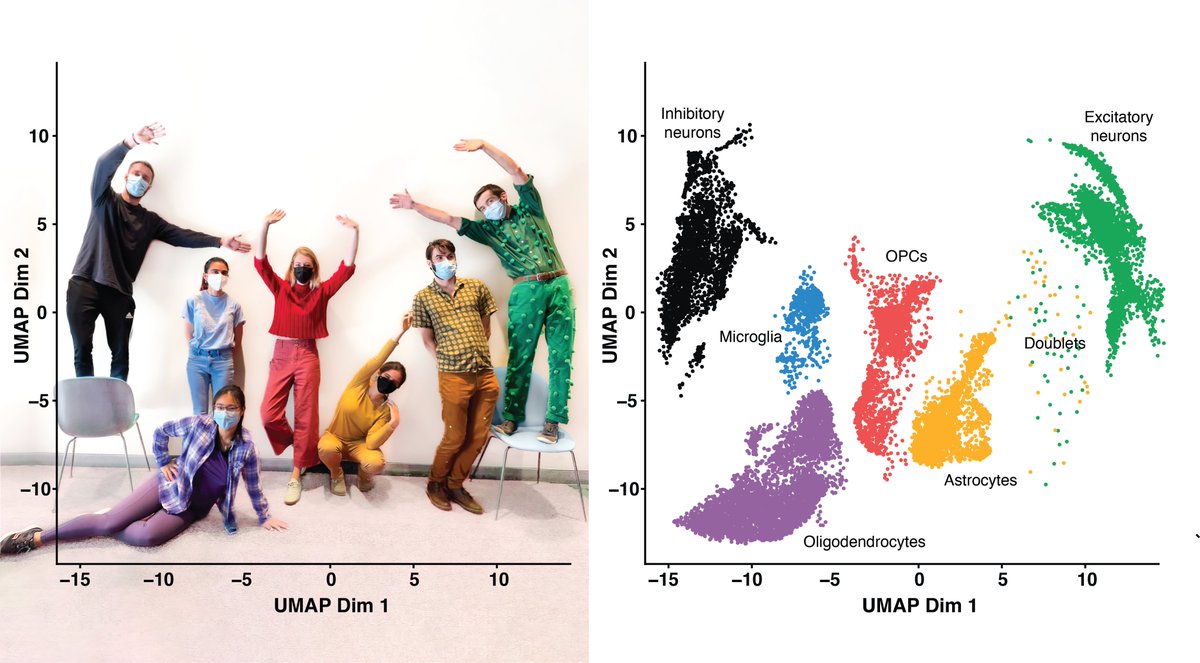
@cardiogenetics I woke up to deeply saddening news of the loss of Jeanette, an incredible academic who left an indelible mark on my professional journey. Her passion, knowledge, and guidance will be greatly missed. My heartfelt condolences to her family, friends, and the academic community.
Great to see our work from the CARDIoGRAMplusC4D Consortium on the genetics of coronary artery disease finally out in Nature Genetics https://t.co/CpXaNAdpny
A short 🧵 to highlight some key findings..... 1/8
We've seen many examples of rare coding variants pinpointing causal gene at GWAS loci. Here is an interesting case where a somatic coding variant pinpoints the causal gene at a GWAS locus. 🧵
In case you missed it, @JACoates was quoted in this piece shining a light on *some of the issues postdocs are facing
https://t.co/fjOnB3tRi7
*there are so many more issues ofc.
Genotype Imputation From Array Data Can Approximate Sequencing in Some Cases, Study Finds. Imputation quality varies by reference panel, genotype array, and other factors, the researchers found, and the approach is currently not suitable for clinical use. https://t.co/r8O2aDWsGU
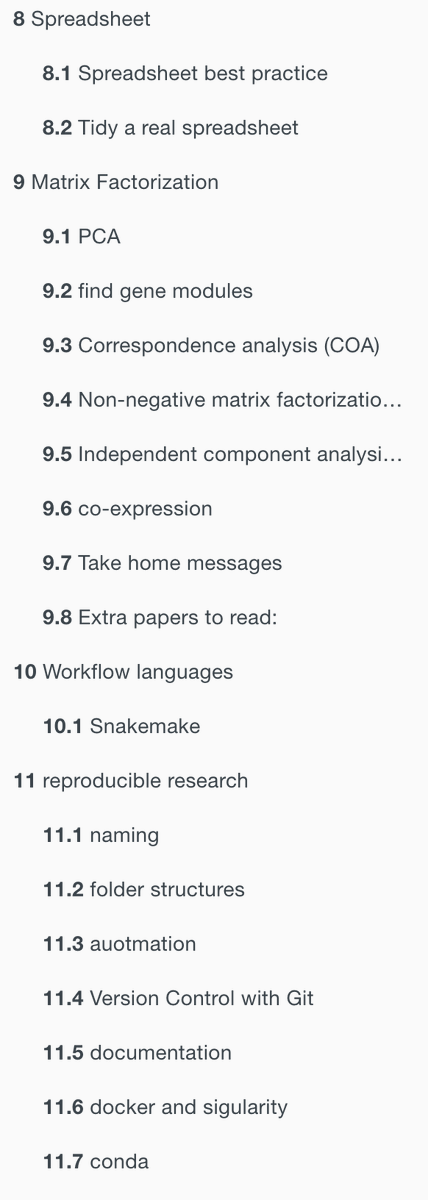
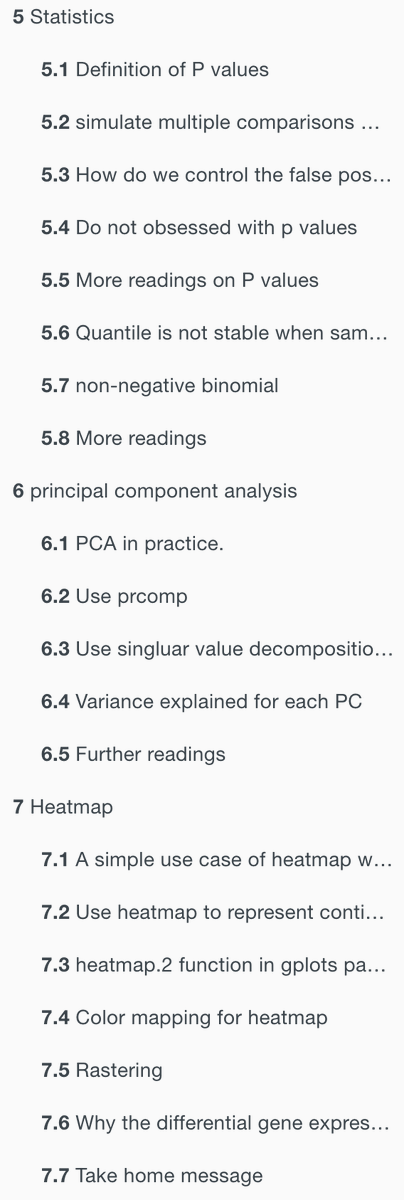
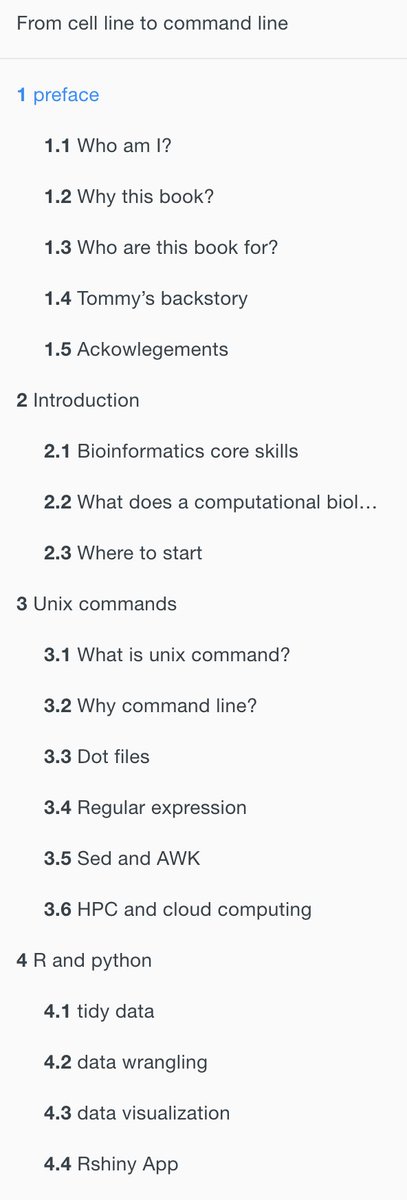
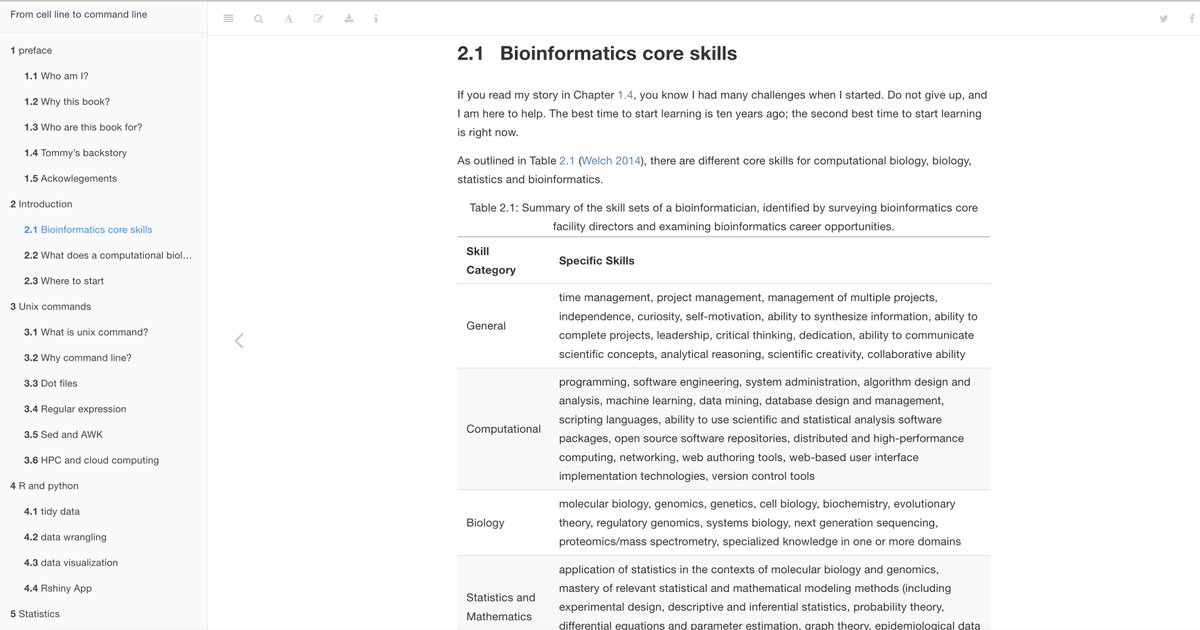
I am writing a book to help wet biologists to learn computation. Below are some of the chapters I have in mind. What else do you want to know? what problems and frustrations did you have when you started? I will keep them in mind. #rstats#computation#Bioinformatics RT please
I'm excited to listen to all my bookmarked @FoGenomics talks tomorrow. I'm sure the early start, due to time differences, will be totally worth it! #Genomics#biodata
Most genomic studies have been done with participants who have European ancestry. Because of this lack of diversity, there might not be enough data about genomic variants from other populations to calculate polygenic risk scores for those groups. https://t.co/pMVSMCdNMm
@altini_marco Hi, thanks for the interest in my research topic. If I'm not mistaken you should be able to download my thesis (per chapter) from my alma mater https://t.co/rLVHHOEU1j - If the link doesn't work please drop me an email ([email protected]), I will be happy to send it.
Compared to the original book cover, I kind of prefer AI's interpretation (https://t.co/qEt8lfIuek) of my PhD dissertation..."The Genetics of Heart Rate Variability"
The entire GWAS community should be thankful to the authors for curating GWAS results, fine-mapping causal variants, prioritizing causal genes using an impressive workflow and finally handing in the results to us in a silver platter that is https://t.co/jWB0QSzRno. 👏👏
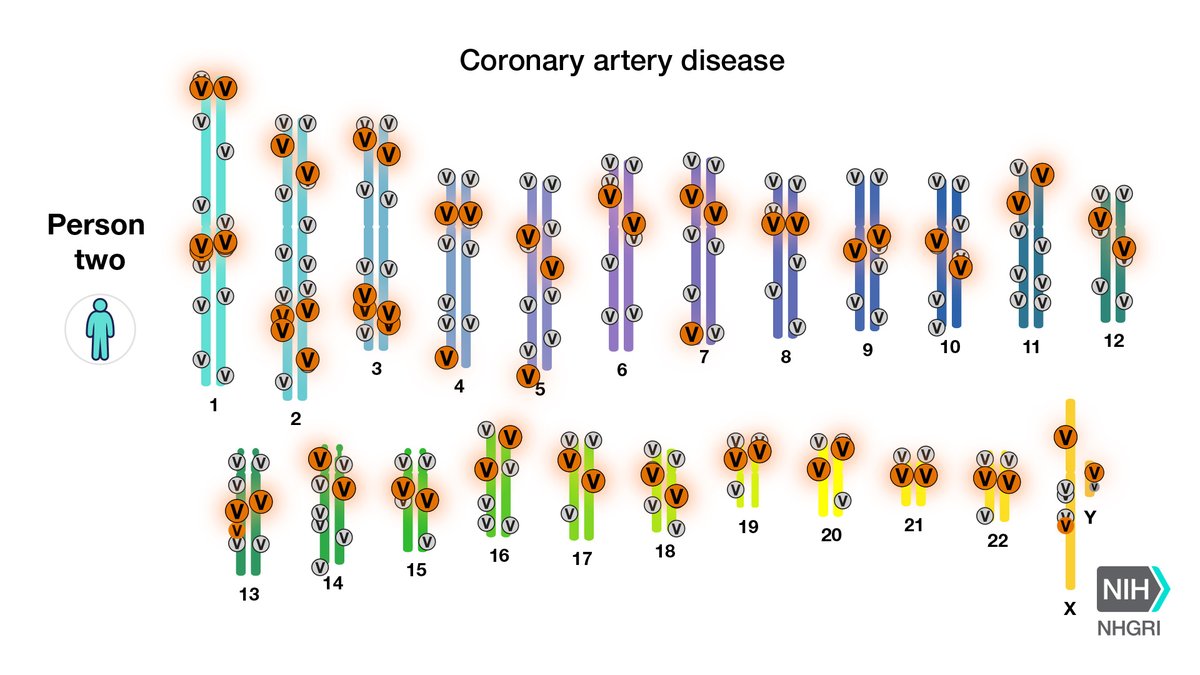
Diseases that come from several genomic variants and environmental factors are called complex, or polygenic diseases. One example is coronary artery disease. People with this disease tend to have 60+ of the same variants that are spread across the genome.
Out of the 6 billion letters in our genomes, each of us has around 4 to 5 million genomic variants. These variants could either be incredibly unique to us or may show up in other people’s genomes. Why do these variants matter?
Genomic variants reflect different DNA spellings among people. It is important for researchers to be able to identify genomic variants and then readily determine IF and HOW they influence human health and disease.