An LSE blog as an online platform for researchers to share field research experiences. Supported by @LSESEAC Contact the editor @urbancommune for contribution
The Field Research Methods Lab Blog welcomes new contributions from both established and early career researchers to share their hands-on fieldwork experiences.
https://t.co/0vu2t9JA4p
📖 Latest blog post published! @kreed_sea presents lessons learned from conducting in-person fieldwork during the pandemic in Southeast Asia. One key lesson is the immense advantage of being present in the local environment for understanding local contexts https://t.co/2WwR2zM3zv
🗣️@AliceLittlePhD describes her experience of engaging with a local community youth group and how it represents the many voices of children and young people engaging in research.
⬇️Read more on SEAC Field Research Methods Lab https://t.co/fMDmPJthGQ
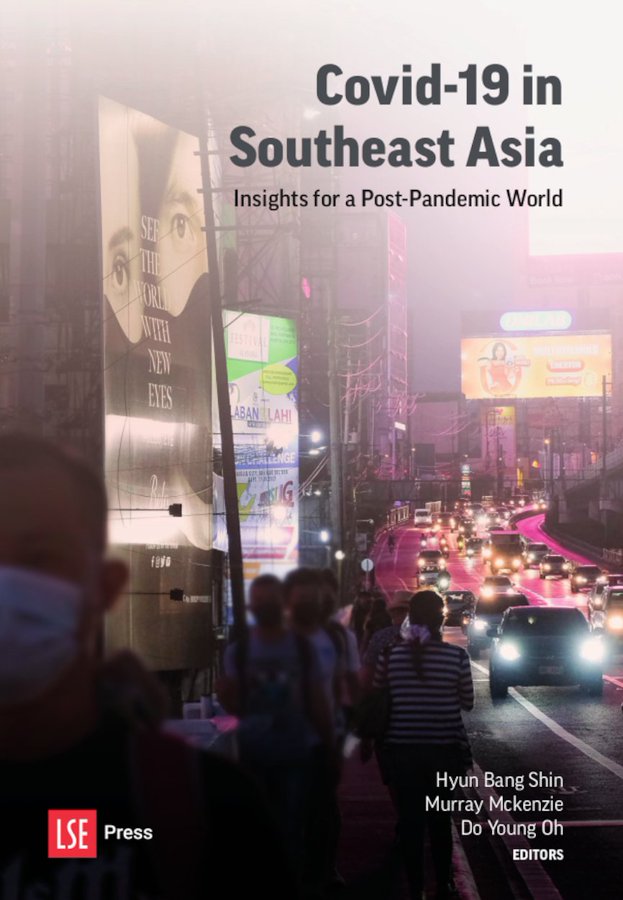
New open access edited volume:
"COVID-19 in Southeast Asia: Insights for a post pandemic world"
Edited by @urbancommune, Murray Mckenzie, & @dy_oh
This title delivers an array of voices from the region with 30+ contributors from or based in Southeast Asia
https://t.co/zl03J4VPG3
"Unless we see local staff occupying leading roles in the chain of knowledge production, it would make little sense to speak of a localisation and decolonisation of aid."
Read @RitaAdelMohamm1's new post on the politics of knowledge production ⬇️
https://t.co/010g2zULmI
Undertaking qualitative research during the pandemic?
@mlcpineda reflects on navigating the processes behind conducting in-depth interviews online
Read about how Luisa Pineda from @MediaLSE adapted to her remote fieldwork on Filipino feminist activism.
https://t.co/Y41eeK75OJ
"I could not shake the discomfort I felt at dissecting a method that I ultimately support and that is used for the explicit purpose of advancing women’s human rights"
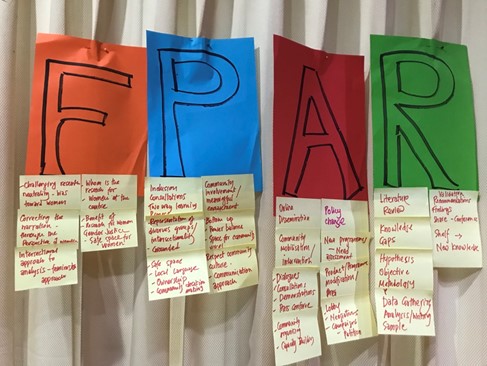
Read Amanda Muñoz Gamage's reflections on feminist participatory action research here: https://t.co/ZeW1YL6FEA
COVID-19 upended many researchers’ plans, with in-person fieldwork no longer possible for many. Read about how Gray Brakke from @LSEGeography adapted to remote research on Vietnamese land politics. Read ⬇️: https://t.co/ENXLnTiOW8
"The inclusion of respondents in the research process through deliberative discourses, anchored in emancipation and reflexivity, may offer a more comprehensive understanding of the multifaceted issues of conflict and peace"
Read Jonathan Eli Libut here: https://t.co/F4PxMxW4F2
"Critical reflexivity is required for researchers to navigate the balance between the value of knowledge co-production and the effect of burdening participants."
Read more on the Photovoice method from Dr. Yawei Zhao @ywei_z here: https://t.co/Pm8xRwpHfb
Don't miss out on attending Dr Shanthi Thambiah's talk on migration governance, emotional connectivity and domestic workers in Indonesia and Malaysia this Wednesday 6th Oct at 12:00 UK BST.
Register for the event here: https://t.co/2Q84hSeM3s
The fate of vernaculars as a new lens to study tensions and dynamics in urban China, UC Berkeley lecturer @FangXu_SHtoSF shares her field research experiences.
Read Dr. Xu's blog post here: https://t.co/0syyn7WtbU
"For a short period of time, I thought perhaps digital entrepreneurship was so empowering that gender did not matter in the network era, particularly in metropolitan areas."
Read more about in Luo Yiling's (@CUHKofficial) blog here: https://t.co/ZrPyCNnAln
For researchers interested in religious studies, this contribution by @nehakhetrapal from @JindalGlobalUNI presents a creative journey into the digital space, when the pandemic thwarted plans for entering into the ‘natural’ field https://t.co/kXdeGzseuv
@nehakhetrapal from @JindalGlobalUNI discovered a new perspective to look at #religion while taking cognitive #ethnographic work into the digital sphere. Read the blog post in LSE Field Research Methods Lab:
https://t.co/xqgq8vN4BJ
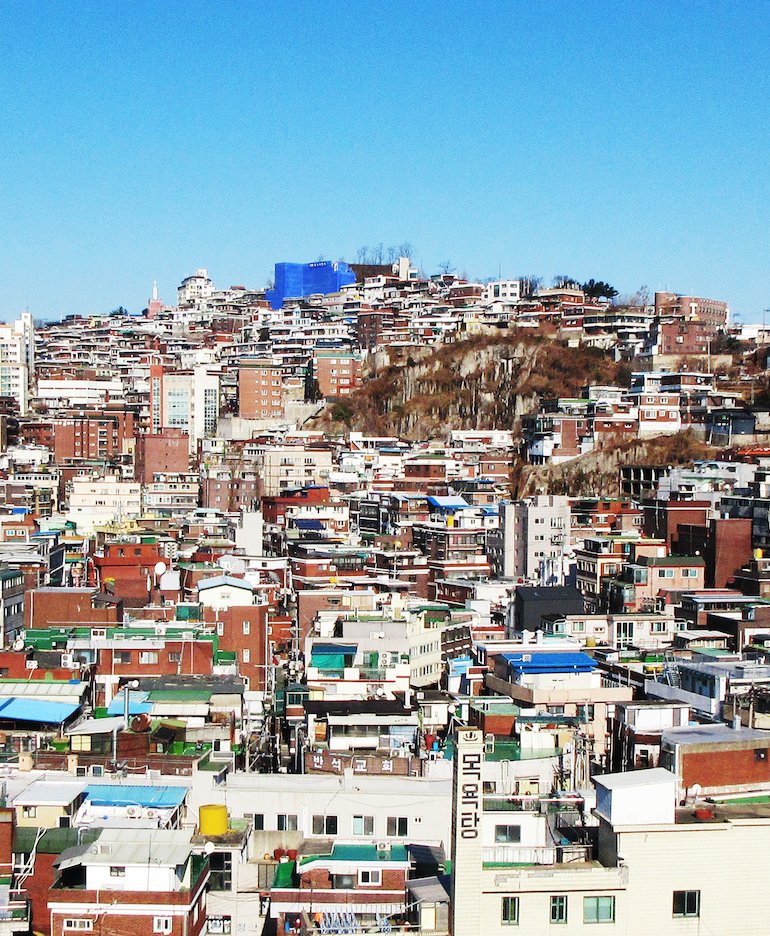
In this new post, Dr Kon Kim (@UniWestminster) discusses how he has managed to gain access to interlocutors operating between the state and citizens operating in South Korea’s urban regeneration projects. Read here: https://t.co/EGzJm4hhHR #gainingaccess#positionality#Seoul
"When I intend to go beyond my known knowledge of the field... I find ethnographers’ reflexivity is more useful and insightful than knowledge positionality"
Read more in Jason Yan's new post for the Field Research Methods Lab Blog: https://t.co/ONaGKiYdYM
Caught in the midst of COVID’s initial outbreak, Al Lim
@al_l1m reflects on how he pivoted his methodology for his master’s dissertation towards a critical corpus-based analysis. Read more about it here: https://t.co/98KfyP3SA2
What does it mean to conduct research in the midst of a military coup in Myanmar? @Morgane_Dsd from @SOASPolitics reflects on her positionality and experience in navigating security and ethics in constraining political environments. https://t.co/WYMoQMURwu
What happens when you can’t follow local customs and protocols during your fieldwork? @jo_octavia shares her experience of adapting elite interviews in #Indonesia into phone interviews and building trust with her interlocutors during #COVID19 pandemic https://t.co/oRyFNK5fzE