Level 1 Autism as an adult can feel like a nightmare. You're functional enough that nobody accommodates you but struggling enough that everything is harder than it looks.
being a high functioning stoner is WILD because I’m not trying to “escape reality” - I simply want to soften the sharp edges of existing inside a brain that never stops fucking thinking.
my therapist told me this and it hit me: “healing is so hard because it is a constant battle between your inner child who is scared and just wants safety.... your inner teenager who is angry and just wants justice.... and your current self-who is tired and just wants peace."
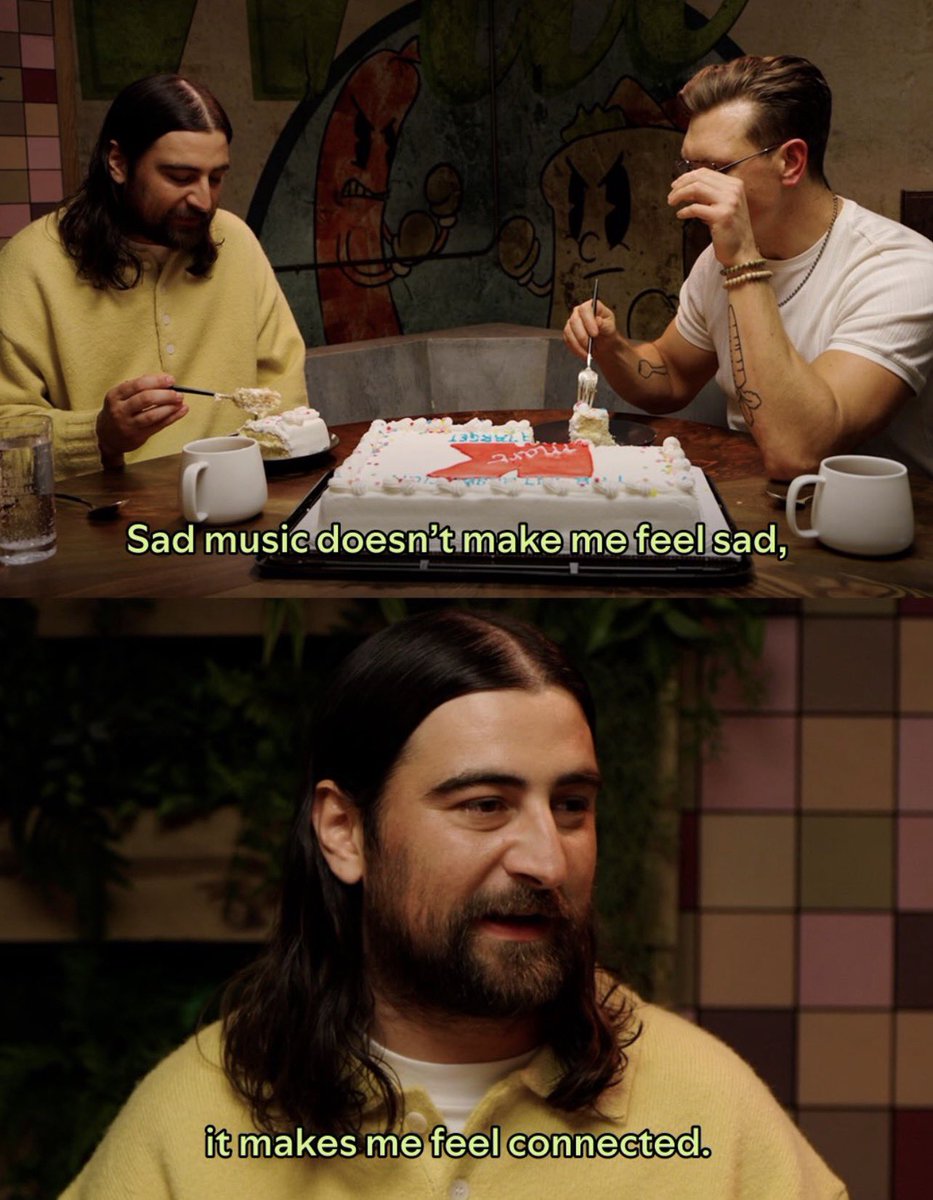
so many times i’ve had people in my life try to tell me to stop listening to sad music when i’m already sad/depressed/going through the motions, but it truly feels like being understood by someone, that someone is saying the words you can’t find
My therapist told me:
“When a person grows up feeling unseen, they learn to love by over-giving. They pour into everyone else, hoping that, one day, someone will finally pour back into them. So they become the care taker. The fixer. The one who shows up, even when no one shows up for them.”
And the hardest part? Deep down, they're not trying to be strong. They're just waiting for someone to do for them what they've spent their whole life doing for everyone else.
The most terrifying realization a man has as he gets older is that his grace is entirely conditional. If a woman has a career setback, makes a bad financial move, or needs a year to "find herself," she is met with sisterhood, therapy, and endless emotional support. If a man asks for that exact same grace? He is an immediate liability. He is told to step up. His partner's friends will literally advise her to leave him because he's "holding her back." A man is only allowed to fail if he can quietly fix it before anyone notices. The moment his struggle becomes an inconvenience to the people he provides for, the respect vanishes. A lot of men are walking around with the crushing realization that they were never actually loved for who they are; they were just employed for what they provide
This is how a child loses trust in their parents;
- Asks a genuine question. Gets dismissed.
- Shares excitement about something. Gets mocked.
- Comes home with a problem. Gets lectured instead of heard.
- Cries. Gets told to stop being dramatic.
- Fails at something. Gets compared to someone else.
- Achieves something. Parents barely look up.
- Tries to talk. Parent is on the phone.
- Learns that home is not a safe place to be honest.
- Starts hiding things.
- No quality time. Only correction.
- No "I'm proud of you" without a condition attached.
- No listening without an agenda.
- No apology when the parent is wrong.
- No curiosity about who the child actually is.
- Child raises themselves emotionally.
- Grows up. Moves away as fast as possible.
- Calls home out of obligation, not love.
- Becomes a stranger who shares blood.
And the parent wonders why their child never opens up.
To raise a child who actually trusts you, do this;
- Put the phone down and look them in the eyes when they talk.
- Ask questions about their world without judging the answers.
- Apologize when you're wrong. They're watching everything.
- Celebrate who they are, not just what they achieve.
- Make home the safest place they know.
- Listen to understand, not to respond.
- Show up to the small moments. Those are the big ones.
- Tell them you love them without them having to earn it.
- Be the person they run to, not from.
NON-NEGOTIABLE.
I’ve noticed that people who grew up walking on eggshells around parents who got angry easily or changed moods without warning often become adults who overthink every word, replay conversations in their heads, and assume they’ve done something wrong, even when nothing actually is. If you can relate, this page is for you.
• being scared to voice your opinions
• extreme fear of making mistakes
• being a forced introvert
• having social anxiety
• people pleasing
It did not.
Nobody likes you when you are depressed.
Plain and simple. We could talk all day about mental health and how important it is, but the moment you are depressed, people start to distance themselves. They see you as negative, a burden, and someone too heavy to handle.
Little is said about how exhausting it is to have anxiety, where no matter how much you sleep, your brain never rests, and therefore you're always tired.
Meet the Robinsons (2007) lands hard in the final stretch. That reveal reframes the Bowler Hat Guy, and the montage tying Lewis’ future to Walt Disney’s own “keep moving forward” quote hits with real conviction.