480+ #Myrtaceae species are at risk as Austropuccinia psidii lineages spread globally. @LuoZhenyan et al. developed a diagnostic tool for differentiating known lineages of A. psidii based on biological predictions and nucleotide sequences. @boufleur_t https://t.co/4cGDkN0ERG
Our excellent PhD student @Xuan_Xuan_Hu attended her very first conference #ASPS2024 and took home the best student presentation runner-up as souvenir! @OwenAtkin Lab.
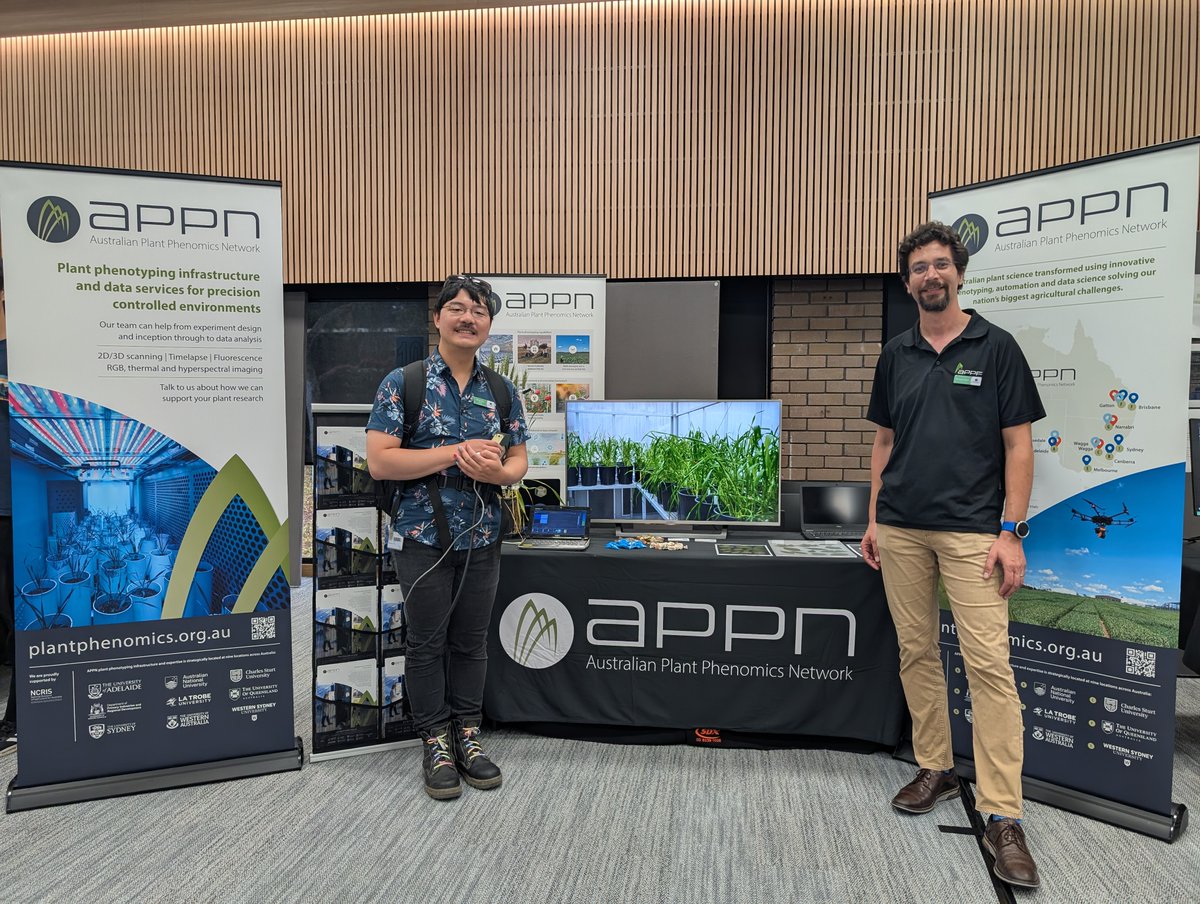
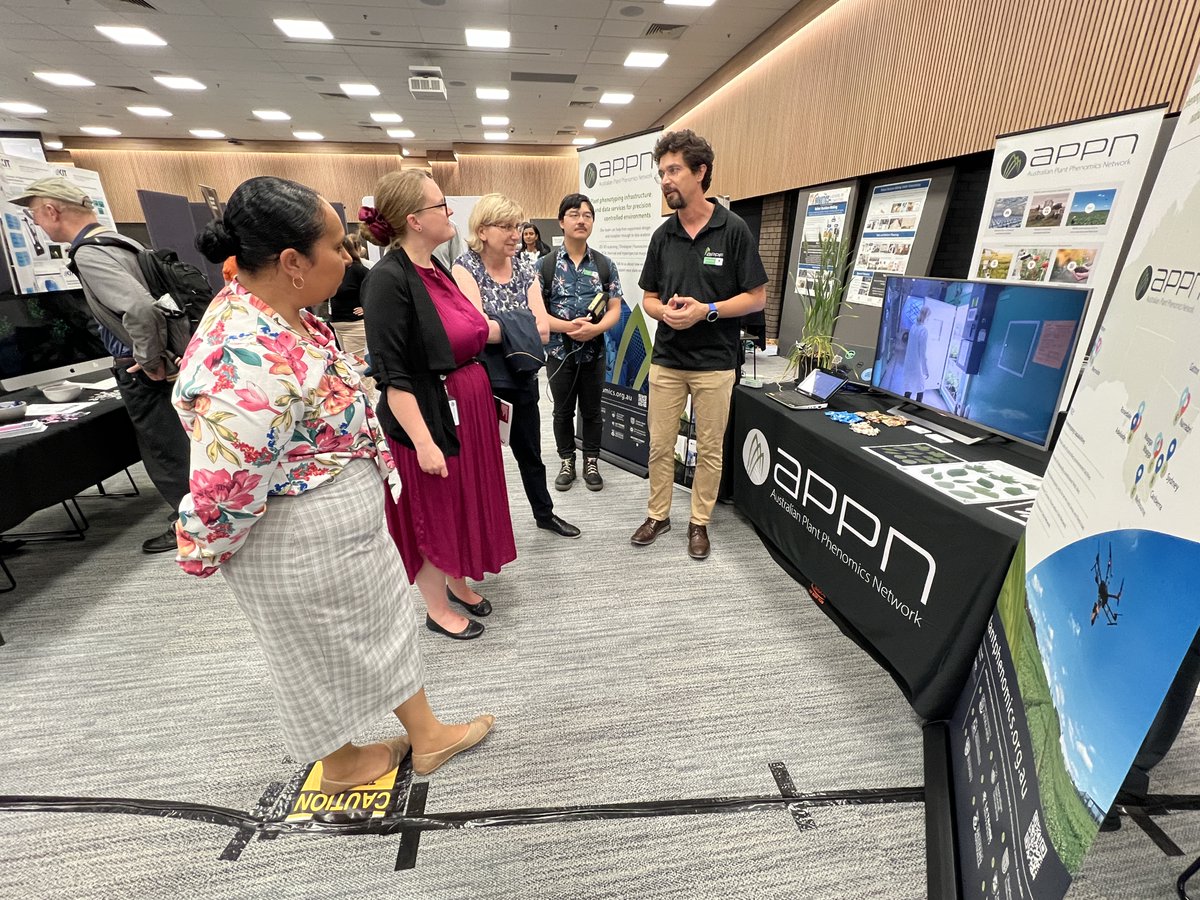
APPN's @scienceANU team attended the Research Infrastructure Expo 2024 to showcase our offering. Great to meet with Jessica Brosnan (NCRIS Director), Claire Sainsbury (AS Research Policy & Programs) & Prof Ute Roessner (Pro-Vice Chancellor, Research Initiatives & Infrastructure).
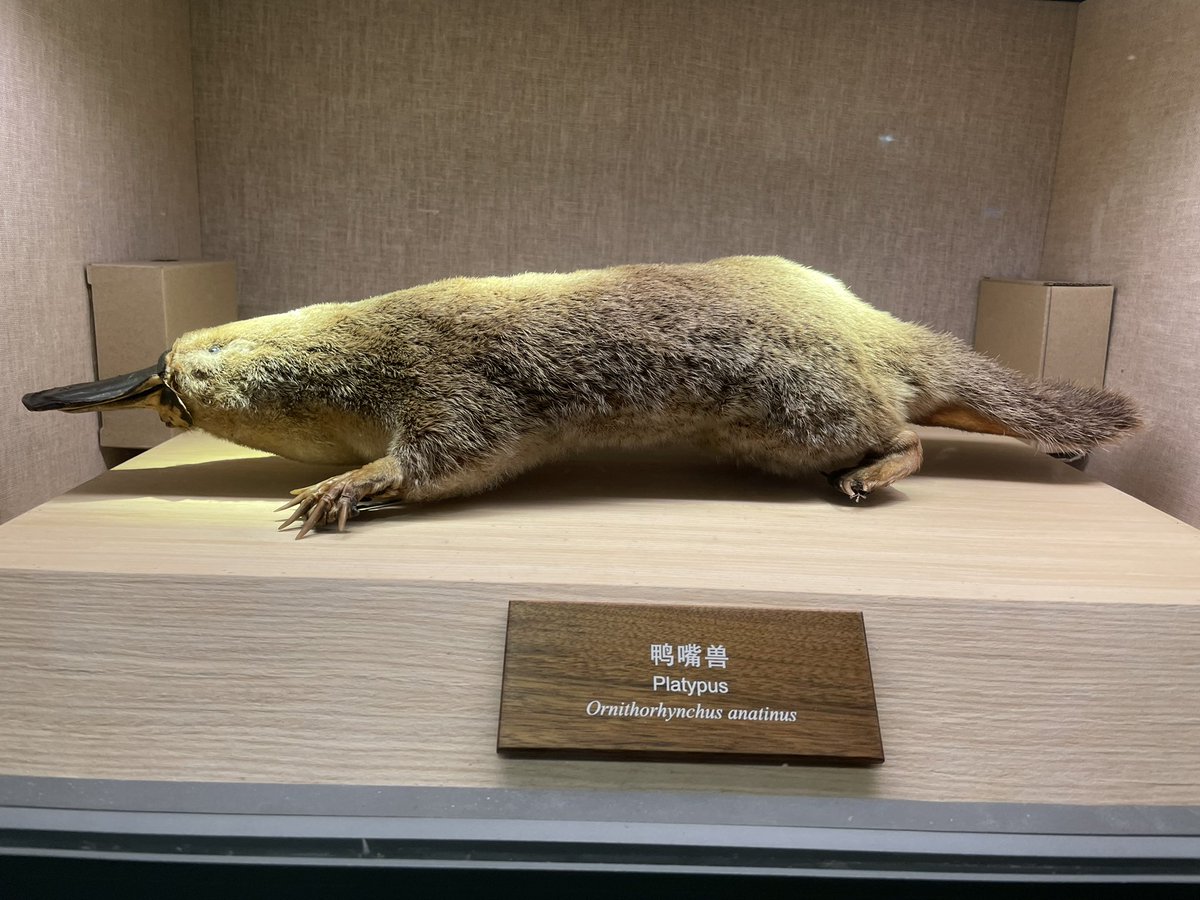
It was really nice to catch up with you today @LuoZhenyan exactly one year ago I was leaving Australia, and today we met up in China! What a coincidence.
Fantastic to see our Eucalyptus work published in @genomeresearch and featured on the cover! Big congrats to an awesome team and collaborators, including artist @KaseyKPham 🎨
🌳Our work investigating susceptibility of 13 Western Australian #Melaleuca species to #myrtlerust is now available!
🍂 Susceptibility ranged from 2 - 94% between species
🍃 Broad leaved paperbark species displayed the greatest variability in response to the pathogen
Those are unusual spiraling Ophiocordyceps that erupts from spiders, attached on the underside of leaves. It was commonly found in the Great Smoky Mountains Natioanl Park during our surveys on 07/23. This group (aka "arachnophilous hymenostilboids") has been recorded just a few times and never been sequenced. Such a nice-looking fungus!
FindPlantNLRs pipeline now has a docker image available, details can be found in the ‘docker_version’ branch.
Although docker is not friendly for HPC users.