Caravan Health Founder, passionate advocate for safety net and rural providers. Opinions are my own & do not represent the Medicare Payment Advisory Commission
New piece in @meditechtoday on my blueprint for smarter healthcare.
When I was the CIO of a 25-bed rural hospital, we needed roughly 50 billing and coding staff just to get paid. That is not clinical care. That is the cost of a system where nobody can see the whole picture.
Here is proof the fix works. Medicare has started running AI on its own claims and is finding billions of dollars in fraud. But traditional Medicare is only about 10 percent of Americans. The other 90 percent sits scattered across more than a thousand private insurers, and fraud does not retire when one door closes. It moves to the people nobody can see.
Give AI one secure, standardized national database and it can catch fraud in real time, put prices in the open, and warn a doctor before a patient reaches a crisis. I believe that is worth about a third of what we spend, roughly $1.5 trillion a year.
https://t.co/WTO9MQWdHh
I joined Suzanne Alexander on Market Day Report to talk about the problem under every healthcare problem: nobody can see the data. Not you, not your doctor, not the country.
We fixed it once with claims data and saved Medicare $500 million.
AI could transform healthcare, but only if we give it something to work with. Right now our data is scattered across 1,000+ health plans that don't talk to each other.
On @mainstreetradio, I explain how centralized data lets AI cut costs and catch fraud.
I'm headed to Chicago this week! 🎉
I'll be speaking at @BeckersHR Healthcare Rural Healthcare Leadership Summit on June 11–12, leading the session: "The Rural Healthcare Transformation Fund: What's Funded, What's Next, and What It Means for You."
Back on @mainstreetradio on the @AlanNathan show, this time diving into AI's potential to transform healthcare. The catch? AI is only as good as the data behind it, and right now our data is too fragmented to use. Here's what a centralized claims database could change.
Healthcare runs on fragmented admin systems driving 10–25% of U.S. healthcare costs. Standardized, transparent data can cut inefficiency and redirect resources to patient care.
Only 10% of U.S. healthcare data is studied at scale. The rest is fragmented. Unlocking it could reveal better treatments, cut inefficiencies, and improve care for millions.
Had a great conversation on @mainstreetradio on the @AlanNathan show about why healthcare costs keep rising and what we can actually do about it, with a focus on how better data can help improve care and lower costs for everyone.
On @ForbesTVNews with @_brittanylewis — how fixing our healthcare data problem could save Americans thousands each year. Right now, we’re spending more than anyone else without a clear view of what’s driving costs.
Every interaction in healthcare creates a record, capturing what care was delivered, what it cost, and who paid for it, but today that data is scattered across thousands of insurers using different systems and formats. Bringing this data together is key to lowering costs, improving care, and making the system work better for everyone.
Making Healthcare Affordable Again
Lynn Barr, MPH, tells @RileyLewis760 on @TheRealStoryOAN that we could reduce the cost of healthcare by thousands of dollars every year if we root out the waste, fraud, and abuse and focus on better, more integrated systems.
Watch The Real Story on Spectrum and YouTube TV Today!
Here’s my full interview on @therealstoryoan with @RileyLewis760 breaking down one of the biggest challenges in healthcare, our fragmented system and how centralizing data could improve care and lower costs for everyone.
The U.S. spends $15,000 per person on healthcare each year - nearly 18% of GDP - yet we manage a $4.5T system without clear visibility into where money goes.
Better healthcare data could save Americans up to $5,000 annually, while improving care.
American households bear healthcare costs that far exceed those in peer countries, despite consistently weaker outcomes and shorter life expectancy.
Carrying that burden year after year puts unsustainable strain on family finances and the broader economy.
U.S. healthcare spending now exceeds $15,000 per person each year, roughly three times the average of other developed nations, yet outcomes and life expectancy are worse by most measures. That gap reflects a healthcare system that is expensive, inefficient, and misaligned with patient outcomes. @_brittanylewis@Forbes
Americans pay about $5,000 more per person each year for healthcare than any other developed country and see worse outcomes. The math behind that gap is simple, and it explains why healthcare costs show up in prices, inflation, and pressure across the entire economy. Fixing it could save Americans roughly $1.5 trillion a year. @_brittanylewis@Forbes
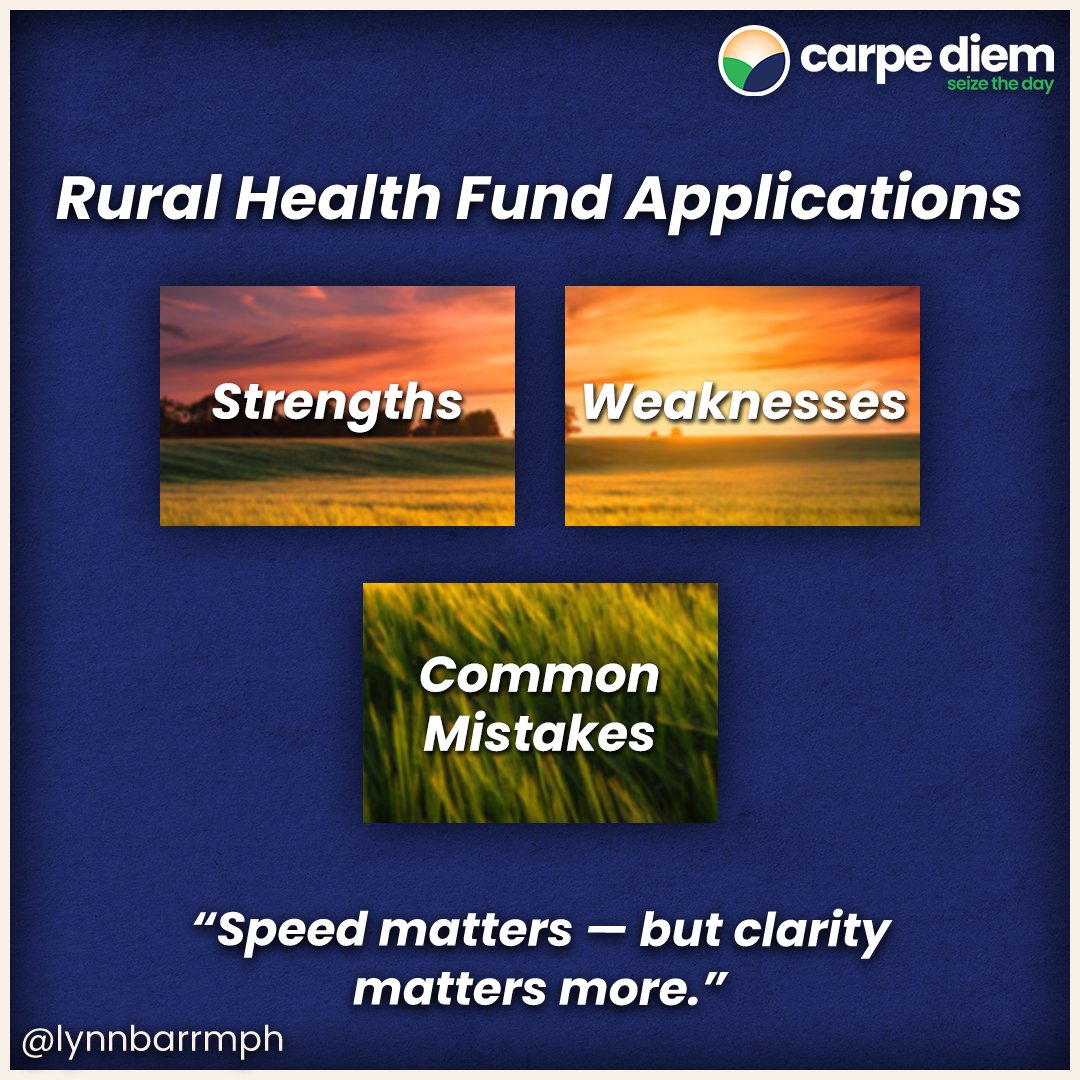
Patterns are emerging in the Rural Health Fund applications:
- Strengths: Commitments to behavioral health, broadband, and rural care teams.
- Weaknesses: Vague implementation plans. Thin data strategies. Questionable sustainability.
- Common mistakes: Confusing spending quickly with spending well.
This funding is entering a healthcare system with rising costs and fragile incentives. I’ll be unpacking that broader context in the days ahead, because how states use this funding will matter far beyond this moment.
States have submitted applications for the $50B Rural Health Fund, follow me this week for a breakdown of what states are getting right — and what may still be missing.