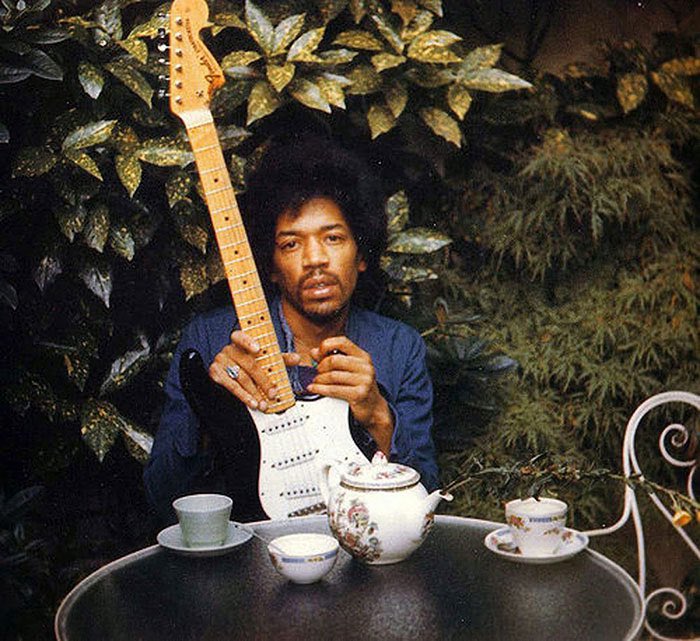
One of the last photos of Jimi Hendrix with his favourite guitar 'Black Betty'. Hendrix died the day after this photo was taken. It was determined that he aspirated his own vomit and died of asphyxia while intoxicated with barbiturates.
On December 23, 1944, First Lieutenant John Robert Fox volunteered to set up an observational post in the small Italian town of Sommocolonia, which was being overrun with Nazi soldiers.
A member of the only Black infantry division in the U.S. Army to see combat during World War II, 29-year-old Fox had never before been on the front lines. But for three days, he stayed at his post and directed artillery fire toward German positions to help countless Americans retreat.
Then, on the day after Christmas, the Germans launched an all-out assault, and Fox quickly became vastly outnumbered while running out of ammunition. Surrounded and facing certain death, Fox called in one last artillery strike — on his own position.
He knew that he'd die, but that he'd also take dozens of Nazis with him and allow the rest of his comrades to escape.
According to the soldier who received his order, his last words were, "Fire it! There's more of them than there are of us. Give them hell!" When his body was discovered a week later, he was surrounded by the corpses of approximately 100 German soldiers.
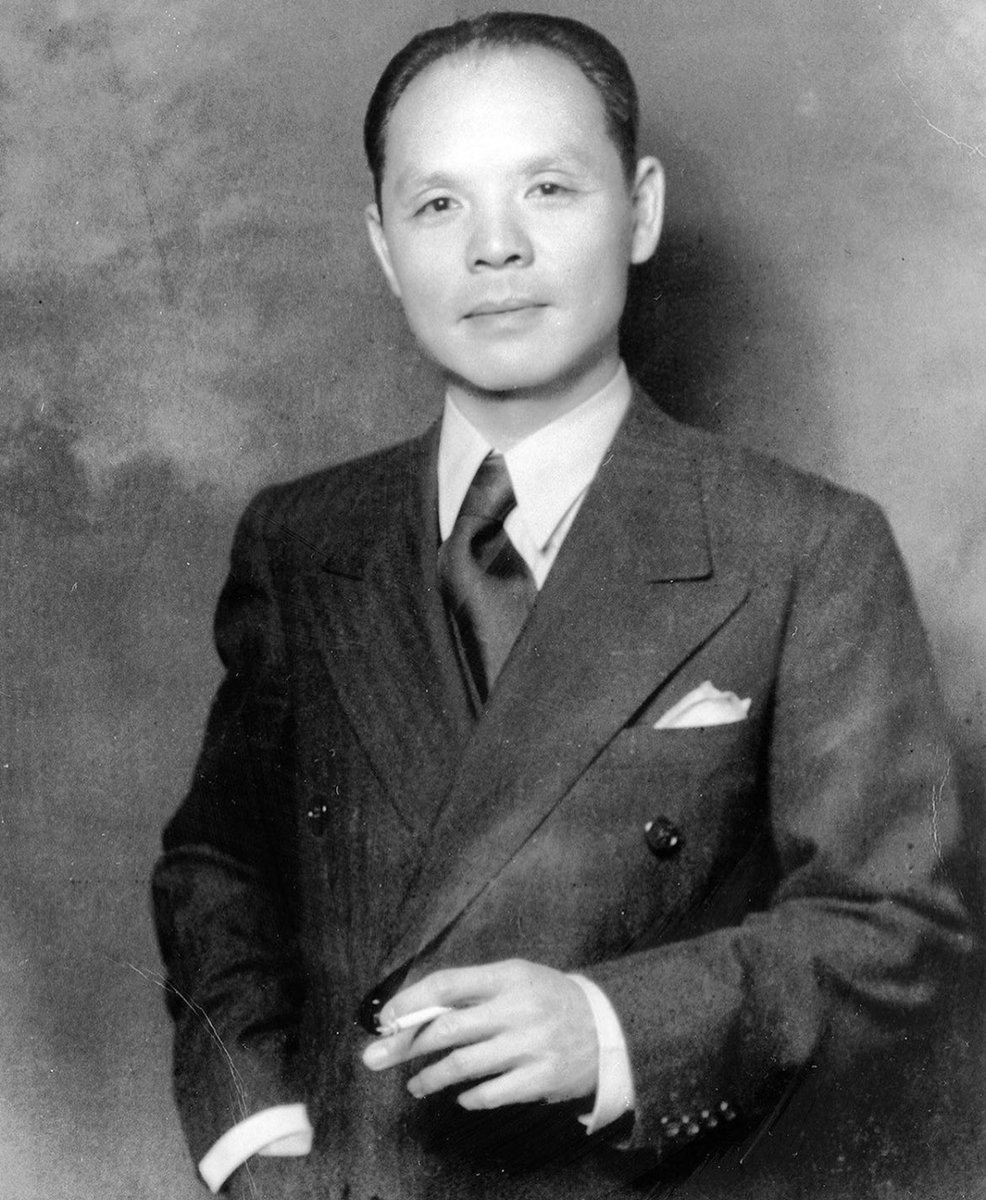
Meet Ho Feng-Shan, a Chinese diplomat stationed in Vienna during World War 2, whose unwavering courage saved the lives of numerous Jewish people by granting them visas, despite strict orders to the contrary. Often likened to the legendary "Chinese Schindler," his name should forever be etched in history. Though exact records have been lost, it is well-documented that during the first half of his diplomatic tenure, he issued close to 2,000 visas, while some estimates suggest the number could be nearly 4,000.
Xu Xin, a professor of Jewish studies at Nanjing University, lauds Ho's actions, stating, "Most people nowadays believe that he saved more than 5,000 lives at that time. Moreover, Ho stands out as one of the first diplomats to take decisive action to rescue the Jews."
One of the lives touched by Ho was Lilith-Sylvia Doron, who encountered him serendipitously when Hitler arrived in Vienna on March 11, 1938. As violent attacks against Jewish people escalated under Nazi propaganda, Ho, who knew Doron's family, bravely accompanied her home, ensuring their safety by relying on his diplomatic status as a shield against the Nazis. He continued to visit and protect them from harm throughout that perilous time.
Another moving account comes from Gerda Gottfried Kraus, whose husband sought refuge at the Chinese consulate after Reichspogromnacht (pogrom night). Though he couldn't enter the consulate, he managed to toss his application into the car of a diplomat arriving there. Fortunately, the application reached the hands of the consul-general, Ho Feng-Shan, who promptly called them and issued the vital visas.
In an act of extraordinary dedication, when the Nazis occupied the embassy building owned by Jewish people, Ho set up a new office at his expense, ensuring the visa issuance process continued uninterrupted. He persisted until May 1940, when he was compelled to return to China under orders.
Ho Feng-Shan's incredible legacy continued even after the war, as he lived until 1997, passing away at the age of 96. In 2000, his selfless heroism was finally recognized, and he was posthumously bestowed the esteemed title of "Righteous Among the Nations" by Israel—a fitting tribute to a man whose bravery and compassion knew no bounds.
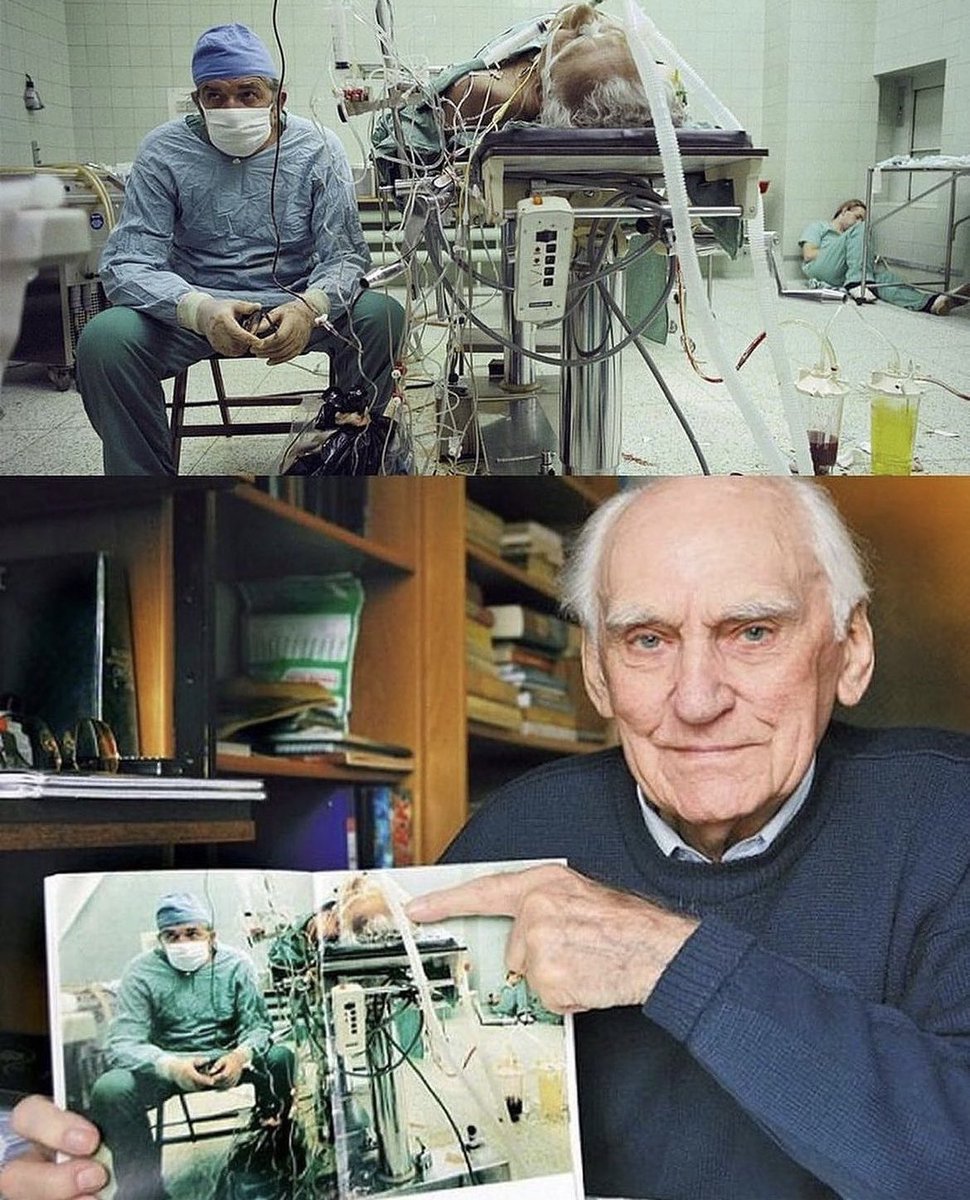
The top photo holds great historical significance as it captures a pivotal moment in medical history. Dr. Zbigniew Religa, a renowned heart surgeon, is seen resting in the photo after completing the first successful heart transplant in Poland in 1987. This groundbreaking surgery lasted a staggering 23 hours, pushing the boundaries of medical expertise and technology at the time. Despite the immense physical and mental strain of the procedure, Dr. Religa's dedication to saving lives is evident.
Interestingly, the photo also captures a glimpse of his assistant, who can be seen sleeping in the corner. This seemingly mundane detail highlights the exhaustion and demanding nature of such a complex operation, as both the surgeon and the entire surgical team worked tirelessly to achieve this medical milestone.
The bottom photo, taken 25 years later, features Tadeusz Zitkevits, the recipient of the heart transplant. It is a testament to the success of the surgery, showing that he lived a remarkable 30 years after the procedure. Tragically, Tadeusz Zitkevits passed away in 2017, outliving Dr. Religa, who had given him a new lease on life, but succumbed to his own mortality in 2009.
Together, these photos capture the triumphs and limitations of medical science, reminding us of the dedication and sacrifice required to advance the field of transplantation and improve the lives of countless individuals facing life-threatening conditions.