Strengthening Uganda’s Boat Engine Mechanics
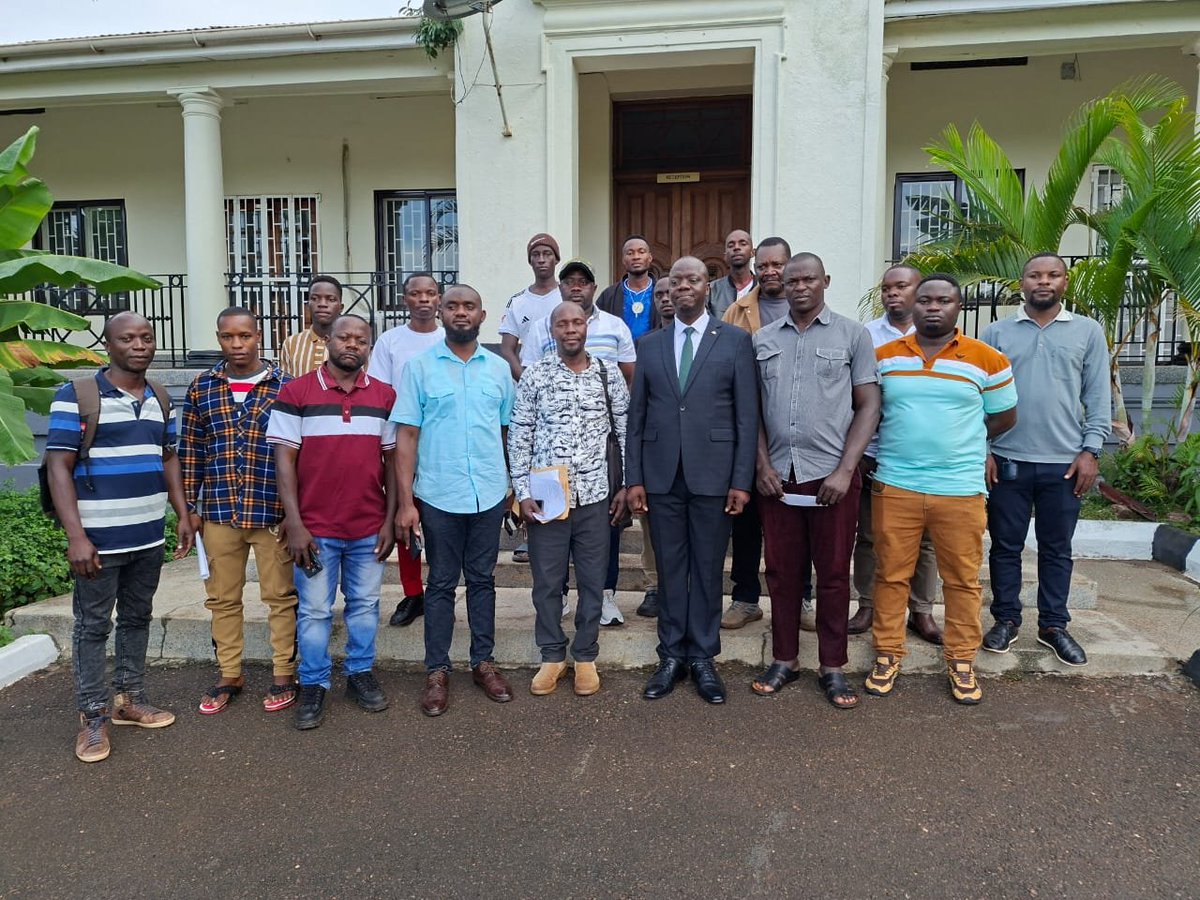
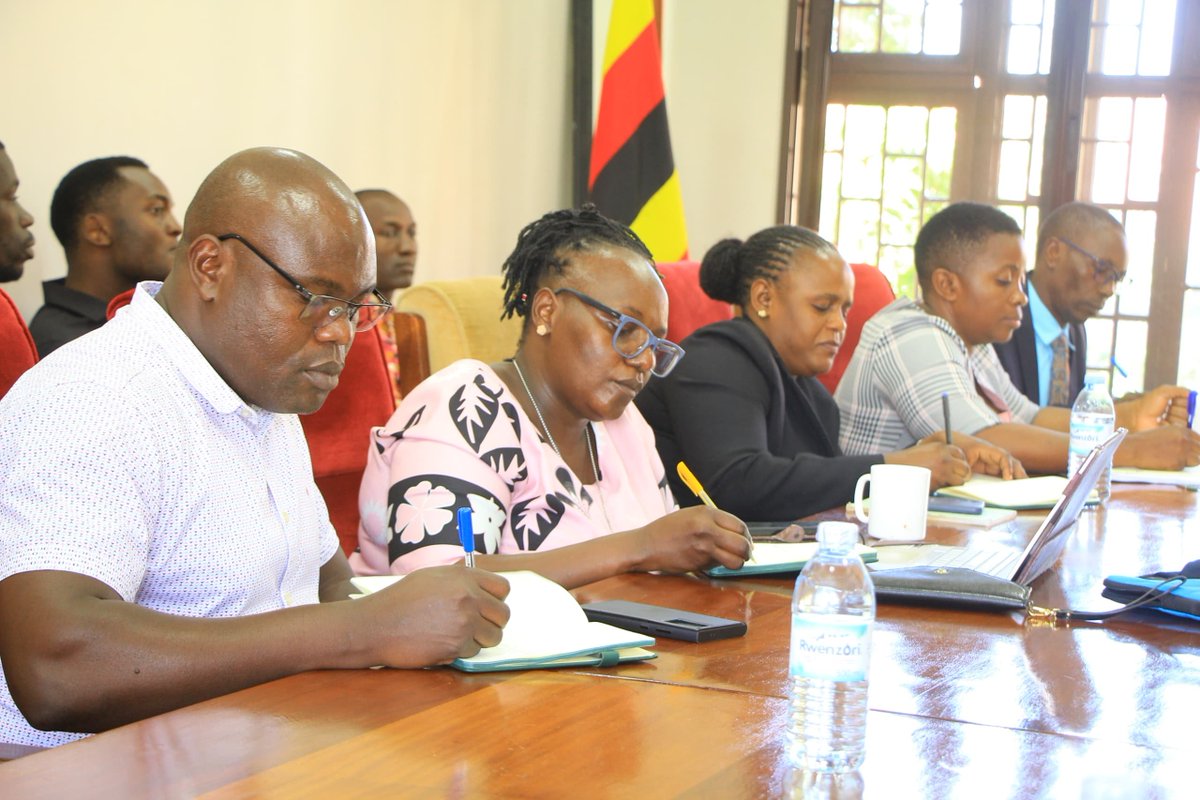
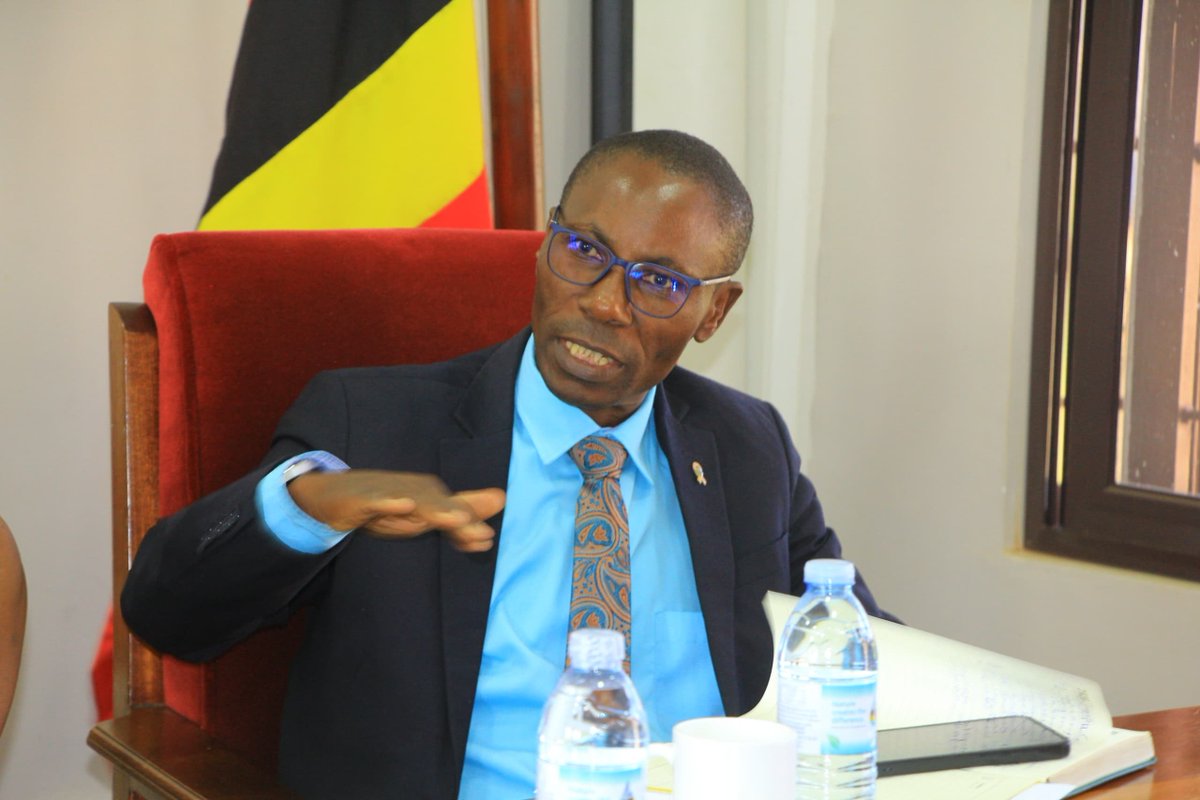
Today, State Minister for Fisheries, Hon. Robert Migadde Ndugwa, hosted a delegation from the Uganda Outboard & Inboard Mechanics Association at MAAIF Headquarters, Entebbe.
Led by their Secretary General, Galemye David Kafuma, the association requested technical and financial support to help boat engine mechanics operate in line with environmental laws.
They also proposed establishing a certification facility to issue recognized documents authorizing mechanics to work nationwide.
The Minister encouraged the association to form a SACCO, enabling members to benefit from government development programs and strengthen their role in supporting Uganda’s fisheries sector.
This engagement highlights government’s commitment to professionalizing boat engine mechanics, ensuring compliance with environmental standards, and boosting livelihoods across fishing communities.
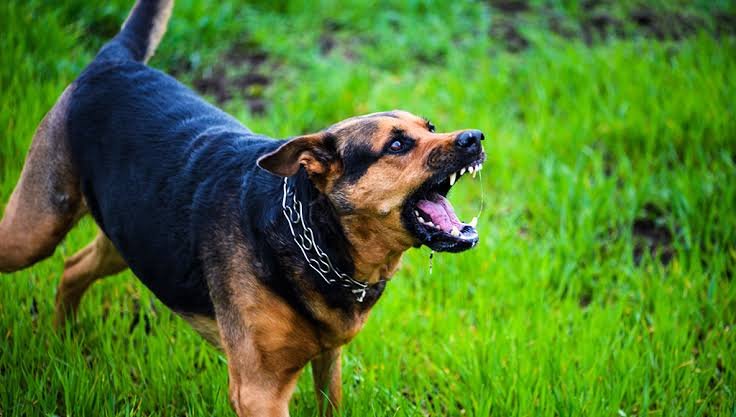
Minister Rwamirama calls on Ugandans to vaccinate pets and protect communities
Ladies and Gentlemen,
Uganda will this week join the global community in marking World Rabies Day, observed every 28 September in honour of Louis Pasteur, whose groundbreaking work led to the first rabies vaccine.
This day is a vital reminder of the need to raise public awareness, strengthen prevention, and mobilise all stakeholders toward the global goal of eliminating dog‑mediated human rabies deaths by 2030.
The 2026 theme, “Stronger Together,” underscores that rabies cannot be defeated by one sector alone. Effective control demands coordinated action across animal health, human health and environmental services, supported by Local Governments, communities, schools, development partners and responsible pet owners.
Rabies remains a serious public and animal‑health threat in Uganda. Dogs are the primary source of human exposure, and children are particularly at risk. Once symptoms appear, rabies is almost always fatal, making prevention essential.
Vaccinating dogs and cats, thoroughly washing bite wounds, seeking prompt medical care and accessing timely post‑exposure treatment save lives.Uganda continues to record cases nationwide.
Between 2021 and 2025, 36 animal samples tested positive, while between 2022 and 2025, 67,393 suspected human bite cases and 190 human deaths were reported. These figures highlight the need for stronger surveillance, better reporting and sustained vaccination.
Government is intensifying rabies control through a One Health approach, emphasising mass dog vaccination, public awareness, laboratory diagnosis and coordinated surveillance under the National Rabies Elimination Strategy (2025–2030).
Alongside this, implementation of the FMD Vaccination Cost‑Recovery Scheme continues to expand, with over 72,452 farmers registered across more than 130 districts.
This year’s World Rabies Week will be hosted in Luwero District, featuring free vaccination, school outreach, media sensitisation and community engagement. I urge all Ugandans to vaccinate their pets, report suspicious animals and practise responsible ownership.
Working together, Uganda can eliminate dog‑mediated human rabies and protect both lives and livelihoods.
For God and my Country.
Uganda moves to seal loopholes in fishing gear imports
The Minister of State for Fisheries, Hon. Robert Migadde Ndugwa today hosted a high-level strategic inter-agency meeting aimed at strengthening collaboration and harmonizing regulations governing the importation of fishing appliances, fish, and fishery products.
The meeting, held at the Ministry of Agriculture, Animal Industry and Fisheries (MAAIF) Ministerial Boardroom, was chaired by the Minister of State for Fisheries and attended by the State Minister of Trade, Hon. Gen. Wilson Mbadi, alongside senior leadership from the Uganda Revenue Authority (URA), Ministry of Trade, Industry and Cooperatives, Uganda National Bureau of Standards (UNBS) and Department of Fisheries Control Regulations and Quality Assurance.
The deliberations focused on resolving regulatory bottlenecks, combating the influx of substandard fishing gear, and streamlining clearing processes at border entry points to support legitimate trade while protecting Uganda’s fishery.
@FrankTumwebazek@PS_MAAIF@StateHouseUg@KagutaMuseveni@mkainerugaba
Building a stronger extension system for climate‑smart agriculture
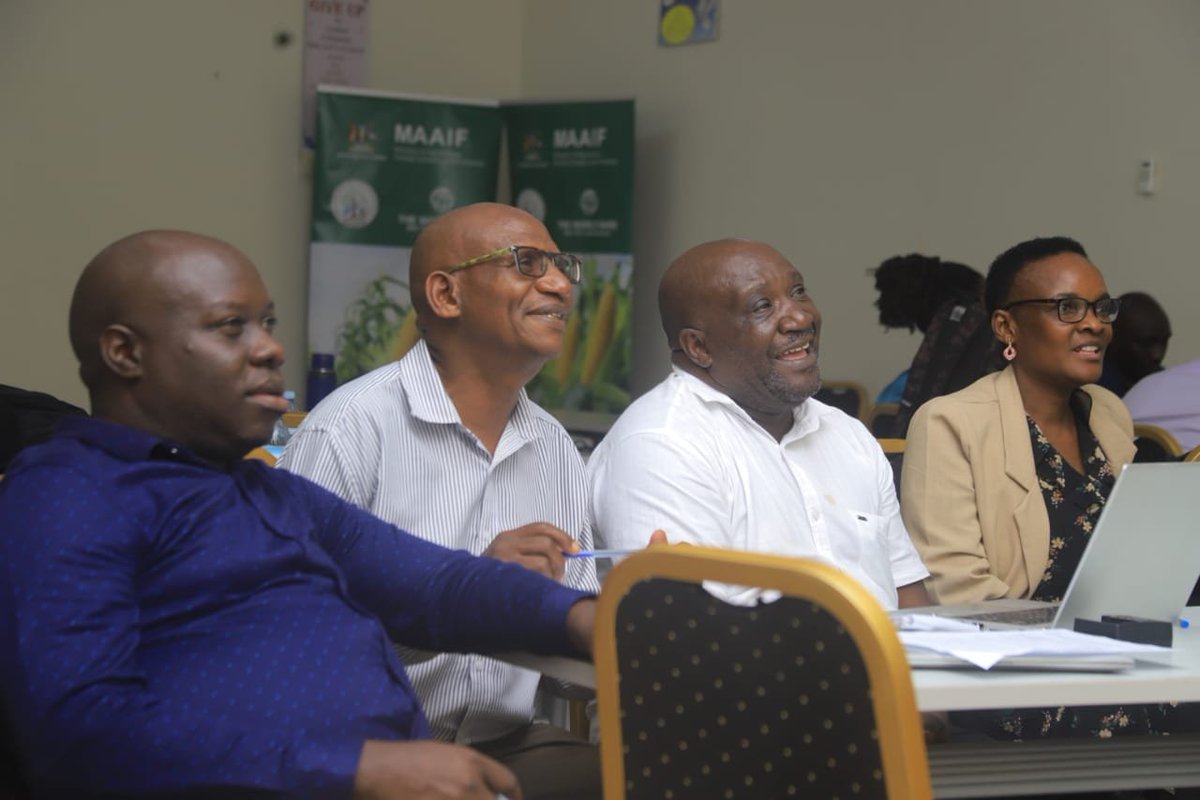
Training of trainers on the Farmer Field Schools (FFS) and Farmer Field Business School (FFBS) approach is underway at NARL Kawanda, marking a major step toward strengthening Uganda’s agricultural extension system under UCSATP.
This training is creating a national pool of experts who will cascade practical, farmer‑centred skills to agricultural extension officers across UCSATP‑supported districts, and eventually nationwide.
Through the cascade model, master trainers will equip extension officers to establish and facilitate community‑level FFBS groups, giving farmers hands‑on platforms to:
-Learn by doing
-Test climate‑smart technologies
-Experiment with improved practices
-Make evidence‑based decisions tailored to their own farming conditions
By integrating FFBS into UCSATP, the project is translating investments and innovations directly to the farm, strengthening farmer groups, boosting productivity, and supporting the shift toward resilient, market‑oriented agricultural enterprises.
This milestone signals the beginning of a sustainable extension system capable of taking climate‑smart knowledge, technologies, and business skills closer to farmers across all project districts.
@FrankTumwebazek@PS_MAAIF@DesireMuhooza@StateHouseUg@KagutaMuseveni@mkainerugaba
All farmer groups cannot get Tractors in this phase. This Financial Year Government is planning procure more tractors for more farmer groups. More farmer groups will receive tractors in the subsequent years.
150 tractors rolled out to boost smallholder farmers
The Ministry of Agriculture, Animal Industry and Fisheries (MAAIF) has today handed over 150 walk‑behind tractors to farmer groups across Uganda, marking a major push in Government’s agricultural mechanisation drive.
Presiding over the handover at MAAIF offices in Wandegeya, Hon. Desire Muhooza said the support targets Uganda’s smallholder farmers, who form 68% of the population, to help them shift from the hand hoe to modern, productive farming.
The tractors will support land opening, ploughing, transportation and value addition, adding to the 650 high‑capacity tractors and 1,000 walk‑behind units already distributed nationwide.
This year, Government has allocated UGX 57.2 billion to procure 200 more units.MAAIF will train operators, monitor usage, and maintain equipment for up to 1,000 hours.
The Ministry is also upgrading the Namalere Mechanisation Centre into a Centre of Excellence and constructing 20 Zonal Mechanisation Centres to strengthen long‑term mechanisation capacity.
Shs720M Illegal Nets Burnt as Minister Migadde Launches Nationwide Crackdown
Monofilament nets worth Shs720 million have been destroyed at Kiyindi Landing Site as State Minister for Fisheries Hon. Robert Migadde Ndugwa kick‑starts a tougher, countrywide campaign against illegal fishing gears.
The Minister led the burning exercise in Buikwe District, warning importers of illegal gears, especially monofilament nets commonly smuggled from China to halt their operations immediately.
Migadde revealed that upon assuming office, he summoned gear importers and issued a two‑month ultimatum before enforcement would begin, the deadline has now expired.
He emphasized that the joint operation involving the Ministry of Trade, URA, and the 155 Marine Battalion will continue to comb through markets, warehouses, homes, and bonded stores to seize and destroy illegal fishing equipment.
“We shall not negotiate with anyone. A clear warning was issued,”. The Minister said.
Although the owner of the seized consignment is still at large, Migadde noted that the priority was to destroy the illegal nets before they reach the market, with investigations already underway.
@KagutaMuseveni@mkainerugaba@FrankTumwebazek@PS_MAAIF@Parliament_Ug@pwatchug
Day Two Highlights from the UCSATP Training in Kawanda
The ongoing training for Fisheries and Extension Officers at NARO, Kawanda brought together participants from Kigezi, Ankole, Bunyoro, and Rwenzori regions, all under the Uganda Climate‑Smart Agricultural Transformation Project (UCSATP).
The session focused on knowledge sharing, skills enhancement, and climate‑smart performance across the agricultural sector.
Mr. Stephen Magume, Principal Agricultural Officer, guided participants, especially young and newly deployed officers, on the best public service practices.
He emphasized effective service delivery, professionalism, and strong collaboration with local communities in their respective areas of work.
Mr. Kassi Yusuf, Senior Fisheries Officer (Aquaculture), reminded participants of the core UCSATP project goals:
-Sustainably increasing productivity
-Enhancing adaptation and resilience
-Reducing emissions
He stressed that all activities under the Climate‑Smart Agriculture framework must align with these goals. Yusuf also highlighted predator control measures to protect farm yields and encouraged the adoption of digital tools, such as the Digital Scaler, for quick and accurate measurements.
Ms. Kayongo Barbra, Environmental and Social Safeguards Specialist, urged District Fisheries Officers to be vigilant when allocating fishponds, cautioning against digging ponds in wetlands and avoiding land encroachment.
She further encouraged trainees to guide farmers to develop consent agreements for land use to minimize land‑related disputes.
@FrankTumwebazek@PS_MAAIF@StateHouseUg@KagutaMuseveni@mkainerugaba@Parliament_Ug
Government champions a new era of sustainable aquaculture
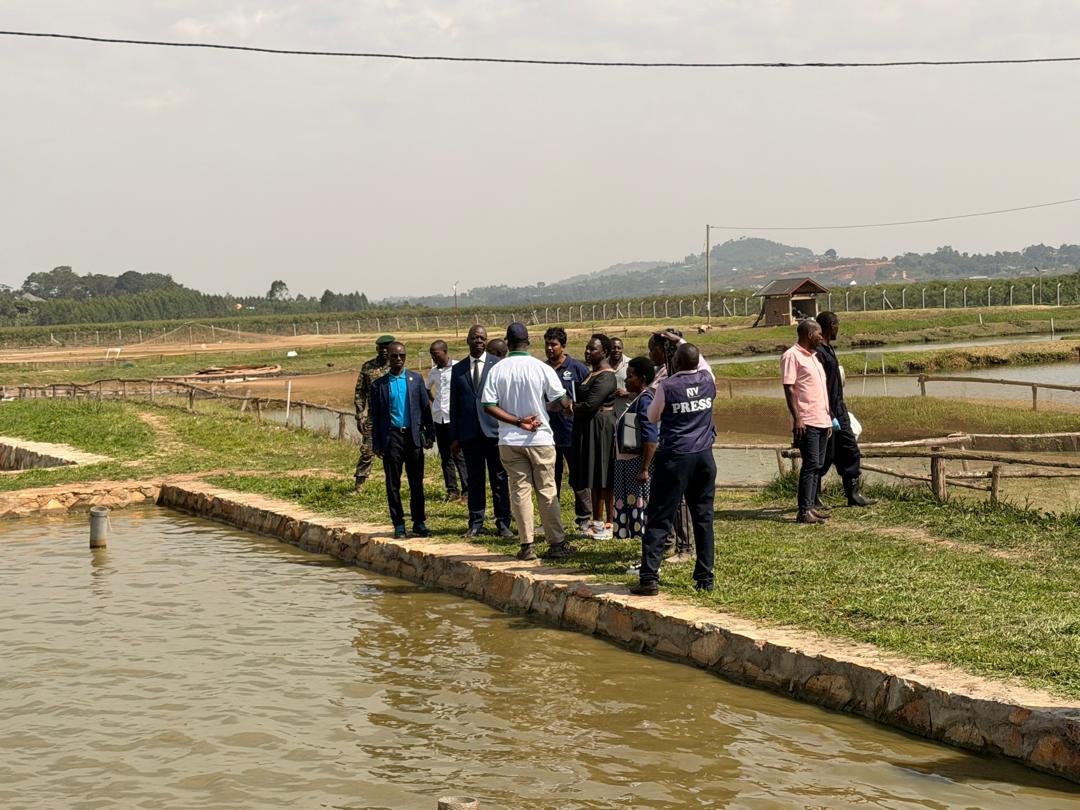
The State Minister for Fisheries, Hon. Robert Migadde Ndugwa, together with officials from the Department of Fisheries, NEMA, Ministry of Water and Environment, and OWC, has visited Kembogo Aquaculture Park in Kalunga Village, Katalama Parish, Ddwaniro Sub‑county, in Kiboga District, a fast‑growing hub for modern aquaculture.
The Minister applauded the park’s management for prioritizing fish farming, noting that the project reflects passion, innovation, and commitment to boosting Uganda’s aquaculture sector.
“I’m really happy to be here. As MAAIF, we fully pledge our support for the development of this project,” he said.
NEMA’s Executive Director, Dr. Barirega Akankwasah emphasized that the initiative deserves full backing because it protects the environment while empowering young people through job creation.
The Permanent Secretary of the Ministry of Water and Environment, Dr. Alfred Okidi reaffirmed that the ministry will continue working closely with the park’s management to advance government interests in sustainable aquaculture.
MAAIF trains fisheries & extension officers to boost climate‑smart practices across regions
The Uganda Climate‑Smart Agricultural Transformation Project (UCSATP) has convened a training session for Fisheries and Extension Officers from Kigezi, Ankole, Bunyoro, and Rwenzori regions, aimed at strengthening skills and knowledge for climate‑smart service delivery.
During the official opening, Mrs. Jennifer Oyuru, the Assistant Commissioner for Agricultural Extension and Management, speaking on behalf of Dr. Henry Nakelet, the Commissioner for Agricultural Extension and Skills Management, highlighted ongoing government efforts to improve agricultural resilience.
She noted initiatives such as cost‑sharing arrangements, adherence to government protocols, and the proper use of machinery like motorbikes provided to field officers to enhance farmer outreach.
Mrs. Jennifer emphasized the importance of sustainable fisheries management, stressing that the training was designed to improve knowledge sharing and help farmers adopt efficient, modern practices.
She called for deeper understanding of climate change impacts on fisheries, urging officers to embrace new technologies and innovations.
Presenting on climate change, Geoffrey Dheyongera, the fisheries value chain lead, outlined major negative effects on fisheries.
He explained that climate change has led to reduced fish sizes, increased water weeds on lakes such as L. Victoria and Wamala, and lake warming, all contributing to declining fish populations and species diversity.
From Subsistence to Success: NOSP Mid‑Term Review captures powerful farmer breakthroughs
The ongoing National Oil Seeds Project (NOSP) Mid‑Term Review is revealing a powerful shift across Uganda’s oilseed communities.
Field engagements with farmers show a clear transition from subsistence farming to vibrant commercial agriculture, with households reporting higher production, stronger market linkages and income gains that are transforming education, housing and overall livelihoods.
From Kiboga to Hoima, farmers are showcasing real gains in production, income, resilience and household transformation.
Field Highlights: Production Up, Incomes Rising, Livelihoods Improving.
In Kiboga, Tukwatanitse Farmers Group (50 members), groundnut production jumped from 6,020 kg (2025B) to 9,370 kg (2026A).
The group's earnings rose from UGX 22.5M to UGX 40M, a clear sign of improved productivity and stronger market engagement.
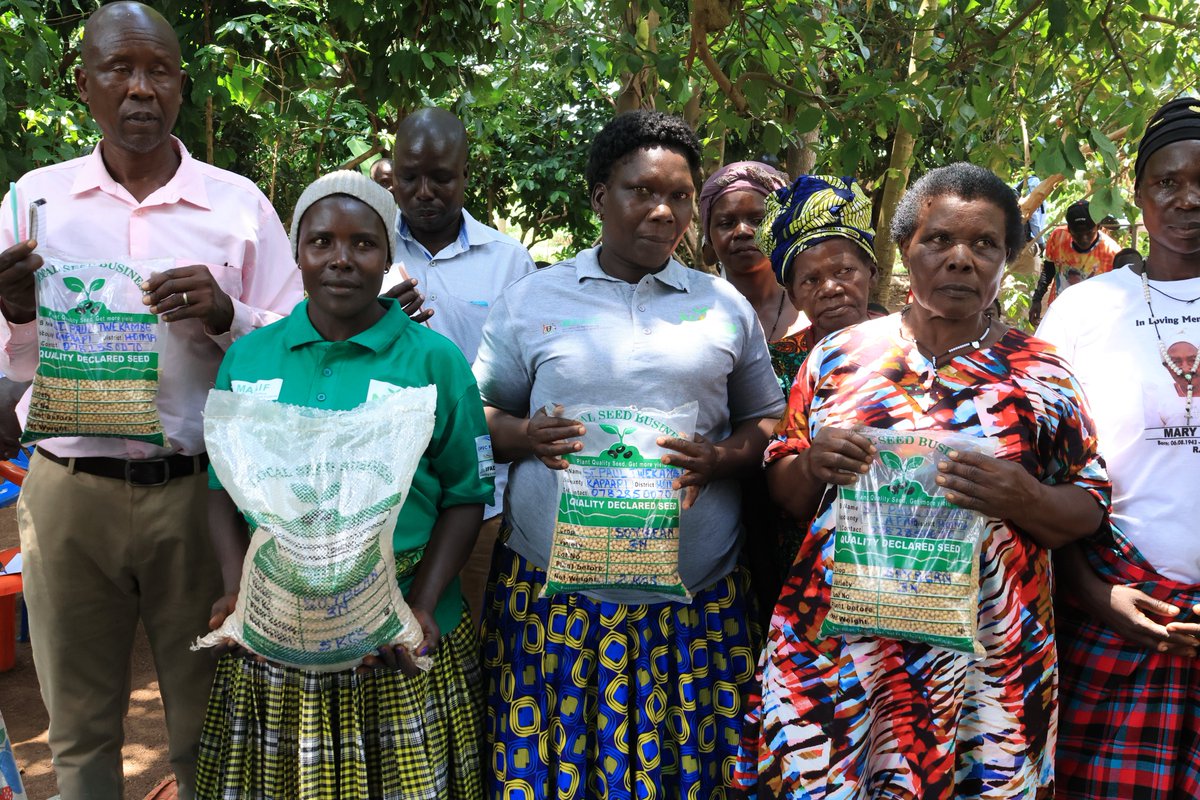
In Hoima, St. Paul Twekembe Farmer Group, soybean seed production expanded from 2 acres in 2023 season (B) to 14 acres by 2026 season (B), reflecting improved technical capacity and confidence in commercial production.
Impact beyond farmer groups to individuals;
Atiku John. Harvested 1,000 kg of soybean from 1.3 acres last season, earning UGX 2.5M. His oilseed income has supported his daughter’s University education. She has since graduated with a degree in Oil & Gas and is now training in France. He has also been able to improve household sanitation by constructing a modern pit latrine for both his guests at home and home use.
Akon Florence. She earned UGX 3M from soybean last season. She invested UGX 1.5M to complete her permanent house and reinvested the remaining UGX 1.5M to expand her farm to 7 acres under St. Paul Twekembe farmers group.
The Bigger Picture
Farmers are not just producing more, they are transforming their futures. Oilseed income is paying for education, better housing, sanitation, and expanded farms.
These stories demonstrate how NOSP is driving real socio‑economic change across households and communities.
The ongoing Mid Term Review will help MAAIF, IFAD and partners sharpen investments, strengthen implementation and ensure that the remaining project period delivers even greater impact.
@FrankTumwebazek@PS_MAAIF@DesireMuhooza@StateHouseUg@KagutaMuseveni@Parliament_Ug
Uganda Steps Up the Fight Against Crop Pests & Diseases
Stakeholders from Research, Academia, OPM, MWE, District Local Governments and MAAIF are meeting in Kawanda to review the draft National Strategy for Rapid Response to Crop Pests & Disease Outbreaks.
The engagement is shaping a stronger national framework for preparedness, coordination and rapid response to emerging crop threats.
Aligned with the Uganda Climate-Smart, Agricultural Transformation Project (UCSATP) development objective, the strategy supports efforts to:
• Increase agricultural productivity
• Enhance market access
• Strengthen resilience of key value chains
• Enable prompt response to crises and emergencies
Through collaborative action, Uganda is building a more coordinated, responsive and resilient agricultural sector capable of tackling pest and disease outbreaks nationwide.
Minister Tumwebaze Clarifies Farmer Payments for FMD Vaccination
Fellow Ugandans, concerns have been raised about why farmers are required to pay when vaccinating their animals against Foot‑and‑Mouth Disease (FMD).
I wish to clarify the matter as follows;
Farmers do not pay for FMD vaccination services or the broader costs of running the national FMD control programme. They contribute only the approved cost of the vaccine dose administered to their animals.
Under the FMD Cost‑Recovery Scheme, farmers contribute UGX 8,000 per cow or pig and UGX 4,000 per goat or sheep per cycle. These funds go into a revolving account to replenish vaccine stocks and ensure availability for the mandatory six‑month vaccination schedule.
Government continues to finance the broader FMD control programme, including vaccine procurement, cold‑chain infrastructure, storage, transport, distribution, surveillance, laboratory diagnosis, farmer registration, digital certification, monitoring and public sensitisation.
With 44.5 million susceptible animals nationwide, sustained vaccination is essential to build herd immunity, reduce outbreaks, prevent market disruptions and safeguard livelihoods.
All vaccinated animals will receive a digital FMD Vaccination Certificate, required for livestock movement and market access for meat and milk.
This certificate does not replace the statutory veterinary movement permit or disease‑control restrictions in outbreak https://t.co/ocS5FB6Skp must pay only through authorised banking and digital channels designated by MAAIF.
Veterinary officers are prohibited from collecting cash, and any officer demanding cash faces disciplinary or legal action.Government is also advancing local vaccine production through partnerships with Egypt and HUVET Bio‑Science Park in Mpigi.
Once operational and compliant with quality and biosafety standards, local manufacturing will strengthen vaccine security, reduce import dependence, shorten supply timelines and progressively lower costs for farmers.
The cost‑recovery scheme is a shared‑responsibility model: farmers meet the vaccine cost, while Government covers the infrastructure, personnel and services needed to deliver vaccination and protect Uganda’s livestock sector and markets.
FOR GOD AND MY COUNTRY
“No cow, goat, pig or sheep will be sold without proof of vaccination,”
Minister Frank Tumwebaze has reaffirmed as Government intensifies the fight against Foot‑and‑Mouth Disease (FMD).
Under the ongoing cost‑recovery arrangement, farmers contribute UGX 8,000 per cow/pig and UGX 4,000 per goat/sheep to ensure steady vaccine availability across the country.
The Minister revealed that Government is working with Egypt to establish a local FMD vaccine manufacturing plant, a move expected to significantly reduce vaccination costs and boost farmers’ savings once production begins.
He emphasized strict adherence to the policy requiring online payments, noting that reports of veterinary officers demanding cash will be addressed by the relevant authorities.
With predictable access to vaccines and stronger enforcement of vaccination requirements, Uganda is positioning itself for healthier livestock, safer markets, and increased production.
Strengthening Aquaculture: Minister Migadde Visits Masheda Farm in Mpigi
The State Minister for Fisheries, Hon. Robert Migadde Ndugwa, together with technical officials from the Department of Fisheries, has toured Masheda Aquaculture Farm in Buyala Village, Muduuma Sub‑county, Mpigi District, a fast‑growing model of commercial fish farming.
He applauded the farm’s management for investing in modern aquaculture, creating jobs for Ugandans, especially the youth, and contributing to the country’s fish production capacity.
Migadde reaffirmed that government will continue supporting Masheda to enhance quality, expand production, and strengthen Uganda’s aquaculture value chain.
The Minister also encouraged both local and foreign investors to embrace fish farming as a sustainable alternative that gives natural lakes “breathing space.”
He raised concerns about poor‑quality fingerlings and feeds, urging stakeholders to prioritize standards to safeguard the sector.
Meanwhile, the Commissioner for fisheries resources management and development, Daisy Aciro commended Masheda for its impressive work and pledged further government support.
“I’m pleased with what I’ve seen here, and we will support massive production,” she said, encouraging the farm to open additional branches across the country to scale up impact.
From Namayingo to Prosperity: Oil Palm Farming is Changing Lives!
Meet Nankwanga Fatumah, an inspiring oil palm farmer from Namayingo District and a proud beneficiary of the National Oil Palm Project (NOPP).
A few years ago, Fatuma received oil palm seedlings through the project, today, she has successfully established 10 acres and is confident her future is brighter than ever.
The Ministry of Agriculture, Animal Industry and Fisheries (MAAIF) continues to empower farmers through transformative initiatives like NOPP, a Government of Uganda and IFAD‑supported programme designed to reduce rural poverty and boost domestic vegetable oil production.
Why Oil Palm Matters.
Commercial transformation, shifting farmers from subsistence to profitable agribusiness.
Higher household incomes. Farmers earn more through structured markets.
Strong partnerships. NOPP uses a Public‑Private‑Producer (4P) model linking farmers, government and private investors like OPUL.
Kalangala Success Story
Oil palm farmers under cooperative trusts in Kalangala continue to earn over UGX 60 billion annually in dividends, a powerful example of what structured partnerships can achieve.
4P Model. coordinates farmers, government and private sector
Dividend payouts. Up to UGX 5.5 million per share announced by the Kalangala Oil Palm Growers Trust.
Farmer support systems. Cooperatives offer training, savings schemes and access to credit.
Fatuma’s Journey is Proof:
With the right support, smallholder farmers can build sustainable enterprises, uplift their families, and contribute to Uganda’s growing vegetable oil industry.
@FrankTumwebazek@PS_MAAIF@StateHouseUg@KagutaMuseveni@DrRwamiramaBK@DesireMuhooza
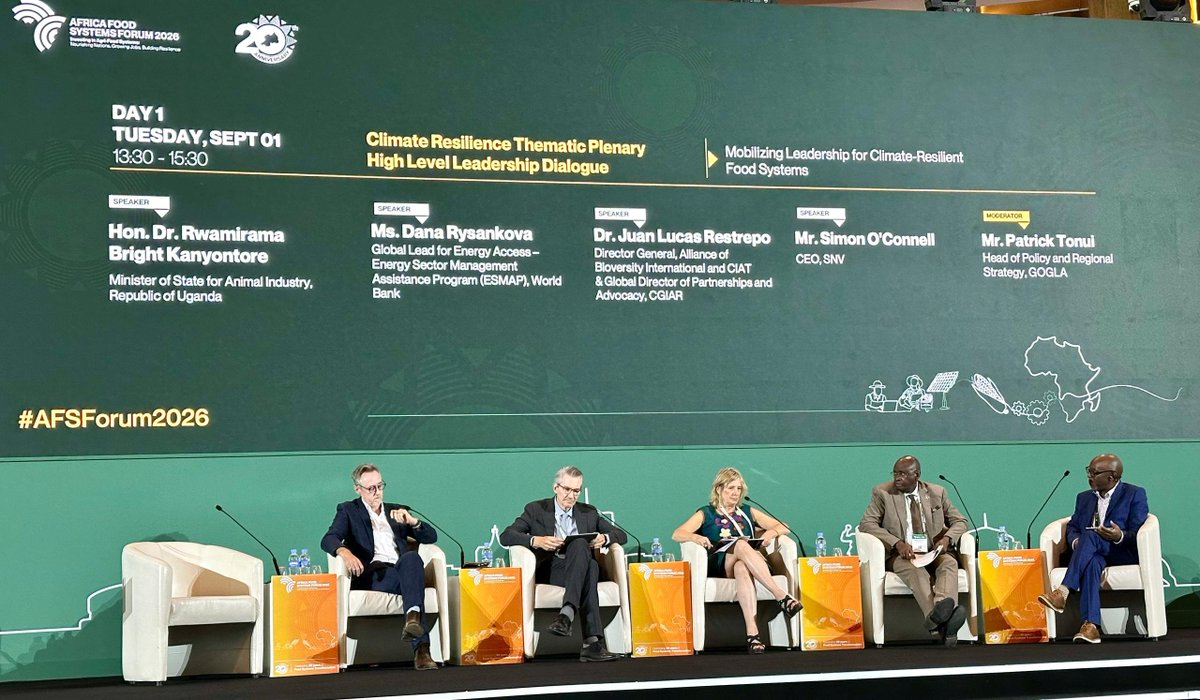
Africa Must Act Now: Uganda Champions Climate‑Resilient Food Systems at Kigali Forum
This afternoon, Hon. Bright Rwamirama together with Hon. Desire Muhooza joined the Climate Resilience Thematic Plenary at the Africa Food Systems Forum 2026 in Kigali, Rwanda, delivering a strong message: "for Africa, climate change is not just an environmental crisis, it is a direct threat to food security, jobs, and livelihoods".
He emphasized that climate action on the continent must prioritize higher agricultural productivity, stronger agrifood systems, job creation, and improved community livelihoods.
Uganda reaffirmed its commitment to building climate‑resilient food systems through investments in:
-Irrigation expansion.
-Renewable energy adoption.
-Climate‑smart agriculture.
-Digital climate information services.
-Agro‑processing and value addition.
He called for more grant‑based and concessional climate finance, deeper regional cooperation, and community‑driven solutions to ensure climate resilience translates into higher farmer incomes, better nutrition, and sustainable rural development across Africa.
Minister Migadde cracks down on corruption at Uganda’s fish landing sites
The Minister of State for Fisheries, Hon. Robert Migadde Ndugwa, together with the MAAIF fisheries team, has today met the Wakiso District Security leadership and fisheries officials at the Ministry headquarters in Entebbe to fast‑track investigations into rising corruption complaints from local communities around landing sites.
Hon. Migadde urged the Fisheries Protection Unit (FPU) and local leaders to strengthen coordination with government agencies in all activities on water bodies, emphasizing transparency and accountability at landing sites.
According to members cited in a recent ISO intelligence report, corruption at landing sites is being fueled by political interference, weak military governance, and poor fishing practices, especially in distant water areas.
The RDC Wakiso called for stronger collaboration between central government, district authorities, and security committees to effectively combat corruption and safeguard Uganda’s fisheries sector.
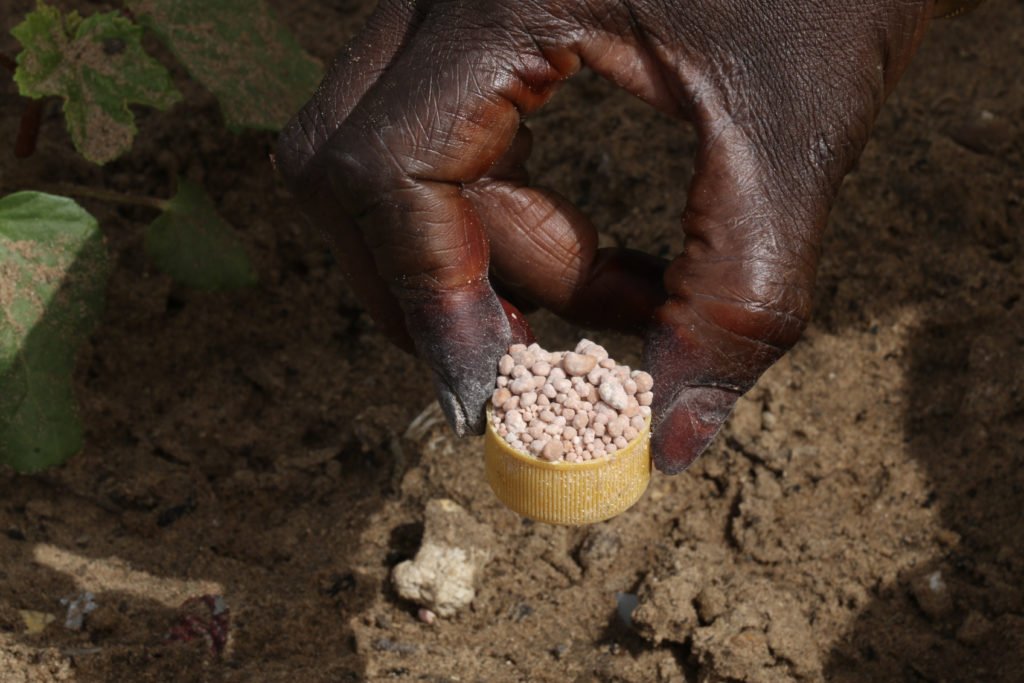
Boost your harvest with the 4Rs of smart fertilizer use
As Government rolls out nationwide fertilizer distribution ahead of the rains, here’s how you can get the best results from every handful you apply, using the 4Rs of nutrient management.
Right Source. Choose the correct fertilizer (NPK, Itracom, urea, organic manure) based on your crop needs and soil test results.
Right Rate. Apply the exact amount recommended to avoid under‑feeding or burning your crops.
Right Time. Align fertilizer application with crop growth stages for maximum uptake.
Right Place. Place fertilizer close to the root zone (2–3 inches away) to reduce waste and prevent runoff.
Master the 4Rs, and turn every drop of rain into better yields and healthier soils.
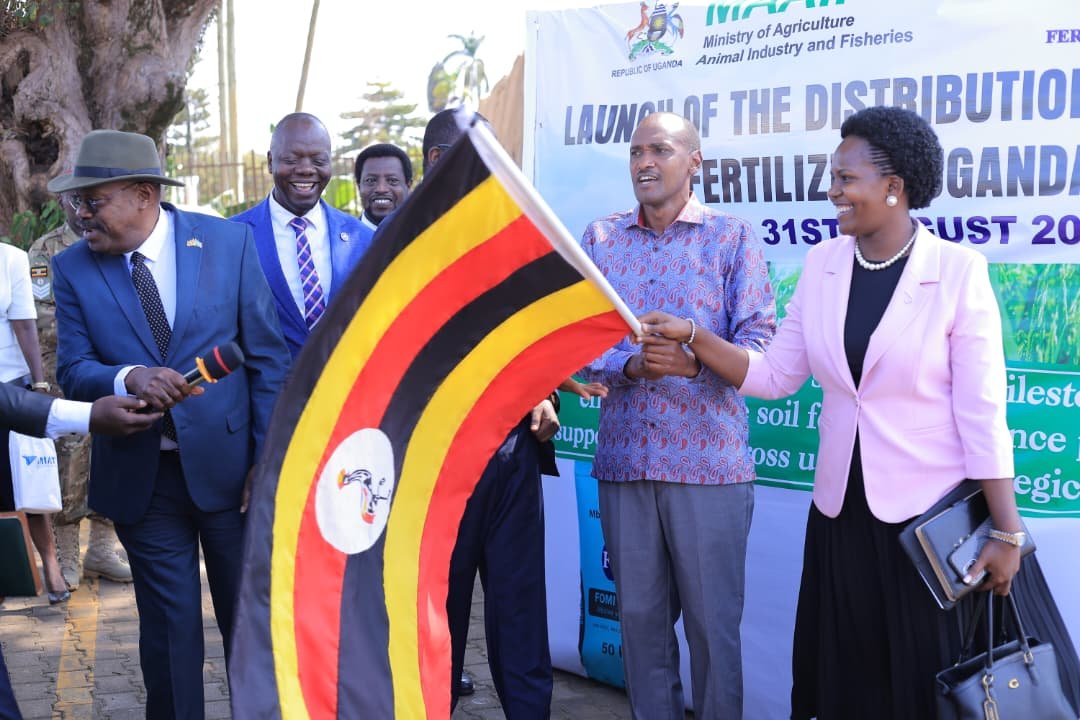
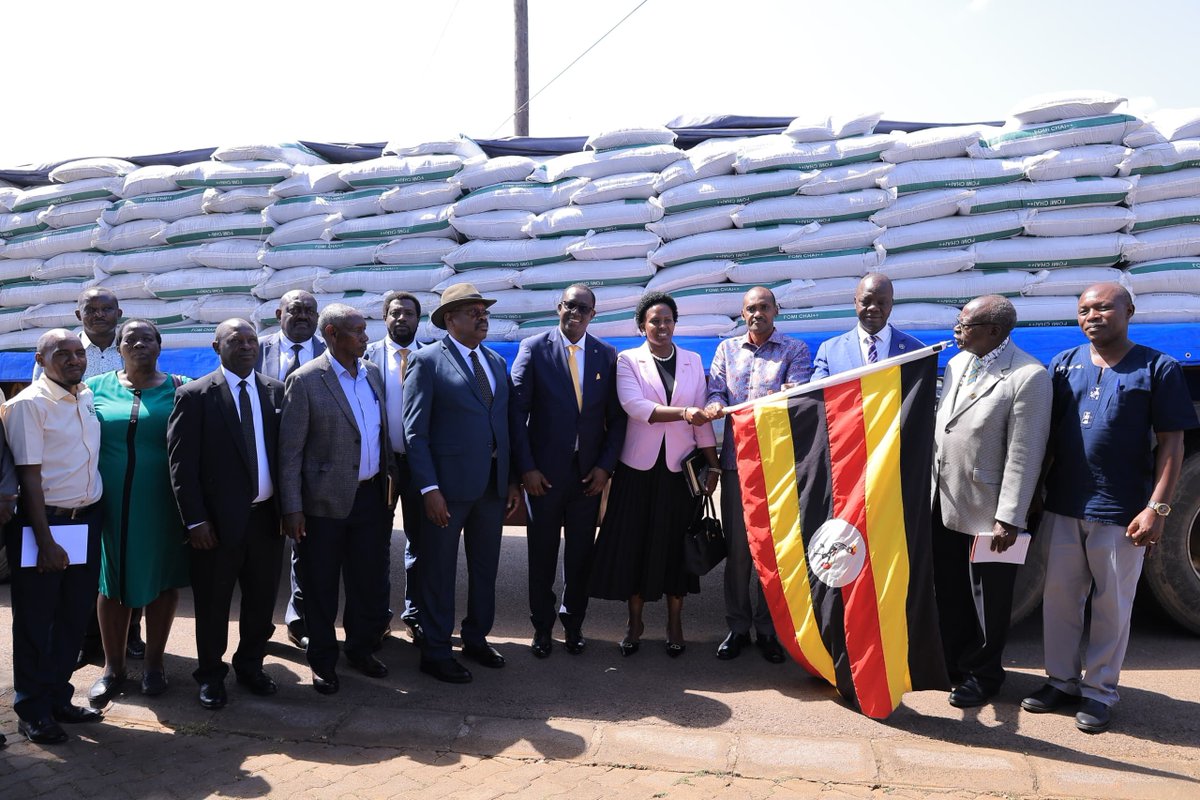
Government Rolls Out Free Fertilizers to Boost Farmers Under PDM
The Ministry of Agriculture, Animal Industry and Fisheries has launched nationwide fertilizer distribution to help farmers take advantage of the ongoing rains and boost production under the Parish Development Model.
Hon. Frank Tumwebaze said Cabinet directed an immediate rollout, targeting key crops including coffee, tea, cocoa and other strategic commodities.
The first phase is free of charge, with a small farmer contribution expected in the next phase for sustainability.
He urged extension workers to prioritise smallholder farmers, especially in coffee and tea, and noted that the President has directed Itracom to establish a fertilizer plant in Uganda for timely access.
PS Maj. Gen. David Kasura‑Kyomukama highlighted agriculture’s strong performance, contributing 26% of GDP in 2024/25, with coffee alone earning $2.21 billion.
He said this intervention aims to increase production, strengthen strategic value chains and support households under the PDM.
Cocoa, maize, fruits, vegetables and tea also posted significant export gains.