Un cabeza de vrg que siempre me pide que lo apoye con su producto me tenia hasta la vrg.
Cuando me saluda, le devuelvo el saludo, apretando y jalandolo hacia a mi, para luego separarlo empujandolo, super ligero el mrd
(Y si se escucha gei) Jajja
Luego le digo que yo...
Soy el que necesita apoyo ahora...
Casi me da todo lo que traía el mrd
(En mi defensa estaba molesto, traigo pendiente y no tengo para darle a gente que lo pide como el man)
No cogí nada, solo dije para mi mismo, porque jodes tanto si si tienes...
Fue muy incómodo...
No se que carajos espera la @PoliciaEcuador y la @CTEcuador para reprimir y desalojar los manifestantes que cerraron esa via. Ptm algunos queremos llegar a nuestras casas
Todo el mundo está hablando de péptidos...
Yo en el baño del gimnasio, esperando que mis audífonos terminen de cargarse.
Son detalles... los detalles los trabajas en tu peak por lo general...
¿Ya están en su peak?
David sits in his car. The engine is off, but he hasn't moved for ten minutes.
He is parked in the driveway of the house he pays for, staring at the front door. Inside, the lights are warm. He can see the silhouette of his wife, Sarah, moving in the kitchen. He can see his daughter watching TV. It looks like a perfect life.
But David isn't soaking it in. He is hyperventilating.
He grips the steering wheel until his knuckles turn white. He is taking these ten minutes to put the "mask" back on.
At work today, he lost a major client. The company is downsizing. He might not have a job in three months. The panic is a physical weight on his chest, crushing his lungs. He wants to walk inside, fall into Sarah’s arms, and say, "I’m scared. I don’t know if I can keep holding this up. I need you to tell me it’s going to be okay."
But he doesn't.
He remembers three years ago. His mother died. He broke down in front of Sarah. He cried. Really cried. He saw the look in her eyes shift. From comfort to fear.
The "Rock" had crumbled, and she didn't know how to look at him anymore. The attraction faded for months.
He learned his lesson: He is allowed to be sad, but he is not allowed to be helpless.
So, in the darkness of the driveway, David swallows the panic. He fixes his tie. He checks his reflection in the rearview mirror and practices the smile. The "I'm fine" smile.
He opens the car door and walks inside.
"Hey, honey! You're late," Sarah says, not looking up from her phone. "Did you remember to transfer the tuition fees? The school sent a reminder."
She didn't bother to ask how he is.
"Yeah, I did it," David says, kissing her cheek. She accepts the kiss, but she doesn't lean into it. That moment, he felt like he is just part of the furniture. A utility provider that keeps the lights on.
Later that night, in bed, David reaches out. He runs his hand down her arm, starving for a touch that isn't transactional. He just wants to feel desired. He wants to know he matters.
Sarah sighs. A heavy, annoyed sigh. "David, I'm exhausted. The kids were a nightmare today. Can we just sleep?"
He pulls his hand back immediately, humiliated. The "Beggar Dynamic" kicks in. He feels gross for even asking. He turns his back to her, staring at the wall.
Lying there, in the house he built, next to the woman he loves, David realizes the terrifying truth:
If he died tomorrow, they would miss him.
But if he went broke tomorrow, hmm...
He realizes he isn't loved unconditionally like his daughter or the dog. He is on a performance contract. As long as the payments clear, he is allowed to stay.
He closes his eyes. The panic returns. But he stays silent.
Because the only safe space he has left is inside his own head.
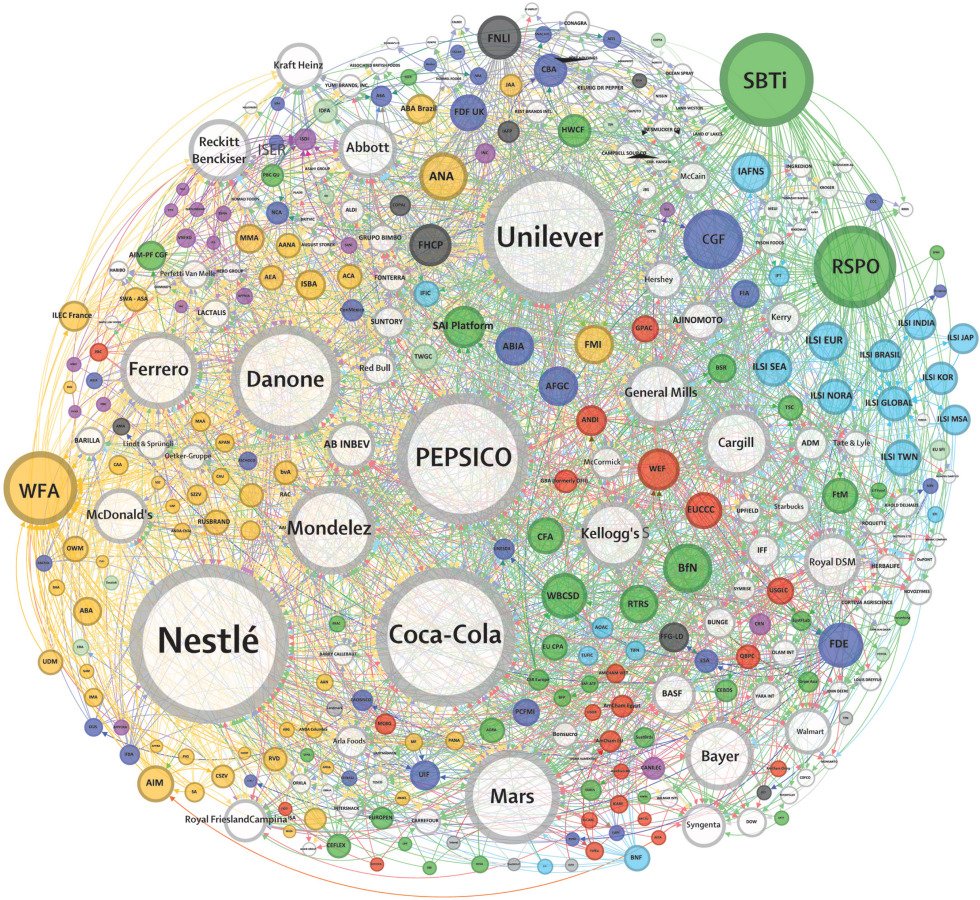
Los ultraprocesados ya superan al tabaco en términos de daños a la salud. Son también una de las principales causas de contaminación plástica, pérdida de biodiversidad, deforestación y emisiones.
Detrás hay un puñado de poderosas corporaciones globales.
Fuente: @TheLancet
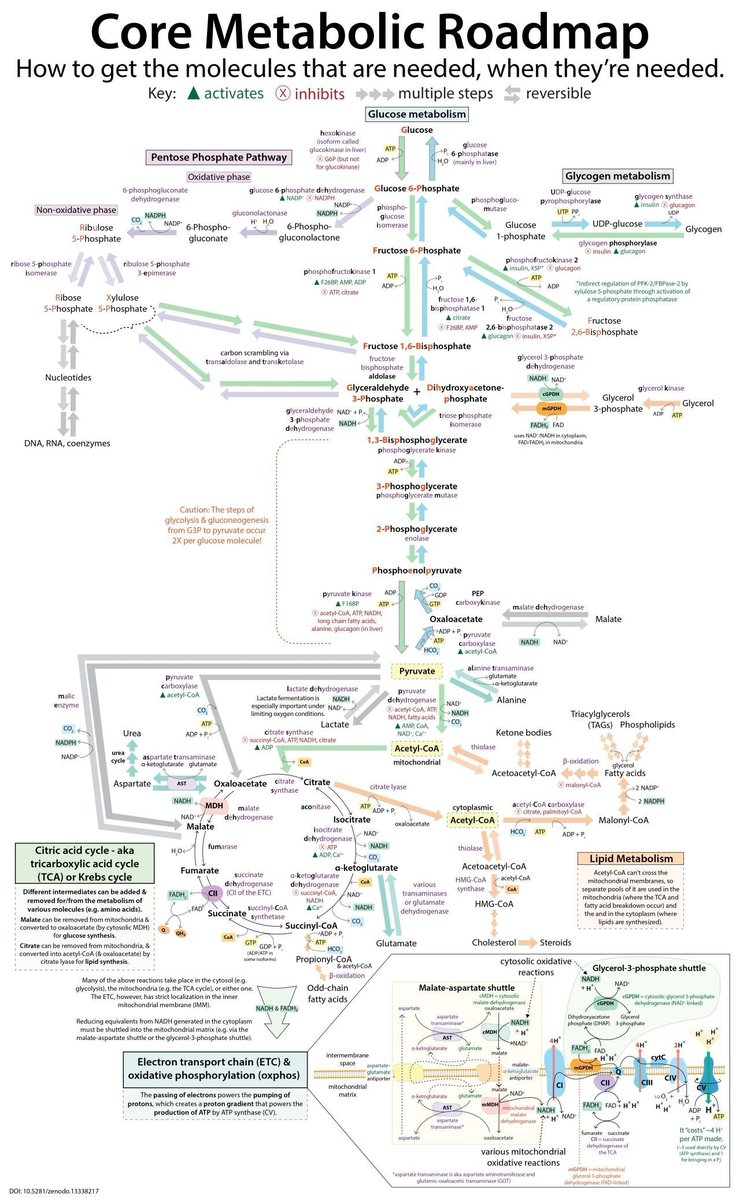
Master metabolism with 9 steps/arrows
Here’s my shortcut to remembering it in just 9️⃣ arrows:
1️⃣ Glu → Fru → Pyr
(Glucose → Fructose → Pyruvate)
This is glycolysis — the breakdown of glucose into pyruvate for quick energy.
💡 Example: Eat bread, glucose enters your cells, and is converted to pyruvate to start producing ATP.
2️⃣ Pyr → ACoA → TCA
(Pyruvate → Acetyl-CoA → TCA Cycle)
When oxygen’s available, pyruvate becomes Acetyl-CoA and runs through the TCA (Krebs) cycle for sustained energy.
💡 Example: A post-lunch walk taps into this aerobic pathway.
3️⃣ TCA → NADH → ETC → ATP
(TCA products → NADH → Electron Transport Chain → ATP)
The TCA cycle generates NADH, which powers the electron transport chain to make ATP — your cellular energy currency.
💡 Example: Your brain uses that ATP to keep you sharp while studying.
4️⃣ G6P ↔ PPP → NADPH + Ribose
(Glucose-6-Phosphate → Pentose Phosphate Pathway → NADPH + Ribose)
This detour from glucose creates NADPH (for antioxidant defense) and ribose (for DNA/RNA synthesis).
💡 Example: Immune cells use NADPH to neutralize pathogens.
5️⃣ Pyr → Lac
(Pyruvate → Lactate)
In low-oxygen conditions, pyruvate shifts to lactate.
6️⃣ Pyr → OAA → Gluconeogenesis
(Pyruvate → Oxaloacetate → Glucose)
During fasting, pyruvate is turned into oxaloacetate, then glucose, to maintain blood sugar.
💡 Example: After 10+ hours without food, your liver makes glucose for your brain.
7️⃣ ACoA → FAs → TAGs
(Acetyl-CoA → Fatty Acids → Triglycerides)
Excess energy is stored as fat.
💡 Example: Too many sweets? Your body parks the surplus as belly fat.
8️⃣ FAs → β-ox → ACoA → TCA
(Fatty Acids → Beta-Oxidation → Acetyl-CoA → TCA)
When carbs run low, fat becomes your fuel.
💡 Example: After 14 hours of intermittent fasting, fat breakdown kicks in.
9️⃣ AAs → Pyr / ACoA / TCA
(Amino Acids → Pyruvate or Acetyl-CoA or TCA)
Amino acids can feed into different energy pathways, depending on type.
💡 Example: In prolonged starvation, muscle protein is converted into energy intermediates.
What you’re seeing
This figure shows how modern diets alter the gut environment, shifting microbial balance, weakening intestinal defenses, and driving low-grade inflammation linked to chronic disease.
🟡 High-fat, low-fiber diets change bile acid metabolism and reduce short-chain fatty acid production, weakening the gut barrier
🟡 Food additives like emulsifiers and artificial sweeteners thin the mucus layer and disrupt microbial diversity
🟡 Ultra-processed foods and irregular eating patterns damage the intestinal lining and desynchronize the gut’s internal clock
Together, these changes create a gut environment that favors inflammation over balance, reshaping metabolism and immunity from the inside out.
💡 The bigger picture
This model reveals how modern nutrition and lifestyle factors converge at the gut barrier—the body’s frontline of defense. Maintaining microbial diversity and consistent eating habits may be key to preventing the slow, systemic inflammation that underlies many chronic diseases.
DOI: 10.1016/j.cmet.2025.09.013
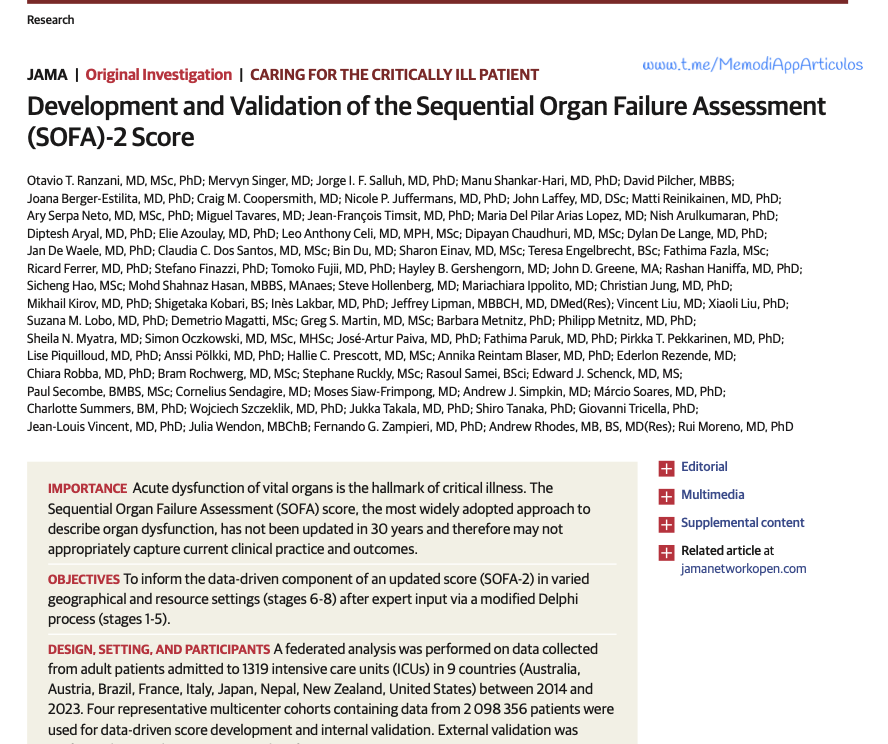
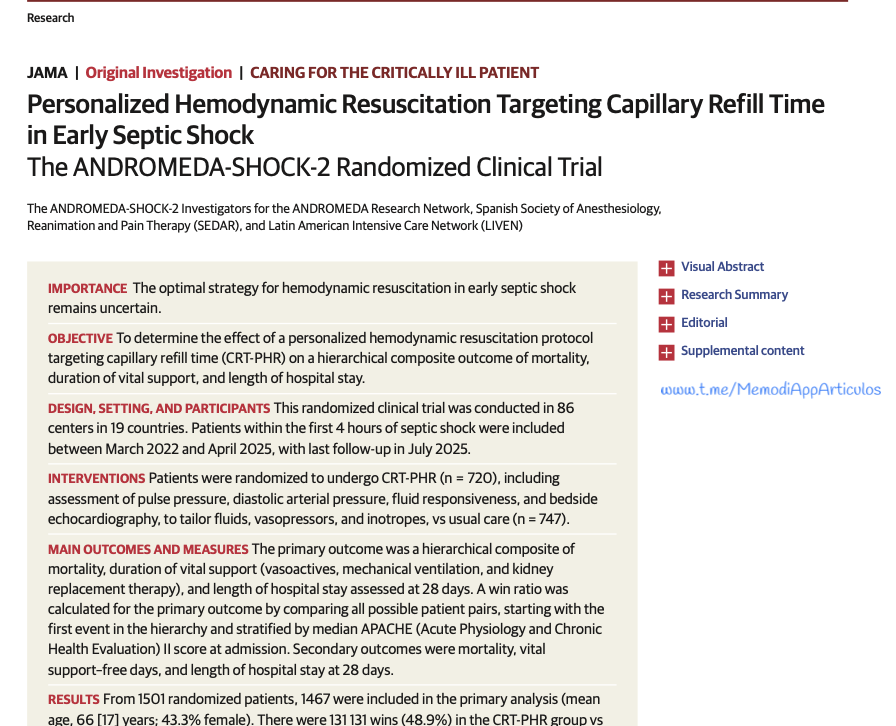
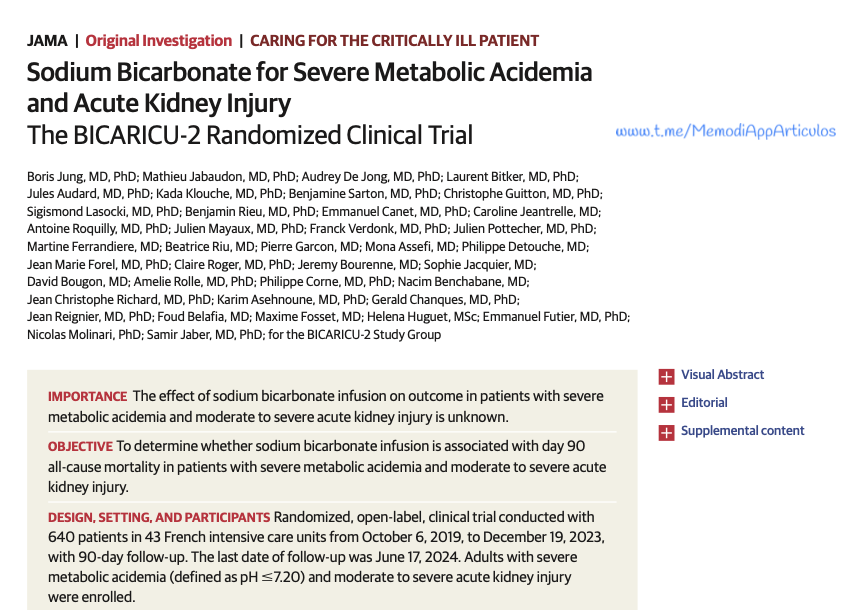
Acaban de salir las "segundas partes" de artículos que cambiaron muchos paradigmas:
ANDROMEDA-SHOCK (llenado capilar en reanimación),
BICARICU (bicarbonato para evitar diálisis) y SOFA (escala de falla orgánica). Descárgalos: https://t.co/gRWuSdfXyx en lo que los revisamos para actualizar las apps.
🚨 Navidad Anticipada❗
🩸 ANDROMEDA-SHOCK 2: Reanimación personalizada guiada por ⏱️ de relleno capilar → ⬇️ duración de soporte vital
🧮 SOFA-2: Actualiza la escala de disfunción orgánica
💊 BICARICU-2: HCO3 no reduce mortalidad, pero ↓ uso de terapia renal.
Where vitamins and minerals are stored in the body
Vitamins and minerals use different storage strategies. Some are stockpiled in organs and tissues, while others are used immediately and must be replenished often. Storage pattern explains why some deficiencies appear quickly and why a few nutrients can accumulate to toxic levels if overconsumed.
1️⃣ Water-soluble vitamins (B-complex, vitamin C)
Mostly circulate in blood and are not stored in large amounts. Excess is lost in urine, so steady intake matters. Vitamin B12 is the notable exception and is stored in the liver for years.
🟢 Example: a few weeks with little vitamin C can cause fatigue and gum irritation, while low B12 may not show up for months because liver stores buffer intake.
🟢 Example: intense sweating or diuretics can raise B-vitamin needs since these dissolve and leave with fluids.
2️⃣ Fat-soluble vitamins (A, D, E, K)
Absorbed with dietary fat and stored in liver, adipose tissue, and to a lesser extent skin. Deficiency develops slowly, and excess intake can accumulate.
🟢 Example: vitamin D stored in liver and fat can help maintain status through winter when sunlight is low.
🟢 Example: chronic high vitamin A intake from supplements can build up in the liver and cause headaches or skin peeling.
3️⃣ Major minerals (calcium, magnesium, phosphorus, potassium, sodium, chloride, sulfur)
Stored mainly in bone, muscle, and extracellular fluids. They maintain structure and electrical balance.
🟢 Example: about 99 percent of calcium is stored in bone; low dietary calcium draws from bone reserves over time, weakening bone density.
🟢 Example: magnesium is stored in bone and muscle; heavy sweating or stress can deplete it and trigger muscle cramps or irregular heartbeat.
🟢 Example: sodium and chloride are held in extracellular fluids; high salt intake increases extracellular volume and can raise blood pressure in salt-sensitive people.
4️⃣ Trace minerals (iron, zinc, copper, selenium, iodine, manganese, chromium, molybdenum, fluoride)
Required in small amounts with specific storage sites.
🟢 Example: iron is stored as ferritin in liver, spleen, and bone marrow; low ferritin reduces red blood cell production and causes fatigue.
🟢 Example: iodine concentrates in the thyroid gland to make thyroid hormones; low iodine intake slows metabolism and can enlarge the thyroid.
🟢 Example: zinc is distributed in skin, pancreas, and brain; low zinc impairs wound healing and blunts taste and smell.
5️⃣ Choline and other water-soluble nutrients
Choline is stored in the liver and incorporated into phospholipids and acetylcholine.
🟢 Example: inadequate choline raises risk for fatty liver and can affect memory because the body cannot synthesize enough to cover needs in many people.
Water-soluble vitamins are used quickly and need regular intake. Fat-soluble vitamins and many minerals can be stored for longer periods, which delays deficiency but increases the risk of buildup with excessive supplementation. The liver, bone, muscle, fat, and thyroid serve as the body’s nutrient vaults, releasing or storing what the brain and tissues need in real time.
Master metabolism with 9 steps/arrows
Here’s my shortcut to remembering it in just 9️⃣ arrows:
1️⃣ Glu → Fru → Pyr
(Glucose → Fructose → Pyruvate)
This is glycolysis — the breakdown of glucose into pyruvate for quick energy.
💡 Example: Eat bread, glucose enters your cells, and is converted to pyruvate to start producing ATP.
2️⃣ Pyr → ACoA → TCA
(Pyruvate → Acetyl-CoA → TCA Cycle)
When oxygen’s available, pyruvate becomes Acetyl-CoA and runs through the TCA (Krebs) cycle for sustained energy.
💡 Example: A post-lunch walk taps into this aerobic pathway.
3️⃣ TCA → NADH → ETC → ATP
(TCA products → NADH → Electron Transport Chain → ATP)
The TCA cycle generates NADH, which powers the electron transport chain to make ATP — your cellular energy currency.
💡 Example: Your brain uses that ATP to keep you sharp while studying.
4️⃣ G6P ↔ PPP → NADPH + Ribose
(Glucose-6-Phosphate → Pentose Phosphate Pathway �� NADPH + Ribose)
This detour from glucose creates NADPH (for antioxidant defense) and ribose (for DNA/RNA synthesis).
💡 Example: Immune cells use NADPH to neutralize pathogens.
5️⃣ Pyr → Lac
(Pyruvate → Lactate)
In low-oxygen conditions, pyruvate shifts to lactate.
6️⃣ Pyr → OAA → Gluconeogenesis
(Pyruvate → Oxaloacetate → Glucose)
During fasting, pyruvate is turned into oxaloacetate, then glucose, to maintain blood sugar.
💡 Example: After 10+ hours without food, your liver makes glucose for your brain.
7️⃣ ACoA → FAs → TAGs
(Acetyl-CoA → Fatty Acids → Triglycerides)
Excess energy is stored as fat.
💡 Example: Too many sweets? Your body parks the surplus as belly fat.
8️⃣ FAs → β-ox → ACoA → TCA
(Fatty Acids → Beta-Oxidation → Acetyl-CoA → TCA)
When carbs run low, fat becomes your fuel.
💡 Example: After 14 hours of intermittent fasting, fat breakdown kicks in.
9️⃣ AAs → Pyr / ACoA / TCA
(Amino Acids → Pyruvate or Acetyl-CoA or TCA)
Amino acids can feed into different energy pathways, depending on type.
💡 Example: In prolonged starvation, muscle protein is converted into energy intermediates.
A guide to nutrients that support mitochondria
Mitochondria turn food into usable energy (ATP) and are critical for brain, muscle, and overall health. Stress, aging, and disease can damage them, but certain nutrients help keep them strong and functional.
1️⃣ Antioxidants & Protectors
Quercetin (from apples, onions): Restores mitochondrial energy production and stabilizes membranes.
Green tea (EGCG): Shields mitochondria in brain, liver, muscle, and heart from oxidative stress.
Resveratrol (from grapes, red wine): Promotes recycling of old mitochondria (mitophagy) and boosts antioxidant defenses.
Lipoic acid: Cofactor for mitochondrial enzymes; enhances oxygen use and reduces oxidative stress.
🟢 Example: These nutrients act like “shields,” reducing damage from free radicals.
2️⃣ Energy Carriers & Cofactors
Coenzyme Q10 (CoQ10): Electron carrier in the respiratory chain; without it, mitochondria can’t make ATP efficiently.
NAD+ precursors (NR, NMN, NAM): Increase NAD+ levels, stimulating mitochondrial energy production and delaying decline with age.
Creatine: Buffers cellular energy; supports mitochondrial function and helps protect against damage in high-demand tissues like muscle and brain.
🟢 Example: These compounds are like “wiring and batteries” that keep the power grid running.
3️⃣ Membrane & Structural Support
Omega-3 fatty acids (EPA/DHA): Build mitochondrial membranes, reduce stress, and promote healthy turnover of dysfunctional mitochondria.
Acetyl-L-carnitine: Helps shuttle fatty acids into mitochondria for burning; improves oxygen use and membrane stability.
🟢 Example: Think of these as “building materials” that strengthen mitochondrial walls and fuel delivery.
4️⃣ Mitochondrial Biogenesis (New Mitochondria)
Pyrroloquinoline quinone (PQQ): Stimulates creation of new mitochondria (biogenesis). Deficiency reduces mitochondrial numbers.
N-acetyl cysteine (NAC): Boosts glutathione, improves mitochondrial antioxidant status, and enhances respiration.
🟢 Example: These nutrients are like “construction signals,” telling the body to build more mitochondria and keep them working.
Your mitochondria thrive on the right mix of protection (antioxidants), fuel carriers (CoQ10, NAD+, creatine), building blocks (omega-3s, carnitine), and growth triggers (PQQ, NAC). Together, these nutrients help sustain energy, slow aging, and protect high-demand tissues like brain, heart, and muscle.
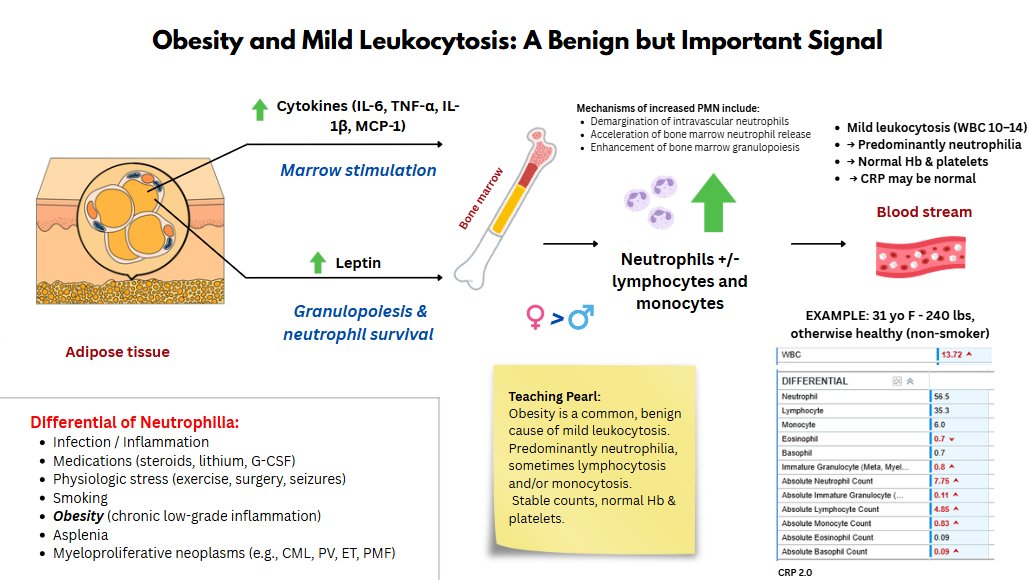
Obesity can cause persistent mild leukocytosis
🔹 WBC 10–14 ×10⁹/L
🔹 Often neutrophilia (± lymphs/monos)
🔹 Hb & platelets normal
🔹 CRP may be normal
Mechanism: low-grade inflammation
Usually benign, but marker of cardiometabolic risk.
Reviewed in PMID: 33270290
Lipids simplified!
🧱 Cholesterol – is the material needed for building cell walls, making hormones etc
🛻 Lipoproteins - are basically Trucks transporting Cholesterol along with other things through blood. Depending on size they are of many types.
⛽ Triglycerides – are portable Fuel containers that trucks are carrying along.
🚛 HDL – They are the Recycling Trucks the patrol the roads collecting leftover cholesterol bricks from tissues & arteries, & bringing it back to the liver’s recycling center. HDL- C in your reports is the total leftover bricks in circulation currently.
🚚 LDL – They are the Delivery Trucks that deliver cholesterol bricks from the liver warehouse to construction sites (cells) around the body. LDL- C in your reports is the total unused bricks in circulation currently.
🚨 Lp(a) - Some of these LDL delivery trucks have an extra problem. They are wheel that are extra sticky.
🚛📦 VLDL – They are the Fat Cargo Trucks that mainly transports big boxes of triglycerides (fat) from the liver to storage sites.
🪪♦️ApoB (Apolipoprotein B) - All the main delivery trucks (LDL, Lpa, VLDL..) have a common license plate called ApoB. Counting them gives an idea of the no of trucks on road currently. More means too many cholesterol bricks & extra fuel (Tg) are being transported
🪪🔹ApoA1 (Apolipoprotein A1) - The recycling trucks have a different license plate called ApoA1. If more of these license plates are in action means more cleanup is done.
—————
What to Target?
▶️ Total Cholesterol:
This number is important, but the break up is more important (usually high means more LDL, VLDL… hence a problem)
- Total Cholesterol of around 200 with the right breakup is ideal 🟢
- Too Low & Too High is not ideal 🔴
▶️ HDL-C:
More cleaned up bricks is always better
- For men > 40 mg/dL 🟢
- For women > 50 mg/dL 🟢
▶️ Triglyceride:
Lot of portable Fuel being transported means excess energy/calories in the system.
- Ideal: < 100 mg/dL 🟢
- High Risk: > 150 mg/dL 🔴
▶️ VLDL:
More of portable fuel trucks is indirectly saying more portable fuel is produced.
Hence It is not directly measured, but estimated as 20% of triglycerides
- VLDL < 20 mg/dL 🟢
▶️ LDL-C
More unused bricks in circulation is a concern as more delivery trucks can cause a traffic jam (plaque)
- Ideal: < 130 mg/dL 🟢
- High Risk: > 160 mg/dL 🔴
▶️ Lp(a):
The more unused bricks in circulation especially inside those trucks with sticky tired is a big cause of concern. But it’s not under your control.
- Optimal: < 20 🟢
- SubOptimal: 20- 50🟡
- High risk: 50- 100🟠
- Very high risk > 100🔴
▶️ ApoB:
You want less of trucks with these license plate on the road. They are either carrying unused bricks or extra portable fuel, either way not good.
- Optimal: < 80 mg/dL (high risk patients)
: < 90 mg/dL (general population) 🟢
- High: > 120 mg/dL 🔴
▶️ ApoA1:
You want more of cleanup trucks with these license plate on the road.
- Optimal: < 0.6 🟢
- Acceptable: < 0.8 🟡
- High risk: > 0.9 (men), > 0.8 (women) 🔴
▶️ ApoB / ApoA1 Ratio:
This ratio reflects the balance between Delivery trucks & Clean up trucks. More clean up trucks is always better
- Optimal: < 0.6 🟢
- Acceptable: < 0.8 🟡
- High risk: > 0.9 (men), > 0.8 (women) 🔴
▶️ Triglycerides / HDL Ratio:
This ratio reflects the balance between large Cargo trucks specifically & Clean up trucks. Again more clean up trucks & less portable fuel on the road is always better
- Excellent: < 1 🟢
- Good: < 2 🟡
- At risk: > 2 🟠
- High risk: > 4 🔴