#Mars Topography on the MARS Pro.
There is a #topographic map on MARS Pro, showing you the highs and lows of the planet. This is how we know that Olympus Mons is the tallest volcano in the Solar System.
#space#nasa#astroreality
https://t.co/HUIQjmp8Lr
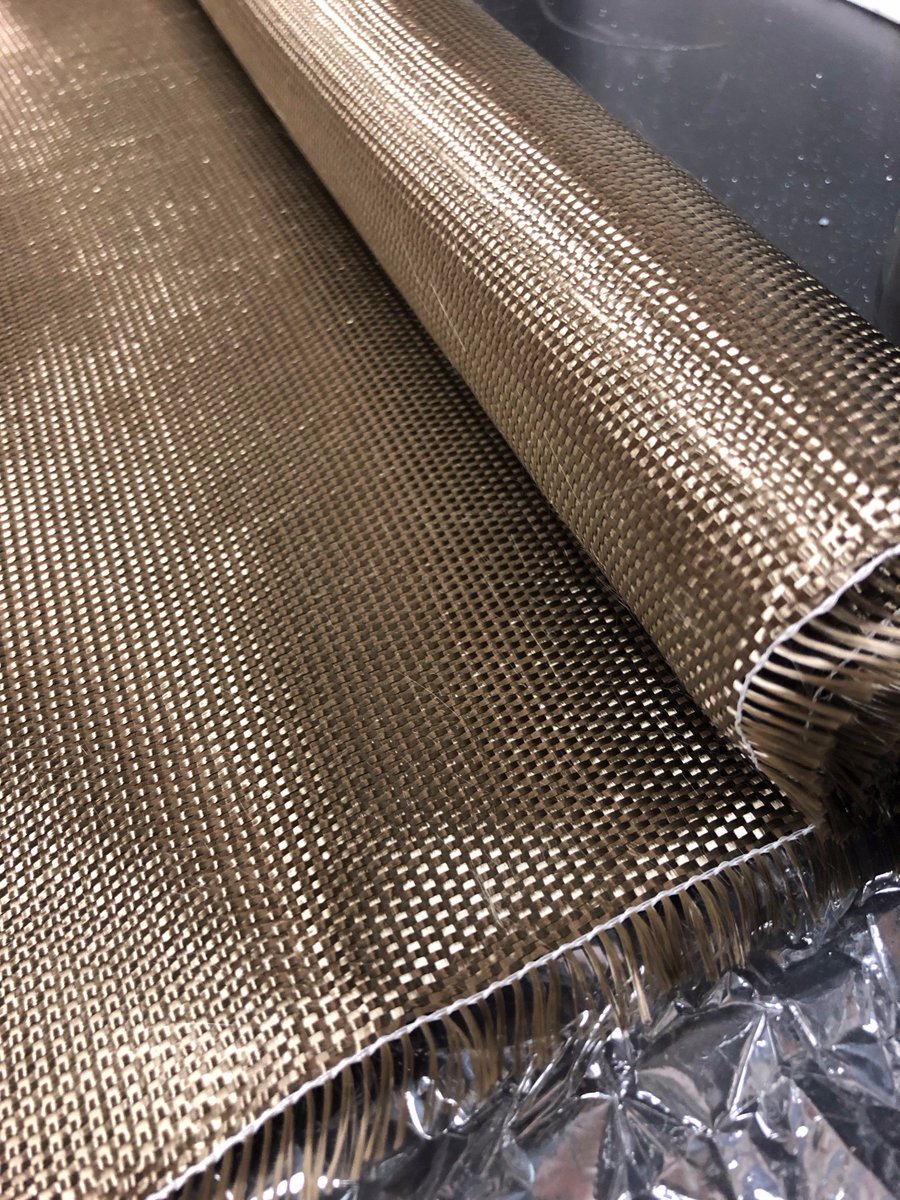
#Basalt is one of the most common materials in the Solar System. It covers #Mars and the near side of the #Moon. Closer to home, it covers the Pacific Northwest thanks to the explosive formation of #Yellowstone.
Building in #Space will help life on #Earth as well. Learning to transform the most common materials of the solar system into the product we need will be an important step toward #sustainability.
To build in space, we need to know what is there. This new geological map of the Moon provides a global guide to the resources across the planet!
You can get a high-resolution free map download from the USGS to explore the Moon yourself!
#Moon#geology#science#lunar
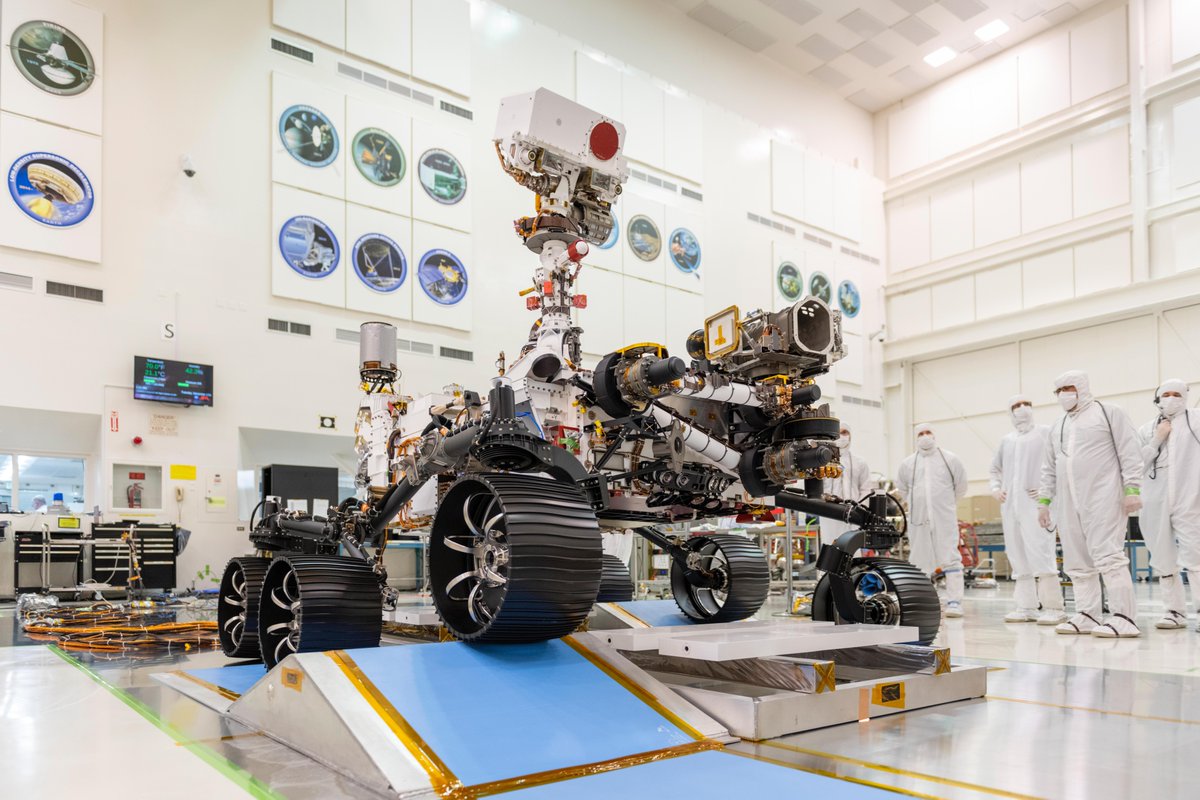
NASA asked for your help and America answered the call!
Today, we revealed 155 semifinalist names for the next rover, #Mars2020, from 28,000 student essays from every US state, evaluated by nearly 4,700 judges. The winner is expected in the spring. https://t.co/AiQJMVwbII
The tapestry of our colorful planet from 250 mi above is beautiful b/c of its diversity. Yet we don’t shame it for what it is. Oceans hug shores. Yet we never question its morality for doing so. Imagine our world if we were as accepting loving & tolerant w one another #PrideMonth
Meet “First Base”. A lunar lander's best friend.
•This base can accommodate four people for a long duration or six people for 120 days on the surface of the moon
•Habitat interior volume is 330 cubic meters, not including two airlocks
We're starting some experiments with basalt fabrics and geogrids to create mechanically stabilized regolith for building berms. In theory it could result in ~2x less regolith needed for the same berm height, and using basalt = 100% ISRU solution.