Noninvasive 40 Hz gamma sensory stimulation uses rhythmic pulses of light and sound to entrain the brain’s natural gamma oscillations, which are linked to memory, attention, and cognitive processing. This approach, often called GENUS (Gamma Entrainment Using Sensory stimuli), has shown promise in reducing the accumulation of amyloid-beta and tau proteins, the two primary pathological hallmarks of Alzheimer’s disease.
In multiple preclinical studies, daily one-hour exposure to 40 Hz light and sound reduced amyloid plaque burden, decreased tau pathology, protected neurons, preserved synaptic connections, and improved memory performance in mouse models of Alzheimer’s. Researchers observed that the stimulation enhances clearance of toxic proteins through the brain’s glymphatic system, its waste-removal “plumbing” network.
A pivotal 2024 study from MIT demonstrated a key mechanism: 40 Hz multisensory stimulation activates vasoactive intestinal peptide (VIP)-expressing interneurons, which promote increased cerebrospinal fluid influx and interstitial fluid efflux. This boosts glymphatic flow and accelerates the removal of amyloid proteins from brain tissue.
Human research has progressed from early feasibility trials to larger studies. In a Phase 2A pilot trial, patients with mild Alzheimer’s who received daily 40 Hz audiovisual stimulation for three months showed reduced brain atrophy (less ventricular enlargement and hippocampal volume loss), improved functional connectivity, better performance on memory tasks, and more stable daily activity rhythms compared to controls. Longer-term open-label extensions suggest sustained safety and potential cognitive benefits over two years in some participants.
A large Phase III clinical trial is currently underway to rigorously evaluate efficacy. While results remain preliminary and the therapy is not a cure, it represents a novel non-pharmacological strategy that aims to harness the brain’s own rhythms to activate natural cleanup and repair processes.
Early evidence also hints at broader applications for other neurological conditions, including Parkinson’s disease, stroke, and epilepsy, though further research is required.
[Tsai, L.-H., et al. (2025). Review: Evidence that 40Hz gamma stimulation promotes brain health. PLOS Biology]
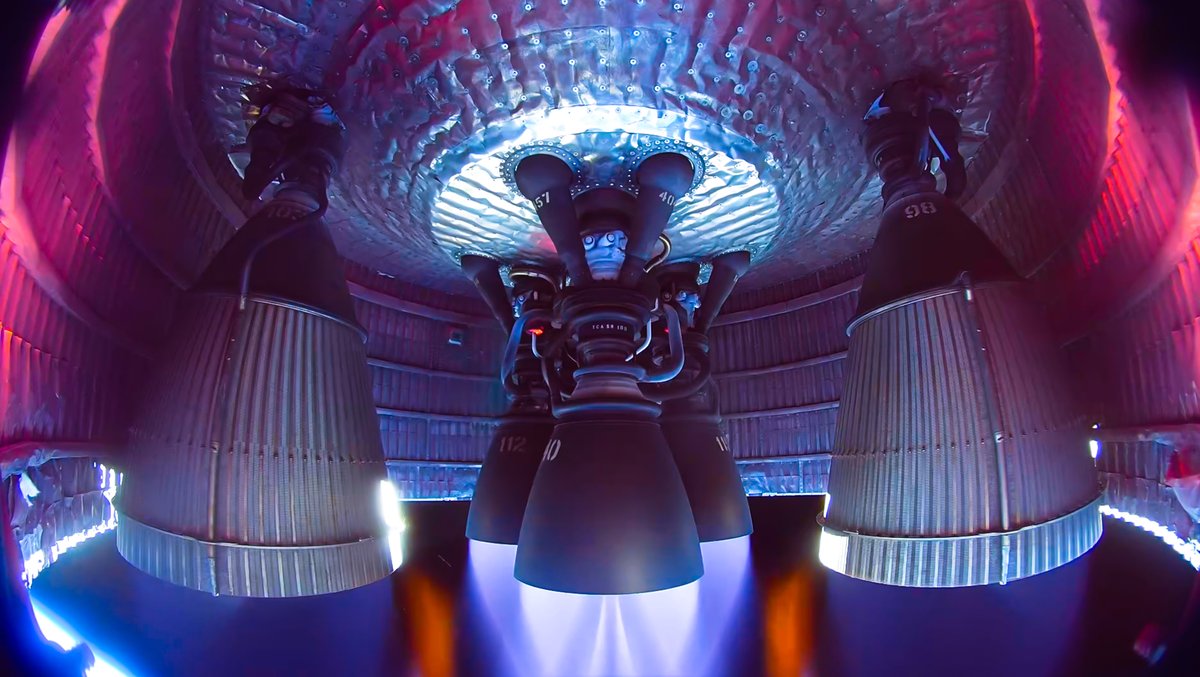
Onboard views from Starship and Super Heavy V3, which are equipped with upgraded cameras capable of streaming 4K video through every phase of flight via @Starlink
“Tsitakakantsa,” the largest baobab tree in Madagascar, is slowly fading away after surviving for nearly 1,200 years.
The ancient giant has become a symbol of Madagascar’s unique biodiversity, though scientists say parts of it have been collapsing in recent years due to age and environmental stress.
I strongly endorse this Senate bill to abolish the Selective Service System. The military draft is slavery and has no place in a free society. I would add that all the agency's records must be destroyed. https://t.co/C86CaRLtJq











![Rainmaker1973's tweet photo. Noninvasive 40 Hz gamma sensory stimulation uses rhythmic pulses of light and sound to entrain the brain’s natural gamma oscillations, which are linked to memory, attention, and cognitive processing. This approach, often called GENUS (Gamma Entrainment Using Sensory stimuli), has shown promise in reducing the accumulation of amyloid-beta and tau proteins, the two primary pathological hallmarks of Alzheimer’s disease.
In multiple preclinical studies, daily one-hour exposure to 40 Hz light and sound reduced amyloid plaque burden, decreased tau pathology, protected neurons, preserved synaptic connections, and improved memory performance in mouse models of Alzheimer’s. Researchers observed that the stimulation enhances clearance of toxic proteins through the brain’s glymphatic system, its waste-removal “plumbing” network.
A pivotal 2024 study from MIT demonstrated a key mechanism: 40 Hz multisensory stimulation activates vasoactive intestinal peptide (VIP)-expressing interneurons, which promote increased cerebrospinal fluid influx and interstitial fluid efflux. This boosts glymphatic flow and accelerates the removal of amyloid proteins from brain tissue.
Human research has progressed from early feasibility trials to larger studies. In a Phase 2A pilot trial, patients with mild Alzheimer’s who received daily 40 Hz audiovisual stimulation for three months showed reduced brain atrophy (less ventricular enlargement and hippocampal volume loss), improved functional connectivity, better performance on memory tasks, and more stable daily activity rhythms compared to controls. Longer-term open-label extensions suggest sustained safety and potential cognitive benefits over two years in some participants.
A large Phase III clinical trial is currently underway to rigorously evaluate efficacy. While results remain preliminary and the therapy is not a cure, it represents a novel non-pharmacological strategy that aims to harness the brain’s own rhythms to activate natural cleanup and repair processes.
Early evidence also hints at broader applications for other neurological conditions, including Parkinson’s disease, stroke, and epilepsy, though further research is required.
[Tsai, L.-H., et al. (2025). Review: Evidence that 40Hz gamma stimulation promotes brain health. PLOS Biology]](https://pbs.twimg.com/media/HKsNjT5XkAA-teq.jpg)