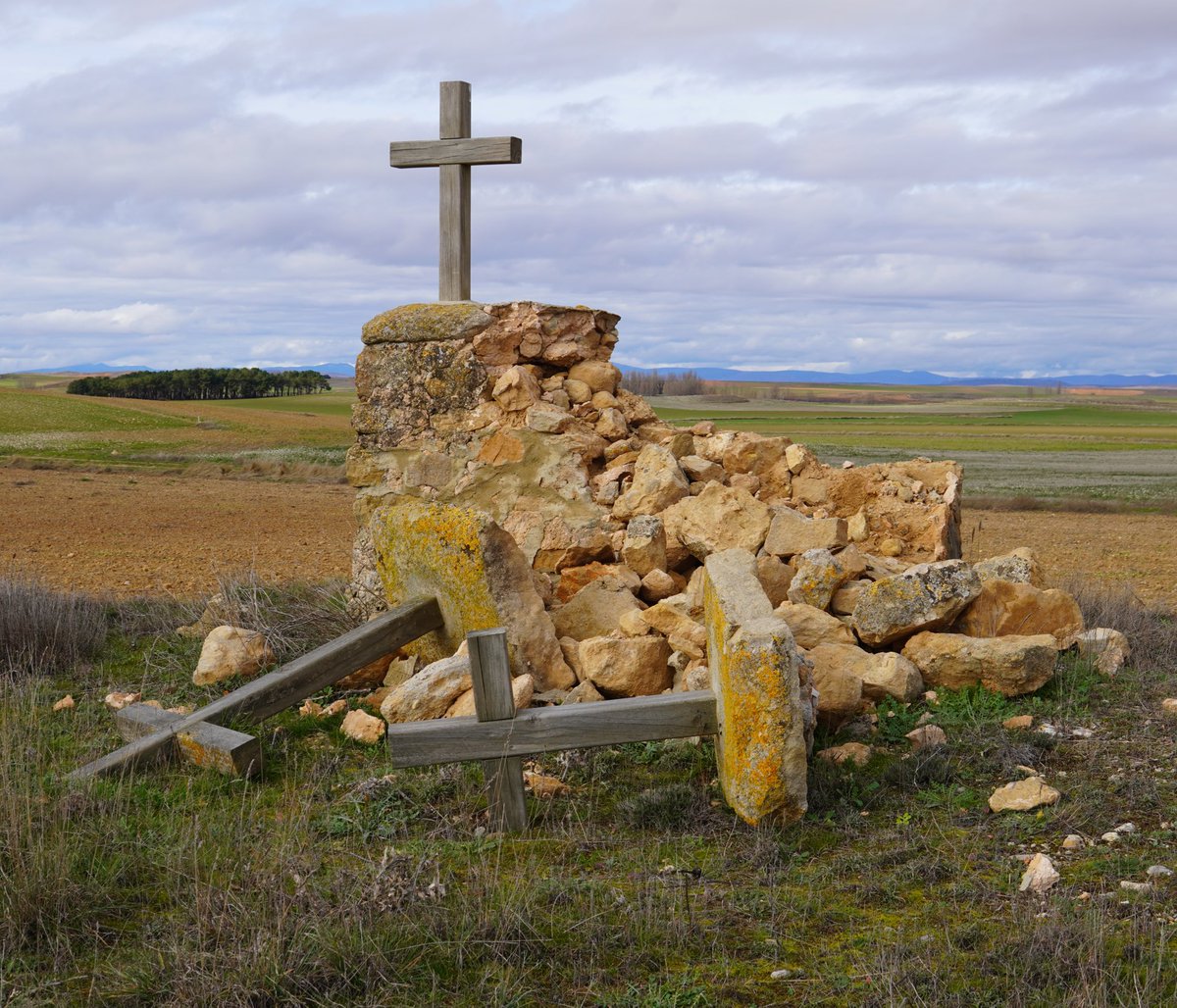
«In Termantia, the praetor Piso tried to collect taxes violently from the Arevaci, which led to his death at their hands. A man was arrested and tortured for information but refused, stating that the crime was collective. He said: "Here still exists the Ancient Spain"»
Tacitus
Nobody knows where the Spanish word for dog, PERRO, comes from. We do know it isn't Latin, because Spain's neighbors all kept the Roman root: Portuguese cão, Italian cane, French chien.
In medieval Castile the proper word was CAN. Perro was what you called a street mutt, or a man you wanted to insult. The rude word won anyway, and by the 1500s “can” had mostly dropped out of daily speech. It's still there in CANINO (‘canine’) and in the name of the Canary Islands.
The best guess comes from the linguist Joan Corominas: perro grew out of "prrr," the rolling sound shepherds made to call their dogs. So the animal ended up named after the noise you make to bring it back.
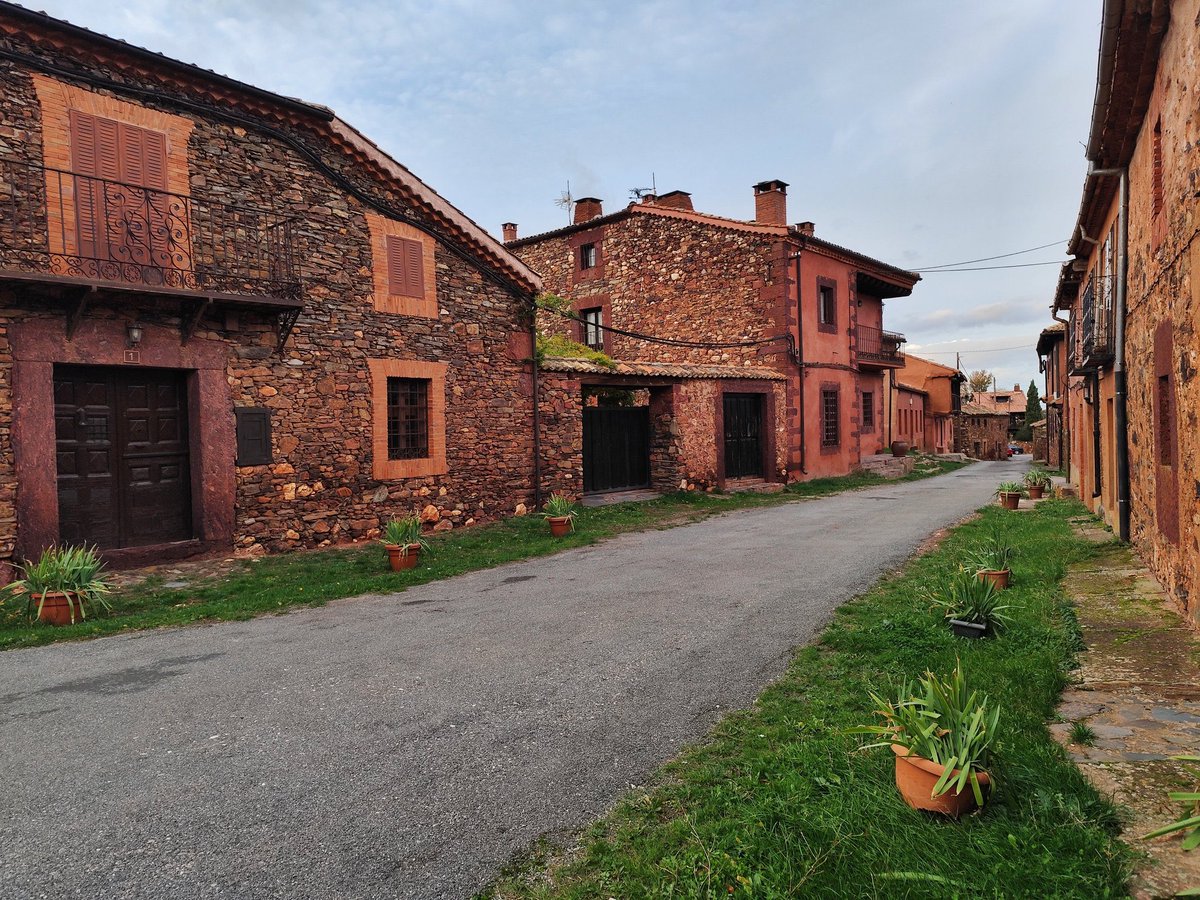
Around 20 people live in Madriguera, a tiny village in Segovia, and every house is red.
Nobody painted them. The local stone is full of iron and the soil is clay, so when the villagers built their homes in the 1800s, the walls came out the color of rust.
📷: @loki_pedri
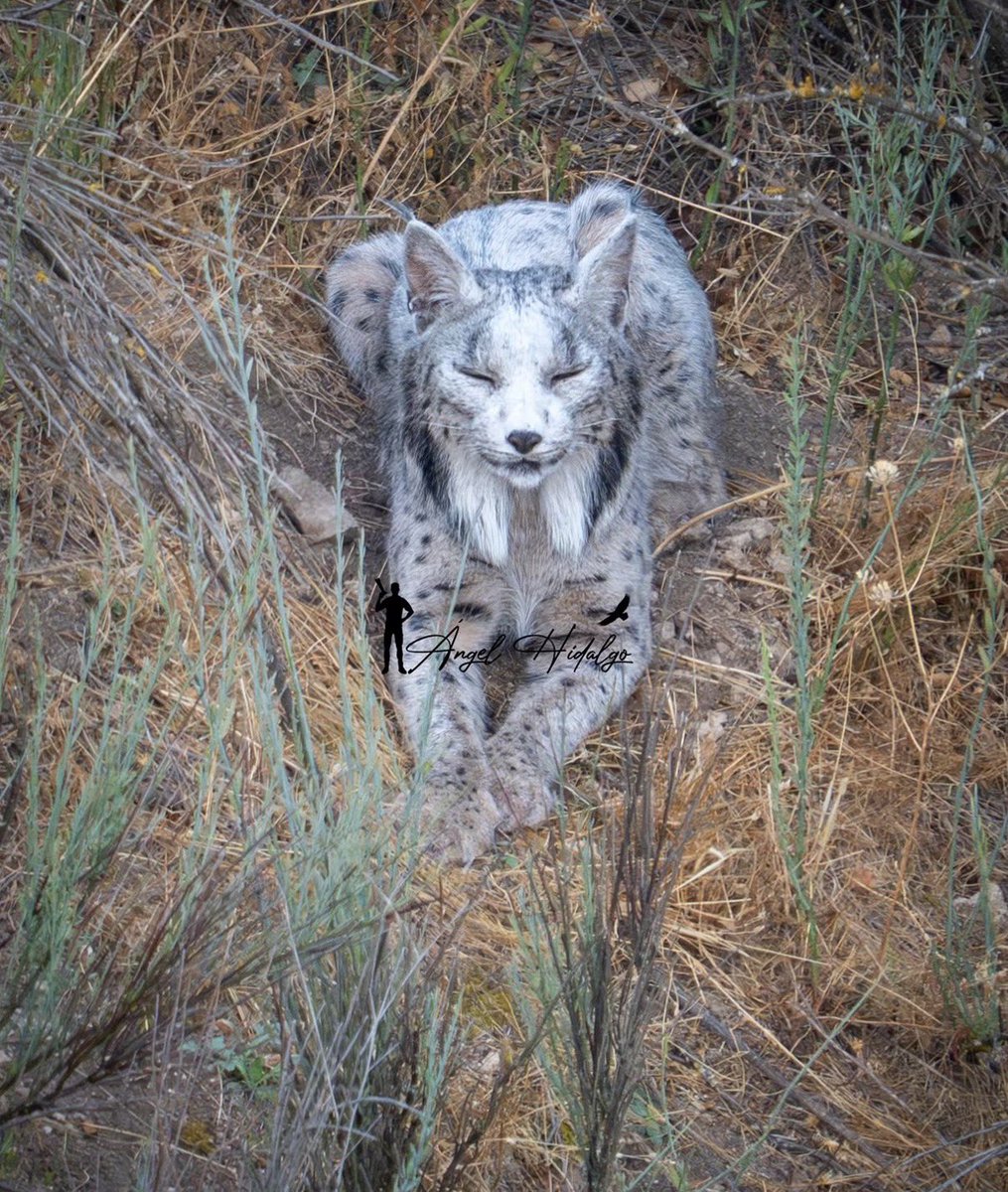
In 2002, just 94 Iberian lynxes remained in Spain.
24 years later, that number has risen to 2,269 thanks to a successful strategy to bring the species back from the brink of extinction.❤️
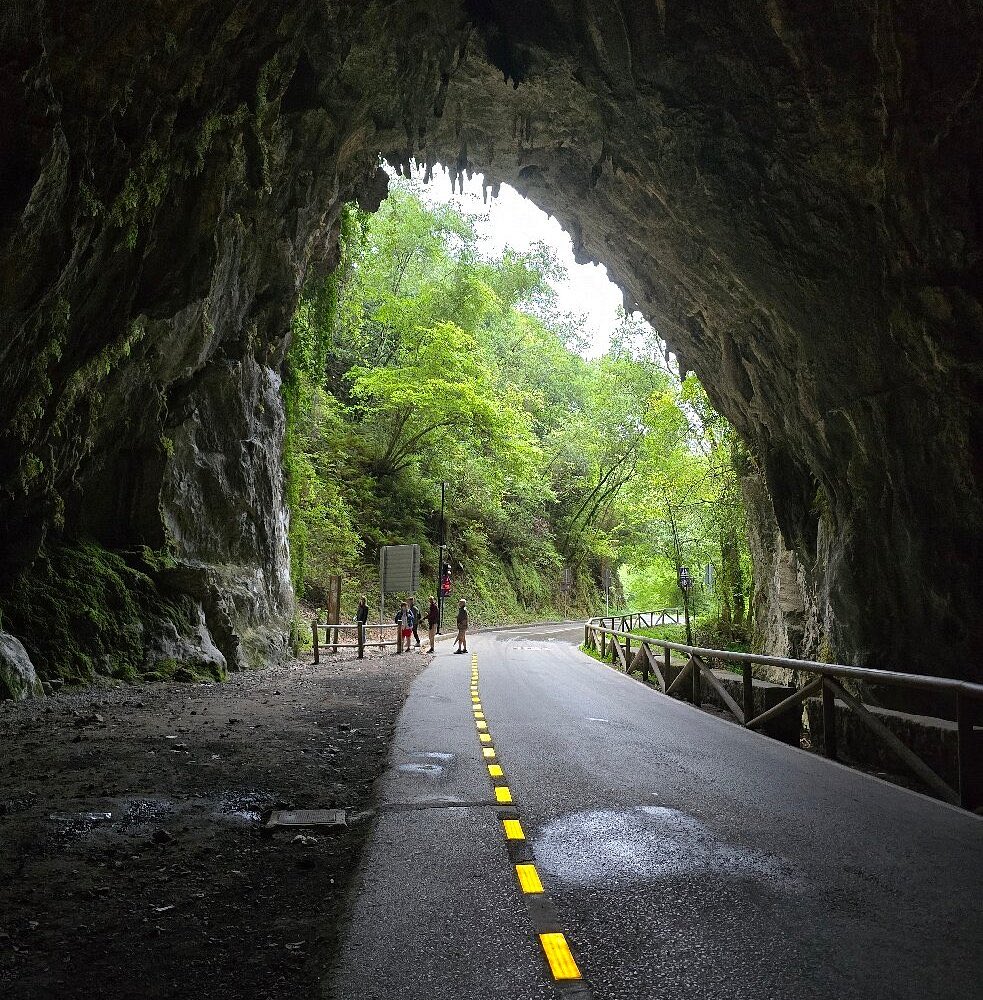
There's a village in Asturias you can only drive into through a cave.
“La Cuevona���, near Ribadesella, carries the only road to Cuevas del Agua, a hamlet of about 50 people.
If Spain had a national tree, it would have to be the ENCINA (holm oak). It grows almost everywhere on the country. Only northwestern Galicia is the exception, and even there a few survive.