You won’t regret watching this clip
I first listened to this truly prophetic speech decades ago, but I’ve thought about it countless times since then
Neal A. Maxwell masterfully diagnosed the problems with our increasingly godless society
The literal resurrection of Jesus is, of course, the subject of so many scriptures that it is settled doctrine for believers of the Bible and Book of Mormon. For us, the universal resurrection is equally certain.
I wonder if we fully appreciate the enormous significance of our belief in a literal, universal resurrection. The conviction that death is not the conclusion of our identity changes the whole perspective of our mortal life.
It affects how we look on the physical challenges of mortality. It gives us the strength and perspective to endure the mortal challenges faced by each of us and by those we love.
It signifies that mortal deficiencies are only temporary! It also gives us the courage to face our own death or that of loved ones—even deaths we might call premature.
Our belief in the resurrection also encourages us to fulfill our family responsibilities in mortality. It helps us live together in love in this life in anticipation of joyful reunions and associations in the next.
#GreaterLove #GeneralConference
Artwork: “Above All” by Kelsy and Jesse Lighweave
The USA baseball team rolled up to the stadium for the championship game against Venezuela wearing the USA hockey team's game-worn jerseys from the Olympics. 🇺🇸
And this right here, what just happened in Indiana, is why making an example of the Jazz was a short-sighted decision/slippery slope.
1) Zubac returns to action from extended time off, plays heavy 1H minutes. Looks good scoring 8 PTS (4-6 FG).
2) Nembhard drops 23 PTS (!) in the 1H in just 17 mins.
They both disappear at halftime, and dont play a single 2H second in what was a respectably close game for a majority of it.
Pacers (a team with losing incentive) lose.
Sound familiar?
The franchise comms team will likely issue an injury management explanation to avoid the eye of Secaucus Sauron/refute the imminent tanking allegations.
Is it possible both players got sore in the locker room/hurt in the first half? Sure, I guess.
The point here is that by fining the Jazz for conduct detrimental to the league, NOT (⬅️) a Player Participation Policy violation, your games are now going to be under the microscope in the event this type of starter rotation activity occurs again.
You can’t just fine one franchise and hang their reputation from a tree to scare the other citizens from replicating the same behavior.
That selective enforcement is what put you in the spotlight originally, because Jaren Jackson Jr./Lauri Markkanen ended up either getting surgery or having a legitimate hip injury keeping them out for the foreseeable future.
Nembhard/Zubac may end up experiencing something similar to JJJ/Markkanen, they may not, but the inconsistent enforcement WITHOUT knowing their personal medical records is reflective of a business that only steps in when the seat gets hot.
The Jazz ended up winning some of those games they were so highly scrutinized for.
The Pacers lost tonight.
This alone does not justify penalizing the Pacers, because Micah Potter was trying to win just as much as Brice Sensabaugh was for Utah.
Players dont tank.
If you’re not going to fine the Pacers for this tonight, then just give the Jazz governors their $500,000 back, because this hypocrisy is what’s damaging the league reputation more than the integrity of the game.
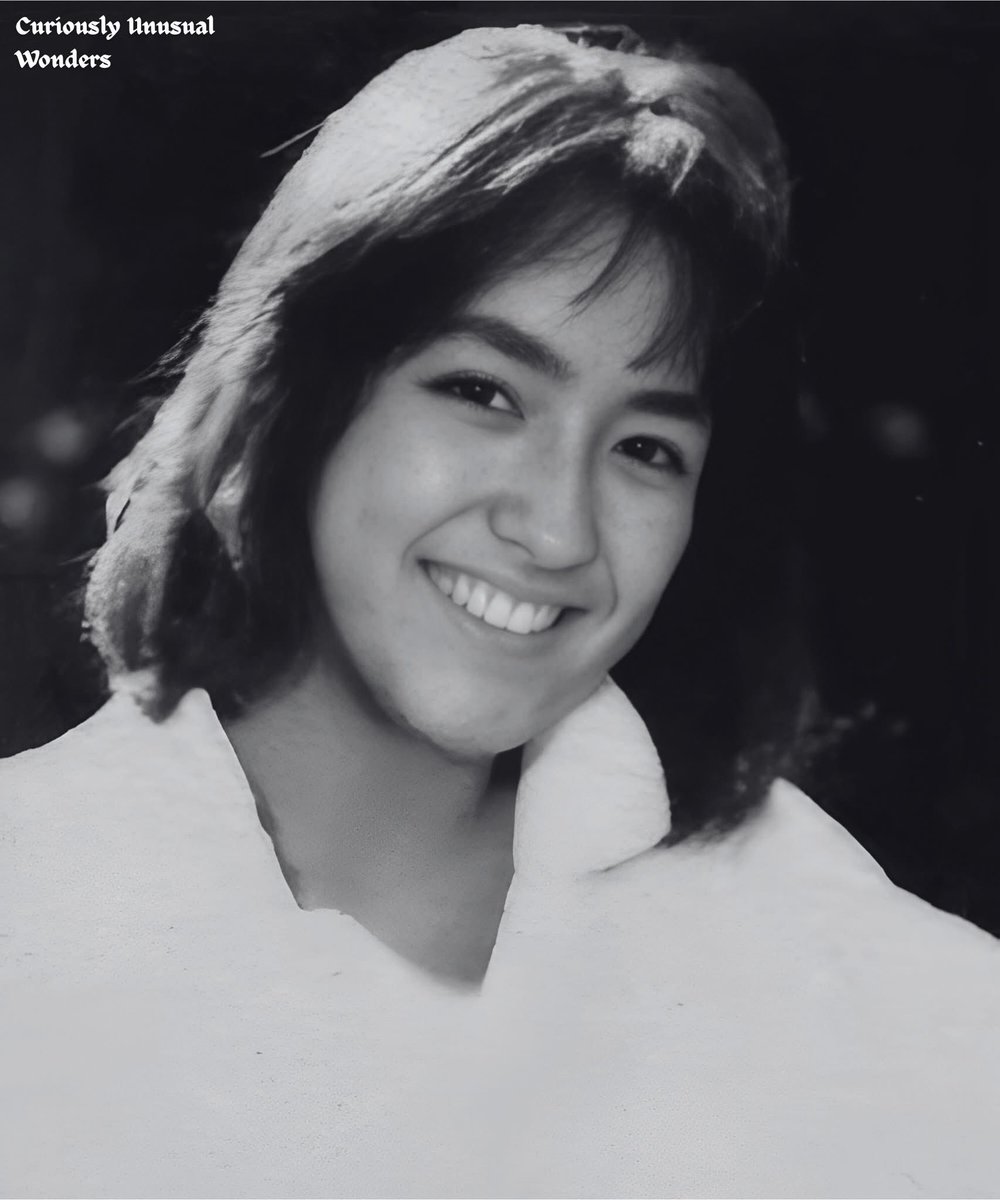
On September 11, 2001, trapped on the 83rd floor with no hope of escape, she called 911… not to ask to be saved, but to send one last message to her mother.
Melissa Cándida Doi was 32 years old.
She lived in the Bronx with her mother, worked as a financial manager in the South Tower of the World Trade Center, and loved ice skating in Central Park in her free time.
A normal, peaceful life. Until that day.
At 9:03 a.m., the second plane struck the South Tower.
Melissa was in her office, dozens of floors above the impact. The stairwells were already impassable, and fire and smoke were rising.
There was no way out.
At 9:17, she dialed emergency services.
She spoke with the operator for almost nine minutes. She described the smoke, the unbearable heat, the feeling of suffocating.
Her voice trembled, but she was clear-minded. She asked repeatedly if help was coming.
Then, little by little, she understood the truth.
They wouldn’t make it in time.
And in that moment, she did something profoundly human.
She didn’t scream.
She didn’t cry.
She didn’t despair.
She asked the operator to contact her mother.
“Please, tell her I love her. Tell her she was the best mother in the world. Tell her I’ll see her in the next world.”
Simple words. Immense words.
At 9:59, the South Tower collapsed.
Melissa was still inside.
She did not survive.
But her voice did.
In 2006, during a trial related to the attacks, the recording of her call was played in court.
Those present listened in silence.
Jurors, journalists, judges—everyone with tears in their eyes.
Because in Melissa’s calm, in that final act of love, the humanity of thousands of people was reflected.
Twenty-three years have passed since that day.
We have built memorials.
We have said, “We will never forget.”
But remembering is not only commemorating a tragedy.
Remembering also means honoring the strength, dignity, and love of those who, like Melissa, chose to face the unimaginable with an open heart.
Melissa could have spent her last minutes in despair.
Instead, she thought of her mother.
She wanted the last thing left of her to be love.
Her mother, Evelyn, always spoke of her with tenderness: a kind, bright young woman who loved the little things.
And that is what we lost on September 11—not just lives, but unique, full
This story is now more than 25 years old and I have told it more times than I can count, but it hits very differently today.
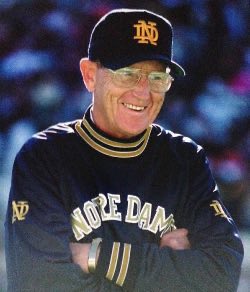
I was anchoring SportsCenter one afternoon and Lou Holtz was on the show. I was quite excited to talk with him, he had been an icon all of my life.
He was very friendly, asking me all about myself as we walked toward the studio to record an interview. I told him: “Actually, Coach, it’s quite exciting, my wife and I are expecting our first child in the next few weeks.”
He stopped dead in his tracks and put a finger up near my face. And I’ll never forget what he said.
“Young man, the most important thing you can do for a child is make sure every day they know how much you love their mother.”
And, just like that, he started walking again.
Our daughter was born a month later, our son came two years after that. And I have thought about what Lou Holtz said to me that day about a million times since.
RIP Coach, thanks for the best advice anyone ever gave me.