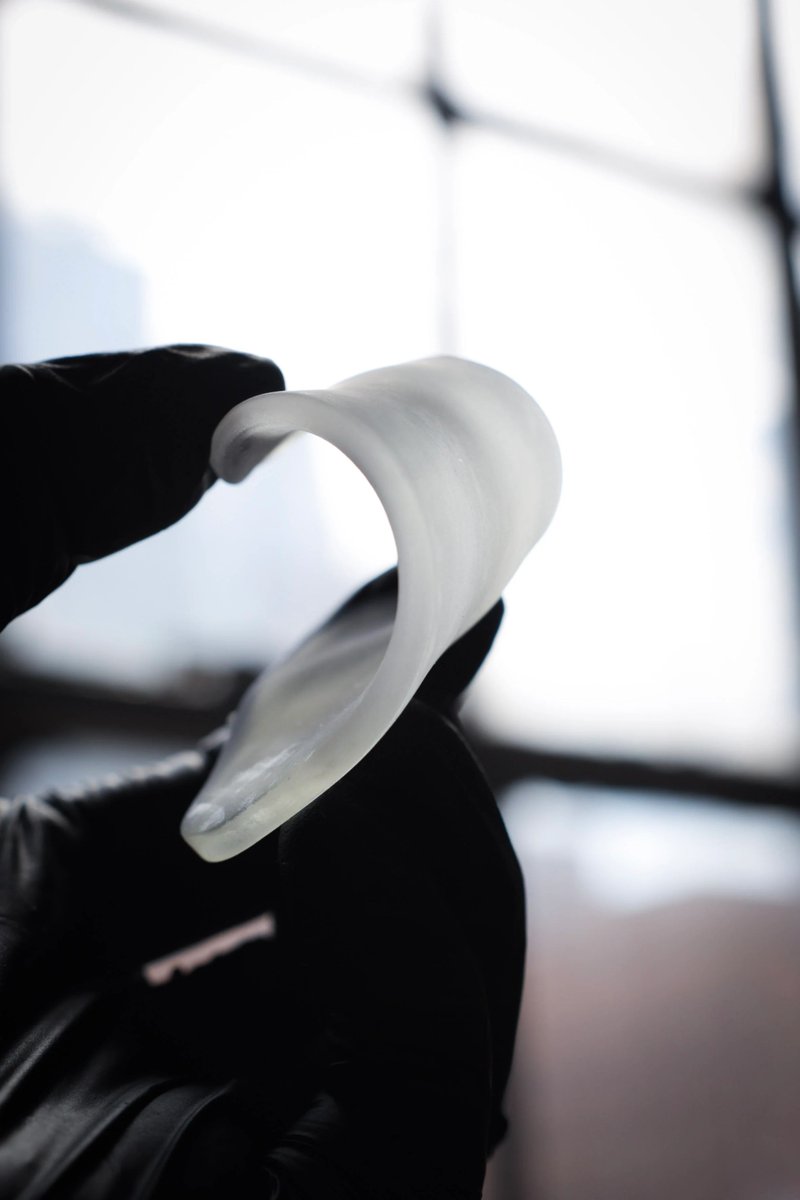
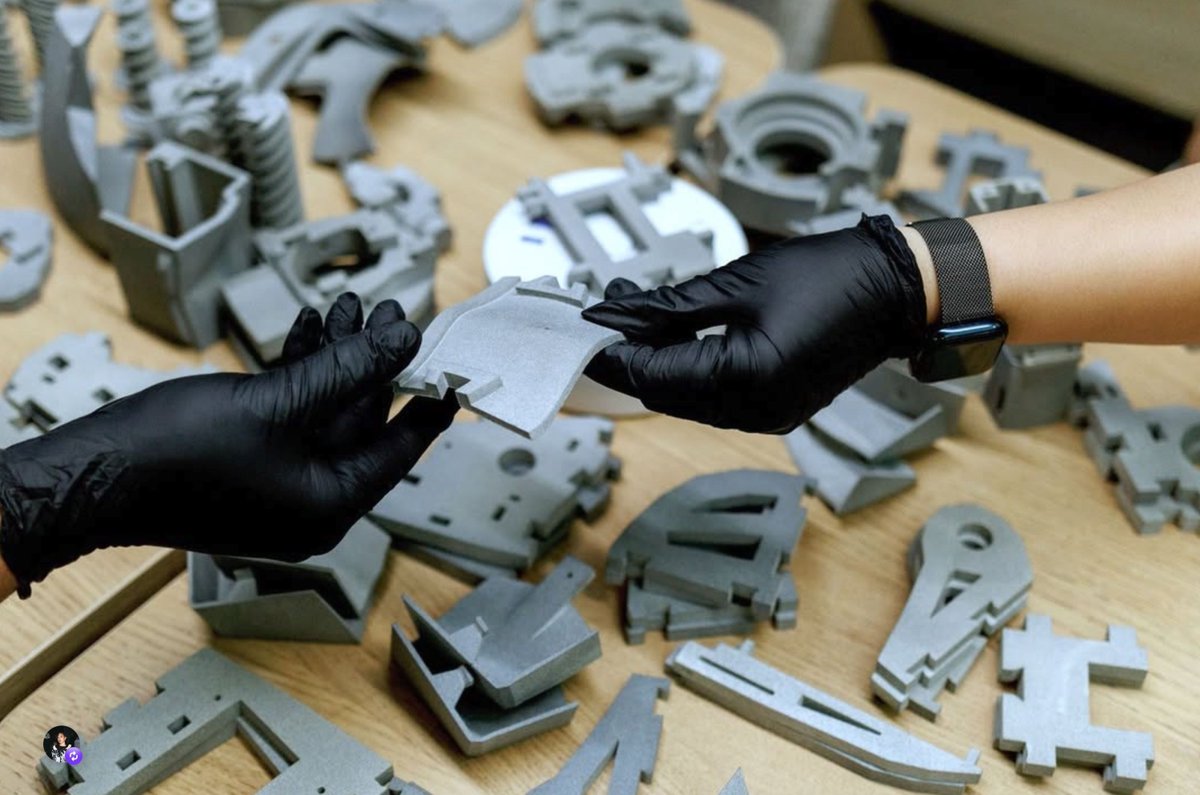
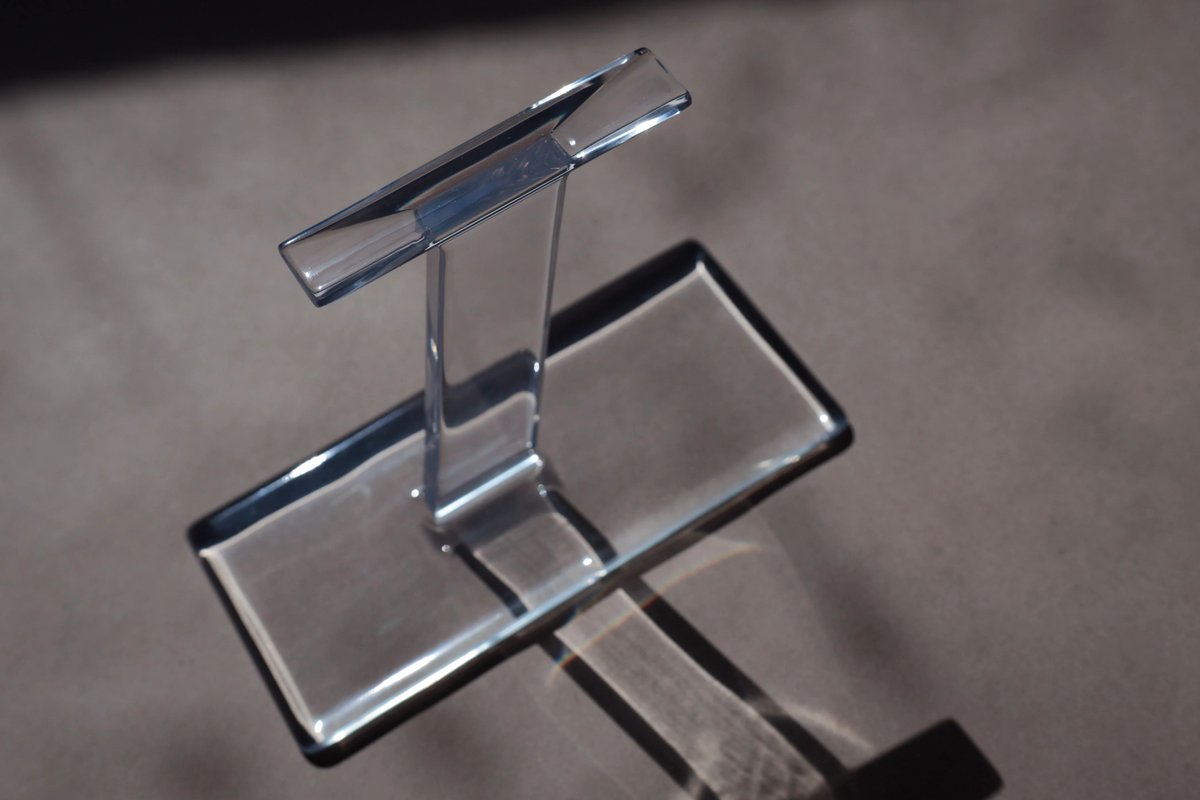
parts can look clean off a desktop SLA printer and still carry hidden variability. the difference shows when you try to validate fit, performance, or production.
every question a customer has ever asked us — answered, searchable, free.
file prep. materials. post-processing. shipping. tolerances.
https://t.co/LYsNhMg20X
3 questions engineers ask us most:
1) can you hit ±0.1mm? → yes, SLA and MJF
2) smallest feature? → 0.3mm
3) can I order 1 part? → minimum is 1. always.
all answered in our quoter. no phone call needed.
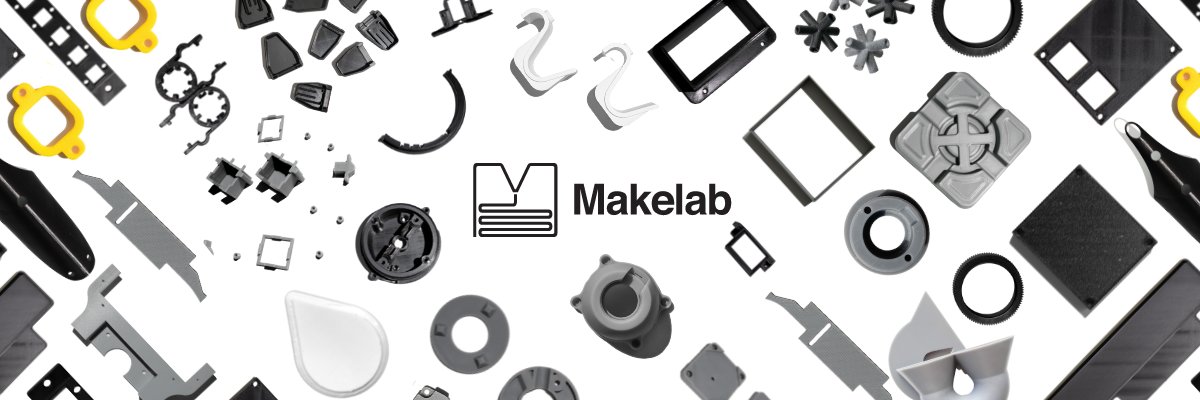
parts we shipped this year:
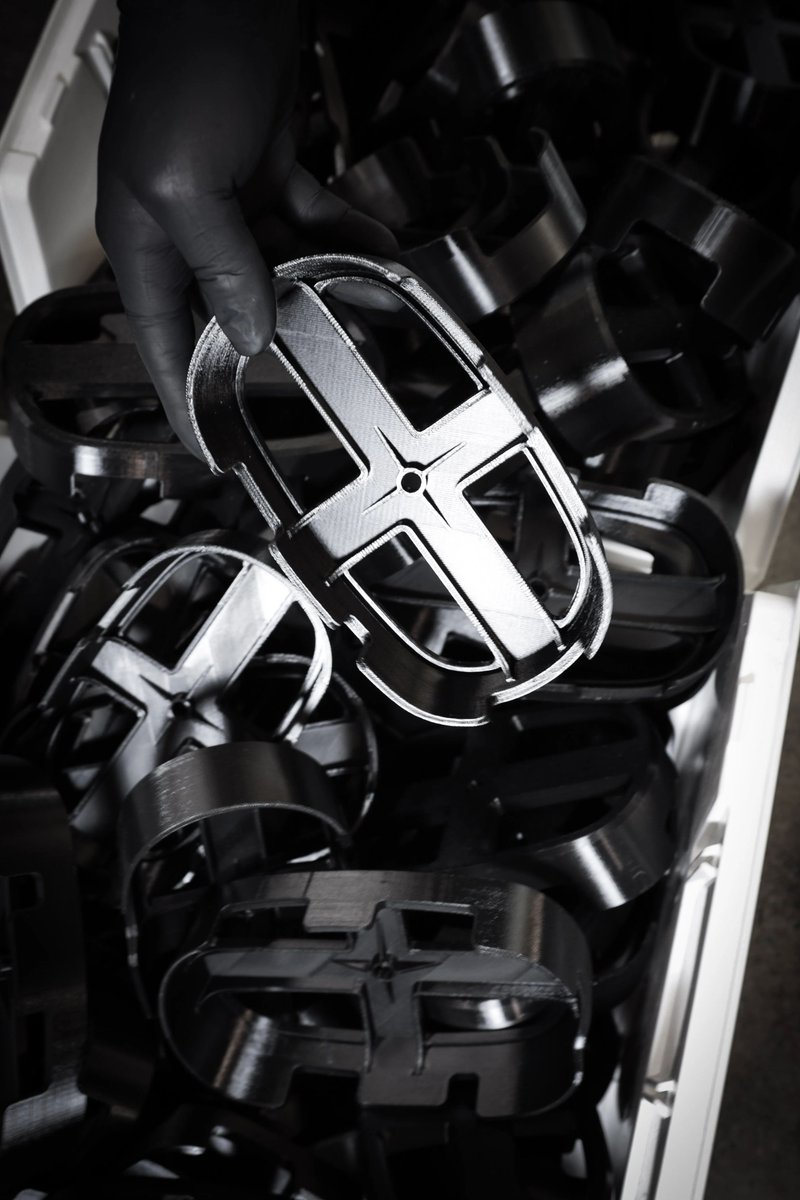
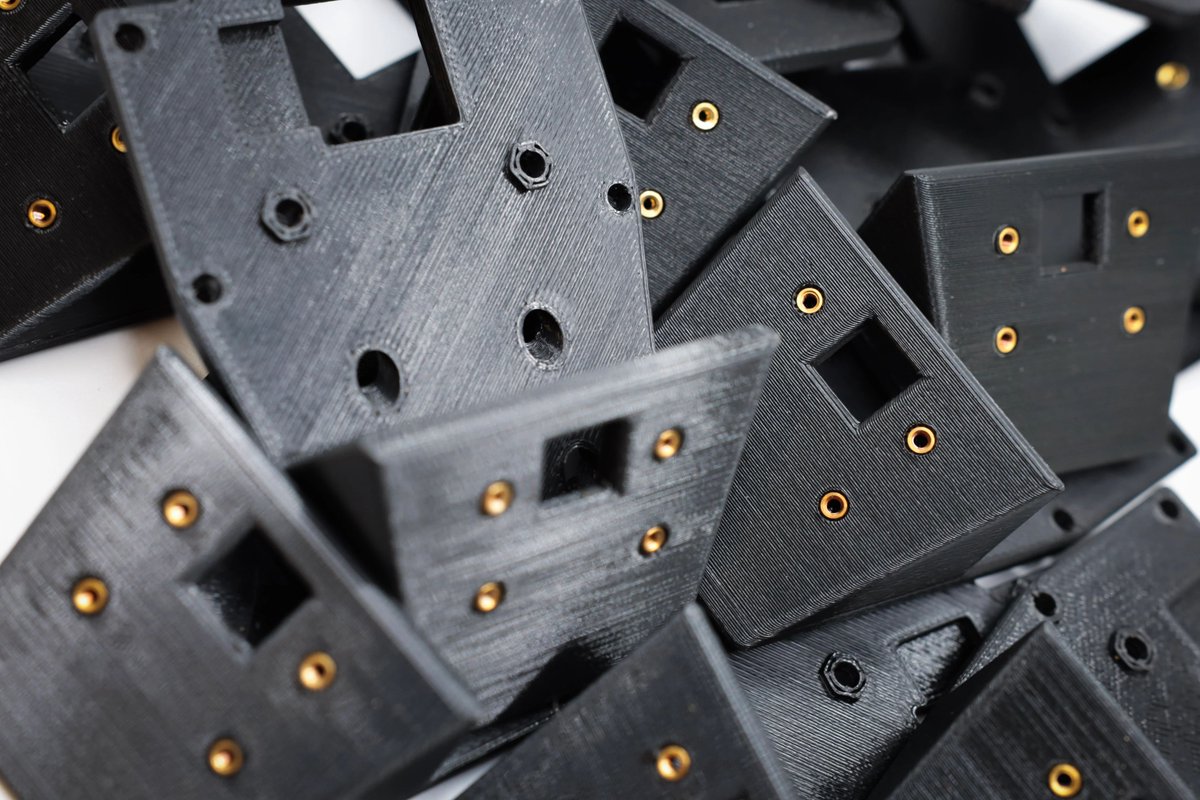
robotics assemblies
architectural models of NYC skyscrapers
consumer electronics
automotive parts
we don't make trinkets. we make parts that have to work.
https://t.co/pVf96DvQDy
we've printed in 23 different materials this year.
most popular: nylon 12 (MJF)
most slept on: PETG (FDM) — cheaper, tougher than you'd think, we can ship it QUICK.
we rebuilt our website around one question:
can an engineer get what they need in 30 seconds?
not a sales pitch. a price, a lead time, a spec, a file check.
best sales tool = getting out of the customer's way.
https://t.co/OTdHcjs1KN
5 file mistakes that delay your 3d print order:
1. wrong units (mm vs inches)
2. non-manifold geometry
3. overlapping bodies
4. features under min size
5. no orientation hint
we built a checker so you catch these first.