“We’re diagnosing boys with ADHD for acting like boys.”
Erica Komisar said this on Steven Bartlett’s Diary of a CEO. Little boys have a huge testosterone surge between ages 3–6. They need to run, jump, wrestle, and move constantly. Instead, we put them in classrooms that reward sitting still, regulating emotions, and being quiet — behaviors that come more naturally to girls. When they can’t, we label them as disordered.
Boys’ schools get this — they do short lessons then let the kids run around multiple times a day. Regular schools don’t.
It feels like we’ve built an education system that works better for one type of kid and then act surprised when the other type struggles or gets medicated.
These early labels follow boys for years and can damage their confidence and self-image long-term. We’re not letting boys be boys.
Do you think our school system is unfairly set up against how boys naturally learn and behave?
🍊🐄 Florida is about to spend nearly $200 million helping the citrus industry fight disease and storm damage.
Meanwhile, one of Florida’s largest citrus producers, Alico Inc., announced it’s moving away from citrus production and toward land development.
At the same time, lawmakers argued there aren’t enough places for cattle to graze and pushed legislation to allow grazing on state conservation lands.
So why not connect the dots?
Instead of watching old citrus groves sit idle or become subdivisions, why not help transition struggling groves into cattle pasture until a cure for citrus greening is found?
A simple idea that could help both industries and keep more Florida land in agriculture.
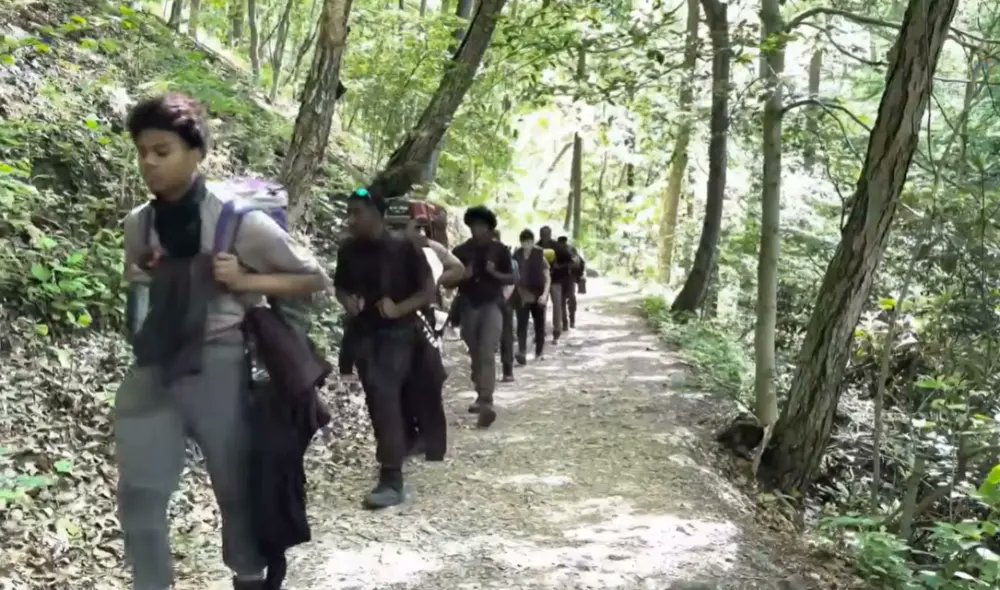
New Jersey school has required every freshman to hike 55 miles on the Appalachian Trail for 53 years straight.
At St. Benedict’s Prep in Newark, this isn’t optional — it’s a mandatory 5-day rite of passage before becoming a sophomore.
Many students have never hiked or camped before. They train together in the spring, then get split into small teams where each kid gets a critical role: navigator, medic, cook, captain, etc. No one knows everything — they must rely on each other.
With minimal adult supervision, they hike rain or shine, facing blisters, sore muscles, and real challenges head-on. As one administrator put it: “The only way we can get through this is if we work together.”
The result? Teens who return more confident, resilient, and bonded — proving that real growth happens when you step away from screens and into the wilderness.
What an incredible tradition! Parents, educators, and anyone raising tough kids — this is gold.
Who else believes we need more experiences like this?
@Roadman_Podcast I don’t know about item specific, but I frequently won’t buy some brand names. You can buy equal quality products for much less most of the time.
Dear 11 and 12 year olds and their parents:
The full size field is a year or two away. Those 200-250’ “dingers” you’re hitting now will be fly ball outs soon. I know we love those USSSA bats but you’re also a few years away from using BBCOR bats which will take away your “pop” overnight.
The big field is a game changer. Some will make the transition seem easy but for many it has a way of humbling those kids who dominated the small field. Keep working hard. Be careful of thinking the game is easy. Each year from here on out will push you to get better. Will reveal your toughness. Will challenge you everyday.
BTW, that 90’ sprint to first base will make you feel slow!! 🤣🤣 do your sprints!!
Just a friendly warning. We don’t even make $200k per year in Congress despite working nearly 140 days. If we aren’t properly compensated, a lot of us will go to the private sector and you will be left with some real idiots in Congress.