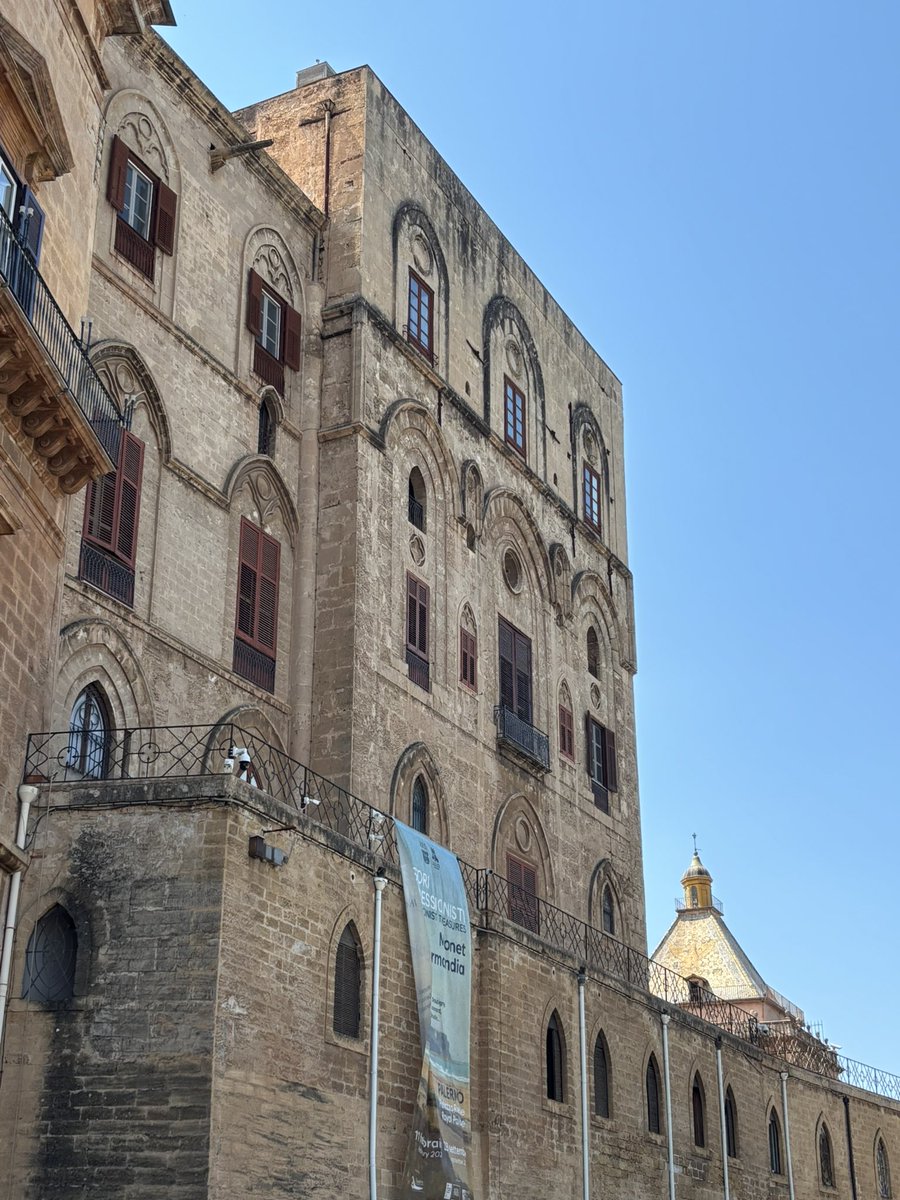
Thread of excerpts from the book "Party politics in a fortress colony", which deals with the history of Malta from the arrival of the British onwards, and the effects it had on the country.
I've mentioned this before, but this book made me sadder than any other I've read.
When it ended, it made me realize that even 800 pages was paltry for an entire life's story, and yet almost no one, certainly not me, would have a Boswell to give even that.
@BTradesnz27269@souljagoyteller The counter revolution was the writing of the current constitution, a much more anti-democratic document than the articles of confederation.
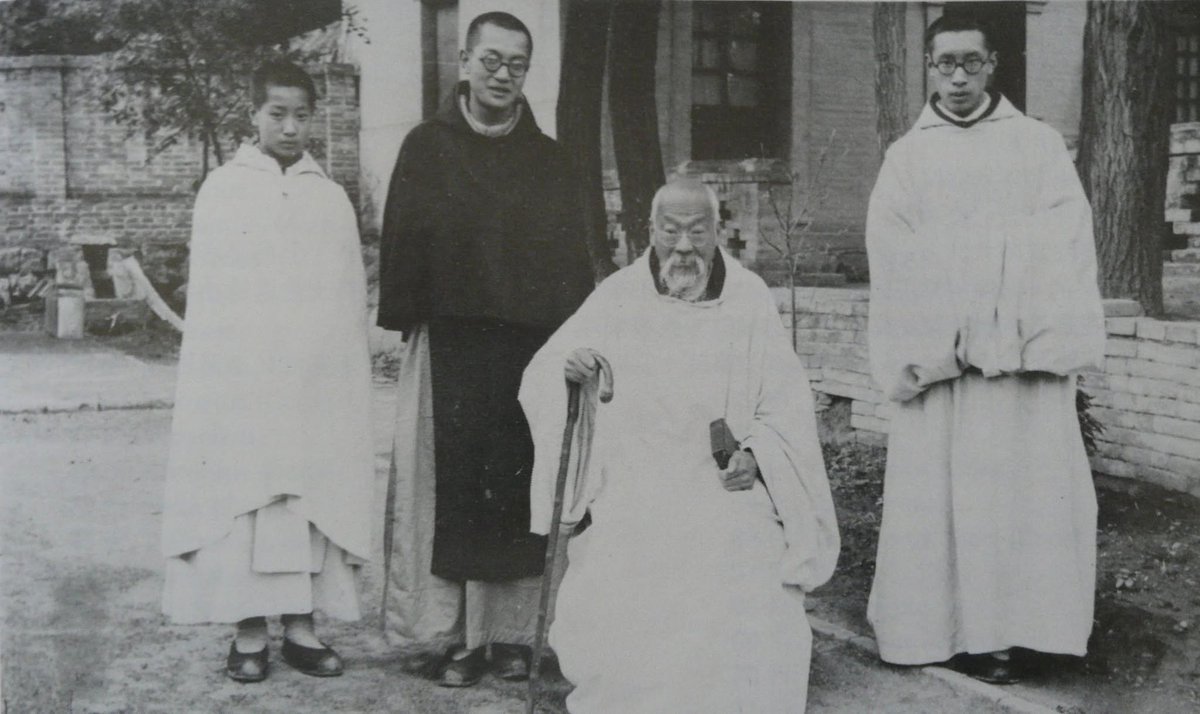
Photos of Yangjiaping Trappist monastery near Beijing, from the collection of Notre-Dame de Sept-Fons. In 1947, the monastery was destroyed on the orders of General Zhu De and the monks were forced to march in inhumane conditions.
Among the working classes, the husband usually inflicts much of the domestic abuse on wife and children, whilst among the upper classes, the wife usually inflicts much of the domestic abuse on children and husband
The myth of the Jesuit blasphemous profession of faith.
In this thread, I would like to address an anti-Jesuit argument that was very popular between the 17th and 19th centuries and that originated in Slovakia.
Probably Dragon Ball Z is so popular in Mexico because it teaches kids that violent monkeys, if they get angry enough, can transform into blonde people with green eyes.
@Osarseph0@GraniRau Martyrdom of St Polycarp says that the Roman authorities, under the direction of the Jews, burned the aforementioned Saint's body after his killing to prevent their use as relics.
Father’s Day is bittersweet for me as my father died in childbirth (hit by a train drunk driving while he tried to flee town as my mother was giving birth to me)
I always like to point out that the east (corresponding to the former Raetia Curiensis) was much more Romance-soeakingin the Middle Ages, before being replaced by German through the action of settlers and policies in favour of Germans.
"First of all, George Washington was a product of the ruling class of Virginia's aristocratic republic. His antecedents were English, his affiliations were with English people and the Virginia-English. His experiences were largely limited to the plantation world of Eastern Virginia, and he had no real desire to extend his experiences beyond these limits. Like his close friend, Benjamin Harrison, Washington loved the planters' life and enjoyed with an earthy zest the physical details of living. Like all his friends, too, his obligations in the oligarchy required him to devote his services to his state. When his state allied with others for mutual defense, his ambition and sense of authority motivated him to seek leadership in the area where he felt best qualified to serve--in the military.
The plantation master suffered no delusions about his military gifts, nor did the Continental delegates who appointed him. Nor was the greatness he revealed in the ordeal presaged in any way at the Congress.
Washington was picked, for a variety of sound political and practical reasons, primarily because he was a Virginia aristocrat, and not because he was some vaporless distillation of "The Patriot." Any New Englander was eliminated from leadership because many of the delegates from other colonies (especially the rich conservatives) regarded them as troublemakers. This elimination made a Virginian the logical choice. Virginia was the largest and oldest colony; it had been a leader on principle in the struggle with England over colonial rights, and its representatives were as a group the most distinguished. Finally, despite all the later-day talk about democracy, the colonial representatives in 1775 agreed that an aristocrat, habituated to and a symbol of authority, should lead. This made a Virginian at least one inevitability of the movement." (Clifford Dowdey, The Great Plantation)
Finished Goldsworthy’s latest, highly recommend. Familiar territory to most I’m sure, with the Persian and Peloponnesian Wars anchoring the narrative, but worth reading. And for frens new to the subject, it’s a comprehensive, blood & thunder introduction.
Genoa was Pisa's main rival during the High Middle Ages, and ultimately Genoa triumphed, leaving Pisa as a rump state to be conquered by Florence some centuries later. A short thread.