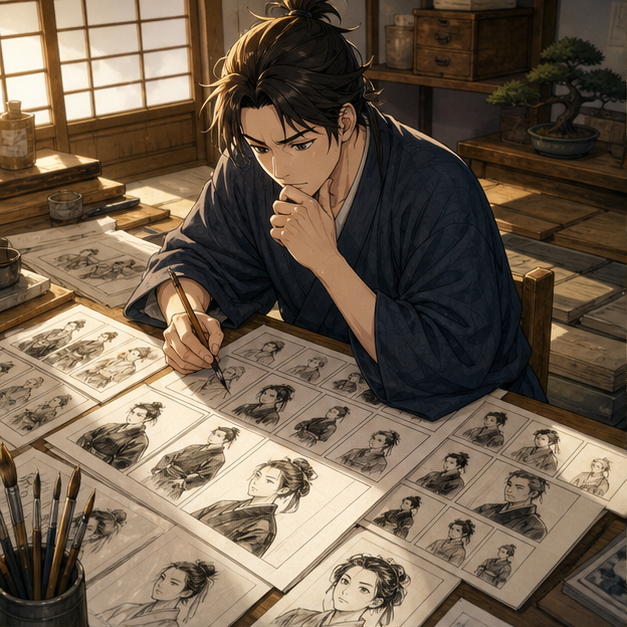
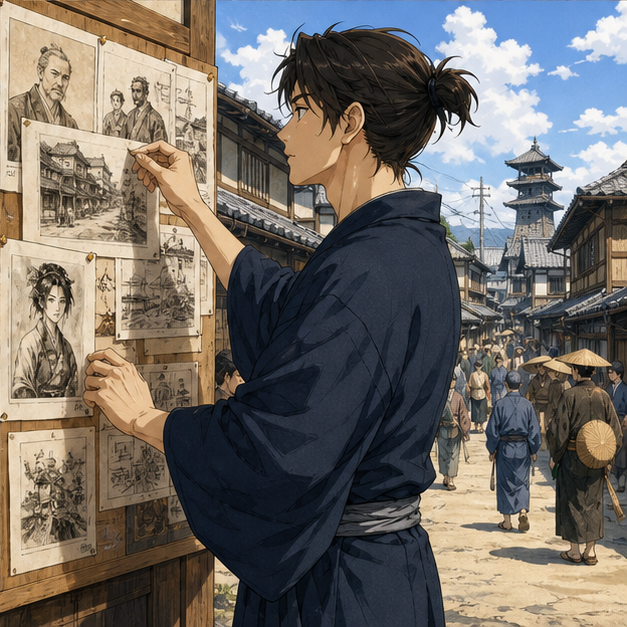
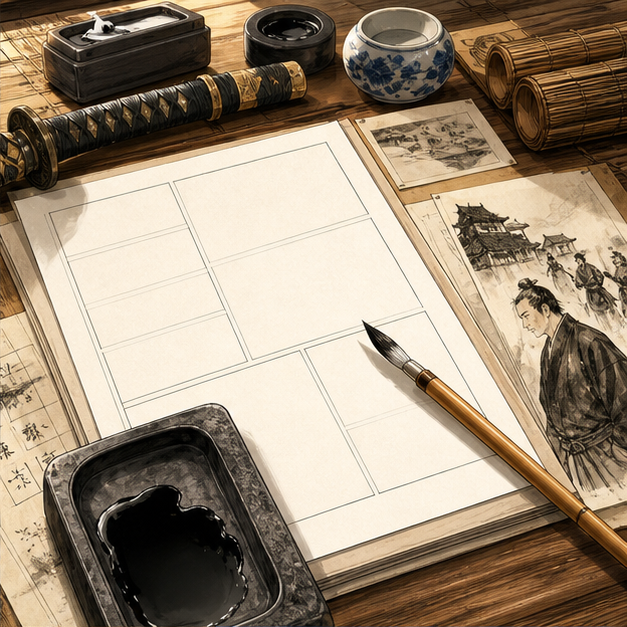
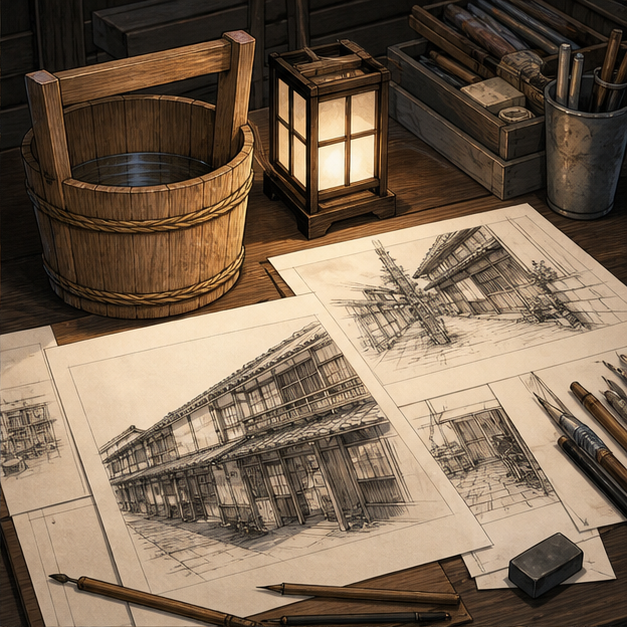
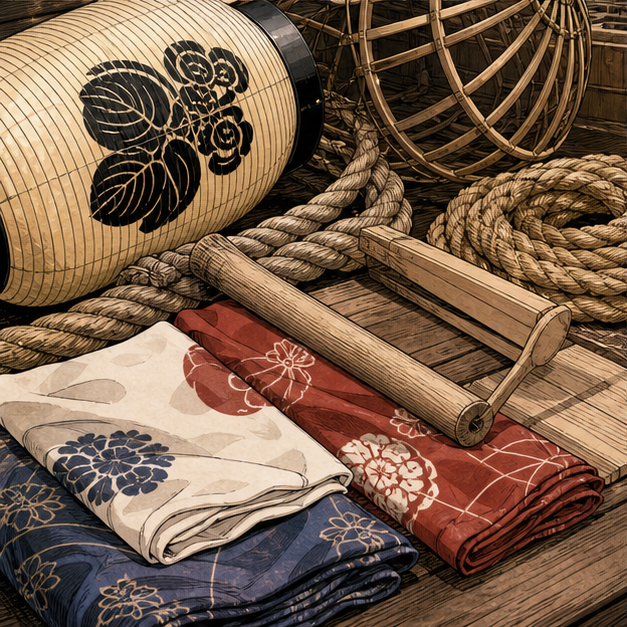
When I plan a history manga scene, I start with a human problem rather than a fact list. Who needs something? Who can help? What makes the solution difficult?
History Manga are a reminder that history is made of ordinary systems as well as famous events. When we follow the work that keeps a day moving, the past starts to feel inhabited.
If you stepped into a scene about history manga, what would you notice first?
1. a tool
2. a sound
3. clothing
4. a sign of work in progress
Small details are often the fastest doorway into old Japan.
For a manga scene about history manga, I look for the work around the main action. What is being carried, checked, repaired, or prepared? Those details let the setting do some of the storytelling.
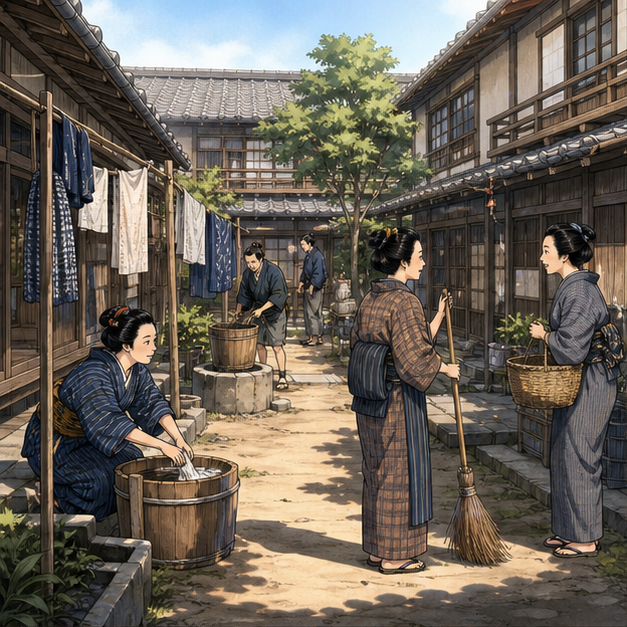
Row Houses are a reminder that history is made of ordinary systems as well as famous events. When we follow the work that keeps a day moving, the past starts to feel inhabited.
If you stepped into a scene about row houses, what would you notice first?
1. a tool
2. a sound
3. clothing
4. a sign of work in progress
Small details are often the fastest doorway into old Japan.
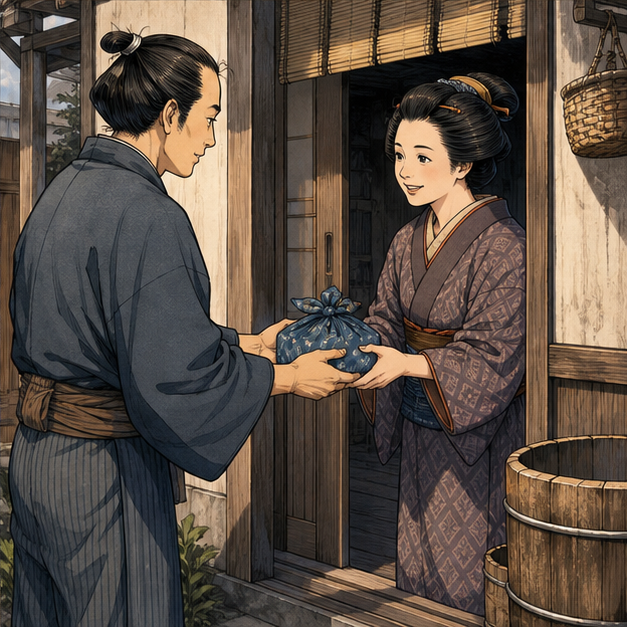
For a manga scene about row houses, I look for the work around the main action. What is being carried, checked, repaired, or prepared? Those details let the setting do some of the storytelling.
A row-house neighborhood makes history feel close. Doors, shared space, errands, voices, and small favors can show how private life and community overlap.
If you stepped into a scene about gardeners, what would you notice first?
1. a tool
2. a sound
3. clothing
4. a sign of work in progress
Small details are often the fastest doorway into old Japan.
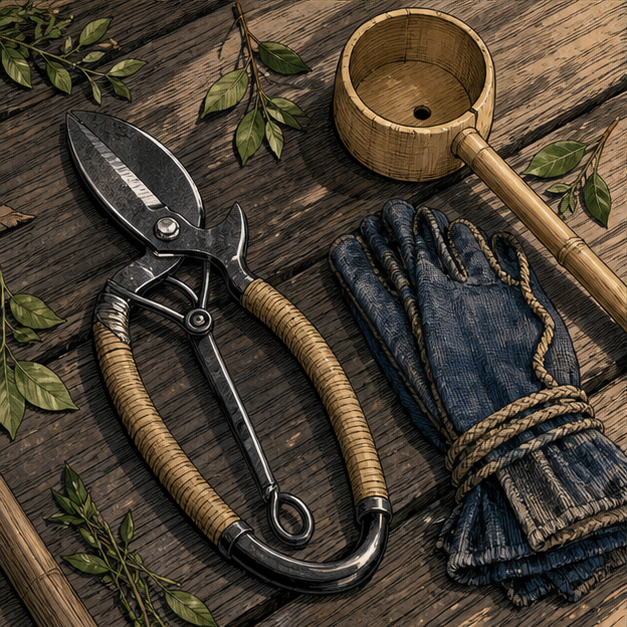
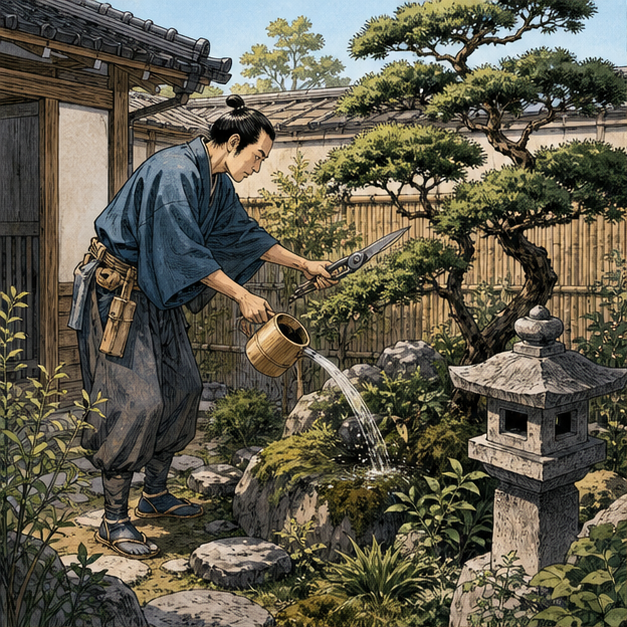
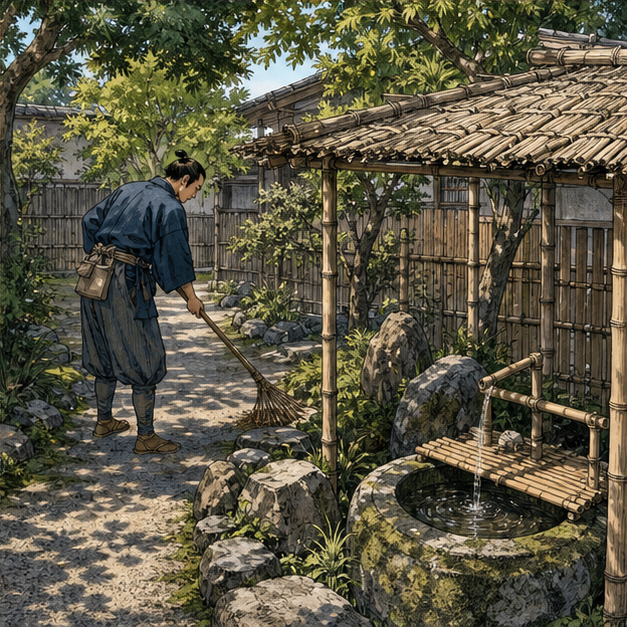
For a manga scene about gardeners, I look for the work around the main action. What is being carried, checked, repaired, or prepared? Those details let the setting do some of the storytelling.
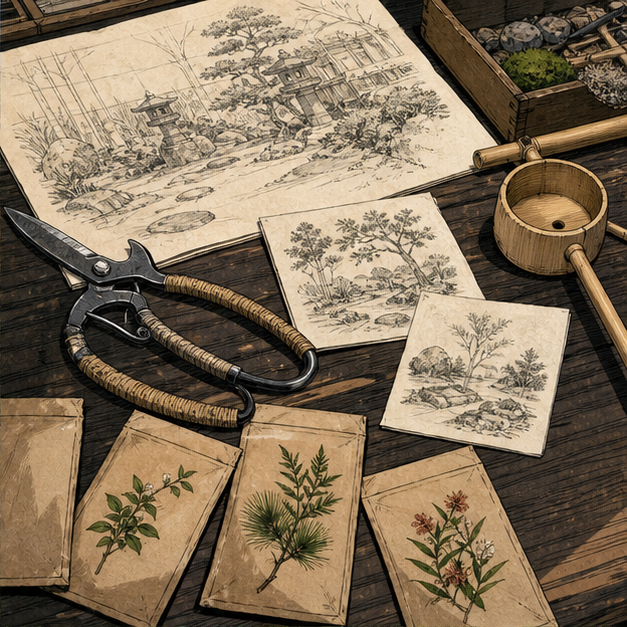
A garden in an Edo-period setting is not just scenery. Paths, water, shade, tools, and seasonal care can all tell a quiet story about how a place is used.
Gardeners are a reminder that history is made of ordinary systems as well as famous events. When we follow the work that keeps a day moving, the past starts to feel inhabited.
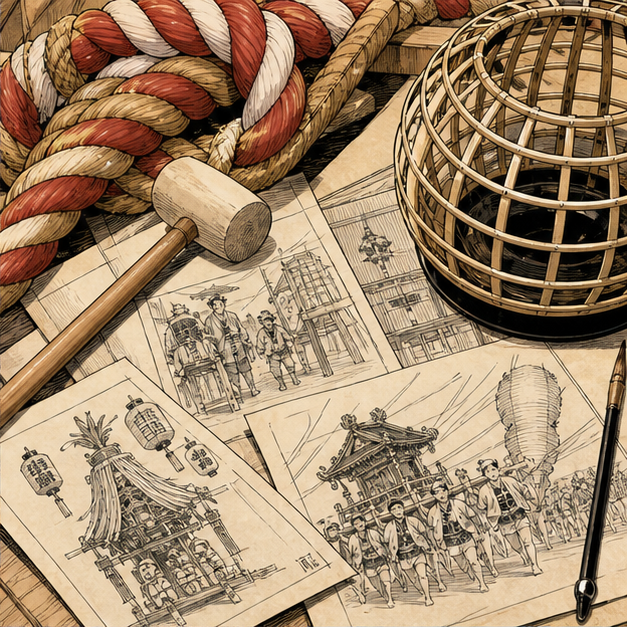
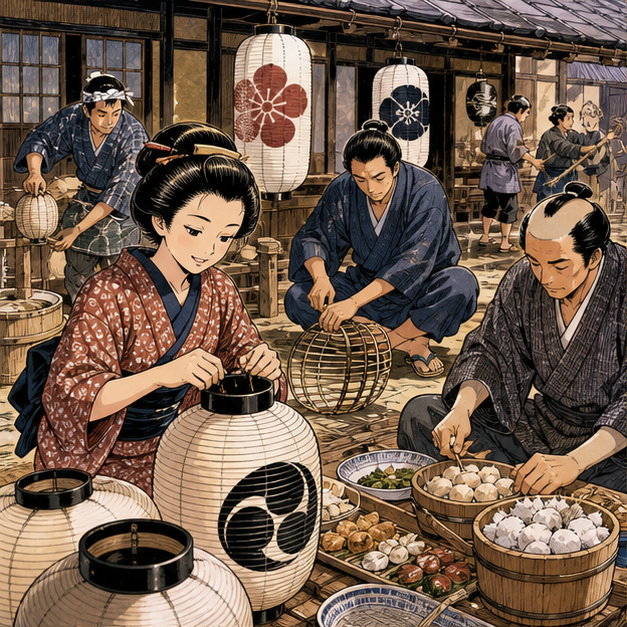
For a manga scene about festival preparation, I look for the work around the main action. What is being carried, checked, repaired, or prepared? Those details let the setting do some of the storytelling.
The most interesting part of a festival scene may be the preparation: carrying, cooking, cleaning, planning, and the many small jobs that make celebration possible.
Festival Preparation are a reminder that history is made of ordinary systems as well as famous events. When we follow the work that keeps a day moving, the past starts to feel inhabited.
If you stepped into a scene about festival preparation, what would you notice first?
1. a tool
2. a sound
3. clothing
4. a sign of work in progress
Small details are often the fastest doorway into old Japan.