After careful consideration, we have decided to stop posting on X.
Recent platform changes have reduced our ability to effectively share evidence-based science and engage in meaningful dialogue.
Follow us on Threads for ongoing updates 👉https://t.co/VYnaNtM3yi
💡 Why is ecological mangrove restoration the best approach?
Ecological restoration = holistic
🌳 It’s about ensuring you create the best conditions for natural regeneration, leading to long-term benefits for both nature and communities.
Learn more ➡️ https://t.co/rjVHDAaBDX
⚠️Are your planting efforts failing again and again?
Here are a few potential causes.
🔍Need additional support? MAP's methods are rooted in #science, driven by the #community, and deliver #sustainable results.
Let’s work together 👉 https://t.co/agxtkFEgPd
📣 We’re thrilled to hear that @BEDS15 has been awarded the #EquatorPrize 2024 from @equatorinit.
We’ve worked with BEDS for many years and are always inspired by their dedication to #mangrove#conservation, #education, and awareness.
🏆 Congratulations from all of us at MAP!
⚠️ 80% of mangrove planting projects fail!
In the second part of their #MangroveRestoration video series, @WetlandsInt and @Mangroves explore reasons why, as well as ways to ensure your restoration efforts are successful.
Watch here 👉 https://t.co/lp0jsYEbns
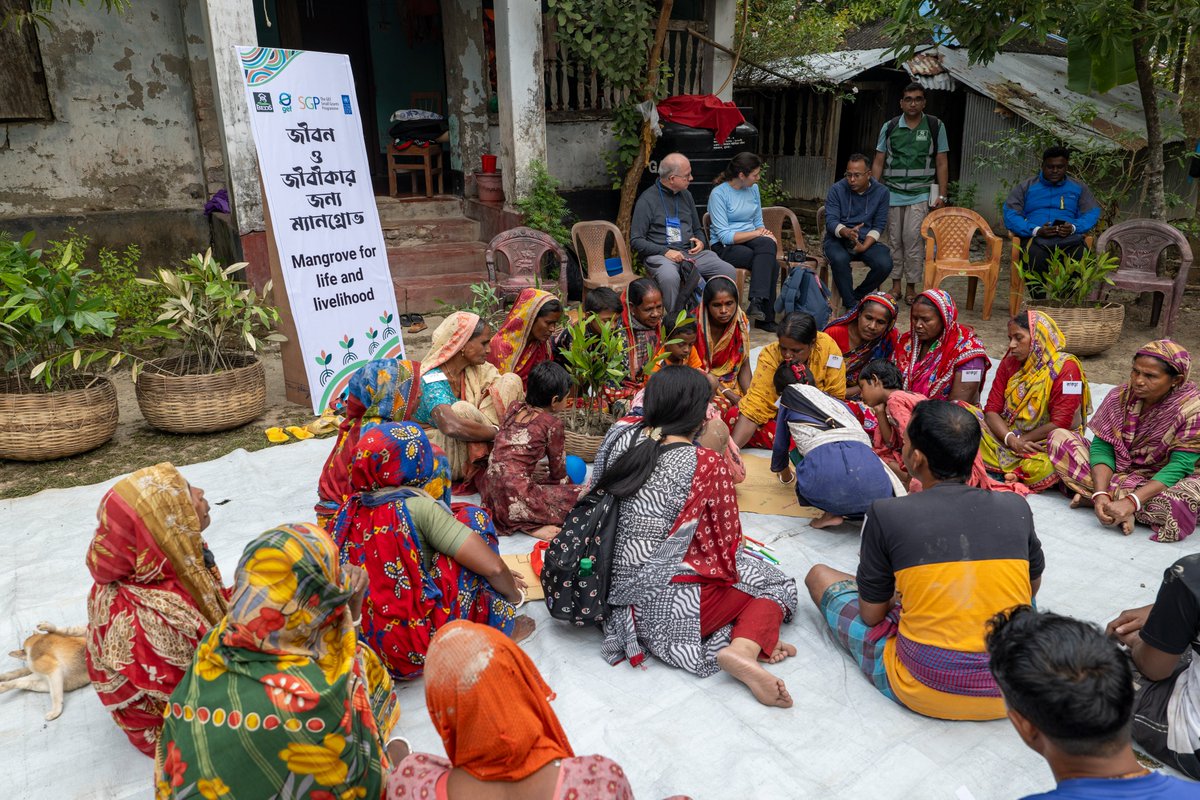
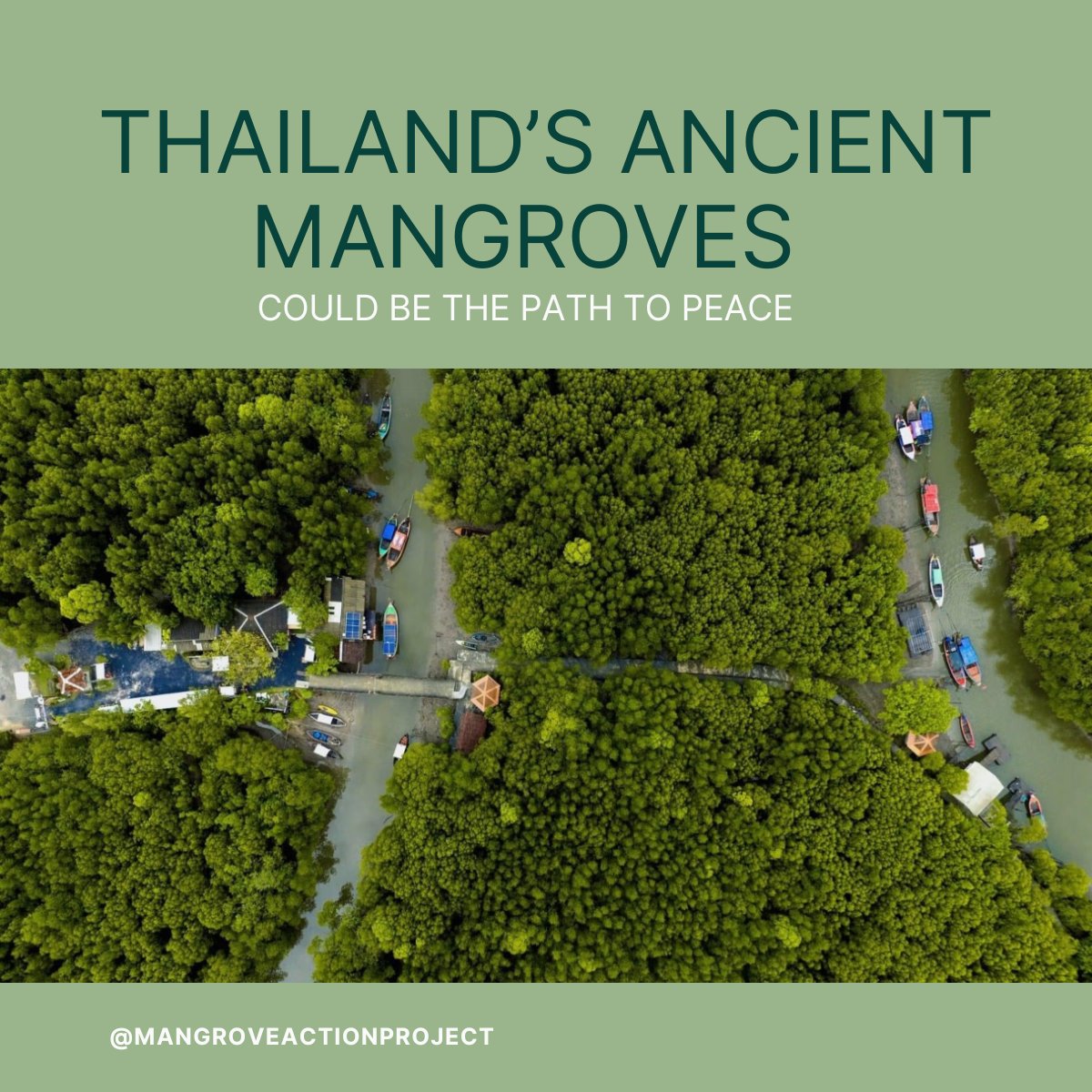
🇹🇭This group in Tung Yee Peng, Thailand is the ultimate example of why we must empower local #communities to protect mangroves.
When the practice of harvesting #mangrove trees was banned, villagers came up with an innovative alternative.
Read more 👉 https://t.co/KWy82rT3kc
🐊 From drone pilots navigating dense forests to #researchers braving wildlife encounters, protecting #mangroves isn't easy.
But it's inspiring to see #conservationists using cutting-edge tech and old-fashioned grit to monitor critical habitats.
👉 https://t.co/vtntdRUjft
🎥 We’re proud to collaborate with @WetlandsInt and @Mangroves to produce a series of videos highlighting #mangrove#restoration best practices.
Videos are available in English, French, Bahasa, Portuguese, and Spanish.
Start here 👉 https://t.co/JPSWXejG3v
👀 Today we appreciate mangrove tannins for their role in protecting trees from bacteria and fungi.
Still, this shows just how long humans have been harvesting mangroves for #commercial use and why we should keep an eye out for new, potentially destructive, ways of doing so.
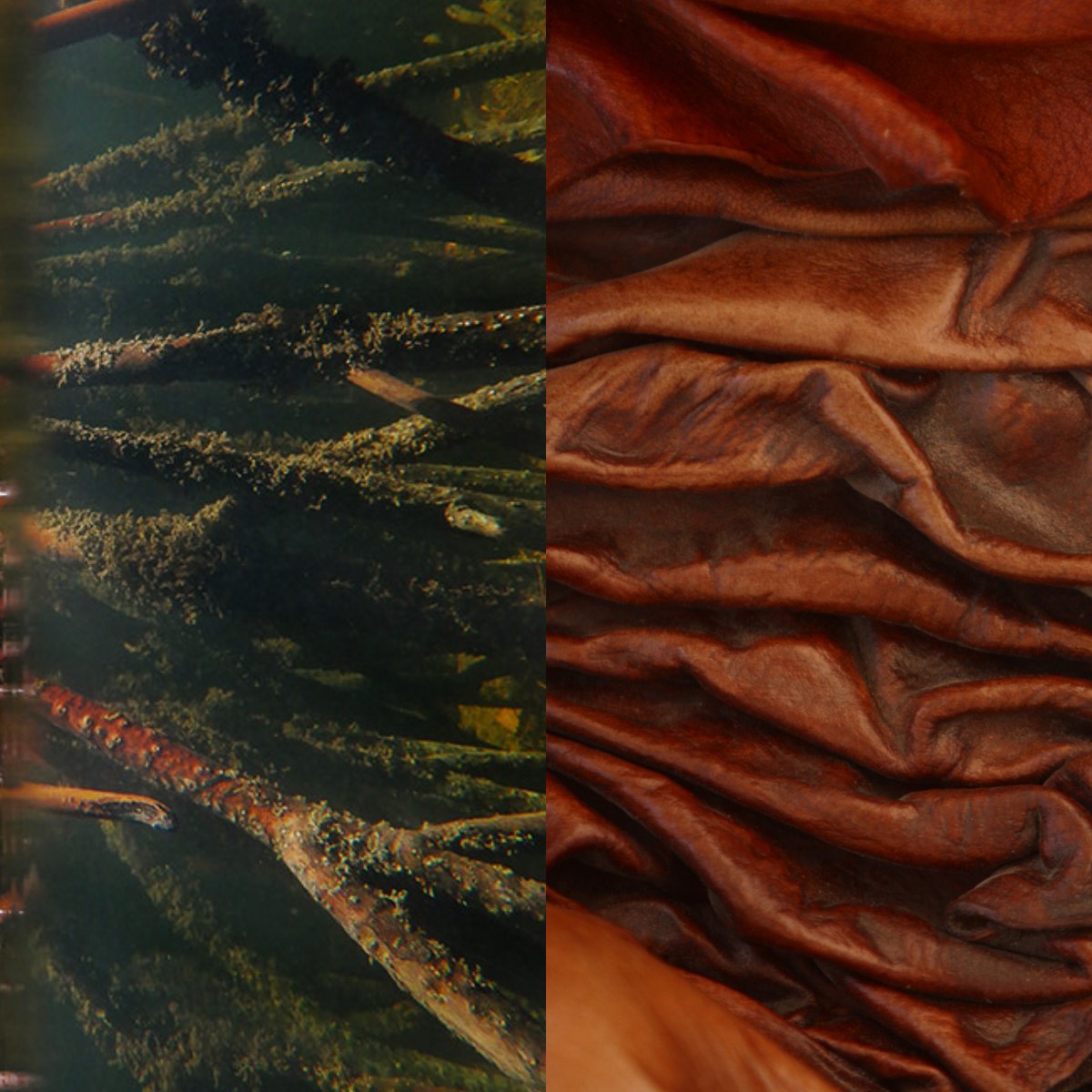
🧥 Did you know the fascinating link between #mangroves & #fashion?
Before synthetic alternatives, mangrove bark was a prized source of tannins for #leather production.
🪵 This practice dates to the 19th and early 20th centuries, with red #mangrove#species (Rhizophora) being particularly valued for their high tannin content. 👇
🇧🇲 Bermuda’s largest #mangrove#forest has received greater protection with the completion of a large seawall following Hurricane Ernesto.
Local groups also plan to try new planting methods, which, together with the seawall, will help expand and sustain coverage in the area.
These habitats support a high diversity of #species, many of which are threatened or endemic.
🪿 They’re also valuable breeding and feeding sites for billions of migrating birds.
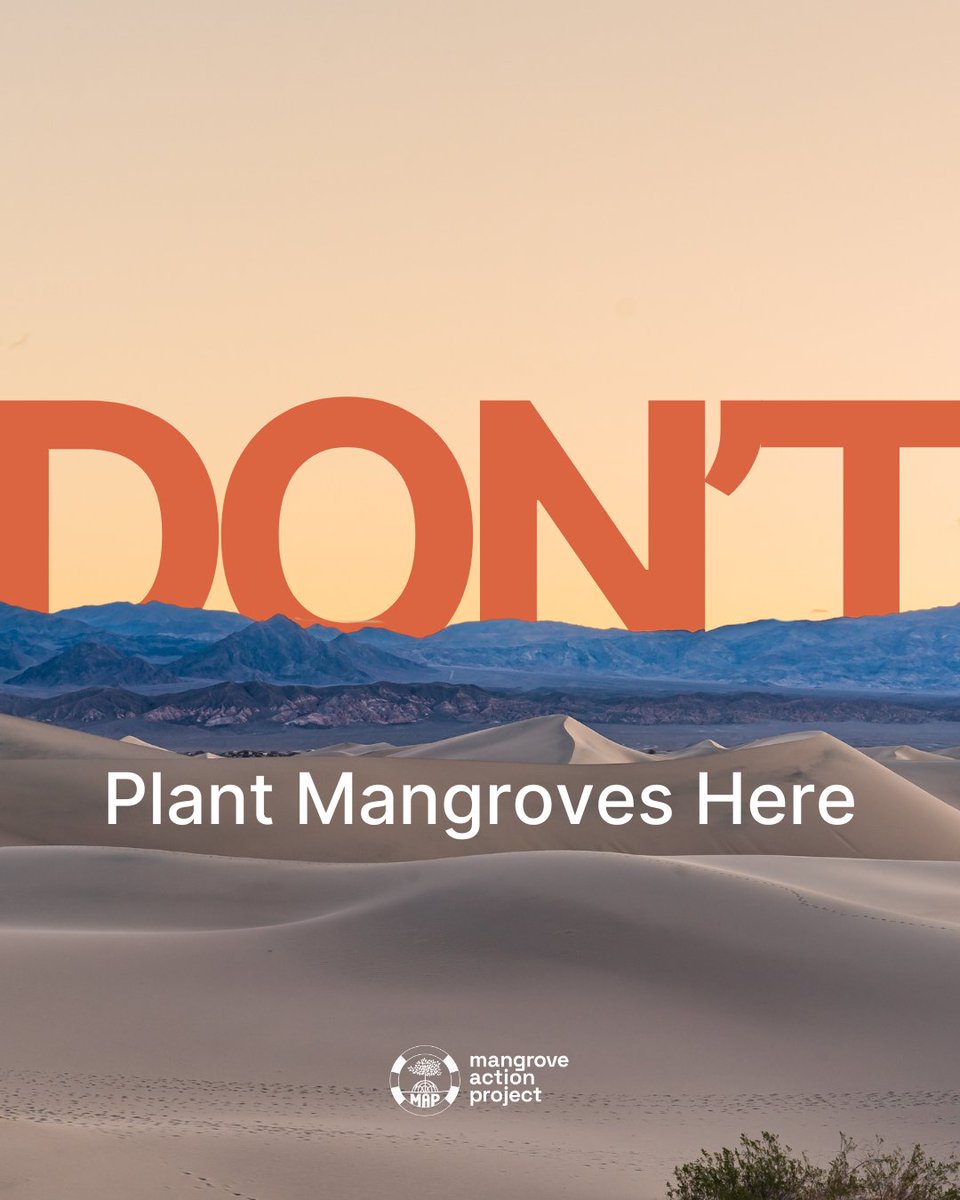
Planting on these internationally important sites could contribute to their further decline.
Does your #mangrove site sit adjacent to one of these #wetland habitats?
❌ Intertidal mudflats
❌ Sand flats
❌ Coral reefs
❌ Seagrass beds
If so, don't plant on them! Why? 👇