For #WorldElephantDay, double your donation to connect emerging technologies to HEC mitigation.
Now through August 12, your donation is doubled up to $25,000.
Our work doesn't stop when the sun sets.
During the crop growing season, the calls come in through the night. Communities across the Mara report elephants in and around their farms, raiding crops that represent an entire season's work.
Mara Elephant Project rangers deploy. The drone goes up first - thermal vision cutting through the darkness, locating the herd, assessing the situation before rangers reach the scene.
We use drone technology to effectively move the elephants away from the farms and back to a safer landscape.
By donating today, you invest in trained drone pilots with an aerial fleet that rapidly responds to keep people and elephants safe.
Let’s raise $50,000 for World Elephant Day. Your $1 gift instantly becomes $2!
Your generosity today makes a connection for elephants tomorrow.
Protect elephants, connect open spaces and promote coexistence. Donate today: https://t.co/RsoKuFcxhj
For #WorldElephantDay, double your donation to connect landscape changes to elephant movement.
Now through August 12, your donation is doubled up to $25,000.
Every fence. Every road. Every shift in land use across the Mara — we map it.
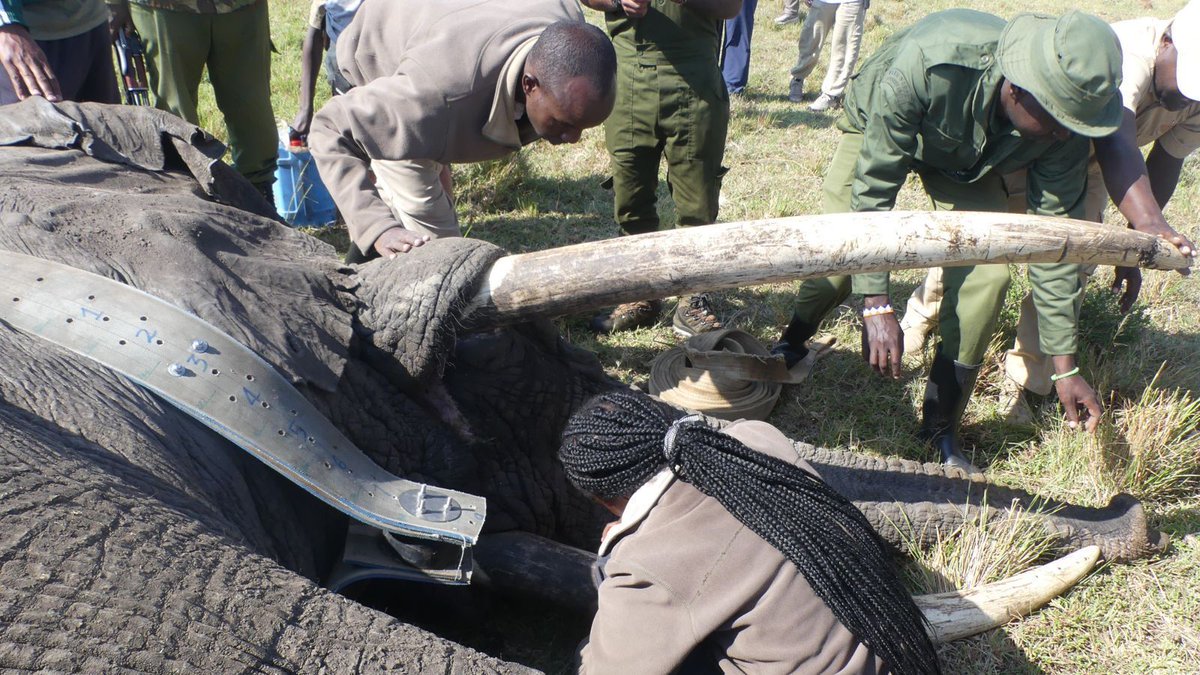
Mara Elephant Project's data team continuously tracks changes across the landscape, building a comprehensive picture of how land is being used and where human-elephant conflict is most likely to occur.
That data doesn't just inform our daily operations, it shapes the future for people and elephants that call the Mara home.
By donating today, you invest in MEP’s ability to connect resources with areas where wildlife and communities are most at risk.
Let’s raise $50,000 for World Elephant Day. Your $1 gift instantly becomes $2!
Your generosity today makes a connection for elephants tomorrow.
Protect elephants, connect open spaces and promote coexistence. Donate today:
https://t.co/RsoKuFcxhj
@wrldelephantday
For #WorldElephantDay, double your donation to connect emerging technologies to HEC mitigation.
Now through August 12, your donation is doubled up to $25,000.
Growing up alongside human-elephant conflict could have made Sylvia Pemba resent the very animals Mara Elephant Project works to protect. It did the opposite.
Today she is a MEP ranger trained to deploy drones that provide a solution.
By donating today, you invest in trained drone pilots with an aerial fleet that rapidly responds to keep people and elephants safe.
Let’s raise $50,000 for World Elephant Day. Your $1 gift instantly becomes $2!
Your generosity today makes a connection for elephants tomorrow.
Protect elephants, connect open spaces and promote coexistence. Donate today: https://t.co/RsoKuFcxhj
@wrldelephantday
For #WorldElephantDay, double your donation to connect coexistence with wildlife to community livelihoods.
Now through August 12, your donation is doubled up to $25,000.
Ripe crops tempt even the most passive elephants, but elephant-friendly farming might be the solution.
Mara Elephant Project is connecting elephant-friendly farming practices that empower people to earn a living with the need for wildlife to pass through.
By donating today, you invest in a solution that benefits the elephants and people that call the Mara home.
Let’s raise $50,000 for World Elephant Day. Your $1 gift instantly becomes $2!
Your generosity today makes a connection for elephants tomorrow.
Protect elephants, connect open spaces and promote coexistence.
Donate today: https://t.co/RsoKuFcxhj
@wrldelephantday
A routine sighting can reveal extraordinary insights.
During this monitoring session, Mara Elephant Project’s long-term monitoring (LTM) team identified two known elephants, Individuals 59 and 88, among the herd. Recognizing familiar faces is just one part of their work.
Regular monitoring allows our research team to track herd dynamics as they change over time, understand movement patterns, confirm that known individuals are safe and healthy, and expand our database by cataloging new individuals. Together, these observations build a long-term picture of the Mara's elephant population, helping inform conservation decisions that protect elephants for generations to come.
Are elephants becoming desensitized to drones? It's a question Mara Elephant Project receives a lot. Here's our answer.
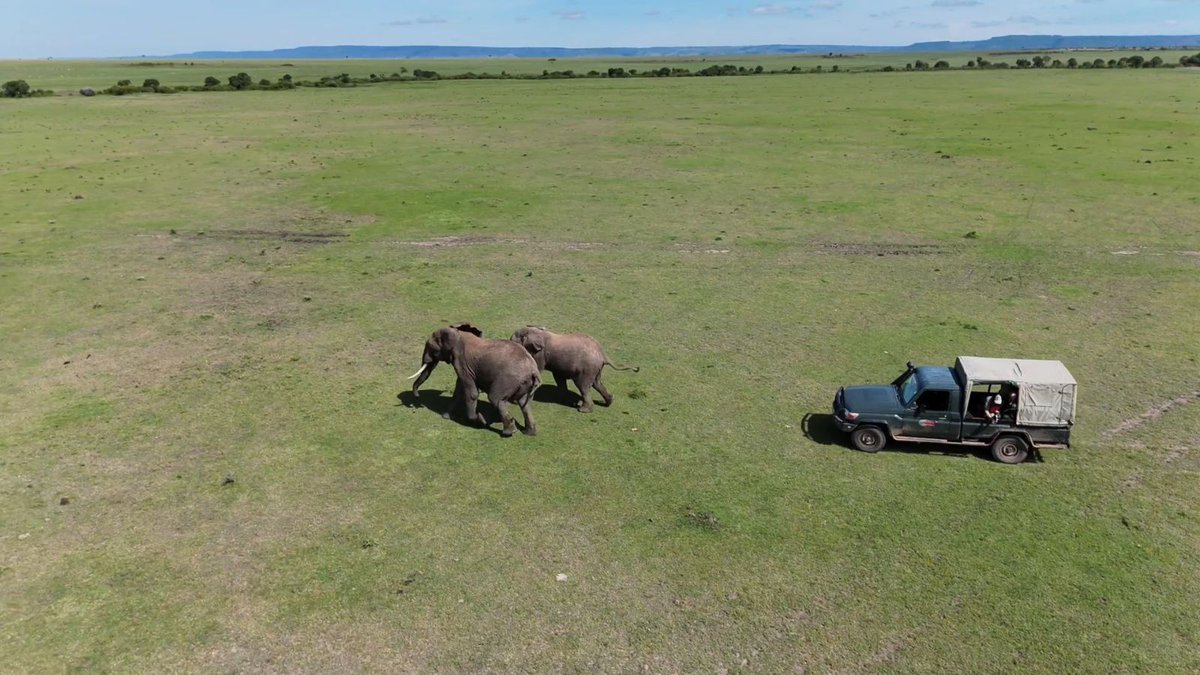
As you can see in this video, elephants will sometimes stand their ground or display confident behavior when a drone approaches, as they would with any annoyance or perceived threat. However, in most cases, including this one, they choose to move away, allowing our pilots to guide them back toward safer land.
So, are elephants becoming desensitized to drones? The numbers say no. Drones remain one of the most effective tools for mitigating human-elephant conflict (HEC) and have completely transformed our approach. Today, they are used to mitigate 60% of all HEC incidents that MEP responds to, particularly in dense farmland where vehicles cannot safely reach.
Based on what we're seeing in the field, elephants continue to respond to drones, and this technology continues to transform how we protect both communities and wildlife.
By combining technology with experienced pilots and rapid response, we're creating safer outcomes for people and elephants alike.
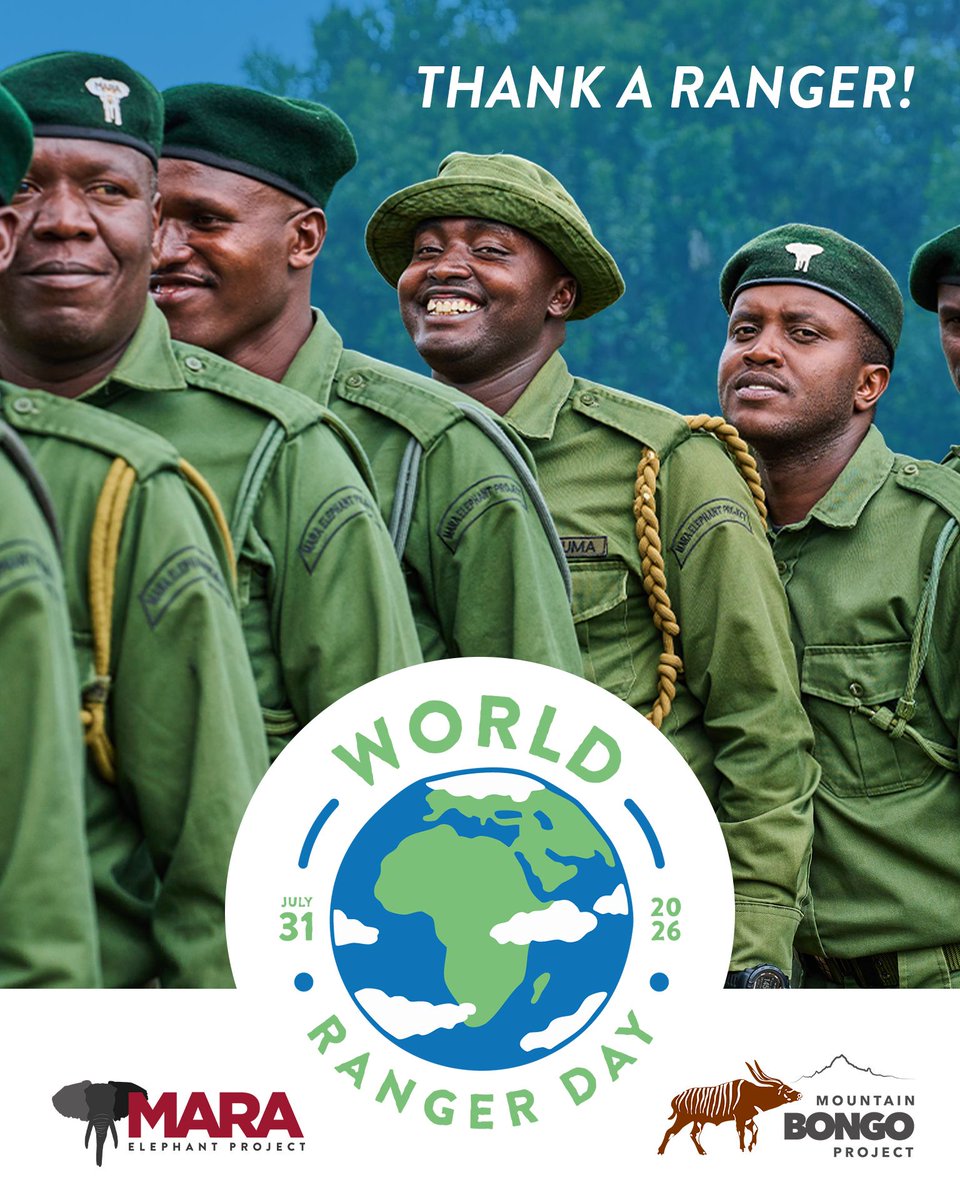
Today, we celebrate the people whose courage, compassion, and commitment help keep Kenya's wildlife safe.
Happy #WorldRangerDay to the incredible men and women of Mara Elephant Project and Mountain Bongo Project. Whether they're responding to human-wildlife conflict, monitoring elephants, protecting critical habitat, or patrolling mountain bongo forests, their dedication makes coexistence possible.
To every ranger who has devoted their life to this work, thank you. Your resilience inspires us, your commitment gives us hope, and your impact reaches far beyond the landscapes you protect.
And to everyone who has sent a message of appreciation this month, thank you. Your words have reminded our ranger teams that their work is recognized and valued by people around the world.
There’s still time to send a thank you message to the men and women protecting the Mara’s wildlife. Send your message today: https://t.co/0L1hXJysgq
Happy World Ranger Day.
The Fran Duthie African Elephant Conservation Scholarship administered by Mara Elephant Project continues to support and shape the next generation of conservation leaders across Kenya, investing not only in education, but also in the skills, leadership, and opportunities needed to create lasting conservation impact.
Since becoming a Fran Duthie Scholar, Amos Baari has continued to grow as both a researcher and conservation leader. Currently pursuing a Master's degree in Climate Change Adaptation at the University of Nairobi, his work focuses on understanding how climate-induced land-use changes are affecting elephant migratory corridors across the Greater Mara Ecosystem.
"The scholarship gave me the financial freedom to design robust field research without compromising the quality of my work."
Beyond his studies, Amos now serves as Chair of the Linda Msitu Steering Committee, where he works alongside local communities, pastoralists, and conservation partners to strengthen community-led forest conservation and sustainable financing initiatives around the Loita Forest.
His research combines spatial mapping with community knowledge to help identify and protect critical wildlife corridors while supporting climate-resilient land-use planning.
"The biggest shift in my journey has been realizing that protecting elephant corridors depends on supporting the livelihoods of the people who live alongside them."
Looking ahead, Amos hopes to complete his Master's research, help keep key migratory pathways open across the Mara landscape, and establish an environmental youth club in Narok County to inspire the next generation of conservation leaders.
Like many Fran Duthie Scholars, Amos' journey reflects how investing in young conservationists can create meaningful impact, from research and leadership to stronger partnerships between people and wildlife.
@Elephanaticsbc
Stay connected to the herd.
Keep up with rescue stories, conservation updates, and the people behind the work.
Sign up for Mara Elephant Project emails to follow the journey: https://t.co/p824OX21qo
Rangers are the guardians standing between wildlife and the threats they face.
This #WorldRangerDay, take a moment to recognize the men and women of Mara Elephant Project and Mountain Bongo Project who dedicate their lives to protecting elephants, mountain bongos, and the landscapes they call home. Through July 31, we're collecting messages of appreciation and sharing them with our ranger teams.
Your words of encouragement will be read aloud to the rangers in the field, reminding them that their courage, commitment, and commitment to conservation are recognized and appreciated.
Join us in honoring the people who safeguard the wildlife we all cherish.
Send a message now: https://t.co/0L1hXJysgq
Calling all teachers! Start the school year with an unforgettable classroom experience.
Give your students the opportunity to meet a Mara Elephant Project ranger or researcher through a FREE live Zoom session.
Thanks to @elephanaticsbc, students can connect directly with Kenyan conservationists protecting elephants and wildlife on the front lines, giving them a unique, real-world learning experience they won't forget. Plus, teachers can access free lesson plans to continue learning long after the session ends.
Classroom visits fill quickly once the school year begins, so reserve your spot early!
Learn more and sign up:
https://t.co/IbGUgpSCn2
@snehaa_r Hello from Kenya! Thank you for your question. All of our ranger teams are named using a phonetic alphabet, and the term for 'I' is India. Some of our other ranger teams include Alpha, Bravo, Charlie, and Delta!
During a routine patrol, Mara Elephant Project’s ‘India’ ranger team came across this elephant mother and her very curious, very spirited calf.
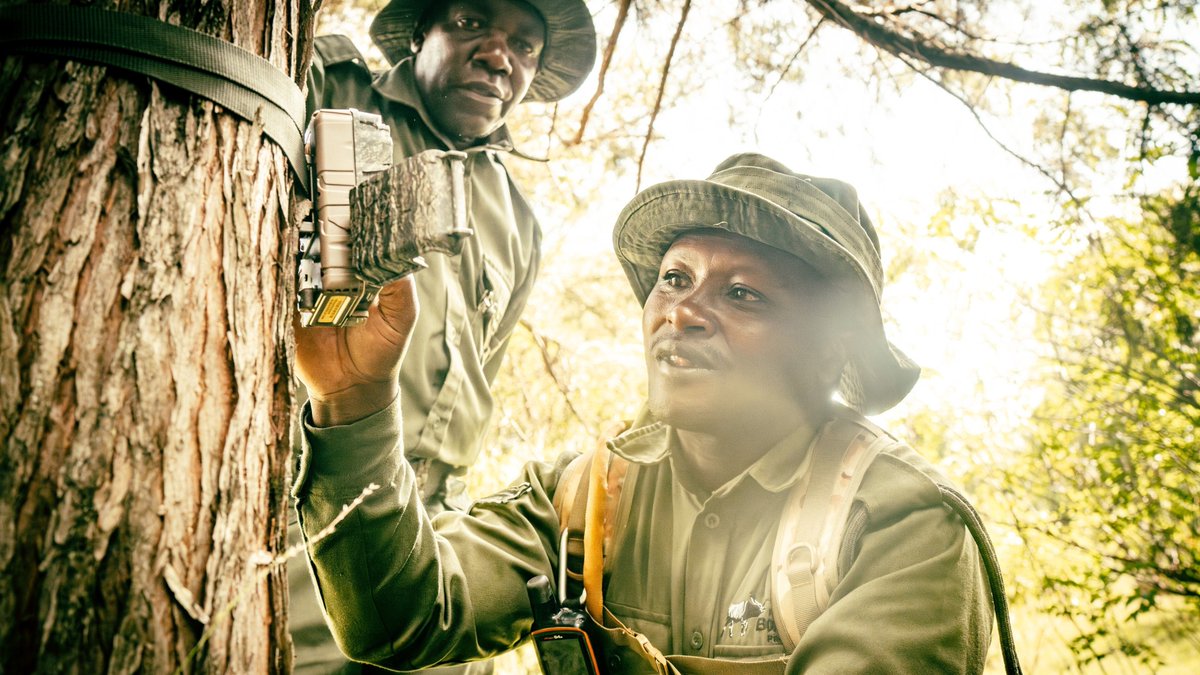
The ‘India’ team is one of our most versatile ranger units. Their work often supports the Mountain Bongo Project, from patrolling forests to checking and replacing camera traps, but Kenya's forests are home to far more than mountain bongos. The same patrols that help protect this critically endangered antelope also monitor elephants and countless other species that share these landscapes.
Elephant sightings provide valuable information for monitoring populations and understanding herd demographics. Encounters with mothers and calves offer important insights into the health of the population and are always a highlight for the rangers who spend their days protecting these incredible animals.
With #WorldRangerDay just around the corner, there's no better time to celebrate the dedication of the teams working tirelessly to protect wildlife and the landscapes they call home. That’s why we’re collecting thank-you messages from supporters around the world to read out loud to our rangers in the field.
If you'd like to thank a MEP or Mountain Bongo Project ranger for their commitment, you can send a message here: https://t.co/0L1hXJysgq
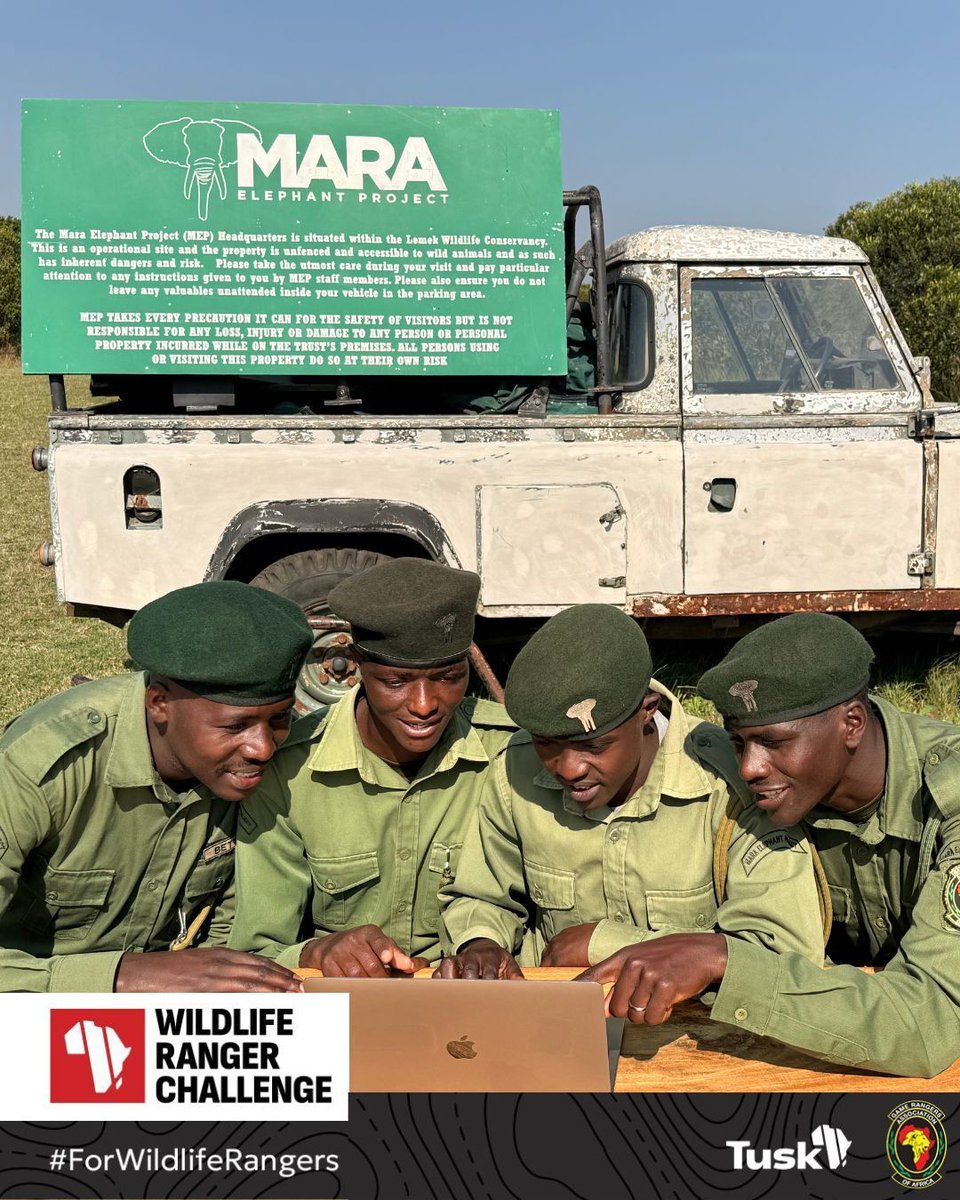
The road to the 2026 #WildlifeRangerChallenge is underway!
This week, the Mara Elephant Project ‘MEP Bulls’ team took on the first challenge of the competition: the quiz; testing their knowledge of the African Ranger Congress Action Plan, ranger fitness, and professional standards.
Developed by more than 150 rangers from 20 African countries at the 2025 African Ranger Congress, the Action Plan is a shared commitment to strengthening the ranger profession. It calls for greater investment in ranger welfare, high standards of conduct and professionalism, equal opportunities, stronger partnerships, and continued service to both people and nature.
Now we're waiting for the results, and wishing the best of luck to the MEP Bulls! If you'd like to support them on their Wildlife Ranger Challenge journey and help invest in the future of Africa's wildlife rangers, visit this link: https://t.co/g6LELYvF4u
#WildlifeRangerChallenge #ForWildlifeRangers
@gamerangersassociationofafrica @tusk_org
Your support continues to make conservation possible.
Read Mara Elephant Project’s second quarter newsletter to discover how global partnerships, advanced technology, and dedicated ranger teams are protecting elephants and communities across the Mara.
Read now: https://t.co/CJbccwLigu
What would you say to someone who dedicates their life to protecting elephants?
This #WorldRangerDay, we're inviting you to send a message of thanks to the remarkable men and women on the frontlines of conservation, like Mara Elephant Project ranger Edward Kuyo.
As Edward says, "To me, being a ranger means being a guardian that protects and preserves the wildlife and communities in the Mara."
Your message will be shared directly with our ranger teams and read aloud in the field, reminding them that their dedication is seen and appreciated by people around the world.
Take a moment to thank a ranger today.
https://t.co/0L1hXJysgq
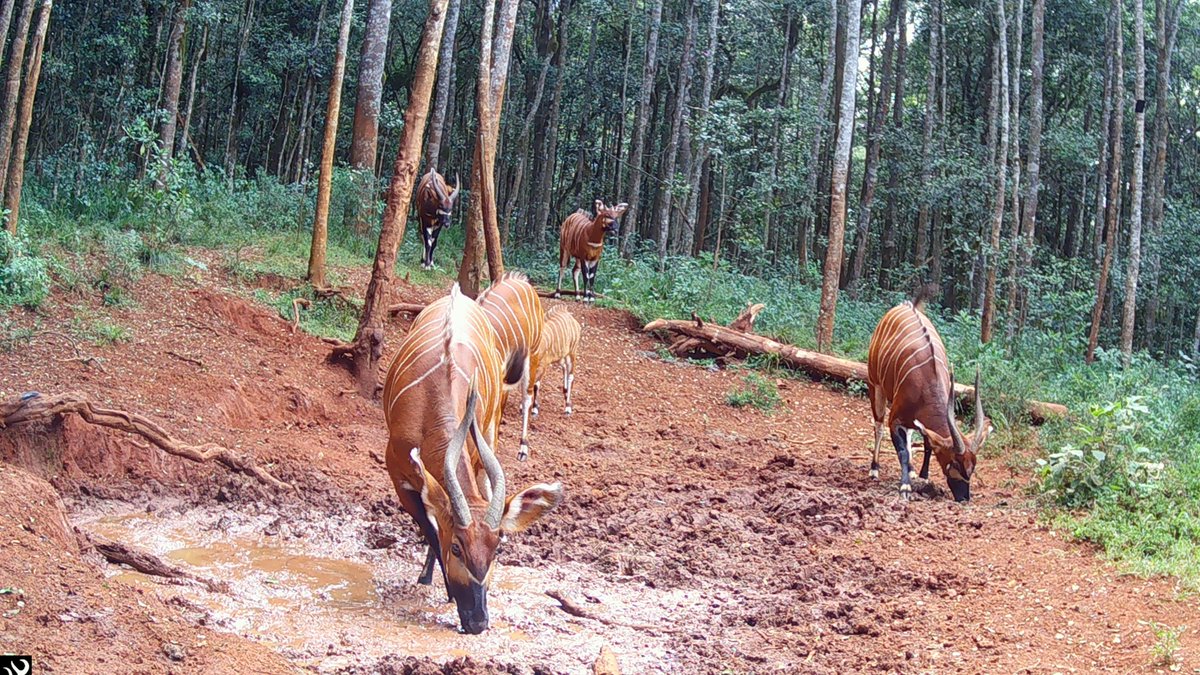
How do you monitor one of the world's rarest antelopes?
It starts with the dedicated rangers who hike through dense forests to maintain a network of camera traps.
One of the mountain bongos regularly photographed by those cameras is F1, pictured here. She is easily recognized by her distinctive overlapping horns. By comparing each bongo's unique markings and features, the Mountain Bongo Project team can identify individuals, monitor their movements, build long-term records, and better understand Kenya's last remaining wild mountain bongos.
This #WorldRangerDay, we're celebrating the people behind these sightings. If you'd like to thank the rangers protecting mountain bongos, you can leave them a message at the link below. Your note will be shared directly with Mountain Bongo Project teams and read aloud in the field.
https://t.co/0L1hXJysgq
The road to the 2026 #WildlifeRangerChallenge has officially begun!
The Wildlife Ranger Challenge, organized by @Tusk_Org and the @GameRangersAssociationofAfrica, is an annual pan-African event that celebrates and supports the work of wildlife rangers. Ranger teams from across the continent complete a demanding 21 km race in full field gear while raising awareness of the vital role rangers play in protecting wildlife, supporting communities, and promoting coexistence.
Strength, endurance, and determination were on full display as Mara Elephant Project rangers took on the pre-selection race at HQ last week. More than 10 rangers tackled a grueling 21 km race, each carrying a 22 kg (48.5 lbs.) pack, pushing themselves to the limit for a chance to represent MEP in this year’s competition.
After an incredible display of resilience, we are proud to announce this year's team: Cosmas Bett, Jackson Musukut, Andrew Karia, and Felix Kuyioni, aptly named the ‘MEP Bulls’. The team's morale is high, the training has only just begun, and the first milestone is just around the corner.
This year, we're aiming to raise $5,000 to equip MEP’s ranger team with essential field gear. Your support helps provide the tools our rangers need to continue protecting wildlife and communities across the Mara ecosystem. As a bonus, if you give today the Scheinberg Relief Fund will match every dollar donated, amplifying your impact.
Donate today and stand with #TeamMEP: https://t.co/g6LELYvF4u
#ForWildlifeRangers
Have you ever wanted to directly thank the men and women who have committed their lives to protecting wildlife?
This #WorldRangerDay, you have the opportunity to share your appreciation with the rangers of Mara Elephant Project and Mountain Bongo Project, who work tirelessly to protect elephants, mountain bongos, and the habitats they all depend on. Through July 31, we're collecting thank you messages and delivering them directly to our ranger teams.
Your words of encouragement will be read aloud to the rangers in the field, reminding them that their courage, commitment, and dedication to conservation are recognized and appreciated.
Join us in celebrating the people on the frontlines of wildlife conservation and send a message of thanks today: https://t.co/0L1hXJysgq
A single rosemary harvest is helping shape the future of coexistence.
This quarter, women participating in MEP's elephant-friendly farming program harvested more than 4,400 kg (9,700 lbs.) of rosemary, marking a major milestone for coexistence in the Greater Mara.
Read our latest farm update to see how this first harvest, expanding communities, and new opportunities are helping shape the future of conservation: https://t.co/vjWOeELU9J