Bitcoin embodies the most powerful tool for financial sovereignty, economic resilience, and human freedom in the world. @MARA is committed to protecting it.
Bitcoin's post-quantum transition isn't just a technical challenge—it raises fundamental questions about coordination, governance, and the constitutional values we choose to enshrine through Bitcoin's code.
In partnership with Bitcoin Rails, Head of MARA Foundation @isabelfoxenduke sits down with @nic_carter to explore the deeper questions raised by a potential post-quantum transition—and the delicate politics surfacing as this conversation unfolds.
Bitcoin Rails x MARA Foundation presents:
THE POLITICS OF POST-QUANTUM BITCOIN | with Nic Carter
🔗 YouTube: https://t.co/ORp2OW37we
🌿Spotify: https://t.co/QIAjnZN4WP
Less than nine months ago, investor and researcher
@nic_carter sparked one of the most heated debates in Bitcoin's recent history — when he published a series of essays arguing that the network should prepare for its post-quantum transition sooner rather than later.
While the essays broadly persuaded investors and institutions, many of Bitcoin's technical leaders dismissed them as alarmist — that is, until Google's quantum resource estimates were updated just a few months later.
Crediting Google's paper with "shifting the Overton Window" on quantum and strengthening the case for post-quantum preparation, Nic shares his thoughts on the delicate politics surrounding this transition — and how he believes a quantum attack and response could potentially play out in practice.
In more detail, this special episode of Bitcoin Rails X MARA Foundation TV covers:
- How a quantum attack could realistically unfold + the different ways stakeholder groups might respond
- The constitutional tensions surfaced by quantum vulnerable coins and how incentives will ultimately dictate outcomes
- How a state actor could facilitate "benevolent" quantum recovery and eliminate the need for a contentious fork - The role and influence of institutional investors as key players in quantum outcomes
- How Bitcoin's post-quantum transition could permanently reshape Bitcoin’s governance structures ...or build them from the ground up
TIMESTAMPS:
00:00 — Intro
00:18 — Nick's path from Fidelity to founding Castle Island
07:00 — How quantum went from FUD to Nick's biggest concern
12:45 — Why Core devs refuse to be accountable
26:09 — Investors vs developers: who took quantum seriously first
32:33 — Bitcoin's "pre-constitutional" governance problem
39:18 — Satoshi's coins: liquidate, burn, slow-bleed, or let the government take them
47:36 — Why there will never be another Bitcoin fork war
01:01:35 — Bitcoin is about to choose the wrong signature scheme
01:09:42 — The actual deadline: why PQ signatures need to ship in 2026
01:13:09 — The happy path, the coup, and why Bitcoin won't die
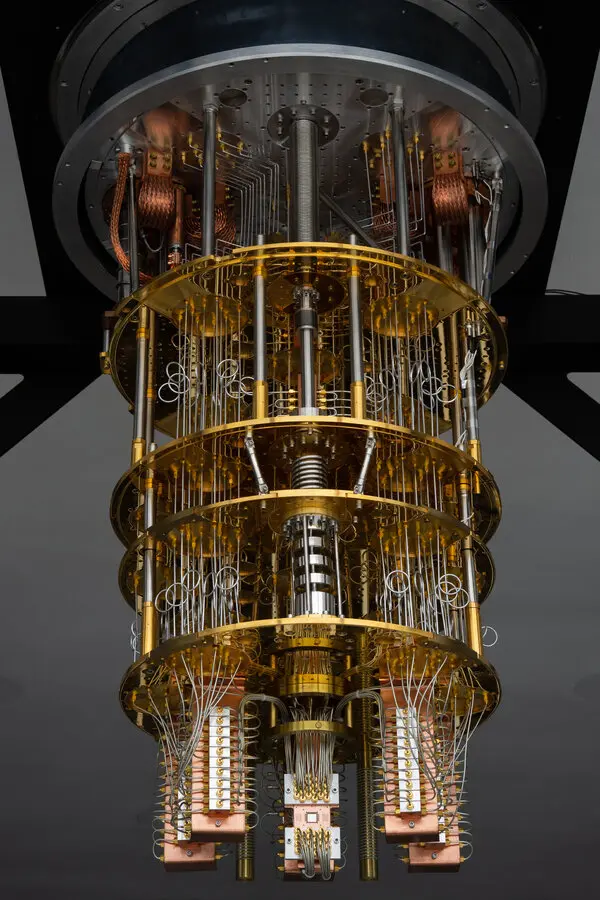
We're watching the race between neutral atoms and super-conducting qbits closely.
Neutral atoms is picking up speed on account of its promise for scaling—and gaining ground on investments from Google and other major players. Looking forward to see what leader @TeamOratomic makes happen here.
@TeamOratomic has raised $300M to build the world’s first fault-tolerant quantum computer.
Now we’re growing the team to make it happen. We’re looking for extraordinary people to join us in pursuing one of the defining technological achievements of our generation.
Details: https://t.co/UnTVNoYpsc
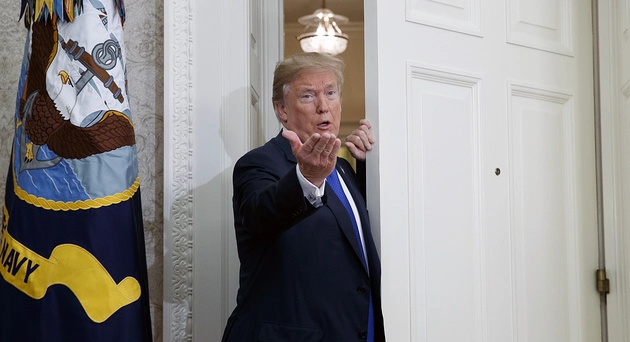
Last month, President Trump signed two executive orders on quantum readiness for the US.
Today, the White House hosted a Summit on Quantum Innovation 👉
The White House convened its closed-door Summit on Quantum Innovation today.
The government is now putting hard dates on when its own encrypted data has to be quantum-safe.
🧵
Head of MARA Foundation & BIP 360 co-author @isabelfoxenduke will be leading the Bitcoin Quantum Resistance panel at @btcplusplus TORONTO
PANEL SPEAKERS INCLUDE:
@conduition_io — PQ Cryptography @bitcoinbrink@nadav_kohen — Cryptography @ChaincodeLabs@tdryja — Creator of the Lightning Network & "Lifeboat" Quantum rescue
Grab your ticket at https://t.co/VBM3f9NKEO
JUST IN 📜: Isabel Foxen Duke (@isabelfoxenduke) of Bitcoin Rails to speak at bitcoin++ Toronto, consensus edition this coming July 22 - 24, 2026
~~Quantum BIPs Showdown~~
Join us 👉 https://t.co/t5X6fyFEZt
Broadly credited with popularizing flare gas mining — and Bitcoin mining directly at the source of energy generation, e.g. oil and gas sites — @SGBarbour helped lay the groundwork for reframing Bitcoin miners as load-balancing tools rather than simple energy consumers.
Tomorrow he shares the story of how flare gas mining was born, and its implications for Bitcoin, miners and energy producers like.
Drivechains author @Truthcoin explains why moving payments to layer 2s disrupts mining incentives—if merge mining isn't implemented on the second layer.
"We don't want there to be a tug of war between miners collecting L1 fees and some other person [collecting fees for an L2]."
cc @LayerTwoLabs@isabelfoxenduke
MFTV #10: Miner-Aligned Scaling Solutions for Bitcoin | with Drivechains author, Paul Sztorc
🔗 YouTube: https://t.co/2vMfEizGoB
🌿 Spotify: https://t.co/RRcDJ66yuS
CEO of @LayerTwoLabs, Paul Sztorc (@truthcoin), first proposed the Drivechains upgrade (BIP300/301) to enable Bitcoin-native Layer 2s that are trustless and economically aligned with miners.
Today, Paul joins Head of MARA Foundation @isabelfoxenduke to explain why he believes most current thinking around Bitcoin scaling—including Lightning—is fundamentally misguided, and why many proposed L2s will never generate enough value for Bitcoin's long-term security budget.
We also dive into the political history of Bitcoin soft forks—from SegWit to Taproot—what needs to change in the BIP process, and why Paul believes mining pools, not just Core developers, should play a much larger role in Bitcoin governance.
A fascinating conversation on Bitcoin scaling, miner incentives, governance, and one of the ecosystem's most debated upgrade proposals. Whether you agree with Paul or not, his arguments are among the most consistent—and provocative—in the space.
One of the more thoughtful conversations on PQ Bitcoin we've heard to date — thanks to @MARAFoundation_ and @isabelfoxenduke for putting this together and to @nic_carter for his insights on this delicate subject matter.
"Math is now moving very fast, thanks to AI. When Math moves fast... expected lifetimes of cryptographic functions goes from 30 years to six months."
According to @nic_carter, AI is accelerating math faster than at any point in history. When math moves that fast, he argues, cryptography is at risk.
“Quantum is just an accelerant on top of that.”
Bitcoin's post-quantum transition isn't just a technical challenge—it raises fundamental questions about coordination, governance, and the constitutional values we choose to enshrine through Bitcoin's code.
In partnership with Bitcoin Rails, Head of MARA Foundation @isabelfoxenduke sits down with @nic_carter to explore the deeper questions raised by a potential post-quantum transition—and the delicate politics surfacing as this conversation unfolds.
Bitcoin Rails x MARA Foundation presents:
THE POLITICS OF POST-QUANTUM BITCOIN | with Nic Carter
🔗 YouTube: https://t.co/ORp2OW37we
🌿Spotify: https://t.co/QIAjnZN4WP
Less than nine months ago, investor and researcher
@nic_carter sparked one of the most heated debates in Bitcoin's recent history — when he published a series of essays arguing that the network should prepare for its post-quantum transition sooner rather than later.
While the essays broadly persuaded investors and institutions, many of Bitcoin's technical leaders dismissed them as alarmist — that is, until Google's quantum resource estimates were updated just a few months later.
Crediting Google's paper with "shifting the Overton Window" on quantum and strengthening the case for post-quantum preparation, Nic shares his thoughts on the delicate politics surrounding this transition — and how he believes a quantum attack and response could potentially play out in practice.
In more detail, this special episode of Bitcoin Rails X MARA Foundation TV covers:
- How a quantum attack could realistically unfold + the different ways stakeholder groups might respond
- The constitutional tensions surfaced by quantum vulnerable coins and how incentives will ultimately dictate outcomes
- How a state actor could facilitate "benevolent" quantum recovery and eliminate the need for a contentious fork - The role and influence of institutional investors as key players in quantum outcomes
- How Bitcoin's post-quantum transition could permanently reshape Bitcoin’s governance structures ...or build them from the ground up
TIMESTAMPS:
00:00 — Intro
00:18 — Nick's path from Fidelity to founding Castle Island
07:00 — How quantum went from FUD to Nick's biggest concern
12:45 — Why Core devs refuse to be accountable
26:09 — Investors vs developers: who took quantum seriously first
32:33 — Bitcoin's "pre-constitutional" governance problem
39:18 — Satoshi's coins: liquidate, burn, slow-bleed, or let the government take them
47:36 — Why there will never be another Bitcoin fork war
01:01:35 — Bitcoin is about to choose the wrong signature scheme
01:09:42 — The actual deadline: why PQ signatures need to ship in 2026
01:13:09 — The happy path, the coup, and why Bitcoin won't die
Investor @nic_carter shares his view that Bitcoin would remain fully ossified if quantum were not an issue — and that a potential quantum threat is forcing changes that will require developing a "new framework" for changing Bitcoin "that doesn't currently exist."
Bitcoin Rails x MARA Foundation presents:
THE POLITICS OF POST-QUANTUM BITCOIN | with Nic Carter
🔗 YouTube: https://t.co/ORp2OW37we
🌿Spotify: https://t.co/QIAjnZN4WP
Less than nine months ago, investor and researcher
@nic_carter sparked one of the most heated debates in Bitcoin's recent history — when he published a series of essays arguing that the network should prepare for its post-quantum transition sooner rather than later.
While the essays broadly persuaded investors and institutions, many of Bitcoin's technical leaders dismissed them as alarmist — that is, until Google's quantum resource estimates were updated just a few months later.
Crediting Google's paper with "shifting the Overton Window" on quantum and strengthening the case for post-quantum preparation, Nic shares his thoughts on the delicate politics surrounding this transition — and how he believes a quantum attack and response could potentially play out in practice.
In more detail, this special episode of Bitcoin Rails X MARA Foundation TV covers:
- How a quantum attack could realistically unfold + the different ways stakeholder groups might respond
- The constitutional tensions surfaced by quantum vulnerable coins and how incentives will ultimately dictate outcomes
- How a state actor could facilitate "benevolent" quantum recovery and eliminate the need for a contentious fork - The role and influence of institutional investors as key players in quantum outcomes
- How Bitcoin's post-quantum transition could permanently reshape Bitcoin’s governance structures ...or build them from the ground up
TIMESTAMPS:
00:00 — Intro
00:18 — Nick's path from Fidelity to founding Castle Island
07:00 — How quantum went from FUD to Nick's biggest concern
12:45 — Why Core devs refuse to be accountable
26:09 — Investors vs developers: who took quantum seriously first
32:33 — Bitcoin's "pre-constitutional" governance problem
39:18 — Satoshi's coins: liquidate, burn, slow-bleed, or let the government take them
47:36 — Why there will never be another Bitcoin fork war
01:01:35 — Bitcoin is about to choose the wrong signature scheme
01:09:42 — The actual deadline: why PQ signatures need to ship in 2026
01:13:09 — The happy path, the coup, and why Bitcoin won't die
In response to views that quantum computing narratives are being driven by “scammers,” @niccarter shares:
“If there were no fundamental underlying driver, then the capital towards the theme would dry up — but that’s not what’s happening — the capital is exploding.”
Bitcoin Rails x MARA Foundation presents:
THE POLITICS OF POST-QUANTUM BITCOIN | with Nic Carter
🔗 YouTube: https://t.co/ORp2OW37we
🌿Spotify: https://t.co/QIAjnZN4WP
Less than nine months ago, investor and researcher
@nic_carter sparked one of the most heated debates in Bitcoin's recent history — when he published a series of essays arguing that the network should prepare for its post-quantum transition sooner rather than later.
While the essays broadly persuaded investors and institutions, many of Bitcoin's technical leaders dismissed them as alarmist — that is, until Google's quantum resource estimates were updated just a few months later.
Crediting Google's paper with "shifting the Overton Window" on quantum and strengthening the case for post-quantum preparation, Nic shares his thoughts on the delicate politics surrounding this transition — and how he believes a quantum attack and response could potentially play out in practice.
In more detail, this special episode of Bitcoin Rails X MARA Foundation TV covers:
- How a quantum attack could realistically unfold + the different ways stakeholder groups might respond
- The constitutional tensions surfaced by quantum vulnerable coins and how incentives will ultimately dictate outcomes
- How a state actor could facilitate "benevolent" quantum recovery and eliminate the need for a contentious fork - The role and influence of institutional investors as key players in quantum outcomes
- How Bitcoin's post-quantum transition could permanently reshape Bitcoin’s governance structures ...or build them from the ground up
TIMESTAMPS:
00:00 — Intro
00:18 — Nick's path from Fidelity to founding Castle Island
07:00 — How quantum went from FUD to Nick's biggest concern
12:45 — Why Core devs refuse to be accountable
26:09 — Investors vs developers: who took quantum seriously first
32:33 — Bitcoin's "pre-constitutional" governance problem
39:18 — Satoshi's coins: liquidate, burn, slow-bleed, or let the government take them
47:36 — Why there will never be another Bitcoin fork war
01:01:35 — Bitcoin is about to choose the wrong signature scheme
01:09:42 — The actual deadline: why PQ signatures need to ship in 2026
01:13:09 — The happy path, the coup, and why Bitcoin won't die
"We may not get any additional warning [about advancements in quantum computing], because self-censorship is already occurring. The government is now involved in this research, and we don't necessarily want to broadcast our status to the Chinese."
According to @nic_carter, Google's recent paper proving an optimization of Shor's algorithm—the quantum algorithm that could one day break Bitcoin's public-key cryptography—may be the final warning we receive before a cryptographically relevant quantum computer becomes a technical reality.
Bitcoin Rails x MARA Foundation presents:
THE POLITICS OF POST-QUANTUM BITCOIN | with Nic Carter
🔗 YouTube: https://t.co/ORp2OW37we
🌿Spotify: https://t.co/QIAjnZN4WP
Less than nine months ago, investor and researcher
@nic_carter sparked one of the most heated debates in Bitcoin's recent history — when he published a series of essays arguing that the network should prepare for its post-quantum transition sooner rather than later.
While the essays broadly persuaded investors and institutions, many of Bitcoin's technical leaders dismissed them as alarmist — that is, until Google's quantum resource estimates were updated just a few months later.
Crediting Google's paper with "shifting the Overton Window" on quantum and strengthening the case for post-quantum preparation, Nic shares his thoughts on the delicate politics surrounding this transition — and how he believes a quantum attack and response could potentially play out in practice.
In more detail, this special episode of Bitcoin Rails X MARA Foundation TV covers:
- How a quantum attack could realistically unfold + the different ways stakeholder groups might respond
- The constitutional tensions surfaced by quantum vulnerable coins and how incentives will ultimately dictate outcomes
- How a state actor could facilitate "benevolent" quantum recovery and eliminate the need for a contentious fork - The role and influence of institutional investors as key players in quantum outcomes
- How Bitcoin's post-quantum transition could permanently reshape Bitcoin’s governance structures ...or build them from the ground up
TIMESTAMPS:
00:00 — Intro
00:18 — Nick's path from Fidelity to founding Castle Island
07:00 — How quantum went from FUD to Nick's biggest concern
12:45 — Why Core devs refuse to be accountable
26:09 — Investors vs developers: who took quantum seriously first
32:33 — Bitcoin's "pre-constitutional" governance problem
39:18 — Satoshi's coins: liquidate, burn, slow-bleed, or let the government take them
47:36 — Why there will never be another Bitcoin fork war
01:01:35 — Bitcoin is about to choose the wrong signature scheme
01:09:42 — The actual deadline: why PQ signatures need to ship in 2026
01:13:09 — The happy path, the coup, and why Bitcoin won't die
MFTV #10: Miner-Aligned Scaling Solutions for Bitcoin | with Drivechains author, Paul Sztorc
🔗 YouTube: https://t.co/2vMfEizGoB
🌿 Spotify: https://t.co/RRcDJ66yuS
CEO of @LayerTwoLabs, Paul Sztorc (@truthcoin), first proposed the Drivechains upgrade (BIP300/301) to enable Bitcoin-native Layer 2s that are trustless and economically aligned with miners.
Today, Paul joins Head of MARA Foundation @isabelfoxenduke to explain why he believes most current thinking around Bitcoin scaling—including Lightning—is fundamentally misguided, and why many proposed L2s will never generate enough value for Bitcoin's long-term security budget.
We also dive into the political history of Bitcoin soft forks—from SegWit to Taproot—what needs to change in the BIP process, and why Paul believes mining pools, not just Core developers, should play a much larger role in Bitcoin governance.
A fascinating conversation on Bitcoin scaling, miner incentives, governance, and one of the ecosystem's most debated upgrade proposals. Whether you agree with Paul or not, his arguments are among the most consistent—and provocative—in the space.