🌱 Calling all plant genomics enthusiasts! 🌱
Don’t miss the chance to present at our new #PAG32 workshop:
"Pangenome Paradigm for Crop Improvement"
📅 Submit your abstract by Nov 14 👉 https://t.co/wKBCSJHeHr
Historically, much of the gender gap in earnings could be explained by differences in education and occupational choices. However, this year’s economic sciences laureate Claudia Goldin has shown that the bulk of this earnings difference is now between men and women in the same occupation, and that it largely arises with the birth of the first child.
#NobelPrize
The Italian Senate approved a law that allows for field trials of crops developed by #NGTs. Italian researchers & farmers welcome this historic turning point. Innovation at service of the farmers & consumers in climate challenging times. https://t.co/kug4mkRVup
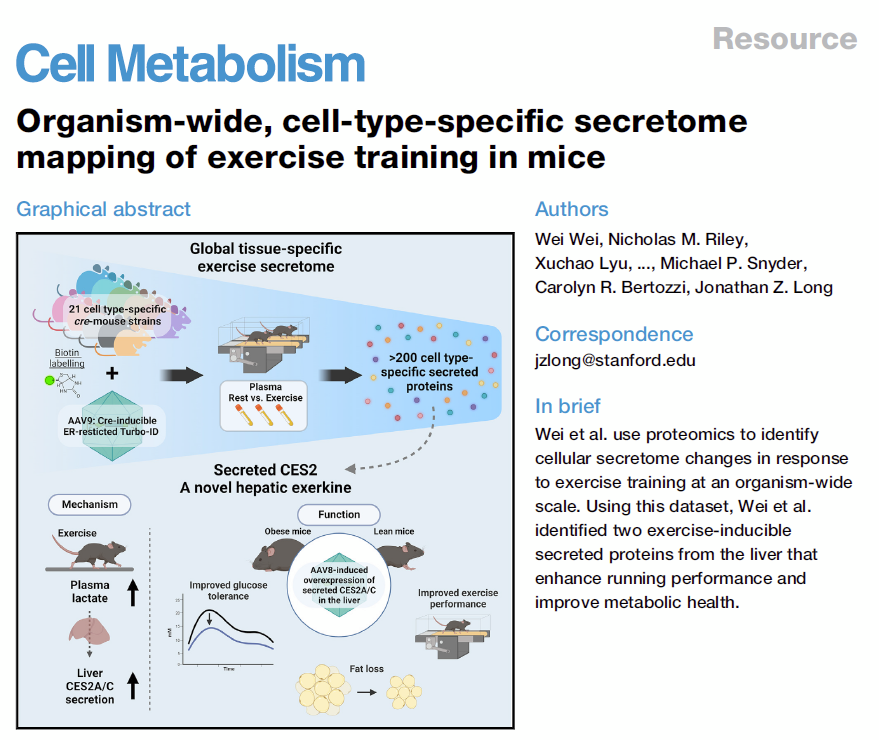
Exercise triggers the release of many hormone-like small proteins from different organs.
Some of these proteins have therapeutic effects - thus contributing to our understanding of how exercise improves health. @WuTsaiAlliance
https://t.co/XeghyPNSMc
Launching the Women in Crop Science website! Created to host the Directory providing info about women working in crop sciences globally, plus networking opps incl #GlobalWiCScoffee. Find out why here: https://t.co/DSnpEvrqQx & check out the website: https://t.co/JdaSg2a3pR
Happy Transposon Day 2022! Today is the 120th birthday of Barbara McClintock, founder of the #transposon field and Nobel laureate. Please celebrate with us by using the hashtag #TransposonDay2022. How has Barbara McClintock or her work influenced you? https://t.co/rRm70T0MUf
10 genebanks from around the globe will deposit more than 20,000 seeds in the Svalbard Global Seed Vault for safekeeping tomorrow.
The deposit will include seeds of crop species not previously represented in the Seed Vault. https://t.co/UFvhX1tZbs
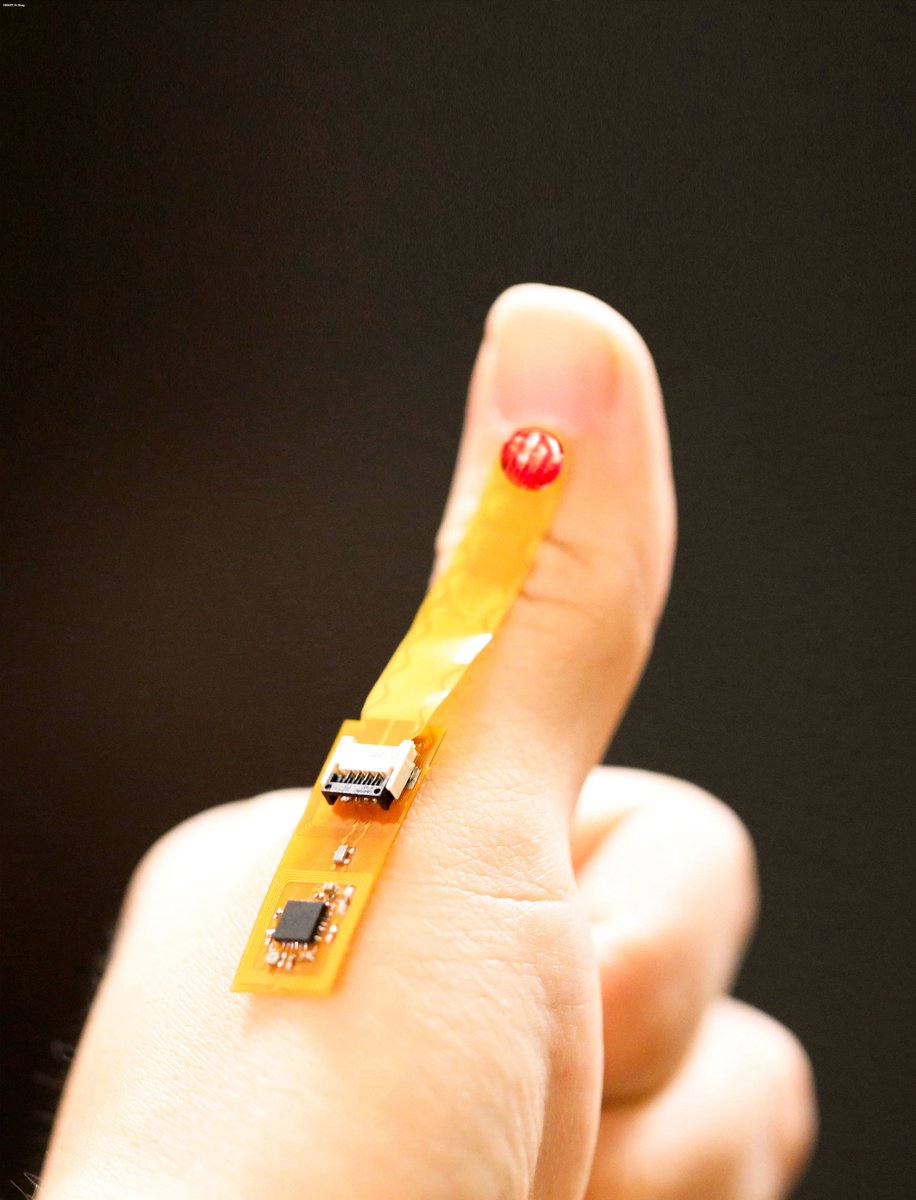
Researchers in @ScienceAdvances have developed a wearable DNA hydrogel-based sensor that detects bacterial infections in wounds even before visible signs are present. https://t.co/MeqYI3GEgU
Protein-based vaccines — with their inexpensive production protocols and logistical advantages — could help to narrow the immunization gap between rich and poor countries https://t.co/pLunUiQl3n