#Wagyu#Breed offer:
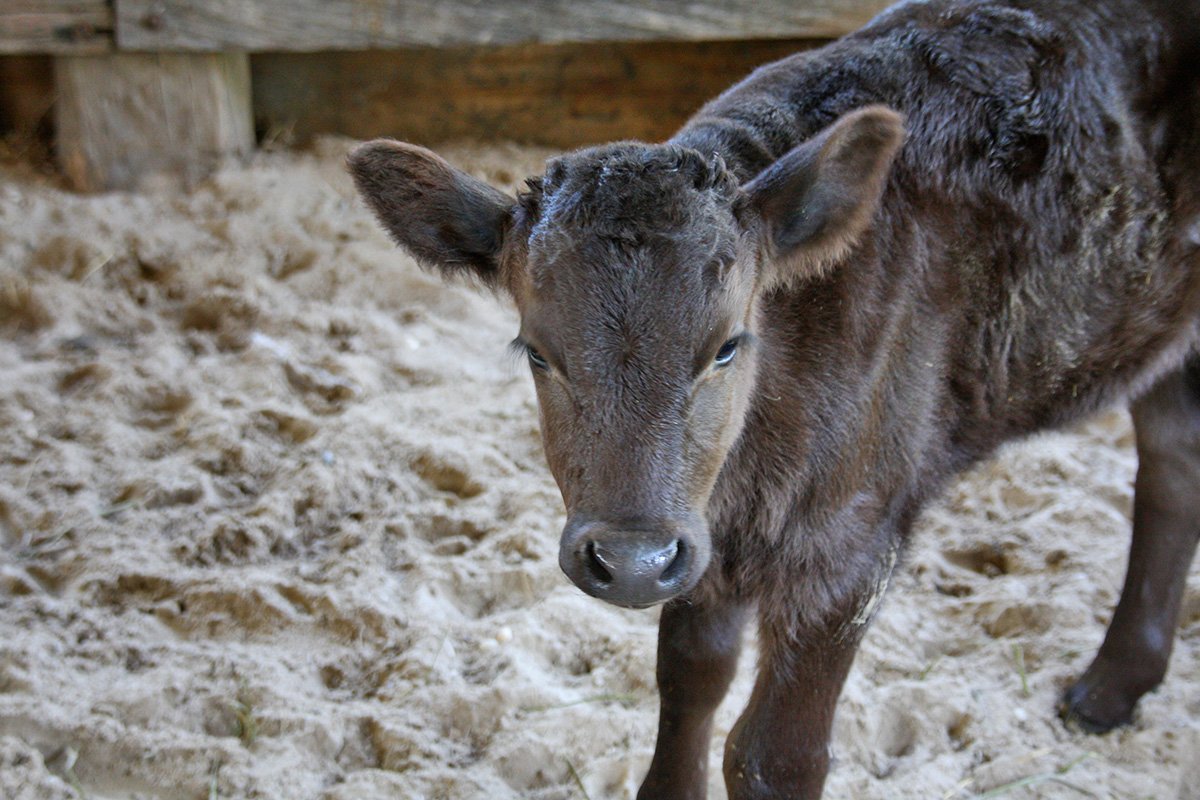
Calving ease
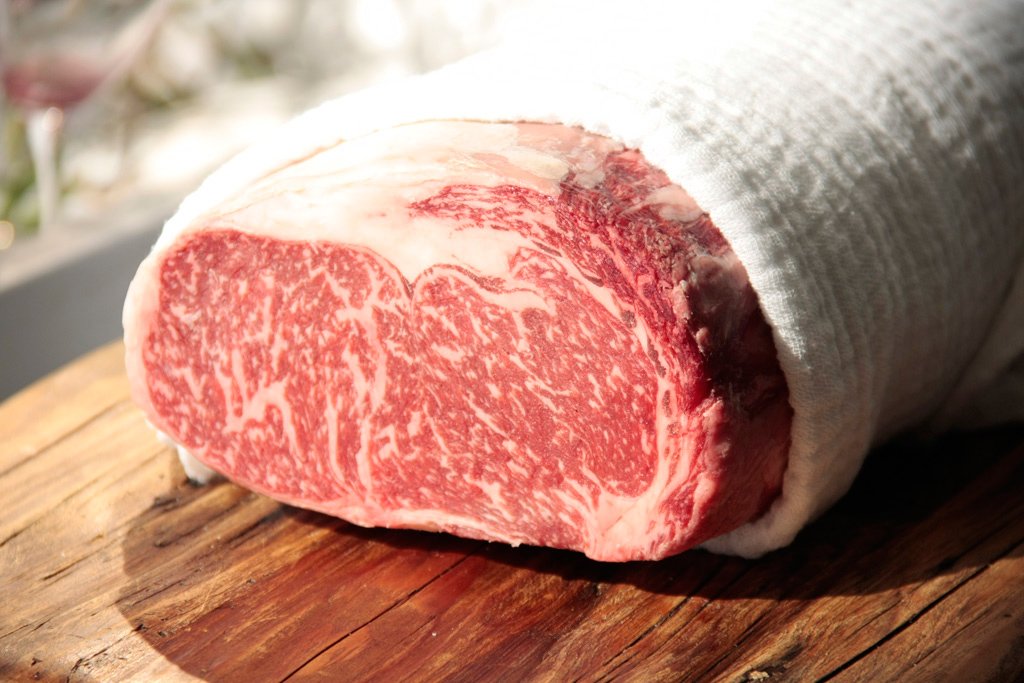
Generous ribeye size
Finer meat texture
No excessive back fat
Wagyu are very fertile
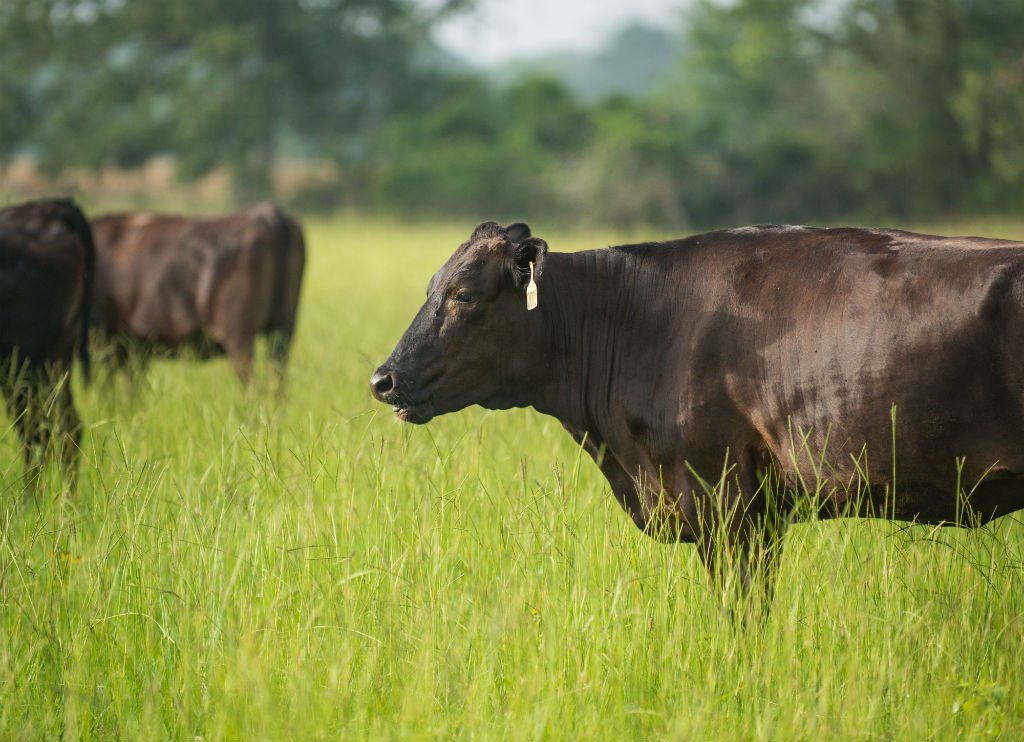
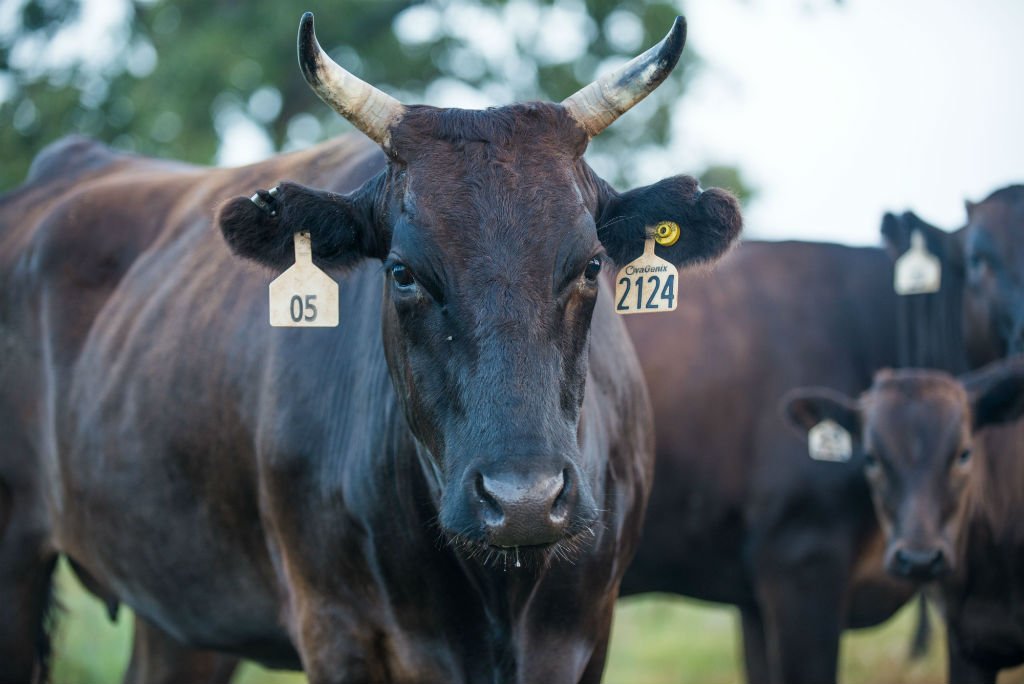
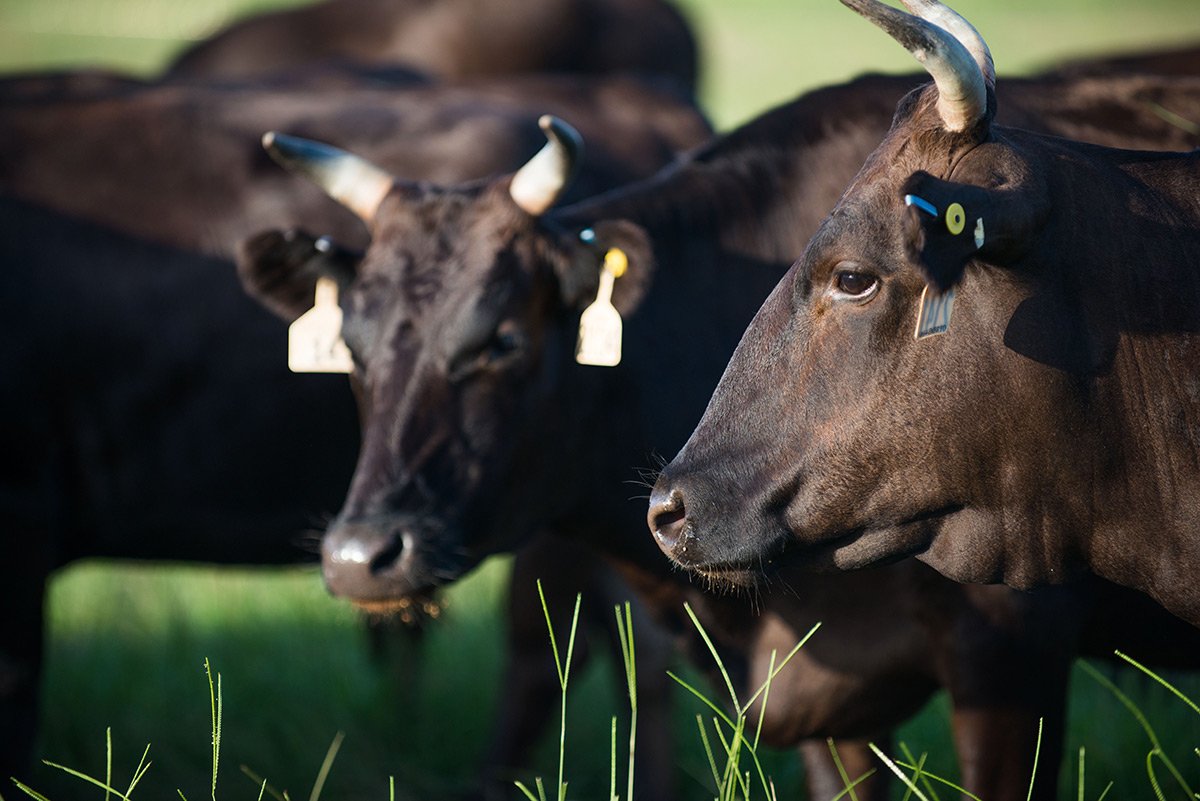
Wagyu cattle have docile temperaments and are easy to handle and move
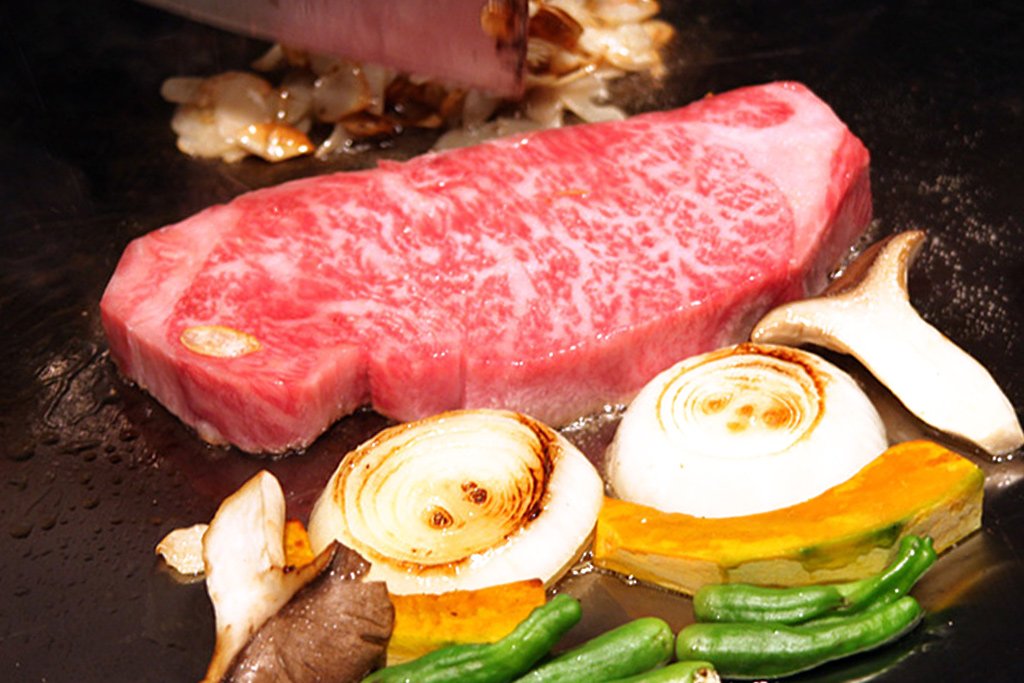
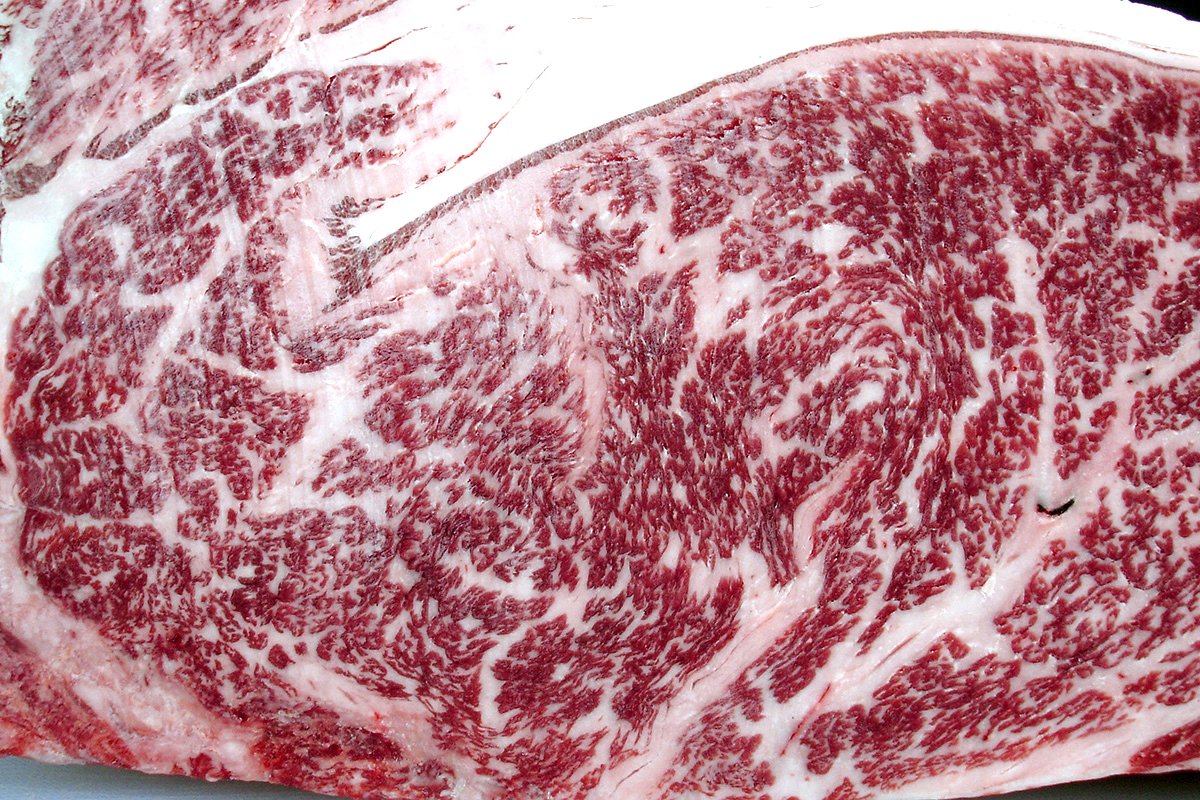
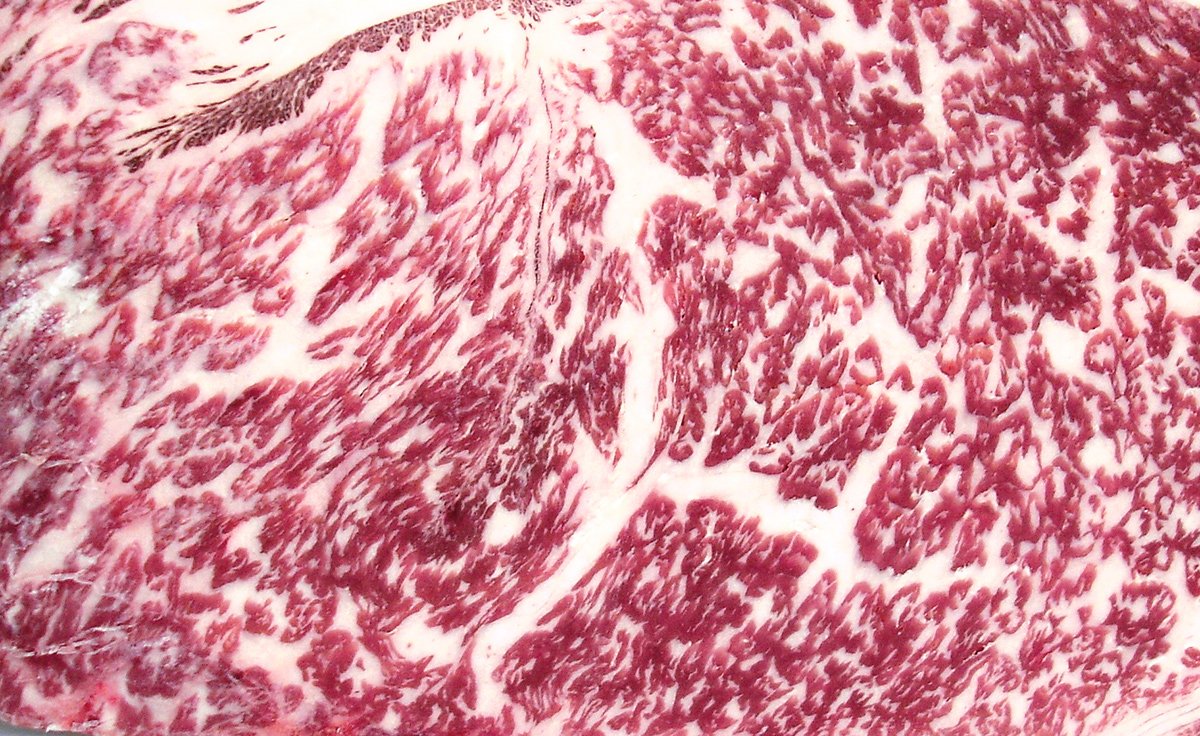
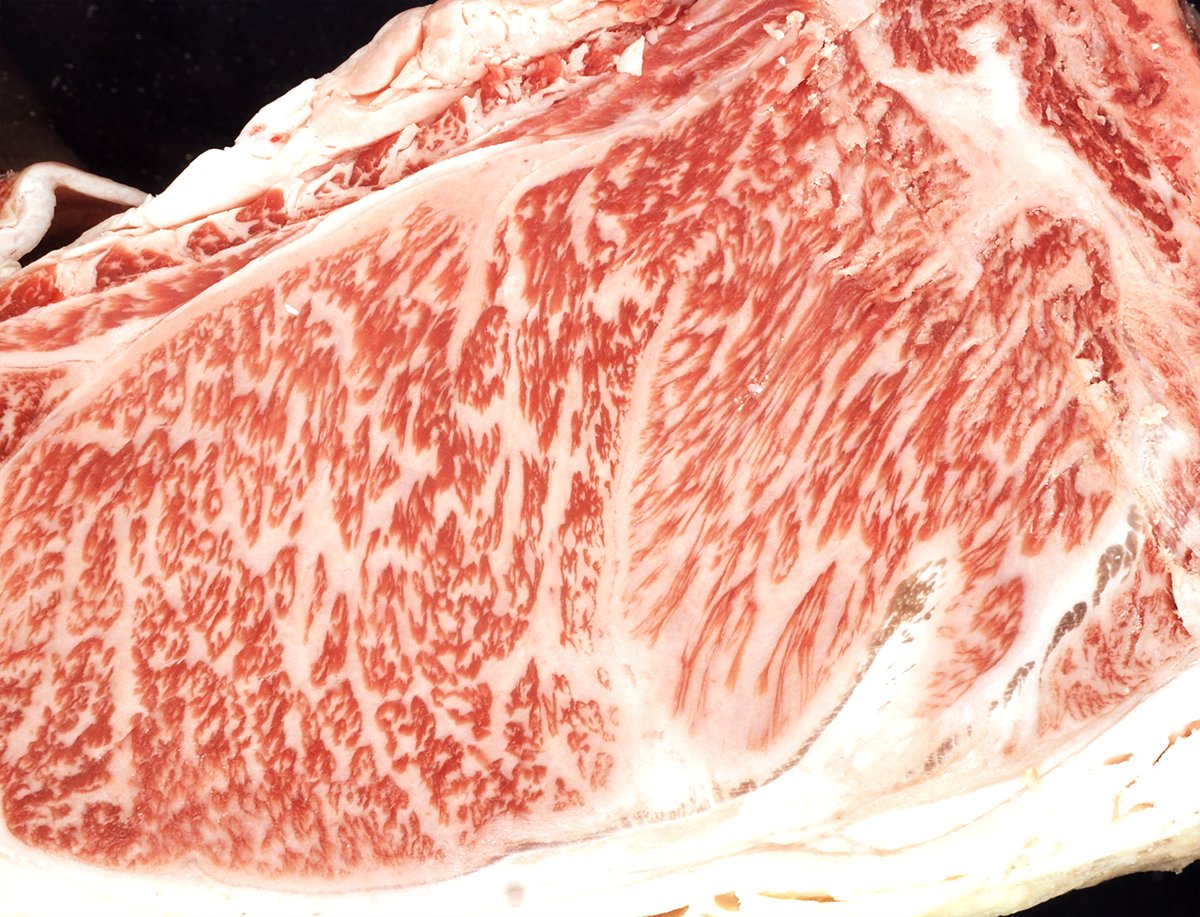
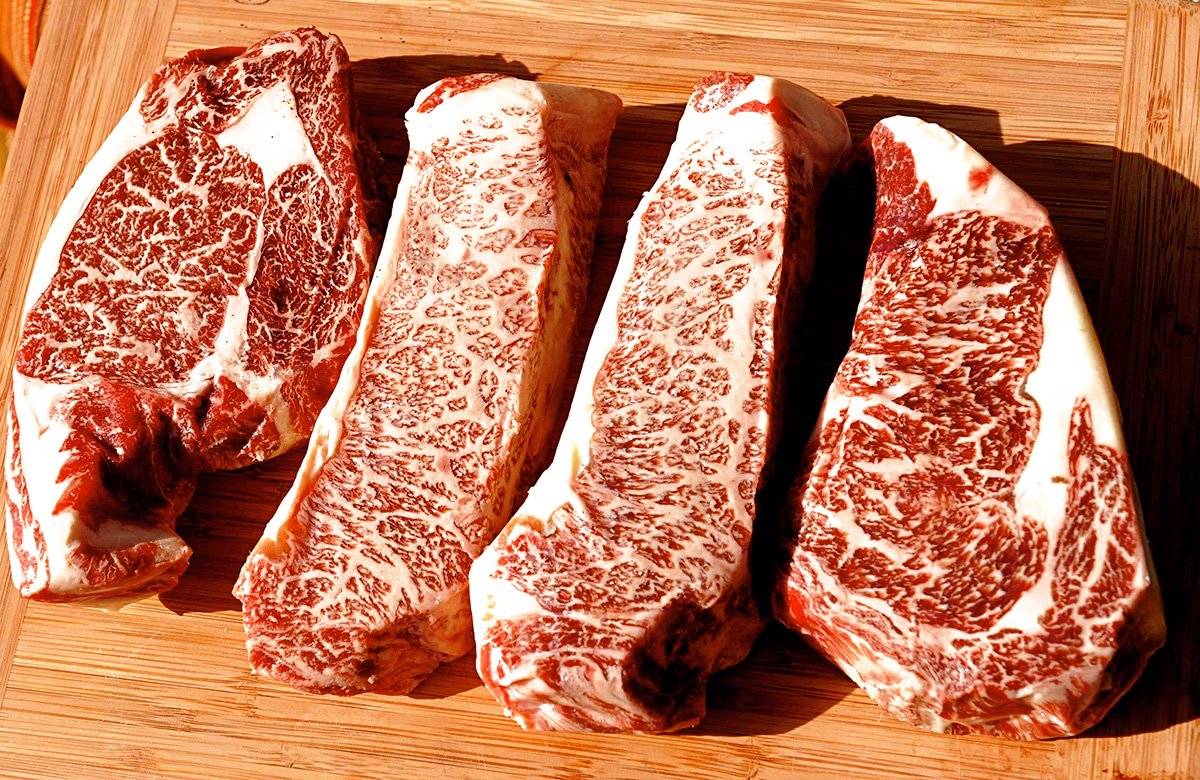
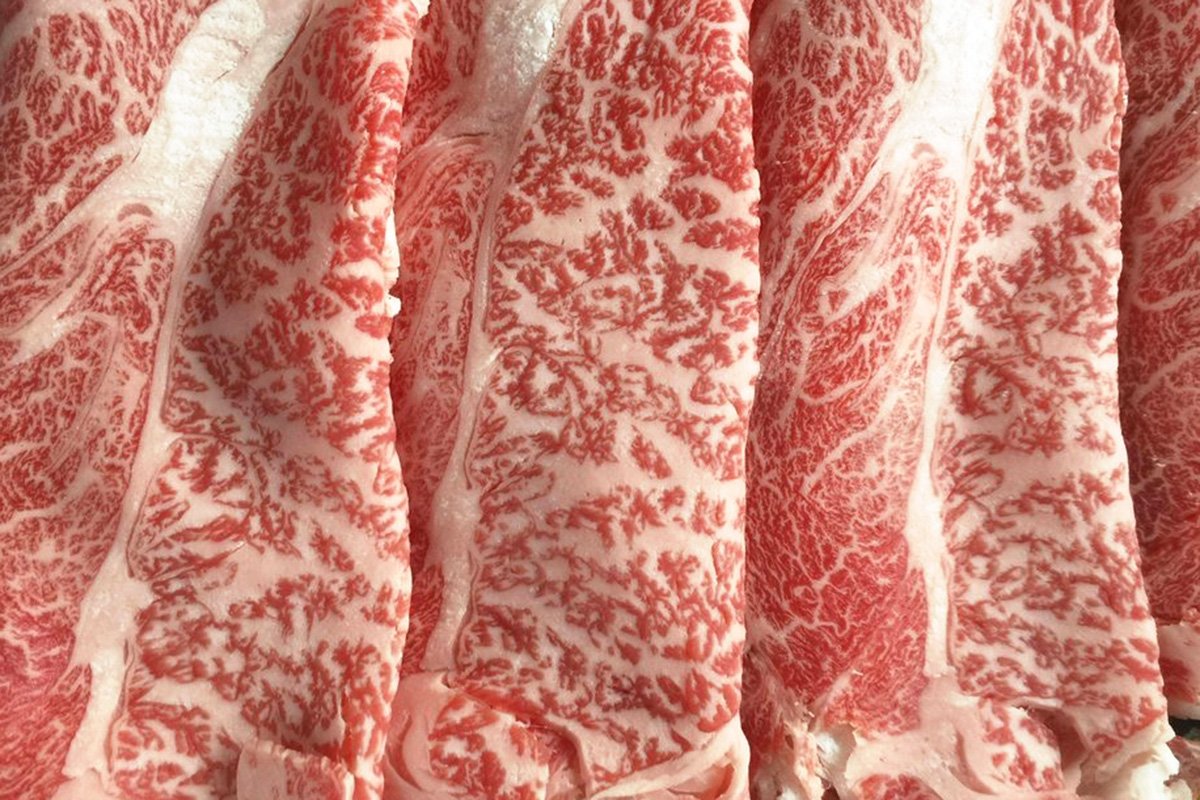
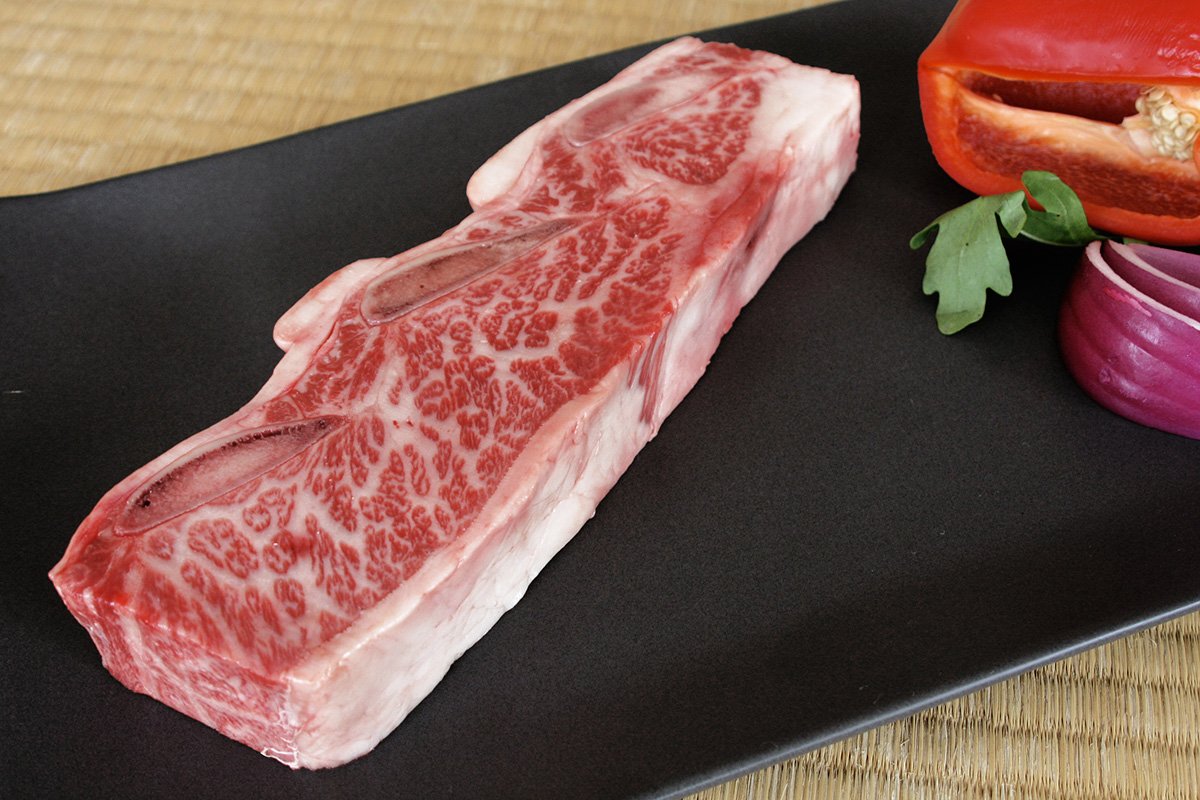
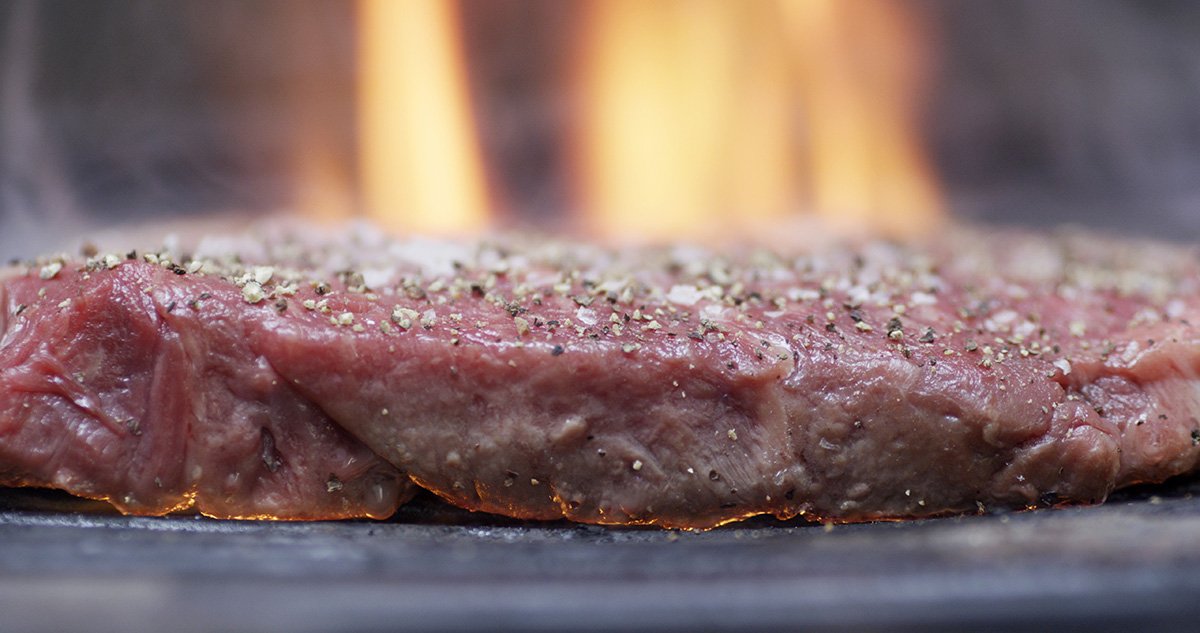
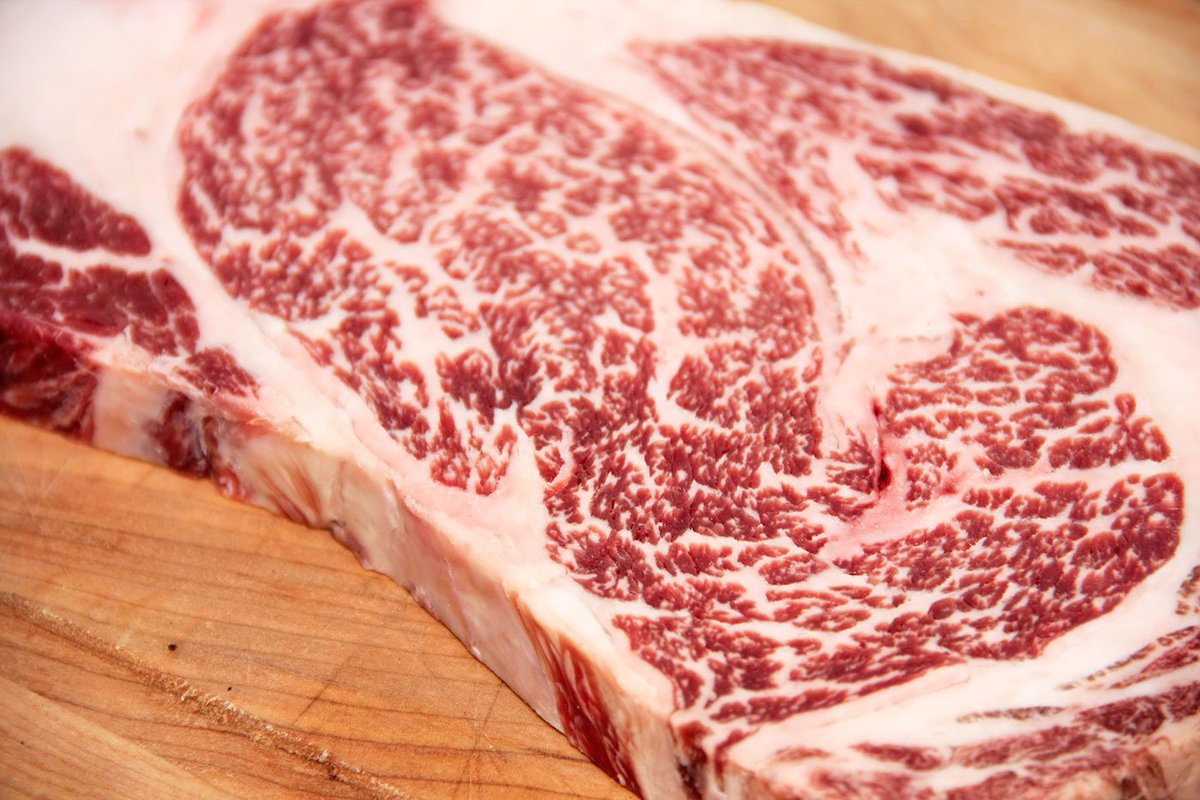
Exquisite marbling - fine ribbons of monounsaturated fat (the good ones) intertwine the muscles (the higher the amount of marbling, the higher the grade of meat). Wagyu females are lighter muscled and their marbling is much finer and more evenly dispersed throughout the muscle.
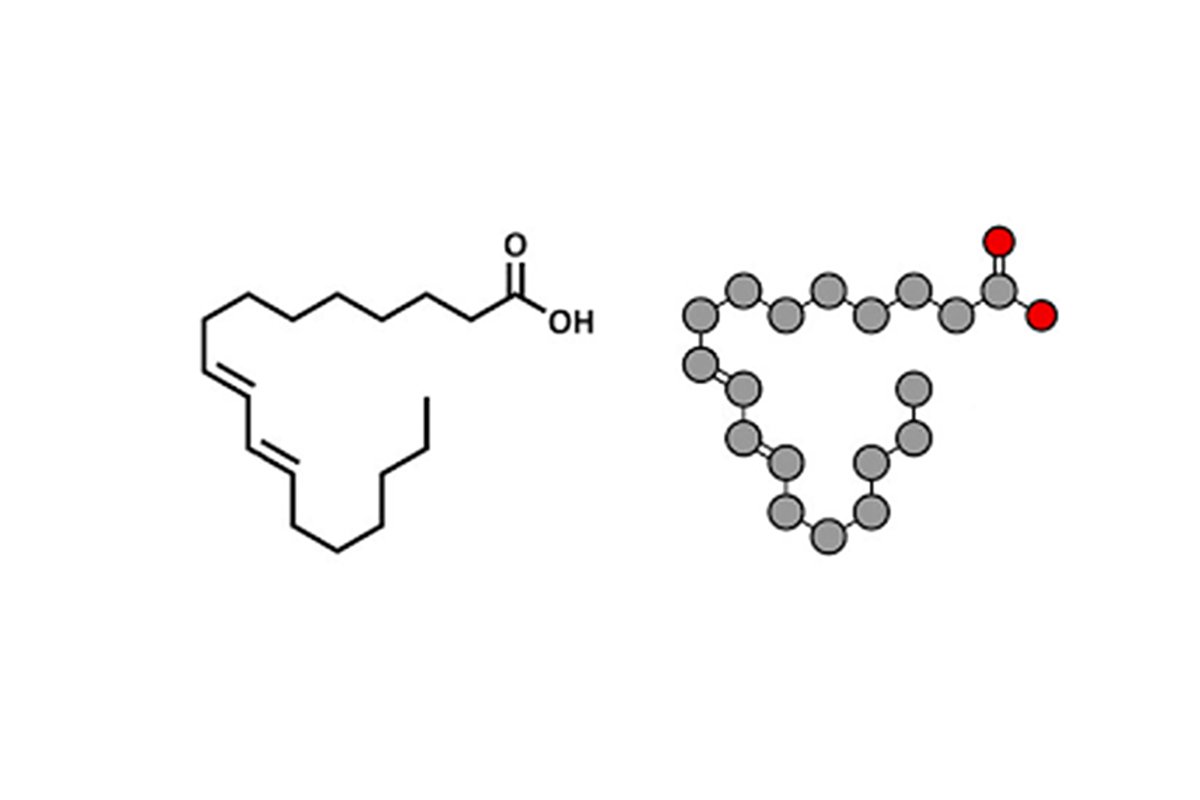
Wagyu is also higher in a type of fatty acid called conjugated linoleic acid (CLA). Wagyu beef contain the highest amount of CLA per gram of any foodstuff – about 30% more than other beef breeds – due to higher linoleic acid levels.
Health experts have discovered the mono-unsaturated to saturated fat ratio is higher in #wagyu than in other beef. 40% is in a version called stearic acid, which is regarded as having a minimal impact in raising cholesterol levels.
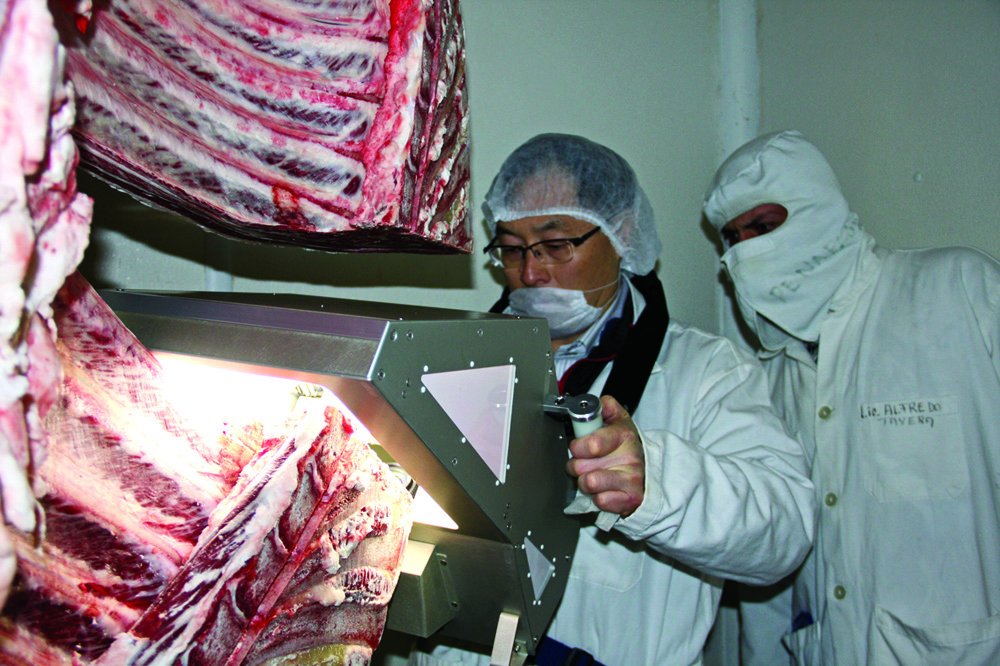
Abundance of performance and carcase records with pedigree information enables detailed breeding information to be analysed and reported. The performance of sires at the major abattoirs is readily available.
Wagyu cattle's genetic predisposition yields a beef that contains a higher percentage of omega-3 and omega-6 fatty acids than typical beef. The increased marbling also increases the ratio of monounsaturated fats to saturated fats.
The Wagyu breed has a vital role to play in the US to increase the quality of red meat produced in the US that our health conscious consumer of the twenty first century is forever seeking.
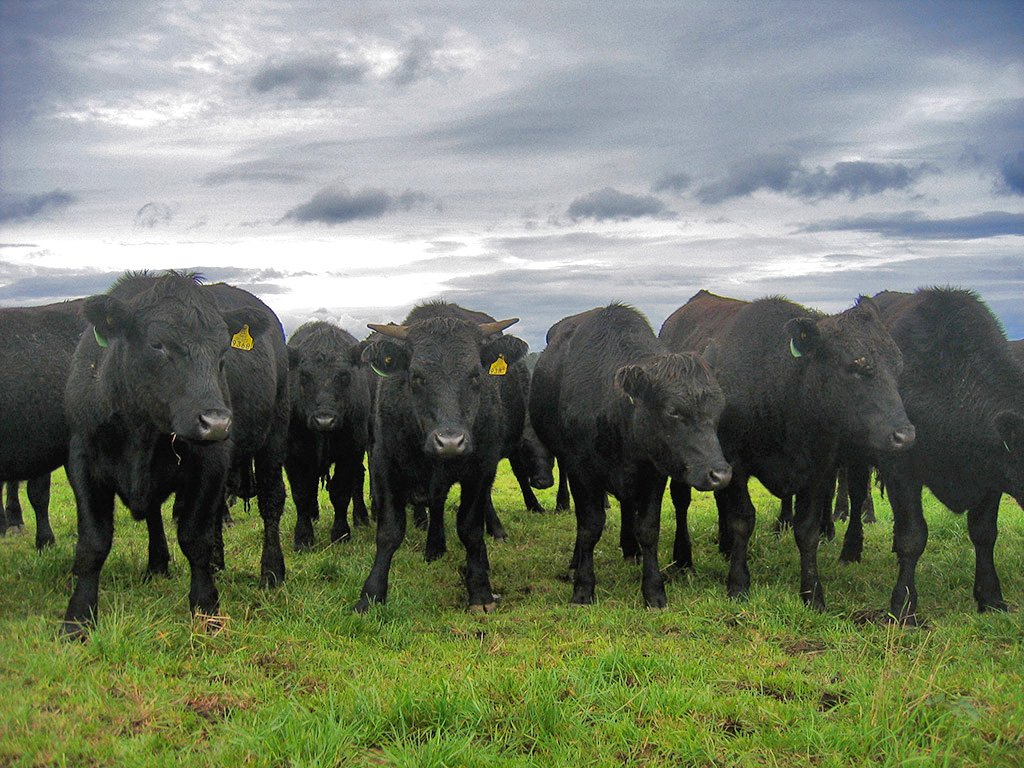
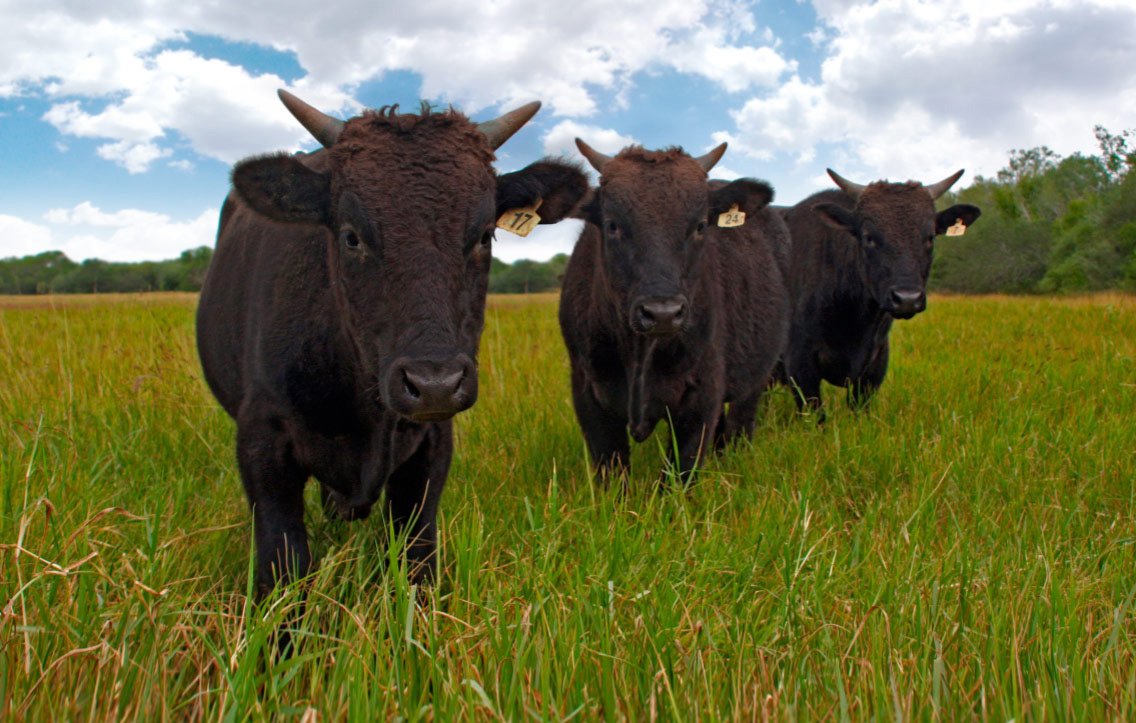
In Japan there are four breeds that are considered Wagyu: Japanese Black, Japanese Brown, Japanese Polled and Japanese Shorthorn. There are no Japanese Polled or Shorthorns being bred outside Japan.